

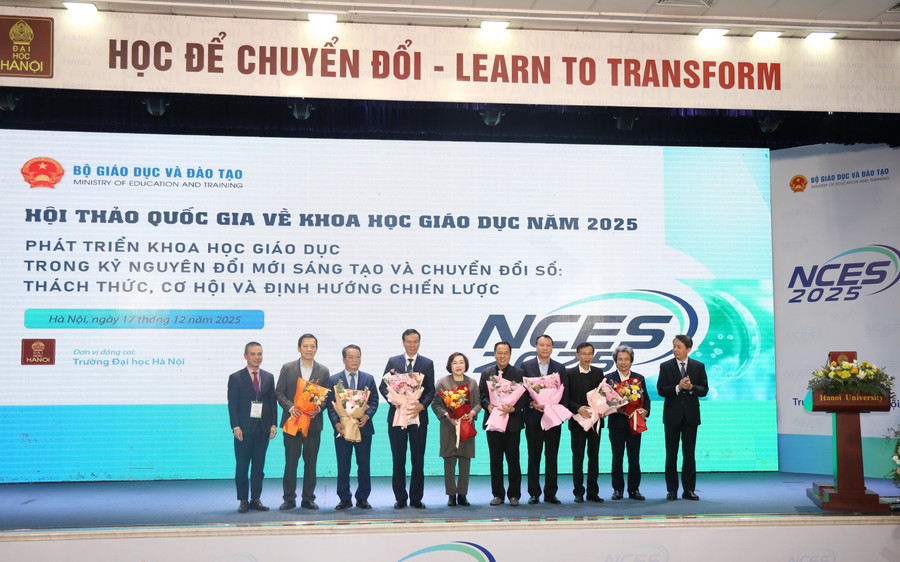
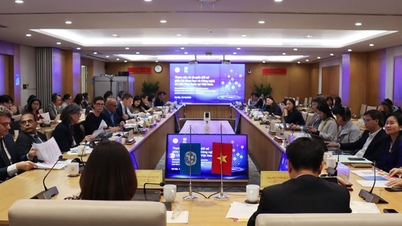
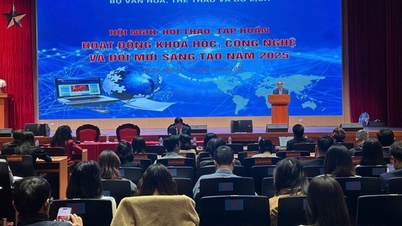
On December 17th, at Hanoi University, the Ministry of Education and Training organized a national conference on educational science with the theme "Developing educational science in the era of innovation and digital transformation: Challenges, opportunities and strategic directions".
Developing educational science is a central task.
Attending the workshop were Deputy Minister of Education and Training Nguyen Van Phuc, leaders of functional units of the Ministry of Education and Training, representatives of the Ministry of Science and Technology, the Ministry of Finance , leaders of higher education institutions, research institutes, and Departments of Education and Training; scientists, lecturers, teachers; representatives of universities with educational technology departments, and authors who presented papers at the workshop.
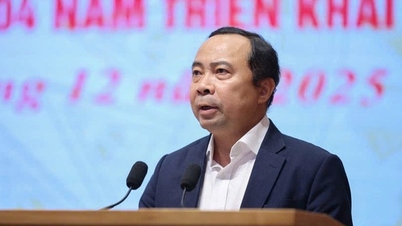
In his opening remarks at the workshop, Deputy Minister Nguyen Van Phuc stated: In recent years, the Party and the State have issued many major policies and guidelines clearly affirming the central role of education and educational science in the development of the country.
Resolutions No. 29-NQ/TW, Conclusion No. 91-KL/TW, Resolution No. 57-NQ/TW, and especially Resolution No. 71-NQ/TW of the Politburo, along with the Education Development Strategy for the period 2021-2030, have established a consistent requirement: all major educational policy decisions must be based on scientific principles, practical experience, and reliable evidence.
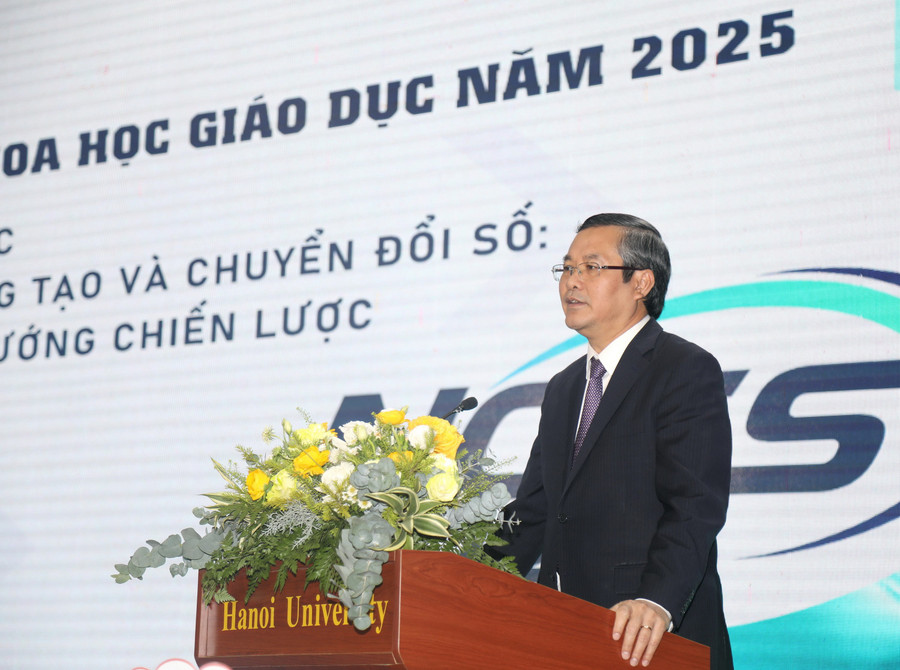
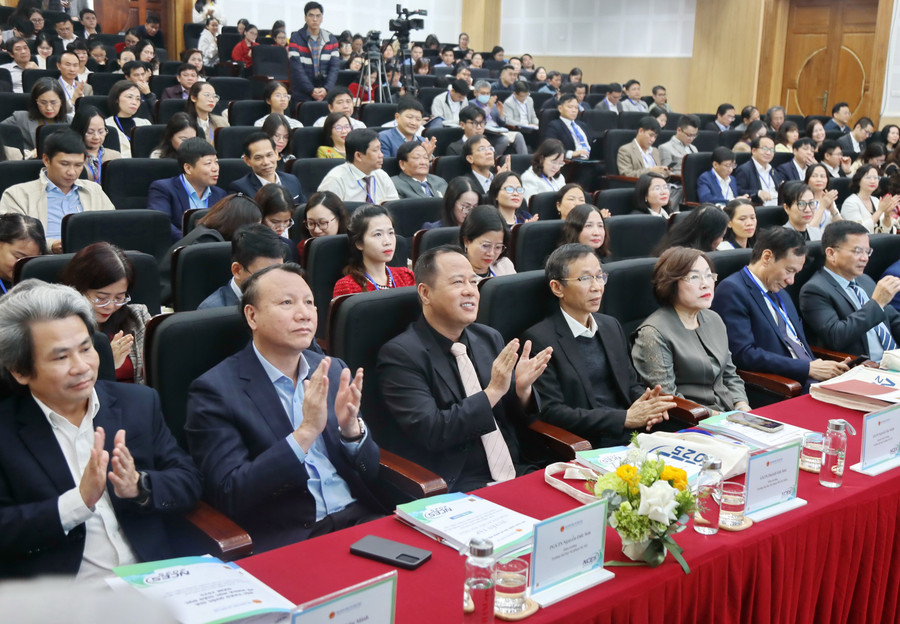
In line with that spirit, the Ministry of Education and Training has identified the development of educational science as a key task. The Ministry has been perfecting the institutional framework, implementing the National Educational Science Program, and increasing the commissioning of research tasks that directly serve curriculum reform, teacher training, system management, quality assurance, and digital transformation. The National Educational Science Conference is not only an annual academic event but also an important policy consultation channel for the Ministry.
The 2025 National Conference on Educational Science, themed "Developing Educational Science in the Era of Innovation and Digital Transformation," is organized not only for academic exchange but also to propose specific directions, solutions, and policy recommendations that can be directly used in state management of education.
Following the workshop, the Ministry of Education and Training will continue to refine the research commissioning mechanism, enhance the use of educational science results in state management, and create favorable conditions for scientists to contribute their roles, responsibilities, and intellect to the national education system.
"With a serious, responsible, and constructive scientific spirit, the 2025 National Conference on Educational Science will contribute important scientific arguments that will practically serve the process of educational and training reform in the coming time," Deputy Minister Nguyen Van Phuc expressed his confidence and wished the conference great success.
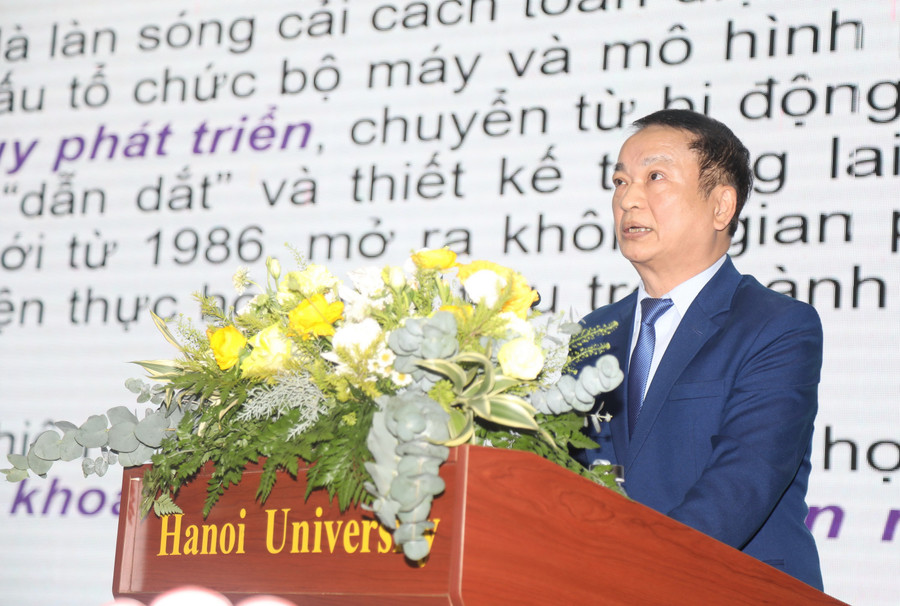
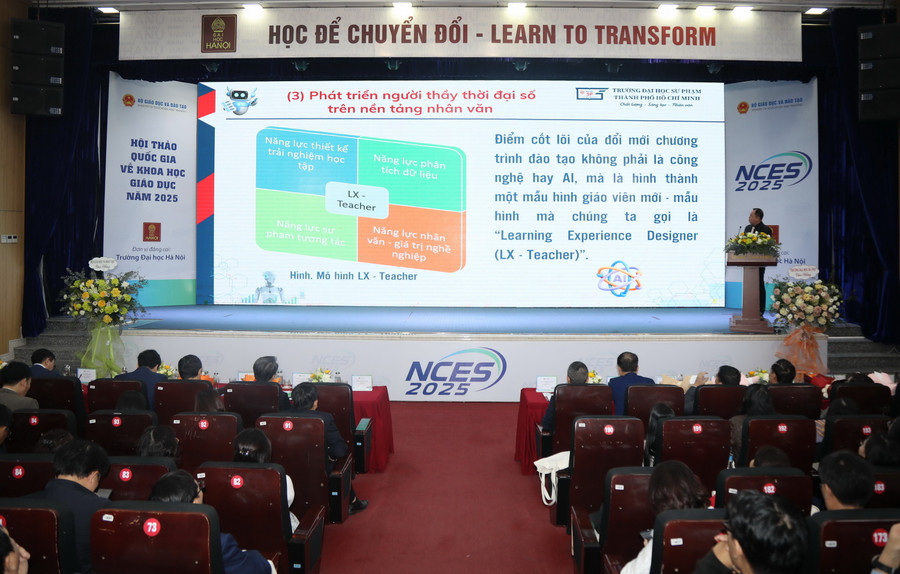
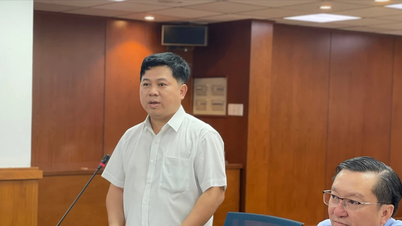
Professor Huynh Van Son, Rector of Ho Chi Minh City University of Education, presented a specialized topic.
We have received many heartfelt opinions.
In his welcoming remarks, Associate Professor Dr. Nguyen Van Trao - Rector of Hanoi University, said: As the host institution of the conference, the university has had the opportunity to witness the enthusiastic cooperation and participation of higher education institutions nationwide through the submission of research topics, scientific articles, and scientific products for exhibition, and support for scientists and teachers attending the conference.
The conference included plenary and parallel sessions along with 19 thematic presentations, focusing on topics such as: Institutional research, policies, systems, and educational models; Curriculum innovation, teaching methods, testing, and assessment; School governance and human development; Application of technology, digital transformation, and AI; National orientation for the development of educational science and mechanisms to promote research, policy, and practice.
Opening the workshop, Professor Pham Hong Quang, Chairman of the Council of Professors in the field of Educational Sciences, presented a topic entitled: "National Policy for the Development of Educational Sciences; Strategic Orientation for the Development of the Education Sector," emphasizing that in the new context, educational sciences are facing a breakthrough.
Educational science plays a crucial role in providing arguments for policy, analyzing the impacts and effectiveness of the system. Without the guiding role of educational science, the reform process risks becoming fragmented, lacking a systematic approach, and failing to impact practical realities.
Professor Huynh Van Son, Rector of Ho Chi Minh City University of Education, presented a specialized topic on "Innovating teacher training programs and educational methods in the context of digital transformation and the impact of artificial intelligence," emphasizing that the core of program innovation is not technology or AI, but rather the formation of a new model of teacher: the Learning Experience Designer.
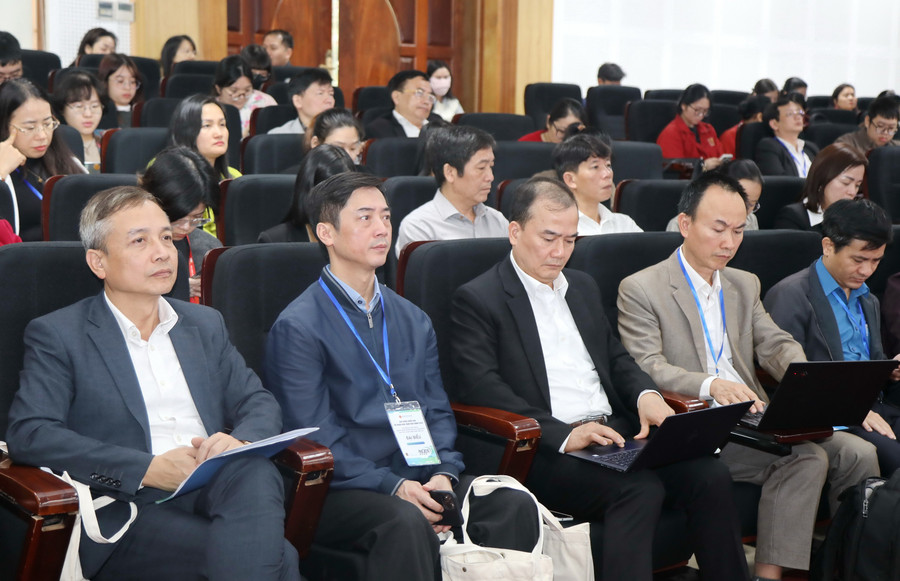
Associate Professor Pham Ngoc Thach, a lecturer at Hanoi University, provides an overview of outstanding academic achievements in the field of online learning behavior analysis, and also presents a brief case study with empirical data from two lessons in the Italia A2 course at Hanoi University.
The research findings confirm that online learning behavior is a complex ecosystem, requiring a combination of lesson design, data analysis, and pedagogical support. Therefore, the study proposes several improvement solutions focusing on lesson design processes, personalized feedback, increased interaction, and the development of self-learning skills for students.
Ms. Nguyen Thi Hien and Ms. Nguyen Thi Giang, lecturers at Hanoi University of Industry and Trade, analyzed the theoretical basis and urgent need for developing humanistic economic education in the context of artificial intelligence and increasingly deep international integration.
Based on a three-dimensional analysis—human value, AI-driven transformation, and the need for international integration—the authors emphasize the symbiosis between human intelligence and AI to ensure the quality of economic training, adapting to technology while maintaining humanity, social responsibility, and global values.
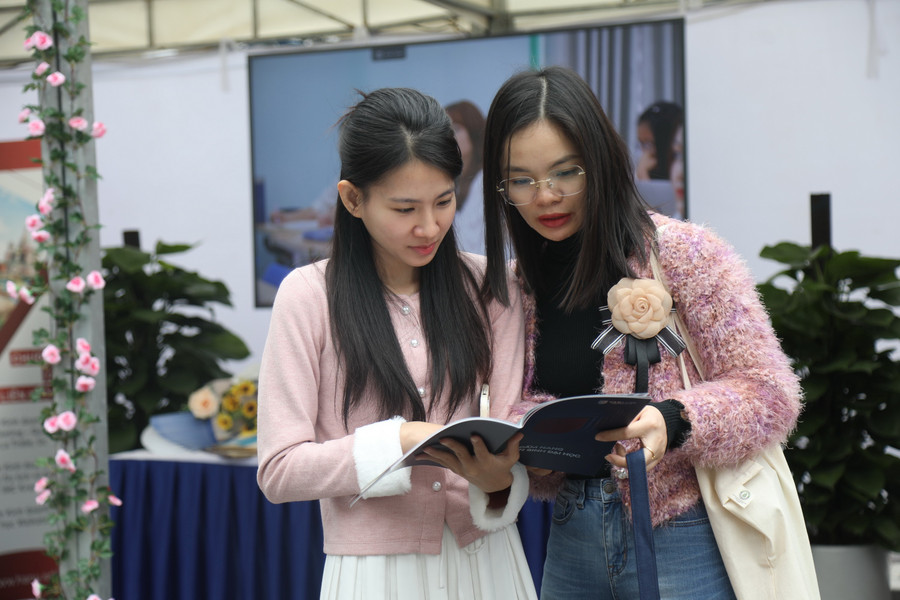
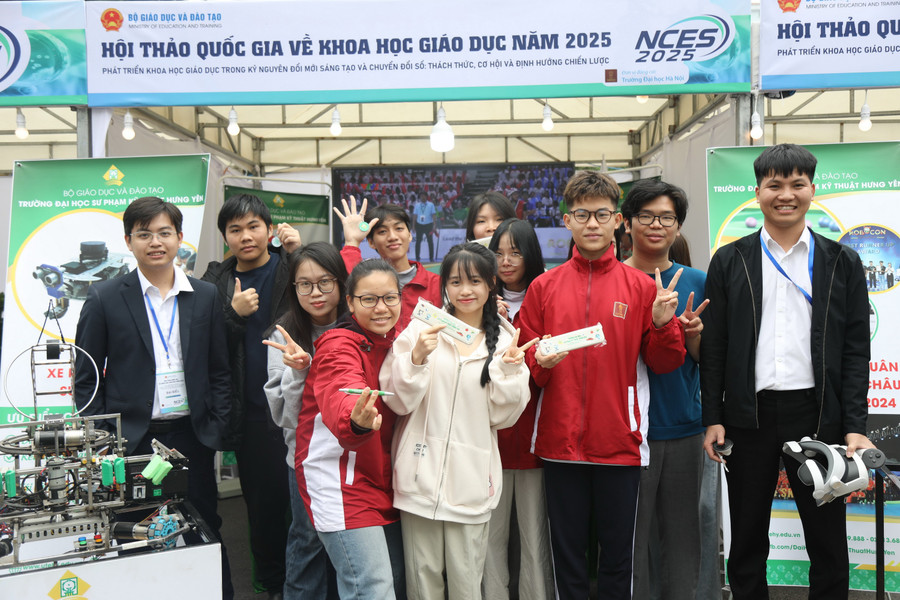
Dr. Le Thi Thanh Hue, lecturer at the University of Education, Thai Nguyen University, emphasized: In the context of digital transformation and international integration, developing emotional and social skills in children is becoming increasingly important. The author's research contributes to supplementing the theoretical basis for developing emotional and social skills in children and provides practical recommendations for developing early childhood care and education programs.
Meanwhile, research by a group of lecturers from the Faculty of Education, Thai Nguyen University, analyzed the current situation of supporting 5-6 year old children from the Mong and Dao ethnic minorities to adapt to first grade, thereby clarifying the extent to which educational measures at preschools in ethnic minority areas are effective.
The study aims to identify the content of support being implemented, the effectiveness of the methods and forms of support. The research affirms the importance of strengthening family-school coordination, expanding learning experiences, and enhancing teacher capacity to improve the readiness of ethnic minority children for first grade.
The conference was held against the backdrop of Vietnamese education entering a new phase of development, with increasingly high demands for innovation, digital transformation, and the development of high-quality human resources. In this context, educational science is not only a specialized field of research, but must also play a leading role in knowledge sharing, providing a scientific foundation for the planning and implementation of educational policies.
Source: https://giaoducthoidai.vn/phat-develop-science-education-in-the-era-of-innovation-creativity-and-digital-transformation-post760875.html


![[Image] Central Party Office summarizes work in 2025](/_next/image?url=https%3A%2F%2Fvphoto.vietnam.vn%2Fthumb%2F1200x675%2Fvietnam%2Fresource%2FIMAGE%2F2025%2F12%2F18%2F1766065572073_vptw-hoi-nghi-tong-ket-89-1204-jpg.webp&w=3840&q=75)

































































Comment (0)