

According to the new regulations, emissions testing will be conducted using stricter methods; and electronic inspection certificates will be issued for motor vehicles and specialized vehicles. Prior to this, the Vietnam Registering and Inspection Department organized training sessions, requiring centers to prepare personnel, coordination plans, and practice the procedures.
 |
| Officials from the Tuyen Quang Transport Vehicle Inspection Center - 2201S (Department of Construction) are conducting vehicle inspections according to the new regulations. |
In Tuyen Quang, traffic congestion only occurred on March 2nd and 3rd. By the morning of March 3rd, the inspection centers were basically able to meet the demand after the system was repaired.
A notable change is the method of measuring emissions. Previously, for diesel vehicles, emissions were measured at idle speed based on the manufacturer's stated engine speed minus 10%. From March 1, 2026, diesel vehicles must have the accelerator pedal fully depressed for a minimum of 5 seconds to measure maximum emissions. If the vehicle displays an engine fault or the governor fails to control the engine speed as required, it will be refused inspection.
For gasoline-powered vehicles, previously measurements were only taken at low idle speeds; now, measurements are also taken at high idle speeds, with the engine speed stable between 2,000 and 3,000 rpm. Simultaneously, emission standards have been raised: vehicles manufactured from 2017 to the end of 2021 must meet level 3; vehicles manufactured from 2022 onwards must meet level 4.
Mr. Mai Dai Do, Director of the Tuyen Quang - 2201S Vehicle Inspection Center, stated that fully depressing the throttle at idle ensures the most accurate measurement. At idle, the engine rotates quickly but experiences virtually no mechanical load as it doesn't pull the wheels like when operating on the road, thus preventing damage if the vehicle is properly maintained.
On March 2-3, the 2201S Inspection Center inspected over 40 vehicles, most of which met emission standards. According to Mr. Do, most vehicle owners had familiarized themselves with the new regulations and proactively maintained and repaired their vehicles before inspection, resulting in high scores. For diesel vehicles, meeting the standards is more difficult, but with regular maintenance, oil changes, combustion chamber cleaning, and inspection of the fuel injection and exhaust gas treatment systems, meeting the standards is not too challenging.
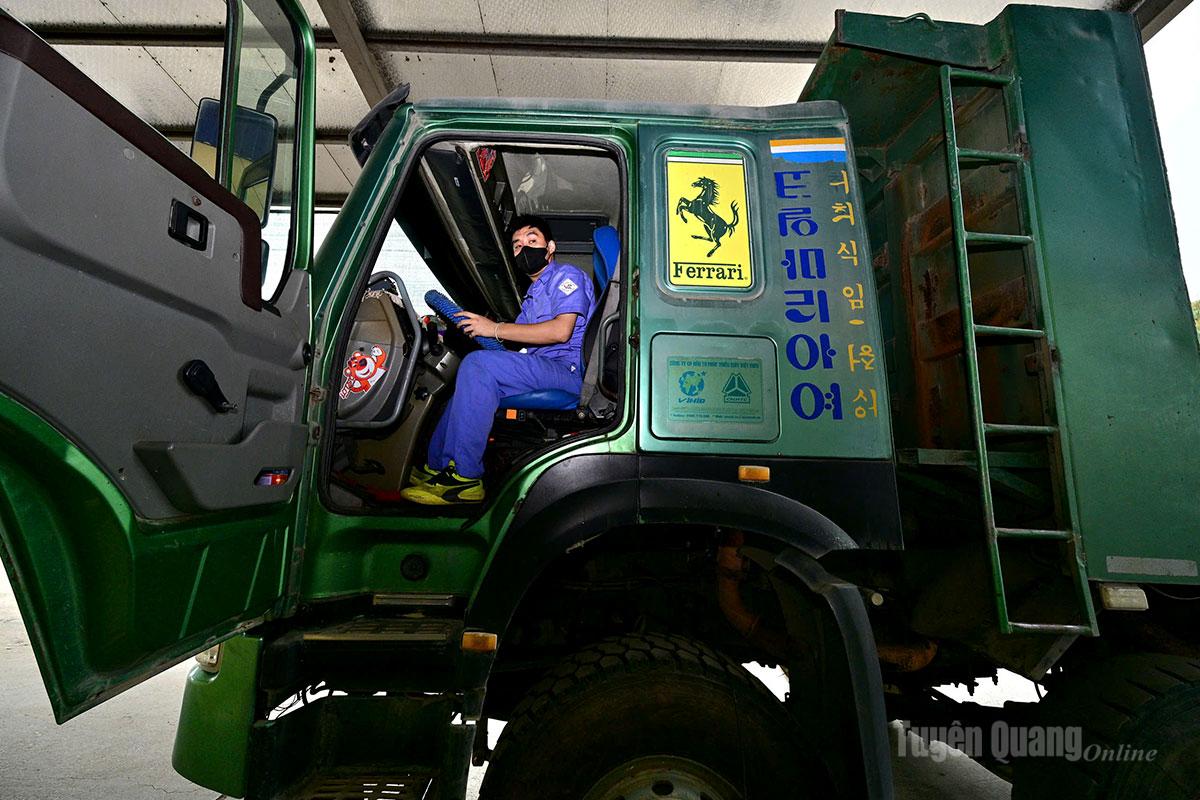 |
| Staff from Center 2203D of Tuyen Quang Vehicle Inspection Company Limited are conducting exhaust gas measurements. |
There will be no vehicle breakdown and a second charge.
Addressing concerns from some drivers that "flooring the gas pedal" could damage the engine, technical experts affirm that this procedure is intended to measure the maximum amount of smoke the engine can produce. At idle, the engine spins quickly but is not under significant mechanical load. Compared to actual acceleration or climbing a hill, the stress level is much lower. Therefore, for vehicles that meet technical requirements, this operation is not harmful; it is essentially a "health test" for the engine.
In fact, at Center 2203D (Tuyen Quang Vehicle Inspection Company Limited) on February 2-3, 54 vehicles were inspected, with 39 passing and 13 failing. However, the failures were mainly due to brake system and chassis issues; no vehicles failed due to exhaust emissions.
Mr. Ngo Anh Thi, Deputy Director and Vehicle Inspector at Center 2203D, stated that there have been no cases of vehicle damage due to the inspection process. Vehicles that fail the inspection usually have pre-existing technical problems that have not been repaired. Information circulating on social media about having to pay a second fee on the same day for failing the inspection is inaccurate; the inspection fee remains unchanged despite the stricter procedures and longer processing time.
Mr. Nguyen Van Dat from My Lam ward shared that the inspection time is about 10 minutes longer than before, but he supports it because the vehicle is thoroughly checked, giving him more peace of mind when using it. The issuance of electronic certificates is convenient, easy to look up, and there's no worry about losing them. Meanwhile, Mr. Tran Hai Tuyen (Yen Son commune) said that his vehicle, manufactured in 2016, still meets emission standard 4; the first time it failed was due to the braking system, not the emissions. According to him, if regular maintenance is done well, there's no such thing as "difficulty meeting standards" as some rumors suggest.
After the initial implementation, the new emissions testing process did not cause significant disruption. Operations at vehicle inspection centers throughout the province quickly stabilized, with most vehicles meeting the requirements. Tightening standards not only improves the quality of vehicles in circulation but also contributes to the formation of habits of regular maintenance, safe and environmentally friendly vehicle use, and the goal of green and sustainable transportation.
Text and photos: Trang Tam
Source: https://baotuyenquang.com.vn/xa-hoi/202603/quy-trinh-kiem-dinh-chat-che-a2259ac/
![[Photo] Secretary of the National Assembly Party Committee, Chairman of the National Assembly presides over the meeting of the Standing Committee and Executive Committee of the National Assembly Party Committee.](https://vphoto.vietnam.vn/thumb/1200x675/vietnam/resource/IMAGE/2026/06/03/1780480353201_ndo_br_bnd-2585-jpg.webp)

![[Photo] General Secretary and President To Lam presides over a meeting with the Central Organizing Committee.](https://vphoto.vietnam.vn/thumb/1200x675/vietnam/resource/IMAGE/2026/06/03/1780482764658_a1-bnd-4741-3342-jpg.webp)
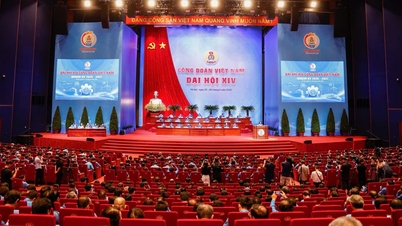
![[Photo] First session of the 14th Congress of the Vietnam Trade Union](https://vphoto.vietnam.vn/thumb/1200x675/vietnam/resource/IMAGE/2026/06/03/1780465947883_ndo_br_img-3852-jpg.webp)
























































![[Video] Sunset at Lap An Lagoon – Where the sun sets over the fishing nets](https://vphoto.vietnam.vn/thumb/1200x675/vietnam/resource/IMAGE/2026/05/31/1780192137701_beach-landscape-sea-water-nature-grass-745871-pxhere-com.jpeg)
































Comment (0)