

Some localities merged mechanically.
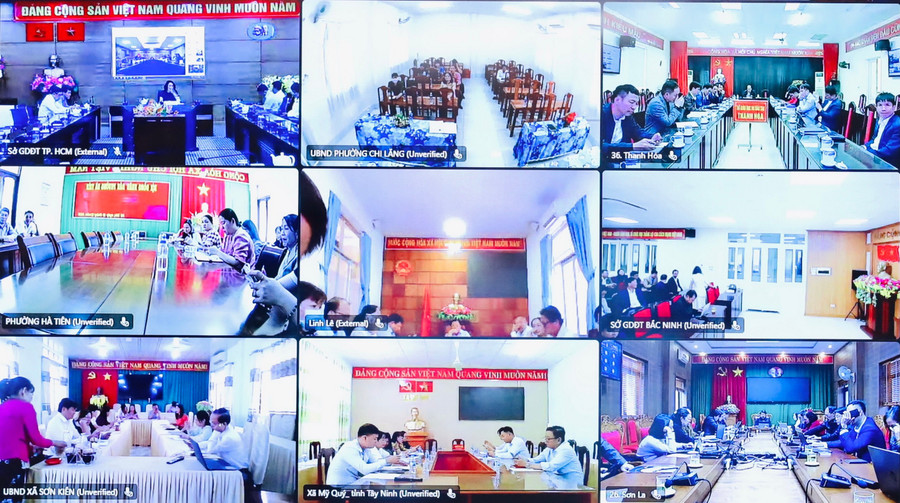
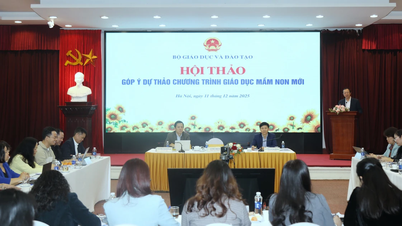
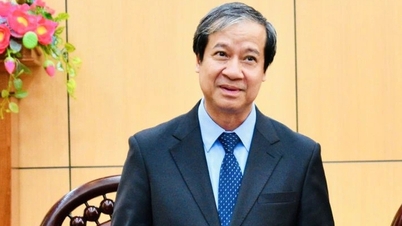
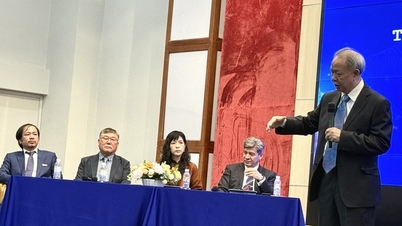
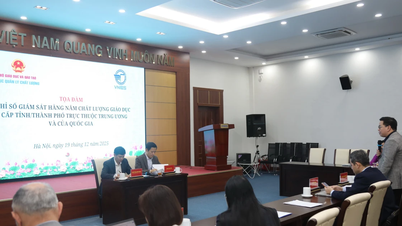
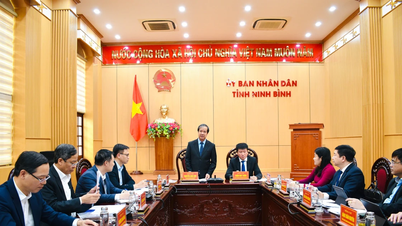
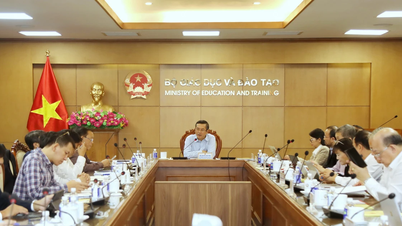
On December 19th, the Permanent Deputy Minister of Education and Training, Pham Ngoc Thuong, chaired an online meeting with localities regarding the arrangement and organization of public preschool, primary, secondary, and continuing education institutions.
Reporting on the implementation of the arrangement and organization of preschool, primary, and continuing education institutions according to the two-tiered local government model, Mr. Thai Van Tai - Director of the Department of General Education (Ministry of Education and Training) said: By the 2025-2026 school year, all commune-level administrative units nationwide will have primary schools; 93.2% of communes will have secondary schools.
Approximately 6.8% of communes, mainly in remote, mountainous, border, and island areas, still have to organize inter-commune schools or multi-level general education schools due to low population density and unique geographical conditions. Currently, the whole country has 11,559 primary schools with 8,882,864 students and 8,403 lower secondary schools with 6,656,888 students.
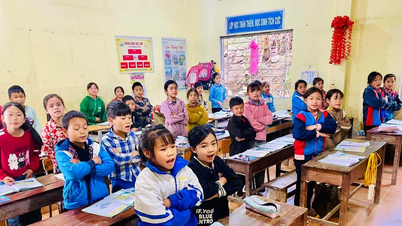
The network of schools and classrooms is generally comprehensive, meeting the requirements of universal education. However, a clear disparity exists between regions. In large cities and industrial zones, the average student-to-teacher ratio is high. Conversely, in the mountainous areas of the North and the Central Highlands, many schools are small, with class sizes of only about 18 students per class, and some even have to organize combined classes.
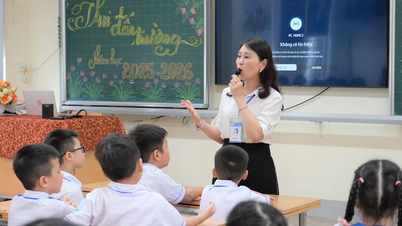
School facilities continue to improve. At the primary level, the classroom-to-class ratio is 1.03, the percentage of structurally sound classrooms is 87%, and the average class size is 31.8 students. At the lower secondary level, the classroom-to-class ratio is 0.89, the percentage of structurally sound classrooms is 95.24%, and the average class size is 39.8 students. According to Circular No. 23/2024/TT-BGDĐT, the maximum size of a primary school has been adjusted to 40 classes, an increase of 10 classes compared to the previous regulation.
The arrangement and organization of educational institutions are being implemented based on the conclusions, plans, and directives of the Politburo , the Secretariat, and the Central Steering Committee, emphasizing the principle of maintaining existing educational institutions, decentralizing management of preschool, primary, and secondary schools to the commune-level authorities, and completing the arrangement of public educational institutions at the commune level before December 31, 2025.
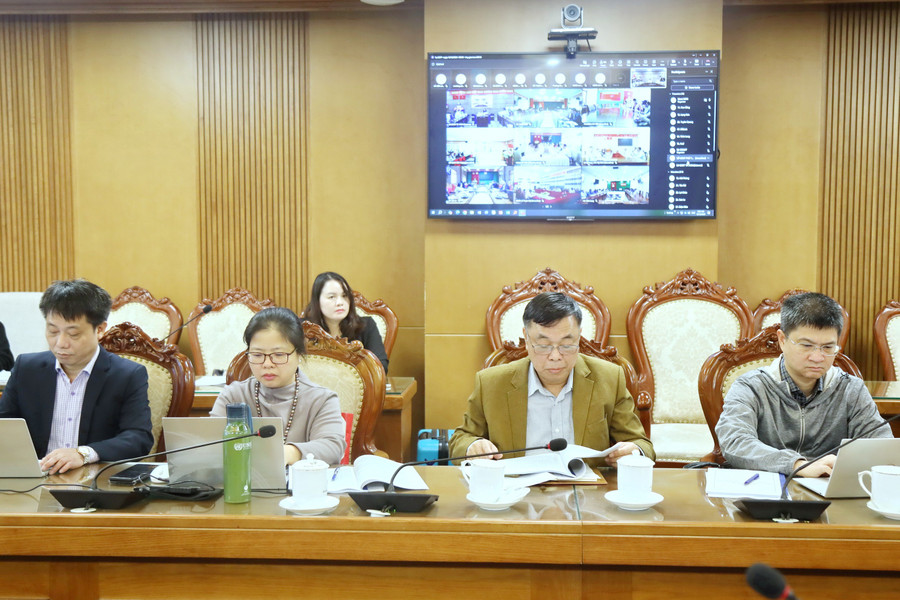
Following the directives of the Central Government, the Ministry of Education and Training has developed, advised on, and issued numerous Decrees and Circulars on decentralization and delegation of authority; issued many guiding documents and urged localities; conducted inspections in several localities; and continued to improve the institutional framework related to the restructuring of public educational institutions. The Ministry also clearly stipulated the minimum and maximum frameworks for school size, number of groups and classes, creating conditions for localities to proactively adjust accordingly to practical circumstances.
According to reports compiled from 23 out of 34 provinces and cities submitted to the Ministry of Education and Training: As of December 18, 2025, most localities will maintain the current structure of preschools, primary schools, junior high schools, and high schools in 2025 and develop a roadmap for reorganization after the end of the 2025-2026 school year.
For preschool education, 6 out of 23 provinces maintained the status quo, 15 out of 23 provinces saw a gradual decrease ranging from 1.76% to less than 10%, and 1 province completed mergers, resulting in a 45.83% reduction in educational institutions. In general education, 7 out of 23 provinces maintained the status quo, 15 out of 23 provinces saw a decrease ranging from 0.2% to less than 10%, and 1 province experienced a 42.57% reduction. Continuing education saw significant mergers, with many localities experiencing reductions exceeding 30%.
The initial restructuring has contributed to streamlining administrative structures, reducing management staff, reassigning teachers and staff, and addressing localized shortages and surpluses. However, some localities have merged schools mechanically and on a large scale in a short period, potentially overloading facilities and affecting the model of ethnic boarding and semi-boarding schools, as well as the right to access education for students in disadvantaged areas.
There is a clear plan, and it does not disrupt teaching and learning activities.
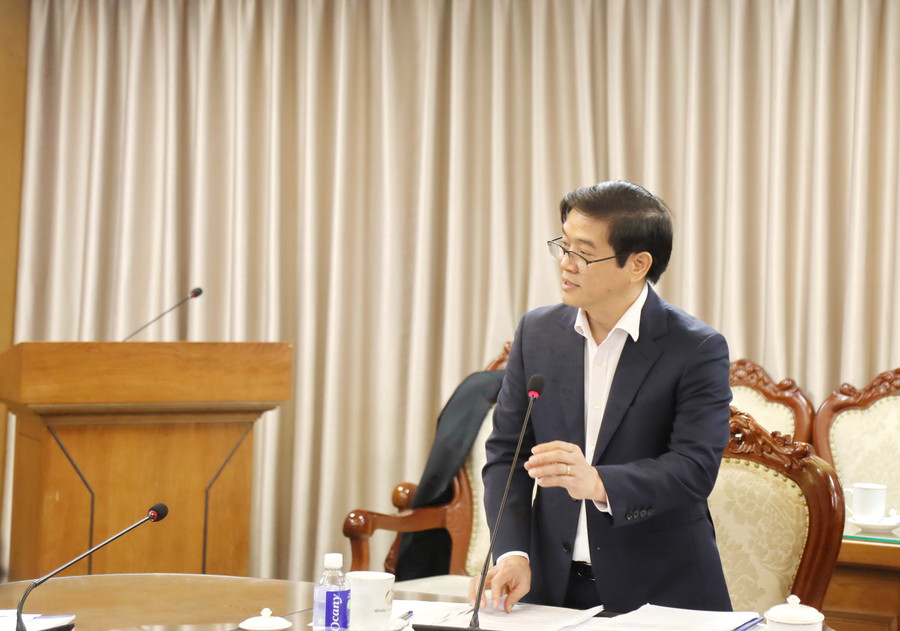
At the conference, representatives from many localities unanimously agreed on the following point: The restructuring of the school network should be carried out cautiously, with a roadmap, without disrupting teaching and learning activities, ensuring the learning rights of students and the stability of the teaching staff.
Mr. Nguyen Vinh Hung, Deputy Director of the Department of Education and Training of Hue City, said: The city has decided to maintain the stability of educational institutions under the Department's management, only considering restructuring at the commune and ward levels when absolutely necessary and ensuring safe travel conditions for students, especially in disadvantaged areas and border regions. The restructuring of the school network must be linked to investment in boarding and semi-boarding schools to create stable and long-term learning conditions for students in special areas.
Sharing the same view, Mr. Phung Quoc Lap, Deputy Director of the Phu Tho Department of Education and Training, believes that the merger of educational institutions should focus on small-scale schools and school branches that are no longer suitable, and should not place too much emphasis on completing the process in a short time. Rearranging the school network is a sensitive issue that requires a suitable roadmap, linked to public awareness campaigns and fostering consensus among the people and teachers.
According to Mr. Bui Quang Tri, Deputy Director of the Department of Education and Training of Tuyen Quang province, the province has directed localities to review and develop restructuring plans based on feedback from the people and grassroots Party committees. The implementation will follow a roadmap, with eligible units completing the restructuring first, and the remaining units continuing in the next phase.
Mr. Tri suggested that the Ministry of Education and Training should soon issue specific guidelines on the organization, enrollment, and operation of boarding and semi-boarding schools in border areas, as a basis for localities to implement uniformly.
According to representatives from the Departments of Education and Training of Dak Lak and Vinh Long provinces, the biggest challenges currently are the lack of investment in infrastructure and the transportation conditions for students. Both localities have requested that the Ministry of Education and Training and the central government provide financial support and flexible guidance to ensure that the school network is arranged to suit the conditions of each region, without disrupting educational activities.
Prioritizing quality education above all else.
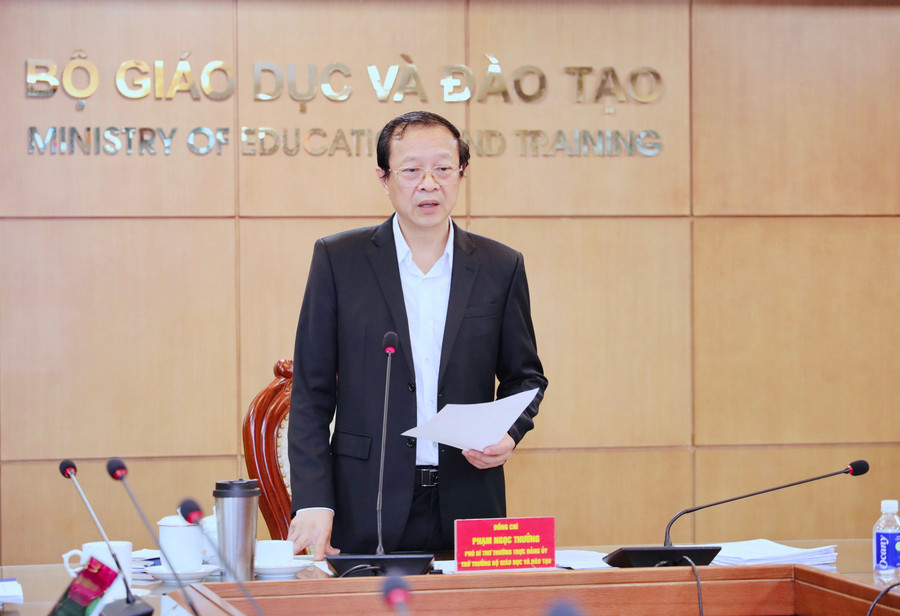
In his concluding remarks at the conference, Deputy Minister Pham Ngoc Thuong emphasized that reviewing and reorganizing the network of educational institutions is a regular task that has been implemented since the Central Committee's Resolution No. 18, and has become even more urgent in the context of implementing the two-tiered local government model and rearranging administrative boundaries according to the Central Committee's resolutions and conclusions.
Deputy Minister Pham Ngoc Thuong noted that reorganizing the school network is not about mechanical reduction, nor is it about chasing after a reduction in the number of schools or school branches. The highest goal is to improve the quality of education, ensure students' right to education, and improve teachers' teaching conditions.
Schools that are scattered, small-scale, or no longer suitable should be reorganized or merged; conversely, schools with large numbers of students exceeding the standard should consider splitting them up and building new schools, ensuring compliance with class sizes, school safety, and educational principles.
Deputy Minister Pham Ngoc Thuong emphasized three overarching requirements in reviewing and reorganizing the network of educational institutions: sufficient schools, sufficient classrooms, and sufficient teachers, but these must be reasonable and appropriate to the practical conditions of each locality. The reorganization must meet the goals of universal education, especially universal preschool education for children aged 3 to 5, and compulsory education at the primary and lower secondary levels. Along with this, the organization of schools and classes must adhere to the principles of education and contribute to improving the quality of teaching and learning.
In addition, Deputy Minister Pham Ngoc Thuong requested that localities strictly implement current regulations on school standards, facilities, and teaching staff.
Regarding implementation, the Deputy Minister requested the Department of Education and Training to play a core role, proactively guiding and urging communes and wards to develop restructuring plans; closely coordinating with the Department of Home Affairs, the Department of Finance, and relevant sectors to advise the Provincial People's Committee on building a suitable roadmap that does not disrupt educational activities. For matters falling under the authority of the local government, the local government should proactively review, propose, and take responsibility for implementation.
Permanent Deputy Minister Pham Ngoc Thuong requested that specialized units of the Ministry of Education and Training continue to research and review the completion of standards on schools, teaching staff, and student numbers according to new conditions; and at the same time, compile the infrastructure investment needs of localities as a basis for advising on the allocation of resources from the medium-term public investment plan and national target programs.
Source: https://giaoducthoidai.vn/sap-xep-mang-luoi-truong-lop-can-duoc-thuc-hien-than-trong-co-lo-trinh-post761201.html


![[Photo] Prime Minister Pham Minh Chinh attends the Conference on the Implementation of Tasks for 2026 of the Industry and Trade Sector](/_next/image?url=https%3A%2F%2Fvphoto.vietnam.vn%2Fthumb%2F1200x675%2Fvietnam%2Fresource%2FIMAGE%2F2025%2F12%2F19%2F1766159500458_ndo_br_shared31-jpg.webp&w=3840&q=75)
















































































Comment (0)