

At the World Cup, the cameras aren't just focused on the pitch. Sometimes, a wave from the stands, a striking outfit, a hug after a match, or even a picture of a child wearing their father's jersey is enough to cause a stir on social media. That's the world of WAGs, the term the media uses for the wives and girlfriends of famous players.
But what do WAGs actually do at the World Cup? The answer is much more interesting than the familiar image: dressing stylishly, sitting in VIP seats, and cheering.
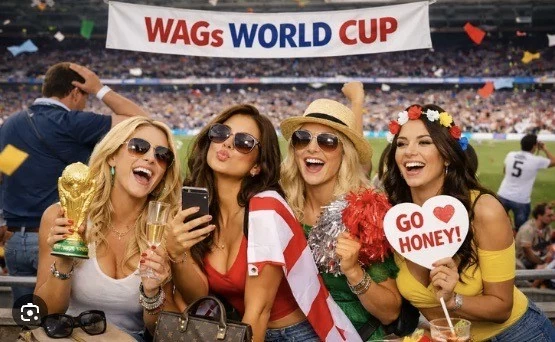 |
| WAGs don't just sit in the stands waving to the cameras. |
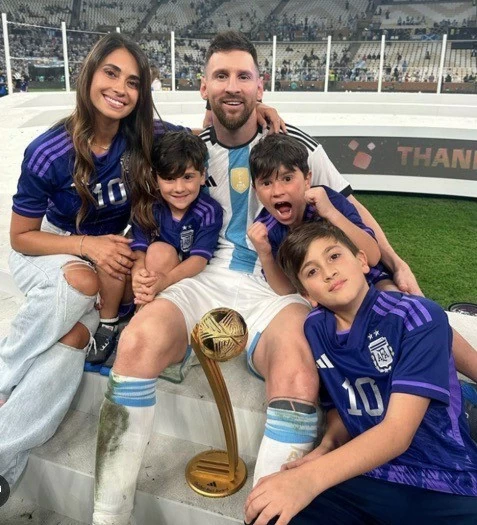
First and foremost, they are the "mobile support system." For many players, the World Cup is the most stressful tournament of their careers. A pre-match message, a meal with family after training, or the presence of loved ones in the stands can help players maintain their mental balance. In Qatar 2022, the image of Lionel Messi celebrating the championship with Antonela Roccuzzo and their children became one of the most emotional moments of the tournament. It wasn't just a victory for a superstar, but also a moment when the family made football history.
WAGs are therefore more than just "partners in crime." They are an integral part of the lives of stars who are often viewed through the lens of achievement. When the players win, they share the joy. When the players lose, they witness the most difficult moments behind the scenes.
But WAGs are also true "media personalities." Georgina Rodríguez, Cristiano Ronaldo's partner, attracts attention every time she appears, like a small fashion event. Antonela Roccuzzo, on the other hand, creates a different kind of buzz: discreet, family-oriented, less flamboyant, yet always sought after by the media. This contrast makes the world of WAGs a fascinating "side stage" alongside the football pitch.
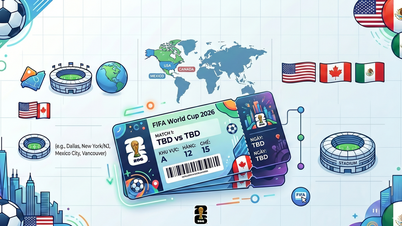
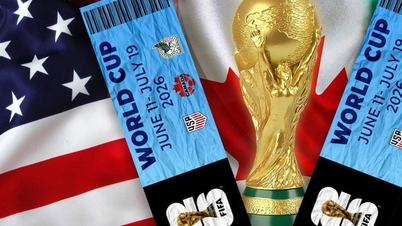
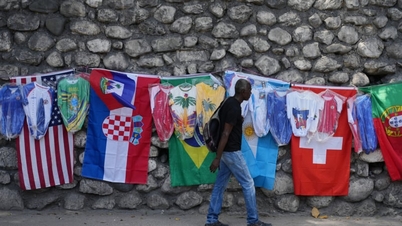
The 2026 World Cup could make that stage even bigger. It will be the first World Cup to be held in three countries – Canada, Mexico, and the United States – with 48 teams and 104 matches. This expanded scale means a longer journey for the teams, players' families, and fans, with more stops and more behind-the-scenes stories.
 |
For WAGs, it's not just about buying tickets and showing up in the stands. They may have to plan travel across multiple cities, adapt to time zones, climates, security, and a packed training and match schedule. A World Cup day can begin with taking care of the children, taking the family sightseeing, preparing their outfits for the match, and then after the game, facing a range of emotions: celebrating a win, comforting a loss, and anxiously awaiting the next match after a draw.
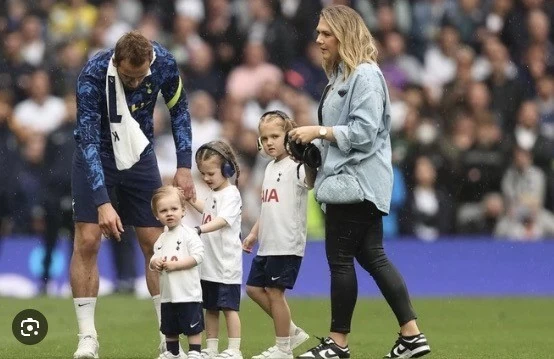
Some choose to make a dazzling appearance, turning the stands into a mini fashion runway. Others maintain distance, limiting media attention and only appearing in necessary moments. Kate Kane, wife of Harry Kane, is often cited as a model of a steadfast, unpretentious support system. Meanwhile, younger WAGs like Sasha Attwood and Tolami Benson are more familiar with social media, fashion, and modern personal image building.
In fact, the World Cup is also a place for WAGs to "build their brand." A photo in the stands, a bag, a hairstyle, a behind-the-scenes story can go viral quickly. For those who are already models, businesswomen, influencers, or artists, the tournament is an opportunity to expand their influence. But this also comes with pressure: every expression can be scrutinized, every clothing choice can become a topic of discussion.
 |
The history of WAGs (wives and girlfriends of footballers) at the World Cup once had a very noisy "golden age": Baden-Baden 2006. At that time, the WAGs of the England team, such as Victoria Beckham, Cheryl and Coleen Rooney, almost turned the German resort town into a media hotspot. They went shopping, attended parties, and appeared frequently in tabloids. From then on, the concept of WAG became part of popular football culture.
But today's WAGs are very different. They are more cautious, better at controlling their image, and don't want to be seen merely as "accessories" to their players. Many have their own careers, their own media teams, and their own brands. If the WAGs of 2006 were the era of paparazzi and tabloids, modern WAGs are the era of Instagram, TikTok, podcasts, fashion, and personal businesses.
What's most intriguing is that they also have "unwritten rules." You can't meet the players anytime. They can't appear at every match. Some teams manage family matters, hotels, and visitation times very strictly to avoid affecting their performance. Therefore, behind those glamorous photos lies a meticulously planned schedule.
At the 2026 World Cup, these "unwritten rules" may become even clearer. Because the tournament spans three countries, players' families may not follow the entire journey but instead choose to attend key matches. Some WAGs might only appear in the knockout rounds; others might accompany the players from the group stage to provide a sense of stability.
WAGs also contribute to the "softer color" of the World Cup. They bring the colors of the flag, jerseys, their children, families, and everyday emotions into an event that is inherently tactical and stressful. Thanks to them, the players are not just people running on the field, but also appear as husbands, fathers, and partners — more approachable and human.
 |
However, it's also important to be fair: WAGs shouldn't be solely responsible for wins and losses. Football used to blame the presence of a player's wife or girlfriend whenever the team lost. That perspective both oversimplifies football and is unfair to women. A team loses because of tactics, form, fitness, character, and many other factors—not because of a player's family members sitting in the stands.
Conversely, the presence of WAGs also helps bring the World Cup closer to the general public. Not everyone understands tactical formations or high-pressure pressing, but many are captivated by family stories, fashion, behind-the-scenes moments, and post-match highlights. That's why social media platforms often incorporate WAGs into their "World Cup content."
So, what do WAGs do when they go to the World Cup? They cheer, take care of their children, keep the players' spirits up, meet friends, manage their image, participate in sideline activities, build their brand, and sometimes become figures of attention no less than a football star.
At the 2026 World Cup, with football spanning three countries and millions of fans flocking to North America, the world of WAGs (wives and girlfriends of footballers) will undoubtedly receive even more attention. Not just because of their dresses or photos in the stands, but because they represent the very real behind-the-scenes world of football: where there's family, pressure, love, media, fame, and stories that never make it onto the scoresheet.
If the World Cup is the biggest stage in football, then the WAGs are the most colorful behind-the-scenes spectacle. And at the 2026 World Cup, that behind-the-scenes atmosphere could be even bigger, noisier, and more captivating than ever before.
Source: https://baoquocte.vn/sau-anh-den-san-co-cac-wag-lam-gi-khi-den-world-cup-396701.html
![[Image] Pleasant weather helps students enter the 10th grade entrance exam with confidence.](https://vphoto.vietnam.vn/thumb/1200x675/vietnam/resource/IMAGE/2026/05/29/1780034401612_ngay-1-thi-lop-10-minh-duy-8-5009-jpg.webp)



![[Photo] Ba Lang An Lighthouse - the "eye of the sea" amidst the "rock museum" of Quang Ngai province.](https://vphoto.vietnam.vn/thumb/1200x675/vietnam/resource/IMAGE/2026/05/29/1780038698840_anh-man-hinh-2026-05-29-luc-14-10-42.png)




























































Comment (0)