

For the Dao ethnic group, rituals and ceremonial folk songs are not only forms of folk culture but also contain the history of the ethnic group, beliefs, folk knowledge, customs, traditions, and lessons on morality. Due to the impact of modern life, the space for practicing these rituals has changed significantly. A segment of young people have limited opportunities to learn the Dao language, Dao Nôm script, ceremonial folk songs, and the regulations governing their religious practices. Along with the process of integration and cultural exchange, the preservation and transmission of traditional cultural values face numerous challenges.
In response to this situation, the Thai Nguyen University branch in Lao Cai province has implemented a project to preserve the rituals and ceremonial folk songs of the Dao people in Vietnam, with the participation of lecturers, researchers, students, provincial museum staff, experts from Hanoi , and especially artisans and those knowledgeable about Dao culture.
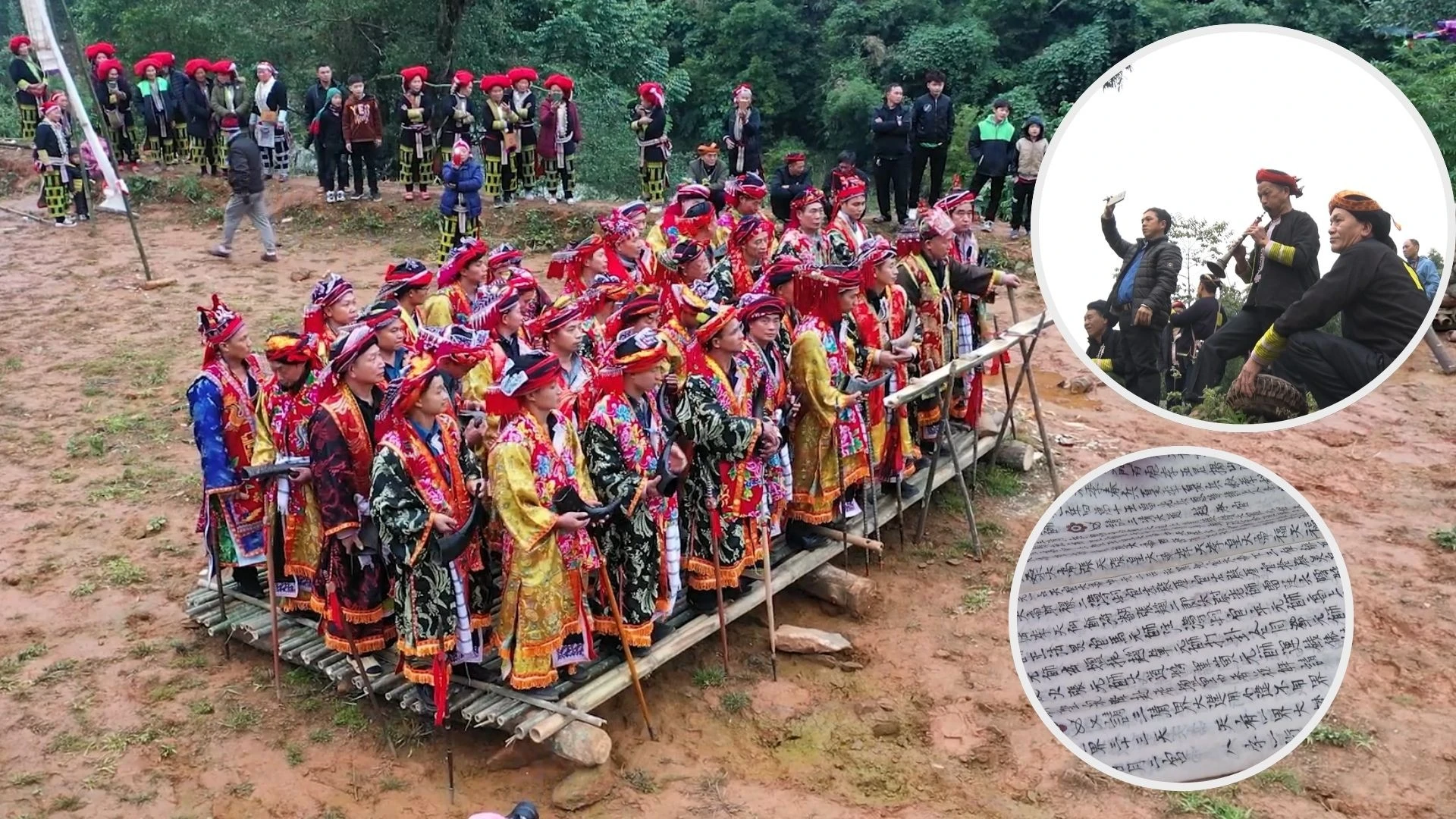
According to Dr. Dang Thi Oanh, Project Leader and Head of the Faculty of Economics and Tourism at the Thai Nguyen University branch in Lao Cai province, the rituals and ceremonial folk songs of the Dao people not only reflect their spiritual life and beliefs but also contain many historical, cultural, and folk knowledge values of the community. Besides research, collection, and preservation, the project places special emphasis on applying digital technology to preserve the documentation.
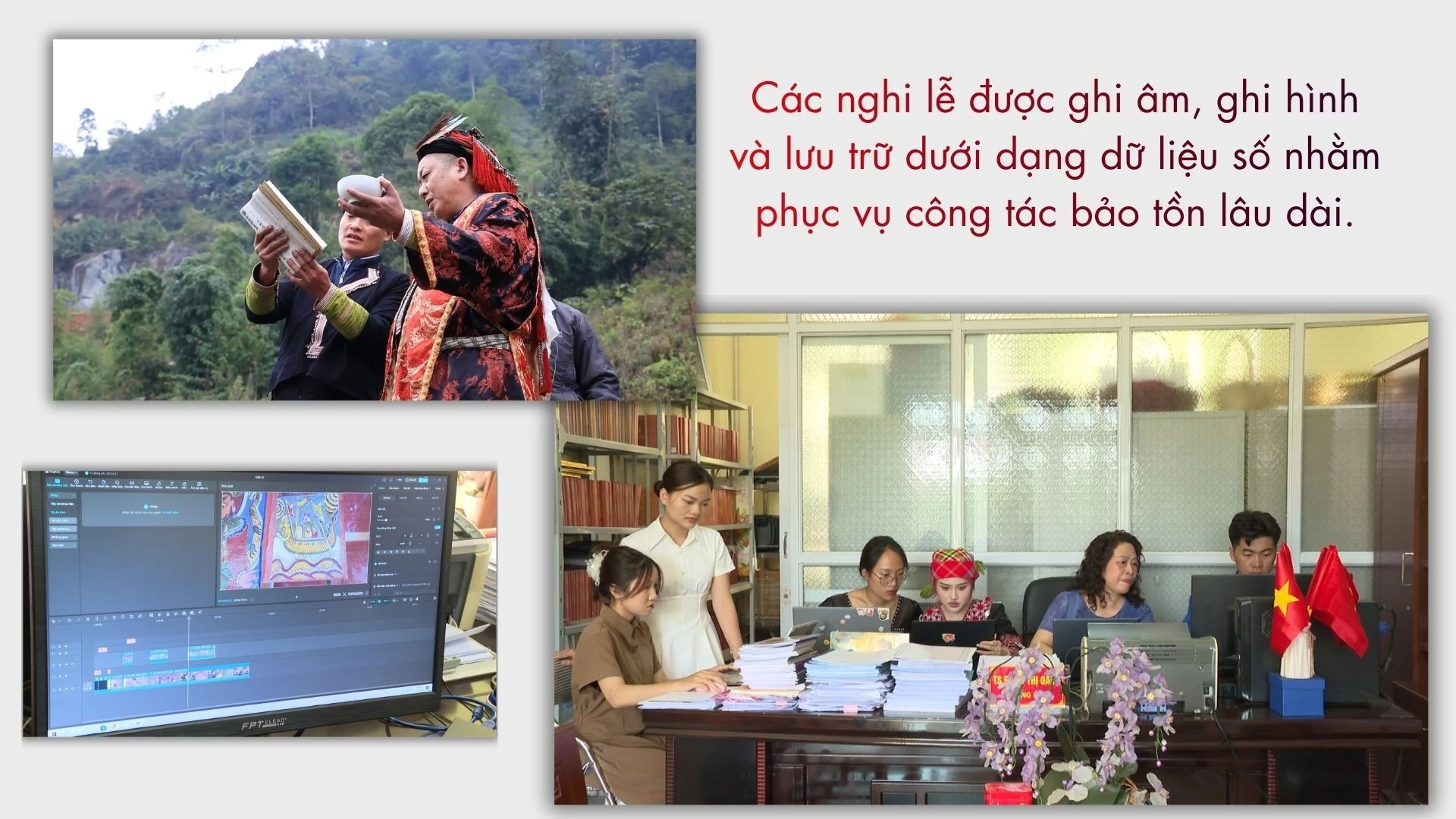
During the implementation process, digitization was identified as one of the key components of the project. The research team directly visited areas inhabited by the Dao ethnic group to meet with artisans and those knowledgeable about Dao culture, learn about rituals, and participate in cultural practices. From the collected materials through written notes, audio recordings, video recordings, and photographs, the team edited, systematized, and built a digital database; simultaneously, they stored and presented it on platforms such as websites, YouTube, and Fanpages to serve the preservation, research, and promotion of the traditional culture of the Dao people.
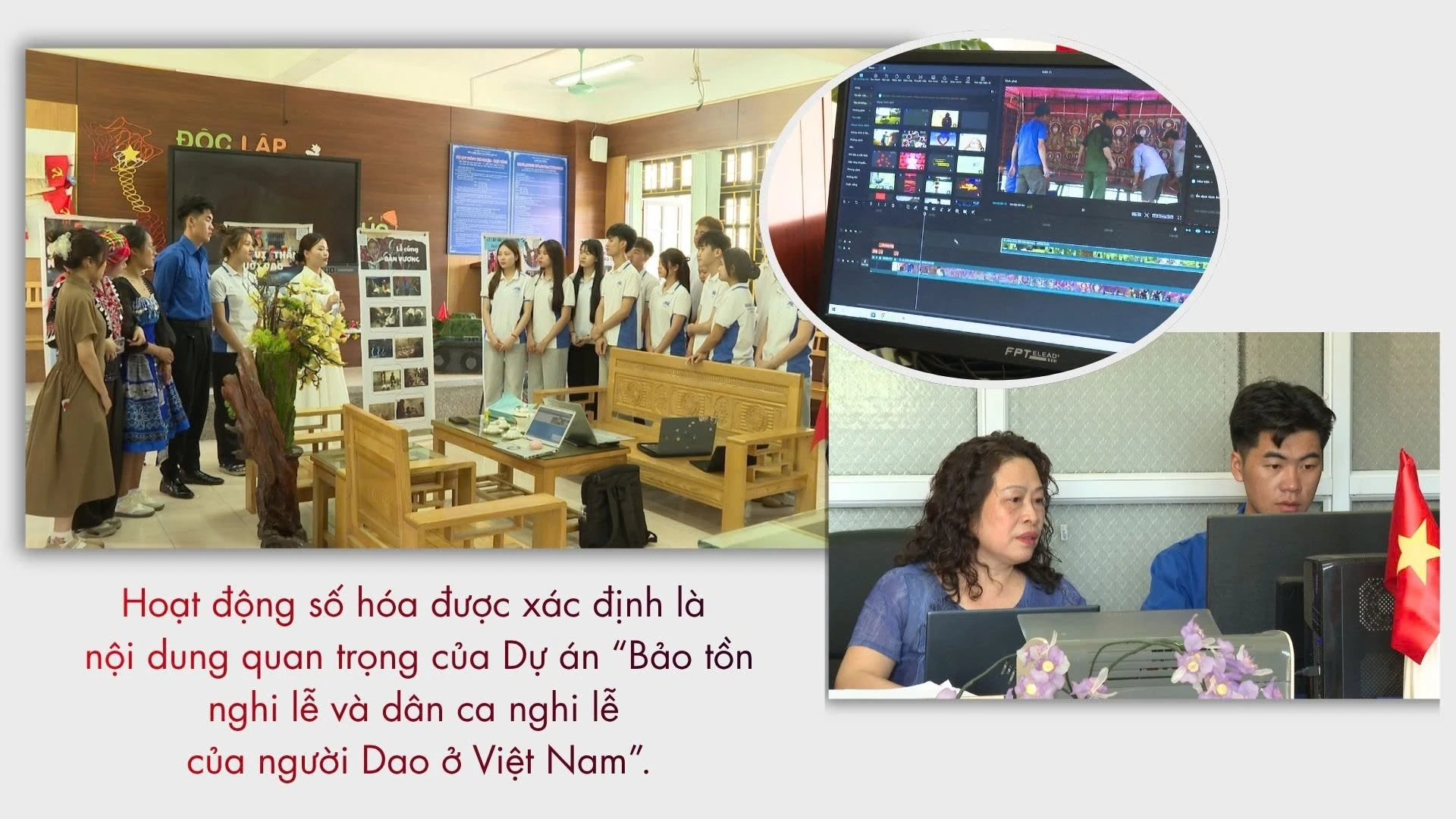
According to project members, the biggest challenge during the implementation process was the language barrier and the specific regulations within the ritual space. Each Dao ritual has its own sequence, taboos, and meaning. Those involved in filming and documenting had to research beforehand, respect the cultural subjects, and cooperate closely with the artisans to ensure authenticity.
Ms. Pham Thi Kim Anh, a lecturer in the Faculty of Economics and Tourism at the Thai Nguyen University branch in Lao Cai province, believes that digitized resources are being used effectively in teaching. For students in tourism and travel service management and digital economics, videos , images, and articles about rituals and ceremonial folk songs serve as visual learning materials, helping them access local culture through information that has been surveyed and compiled from real-world experiences.
Digital resources also expand access to heritage for the community. Previously, to witness a ceremony, people usually had to be present at the right time and place. Now, with just a smartphone or computer, anyone can review excerpts of the ceremony, learn about folk songs, and understand part of the cultural context and meaning of each ritual.
Artisan Tan Van Sieu from Ta Chai village, Ta Phin commune, said: “Many rituals and folk songs of the Dao people were previously mainly passed down orally, so if they weren't recorded and preserved in time, they would easily disappear. Now, recording and preserving the traditional prayers, folk songs, and rituals of the Dao people is very beneficial. Later generations will have materials to learn from and understand the culture of their ethnic group.”
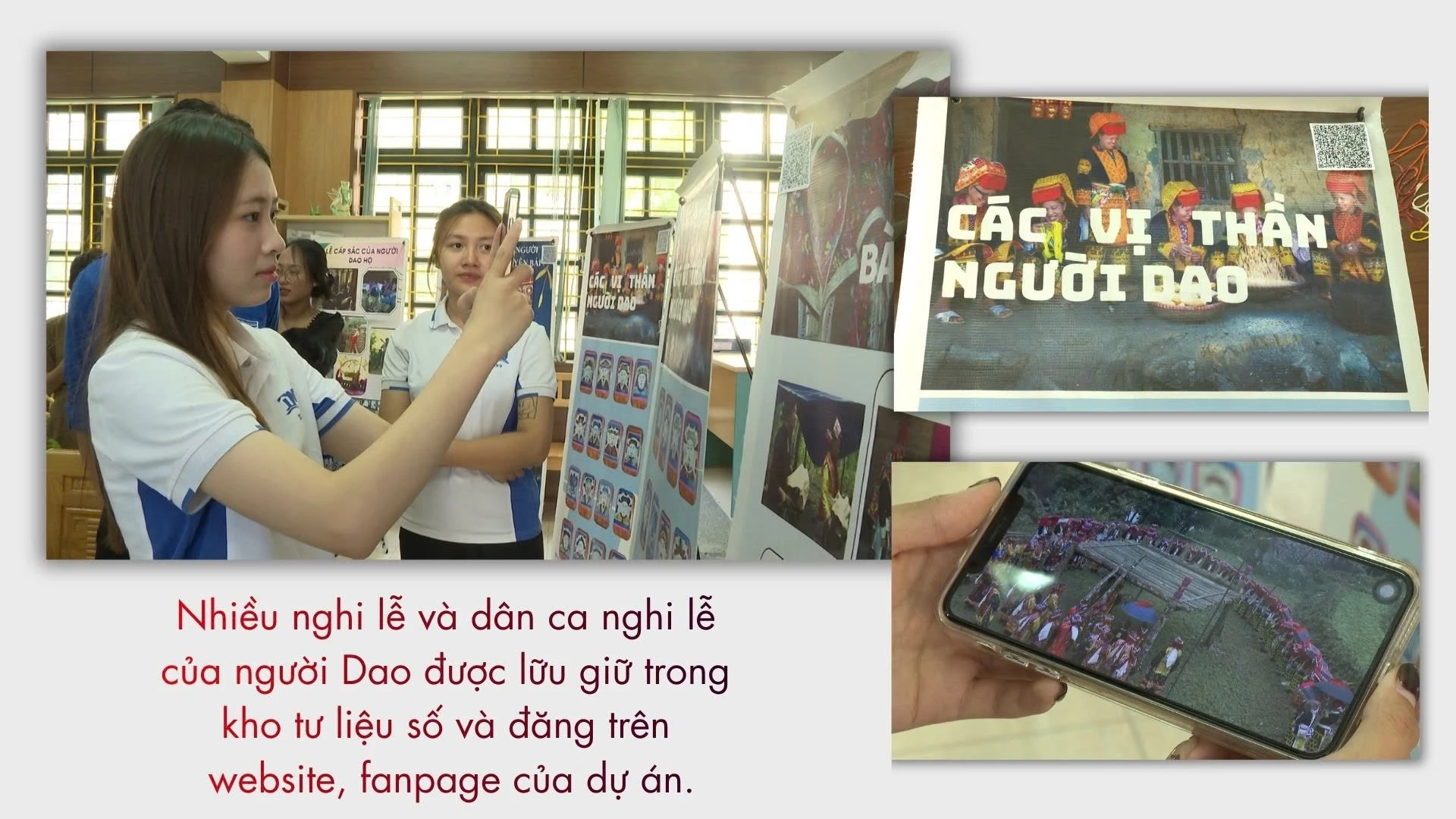
Implemented from 2023 to May 2026, the project has recorded, digitized, and edited 8 typical rituals of the Dao people; collected and developed 16 thematic materials; published 2 books on rituals and ritual folk songs of the Dao ethnic group; and also built a website, fanpage, and other digital platforms…
From a community perspective, digitalization does not replace traditional ritual spaces, but rather contributes to preserving cultural values that are at risk of disappearing. Through digital technology, many rituals, folk songs, and customs of the Dao people are systematically stored, making it easier for locals, researchers, and tourists to access and learn about them. This is also a suitable approach in the context of the current accelerated digital transformation.
The story of digitizing Dao culture demonstrates how technology can be applied to the preservation of cultural heritage of ethnic minorities in the province. To enhance the effectiveness of preservation and promote the value of heritage in the future, along with continuing to digitize documents, it is necessary to expand the application of technologies and artificial intelligence in archiving, performing, and promoting culture; and at the same time, strengthen human resources and technological infrastructure to bring traditional cultural values closer to the community.
Source: https://baolaocai.vn/so-hoa-trong-bao-ton-van-hoa-dan-toc-dao-post900337.html


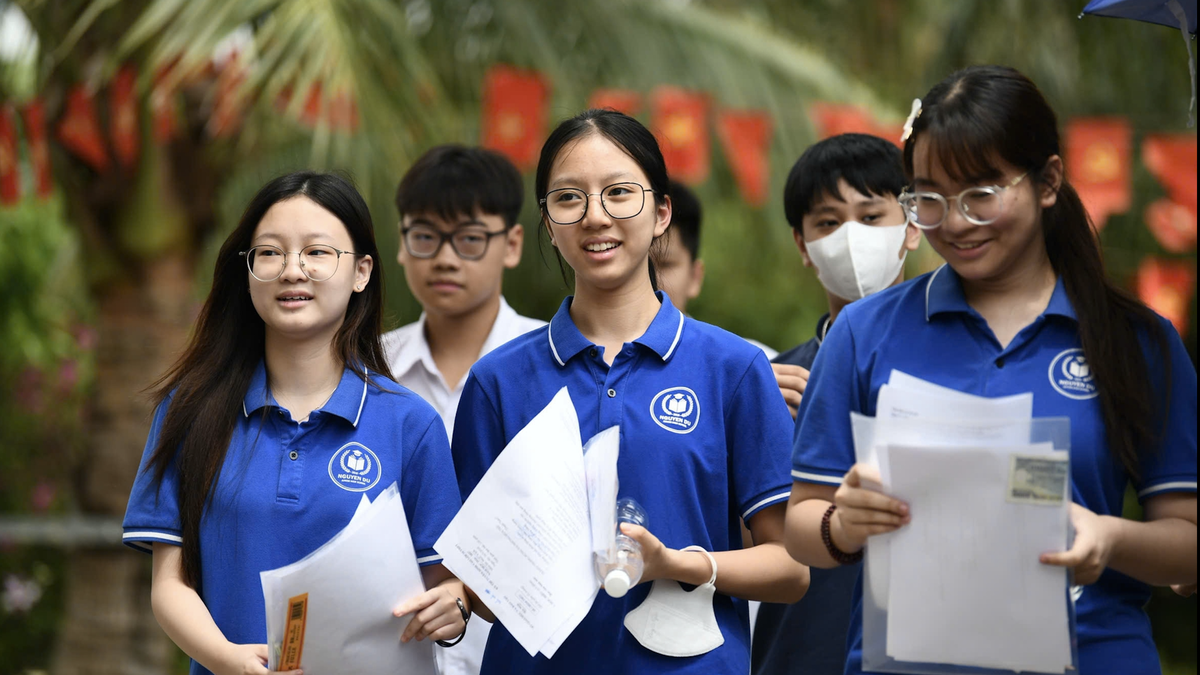
![[Image] Nearly 125,000 Hanoi students completed the Literature exam for the 10th grade entrance exam.](https://vphoto.vietnam.vn/thumb/1200x675/vietnam/resource/IMAGE/2026/05/30/1780117233041_ndo_br_thiet-ke-chua-co-ten-2-png.webp)




































































Comment (0)