

The recent trend of "high-tech blood filtration" has attracted much attention with advertisements claiming it can prevent cardiovascular disease, atherosclerosis, and stroke. However, this method carries many serious risks.
The recent trend of "high-tech blood filtration" has attracted much attention with advertisements claiming it can prevent cardiovascular disease, atherosclerosis, and stroke. However, this method carries many serious risks.
Recently, some medical facilities and social media sites have been promoting a trend of "super-tech blood purification" costing tens of millions of VND in just 2-3 hours, promising to prevent strokes, heart attacks, and even cancer. Advertisements claim this method can remove blood fat, inflammatory substances, heavy metals, bacteria, and prevent diseases such as diabetes, kidney failure, stroke, cerebral hemorrhage, heart attack, and cardiovascular disease.
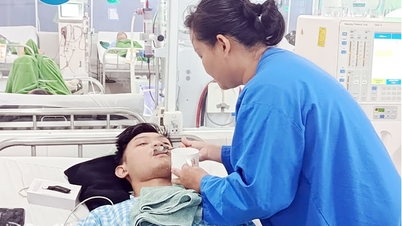
This blood filtration process involves drawing blood from the patient's vein, passing it through filters to separate the plasma and remove impurities. Once the plasma is clean, it is remixed with the blood and reintroduced into the body.
However, Associate Professor Pham Nguyen Vinh, Vice President of the Vietnam Cardiology Association, affirmed that there is no scientific basis to suggest that dialysis can prevent stroke or myocardial infarction. The main factors leading to myocardial infarction are atherosclerosis, hypertension, diabetes, smoking, and dyslipidemia, which accumulate over many years before causing the disease.
Atherosclerosis forms from plaque buildup of fat, cholesterol, calcium, and other substances from daily food intake. This is a natural aging process that begins in youth and continues throughout life. During dialysis, the filter cannot distinguish between good cholesterol (HDL) and bad cholesterol (LDL), so it may remove beneficial cholesterol as well, damaging the health of blood vessels and the cardiovascular system.
Furthermore, the dialysis process can also remove albumin—an important protein in the blood—along with electrolyte-disrupting substances, negatively impacting health. "Improper dialysis can lead to infections and other serious complications," Associate Professor Vinh warned.
Concurring with this view, Associate Professor Dr. Nguyen Lan Hieu, Director of Hanoi Medical University Hospital, warned that advertisements for "blood dialysis for detoxification" with low costs and short durations lack scientific basis. He affirmed that blood dialysis should only be prescribed when the patient has a specific diagnosis, such as kidney failure or acute pancreatitis.
Similarly, Dr. Nguyen Thi Minh Duc, Head of the Neurology Department (Tam Anh General Hospital, Ho Chi Minh City), affirmed that blood dialysis techniques cannot change risk factors, and therefore cannot prevent stroke and myocardial infarction.
Dialysis is only indicated when medical treatments are ineffective. "Incorrectly indicated dialysis can cause patients to waste money and suffer further health problems," Dr. Dung emphasized.
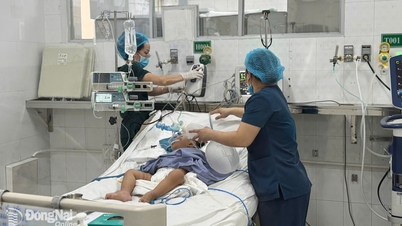
Hemodialysis is a complex technique that requires specialized medical facilities with modern equipment and a sterile environment.
According to experts, if dialysis is performed incorrectly, it can pose a risk of contracting diseases such as hepatitis B and C, or causing dangerous allergic reactions. Furthermore, this method is not covered by health insurance, so performing such therapies at unlicensed facilities is extremely risky.
Source: https://baodautu.vn/su-that-viec-loc-mau-ngua-benh-tim-mach-va-dot-quy-d253425.html


![[Photo] Prime Minister Pham Minh Chinh presides over a meeting on private sector economic development.](/_next/image?url=https%3A%2F%2Fvphoto.vietnam.vn%2Fthumb%2F1200x675%2Fvietnam%2Fresource%2FIMAGE%2F2025%2F12%2F20%2F1766237501876_thiet-ke-chua-co-ten-40-png.webp&w=3840&q=75)


























































































Comment (0)