

What is the bloodwort plant?
Cordyline terminalis, also known as Buddhist cordyline, iron tree (traditional medicine), Chong Deng (Tay), Co Truong Lau (Thai), Quyen Dien Ai (Dao), has the scientific name Cordyline terminalis Kunth.
There are two types of bloodwort: one with leaves that are red on both sides, and another with leaves that are red on one side and green on the other. Both types are used in medicine, but the type with leaves that are red on both sides is considered better.
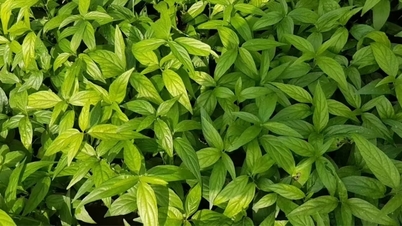
This plant is commonly grown as an ornamental, with a stem about the size of a finger, reaching a height of 1-2 meters. The leaves are sessile, narrow, and about 30 cm long. The flowers grow in long panicles. The fruit is a berry containing 1-2 seeds.
The health benefits of the bloodwort plant.
According to Dr. Nguyen Huy Hoang's article in the Health & Life newspaper, the bloodwort plant, due to its red color, is believed to enter the liver meridian – the organ responsible for storing blood.
This herb is renowned for its blood-cooling and hemostatic properties, helping to cool the blood, support hemostasis, reduce blood stasis, and alleviate pain caused by poor blood circulation or injury.
The leaves of the bloodwort plant are often used in traditional medicine to help improve conditions such as coughing up blood, nosebleeds, pulmonary tuberculosis, bloody stools, bleeding hemorrhoids, menorrhagia, postpartum hemorrhage, heavy menstrual bleeding, blood in urine, or bruising and swelling due to impact.
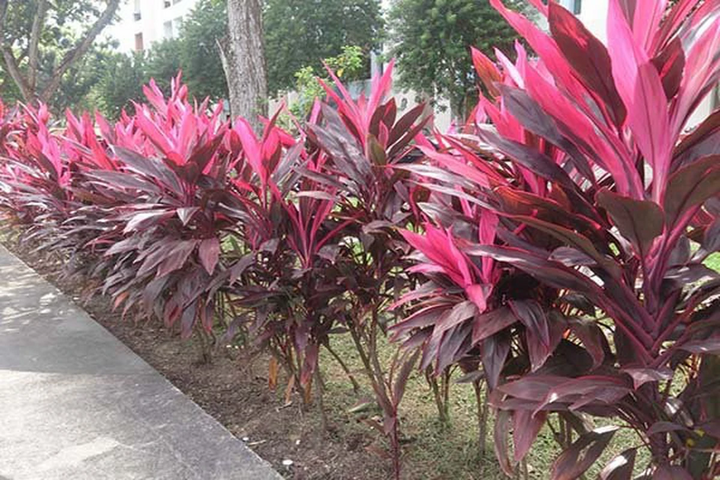
The bloodwort plant is well-known for its blood-cooling and hemostatic properties, helping to cool the blood and aid in stopping bleeding.
Is drinking fresh bloodwort leaf tea good for you?
Fresh bloodwort leaves can be brewed into a decoction and drunk in appropriate doses to help stop bleeding, reduce fever, and alleviate inflammation. However, it should not be used for prolonged periods or as a substitute for prescribed medication.
Additionally, bloodroot has the potential to support increased uterine contraction, protect the liver, and help lower blood lipids, and is being studied for its potential to support the treatment of certain cancers such as stomach cancer, lymphoma, and colon cancer.
Bloodroot is often used in various ways depending on each person's health condition.
Some common uses of the bloodwort plant.
Support to help improve the condition of subcutaneous bleeding:
30g of fresh bloodwort leaves, 20g of charred cypress, 20g of knotgrass. Boil these ingredients together and drink one dose per day, divided into 2-3 servings.
Treating coughing up blood, nosebleeds, and subcutaneous bleeding:
30g of fresh bloodwort leaves, 20g of charred cypress leaves, 20g of knotgrass, decoct and drink one dose per day, divided into 2-3 portions.
Treating coughing up blood:
10g of bloodwort leaves, 8g of fan-shaped root, 4g of charred cypress leaves, 4g of purple basil leaves, all dried, decocted and drunk once a day, divided into 2-3 doses.
Treating various types of bleeding (including uterine bleeding and bloody diarrhea):
Use 40-50g of fresh bloodwort leaves (if using dried leaves or flowers, use only half the amount of fresh leaves), decoct and drink one dose per day, divided into 2-3 portions. Do not use for women after abortion or retained placenta.
Treats leucorrhea, vaginal discharge, dysentery, menorrhagia, gastritis, enteritis, internal hemorrhoids, and bleeding anal ulcers.
40g of fresh bloodwort, 20g of kalanchoe leaves (burn plant leaves), 20g of red mulberry leaves (ban leaves), decoct and drink one dose per day, divided into 2-3 portions.
Supports the treatment of wounds or rheumatic pain:
Use 30g of bloodwort (including leaves, flowers, and roots) and 15g of dragon's blood resin, decoct and drink one dose per day, divided into 2-3 portions.
Treating menorrhagia and postpartum hemorrhage:
20g of fresh bloodwort leaves, 10g of cogon grass roots, 10g of mature loofah fibers, and 8g of ginger roots. Chop them finely, add 300ml of water, and decoct until only 100ml remains. Divide into two doses and drink twice a day.
Alternatively, take 20g of fresh bloodwort leaves, 10g of perilla branches, 10g of male betel nut flowers, and a small amount of hair (burned to charcoal), chop finely, mix well, stir-fry until golden brown, then decoct and drink one dose per day, divided into 2-3 portions.
Treating dysentery:
Take 20g of fresh bloodwort leaves, 12g of knotgrass, and 20g of centella asiatica, crush them together, add a little water, squeeze out the juice, and drink it twice a day.
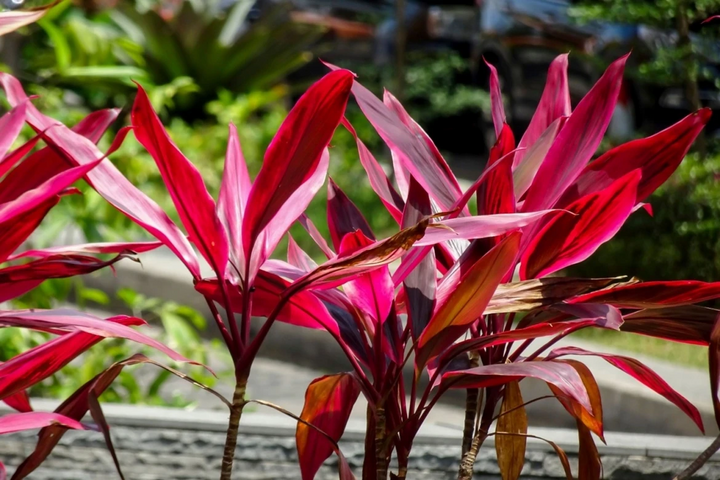
When using bloodwort leaves, it is best to use those that are red on both sides, as they contain a higher concentration of medicinal substances.
Notes on using the bloodwort plant
The bloodwort plant is a popular medicinal herb known and used by many to support health; however, it needs to be used correctly to ensure safety.
Pregnant women, breastfeeding mothers, or those undergoing medical treatment should consult their doctor before using this product regularly.
When using bloodwort leaves, it is best to use those that are red on both sides, as they contain a higher concentration of medicinal substances.
The bloodwort plant has many health benefits, but remedies made from it should not be overused as a substitute for medication. If unusual symptoms appear or the illness persists, it is necessary to go to a medical facility for examination and appropriate treatment.
Source: https://vtcnews.vn/tac-dung-cua-cay-huyet-du-it-nguoi-biet-ar1020683.html































































































Comment (0)