

From historical milestones to the need for innovation in cooperative relationships.
France and Kenya recently co-hosted the first-ever “Africa Forward” Summit in Nairobi, Kenya. This event was particularly significant as it was held outside the traditional Parisian French-speaking African region. The summit brought together numerous African heads of state, French President Emmanuel Macron, and representatives from international organizations to promote a shared development agenda, focusing on the economy , innovation, and investment cooperation.
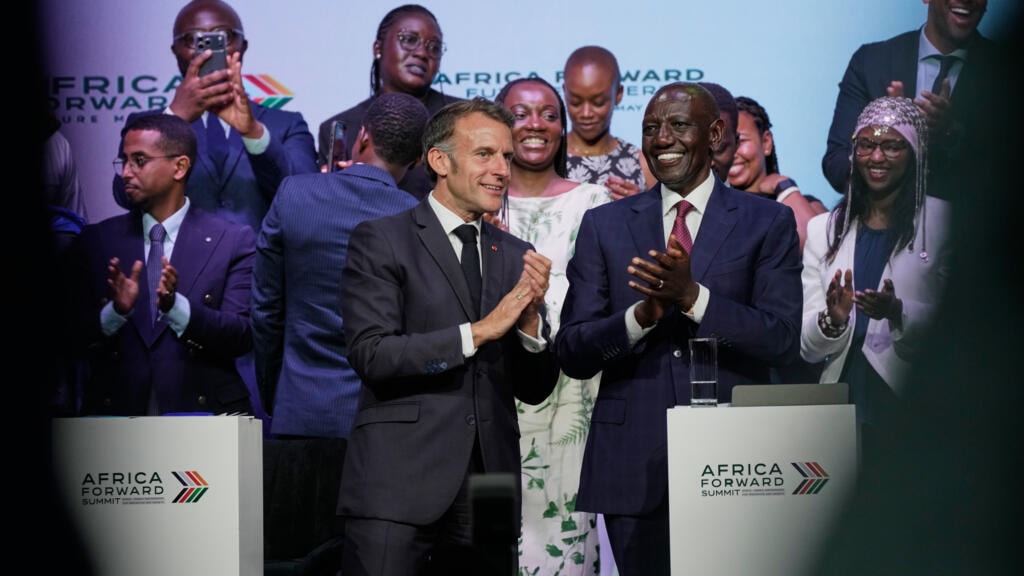
The key message emphasized at the conference was the need to build a cooperation model more suited to Africa's new development context. For many years, relations between France and African nations were primarily focused on defense and security. However, Paris is now moving towards an approach that places a greater emphasis on trade, technology, and economic connectivity.
French-African relations bear the deep historical imprint of the post-colonial era. After granting independence to most of its former colonies in the 1960s, France has maintained a close network of cooperation with many African nations, particularly in the areas of defense, training, and infrastructure development.
During the Cold War, France maintained a military presence in several African countries to secure its strategic interests and support regional stability. Bilateral defense cooperation agreements and a network of military bases stretching from West Africa to the Horn of Africa played a crucial role in Paris's foreign policy.
Alongside security cooperation, France also participates in training local military forces, supporting education , language development, and institutional development in many French-speaking African countries. This has helped maintain historical and cultural ties between the two sides for decades.
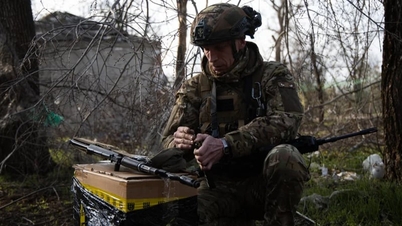
In the 2010s, as the security situation in the Sahel region became more complex, France continued to strengthen its military presence to support counter-terrorism efforts and ensure regional stability. Between 2013 and 2022, thousands of French soldiers, along with international forces, were deployed to several Sahel countries as part of the Serval and Barkhane operations.
However, with the changing international environment and Africa's new development needs, the approach based primarily on military cooperation is gradually revealing its limitations. Many African countries now prioritize economic development programs, digital transformation, infrastructure, and attracting foreign investment over traditional security cooperation models.
Expanding cooperation for development
In recent years, France has gradually adjusted its strategy in Africa towards reducing its military presence and strengthening economic cooperation. Since 2022, Paris has begun restructuring its network of bases and forces in the Sahel region as well as in many other African countries.
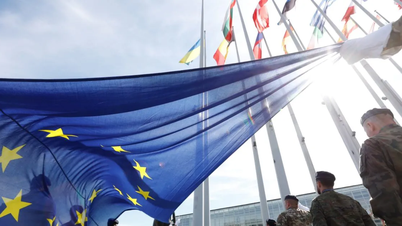
By 2025, the majority of French military bases in Senegal, Chad, Gabon, and Côte d'Ivoire will have been handed over to their respective countries. Paris's military presence on the continent now primarily consists of small-scale liaison and training support groups.
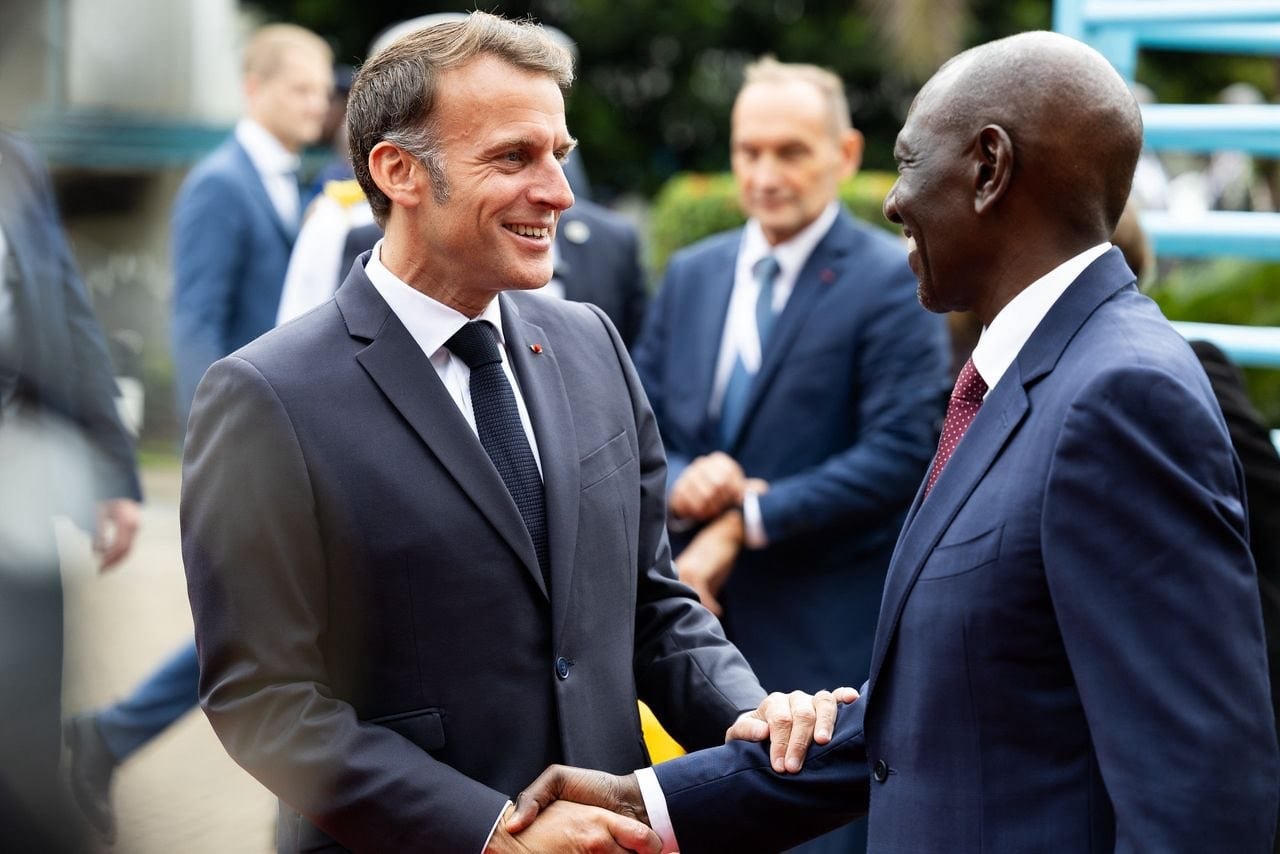
Parallel to this process, France established its Africa Command in Paris in 2024 to coordinate defense cooperation and maintain the ability to provide technical support when needed. France's only remaining major military base in Africa is currently located in Djibouti, with approximately 1,500 personnel.
This strategic adjustment shows that Paris is moving towards a more flexible cooperation model, reducing its reliance on direct military presence. President Emmanuel Macron has repeatedly emphasized his desire to build "equal partnerships" with African nations, while promoting areas of cooperation that have long-term value.
This trend also reflects shifts in priorities among many African nations. Amidst rapid urbanization, a growing young population, and increasing infrastructure development needs, African countries are now particularly interested in investing in technology, energy, logistics, and vocational education.
For France, this presents both a challenge and an opportunity. Over the past two decades, France's share of trade in Africa has declined significantly as many other international partners have increased their economic presence on the continent. Africa now accounts for only about 2% of France's total international trade.
Therefore, Paris is promoting a strategy of increasing investment and expanding cooperation with large, fast-growing economies in East and West Africa such as Kenya, Nigeria, Ethiopia, and South Africa. These are seen as markets with great potential in the fields of digital technology, renewable energy, urban infrastructure, and financial services.
Trade, technology, and investment have become the new focus.
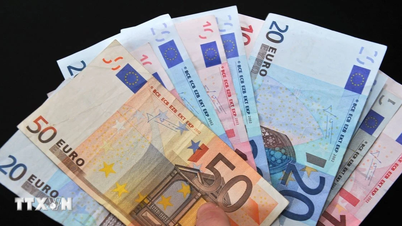
Observers noted that the "Africa Forward" conference in Nairobi clearly demonstrated France's new direction in its relations with Africa. Instead of emphasizing security issues, the conference agenda focused primarily on innovation, digital transformation, green development, and business cooperation. At the conference, several major French corporations announced significant investment plans in Africa totaling over 14 billion euros in the energy, artificial intelligence, infrastructure, and agriculture sectors.
Accordingly, telecommunications giant Orange announced it will double the number of digital centers in Africa from 50 to 100 to support digital skills training and promote the local technology ecosystem. Meanwhile, shipping company CMA CGM committed to investing in modernizing Kenya's Mombasa port to enhance logistics capabilities in East Africa.
Many other French companies are also expanding their presence in major African economies. The energy group TotalEnergies is preparing to launch new oil and gas projects in Nigeria. In Côte d'Ivoire, French companies are involved in the construction of the Abidjan metro system – one of the largest urban infrastructure projects in West Africa.
In Ethiopia, France is currently the third-largest investor in the retail, agriculture, and processing industries. These projects demonstrate Paris's priority on sectors with the potential to create lasting development impacts and foster deeper economic ties with Africa. Beyond investment, France is also strengthening cooperation in education, vocational training, and technology transfer. Programs supporting entrepreneurship, innovation, and skills development for African youth are becoming a prominent feature of Paris's new strategy.
However, observers also point out that the process of reshaping relations with Africa will not be easy, as France will face increasingly fierce competition from other major powers such as China, Turkey, Russia, and the Gulf states. At the same time, skepticism towards Paris in some African countries has not completely disappeared.
Despite the many challenges in international economic competition, the shift in focus from military presence to development cooperation is considered a suitable adjustment to the new trends in Africa. With a young population, high growth rate, and significant development needs, Africa continues to play an increasingly important role in the foreign policy and economic strategies of many countries, including France.
In this context, a cooperation model based on trade, technology, investment, and people-to-people exchanges is expected to usher in a new, more balanced and substantive phase in relations between France and African nations.
Source: https://daibieunhandan.vn/tai-dinh-hinh-quan-he-phap-phi-10417873.html
![[Photo] General Secretary and President To Lam receives Amazon's Senior Vice President David Zapolsky](https://vphoto.vietnam.vn/thumb/1200x675/vietnam/resource/IMAGE/2026/05/22/1779466547770_a1-bnd-3513-6601-jpg.webp)










































































Comment (0)