

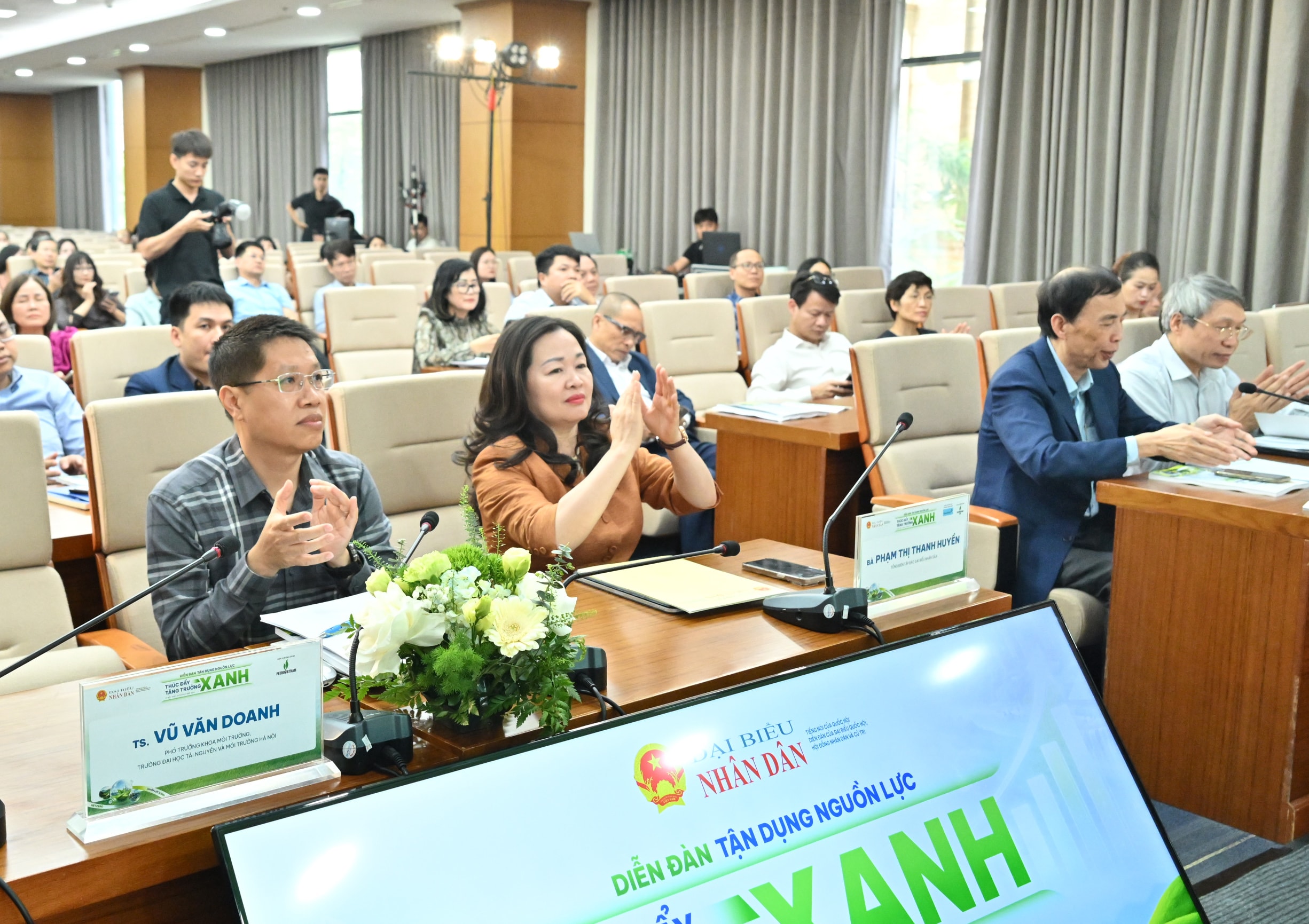
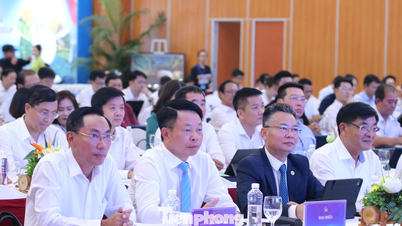
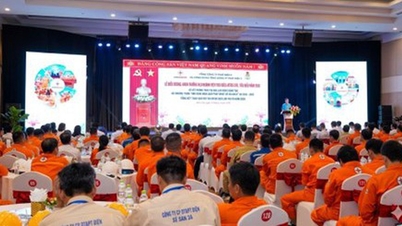
In her opening remarks, Editor-in-Chief of the People's Representatives Newspaper, Pham Thi Thanh Huyen, emphasized that, in the context of the country entering a new stage of development with higher demands on the quality of growth, competitiveness, and self-reliance of the economy , correctly identifying institutional, policy, and organizational "bottlenecks" is a prerequisite for realizing strategic goals.
The Resolution of the 14th National Congress of the Party identified the comprehensive improvement of development institutions as a strategic breakthrough to unlock resources. Resolution No. 66-NQ/TW of the Politburo also emphasized the need for strong innovation in the work of drafting and implementing laws, ensuring the consistency, feasibility, stability, and predictability of policies. These are important foundations for organizing the Forum.
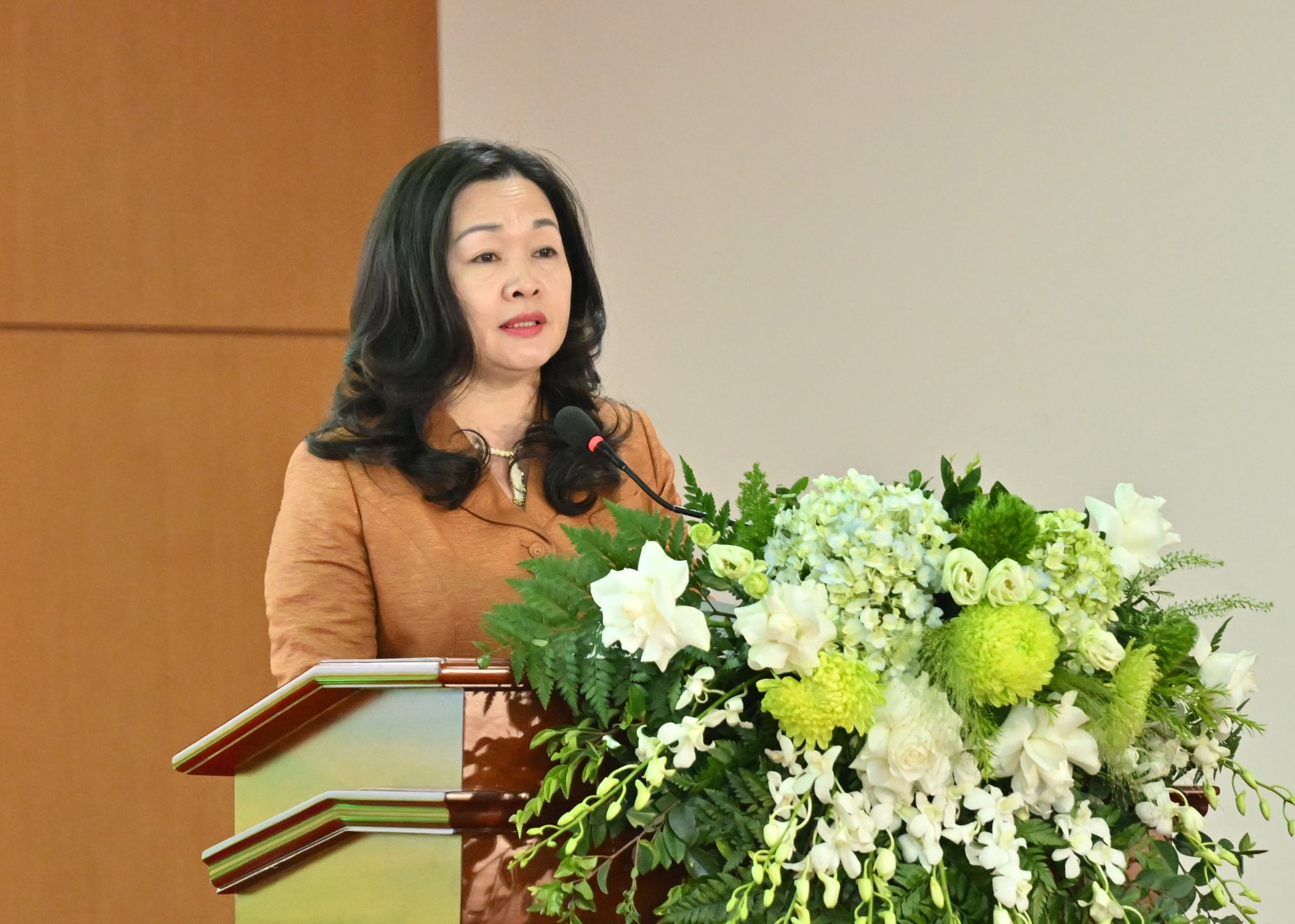
"The forum is not only a place for academic exchange, but more importantly, a policy space, a place to connect legislative thinking, management practices, and the needs of life, thereby forming valuable recommendations that can 'enter' the process of policy planning and refinement."
In that spirit, Editor-in-Chief Pham Thi Thanh Huyen suggested that the Forum focus its discussions on several key issues.
First and foremost, it is necessary to correctly identify the context and new development requirements, especially the structural changes in the economy in the digital age, green economy, and knowledge economy, thereby clarifying the issues facing the current policy system on green growth.
At the same time, it is necessary to frankly assess the current situation, not just focusing on the achievements but also deeply analyzing the limitations and shortcomings, especially the "bottlenecks" in institutions, coordination mechanisms, as well as the allocation and use of resources to promote green growth.
Furthermore, we propose groundbreaking and feasible solutions that prioritize: policies must truly pave the way and lead development; ensure stability while maintaining flexibility, fostering long-term confidence among economic actors; and closely integrate institutions, resources, and implementation, with human resources and technology as two key pillars.
"As General Secretary and President To Lam has repeatedly emphasized: 'Institutions must be one step ahead, must create space for development, transform potential into resources, and transform resources into driving forces.' That spirit is also the expectation set for today's Forum," said Editor-in-Chief Pham Thi Thanh Huyen.
Why should we promote green growth?
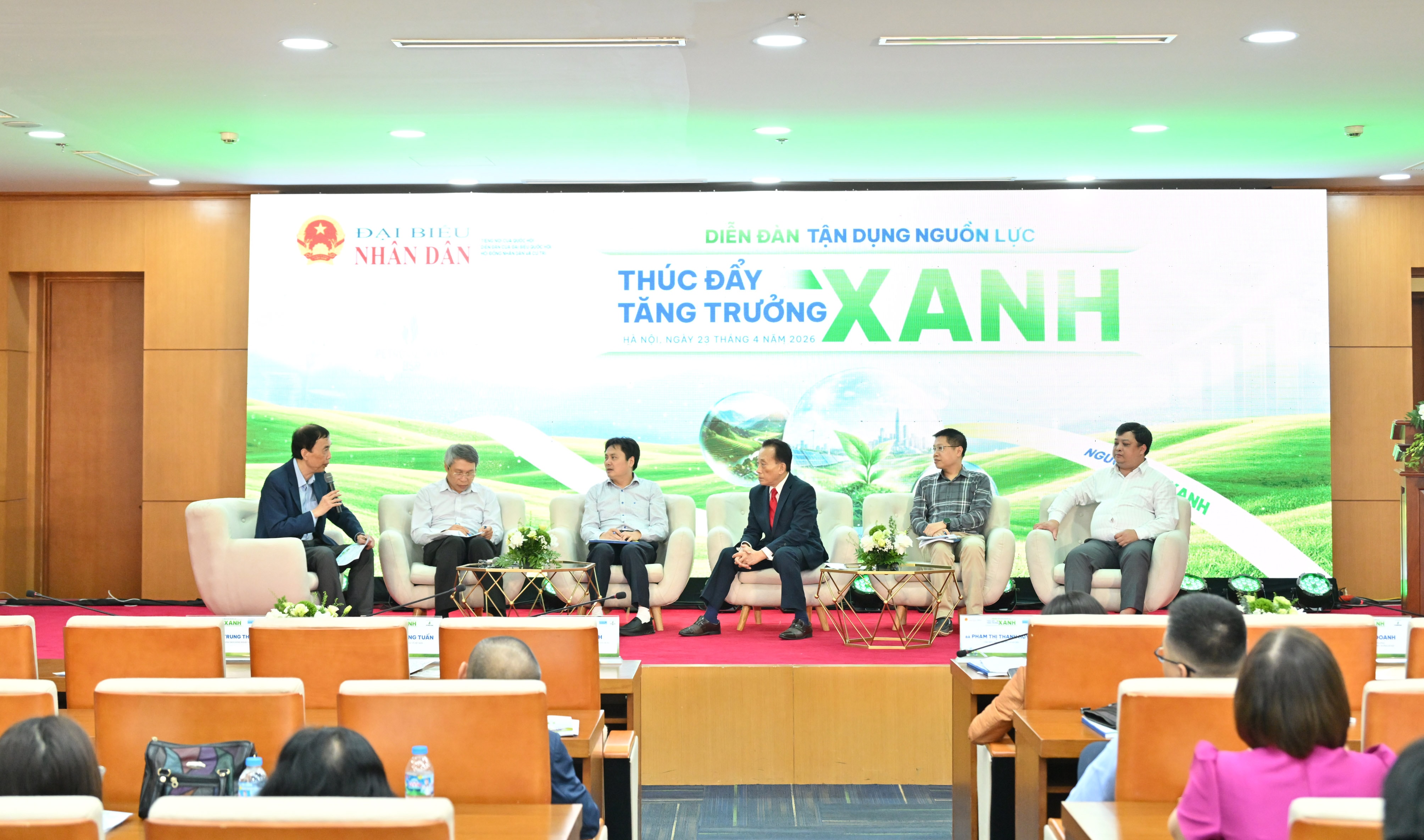
At the Forum, Associate Professor Bui Quang Tuan, Vice President of the Vietnam Economic Science Association, raised the question: why is it necessary to promote green growth in the current period?
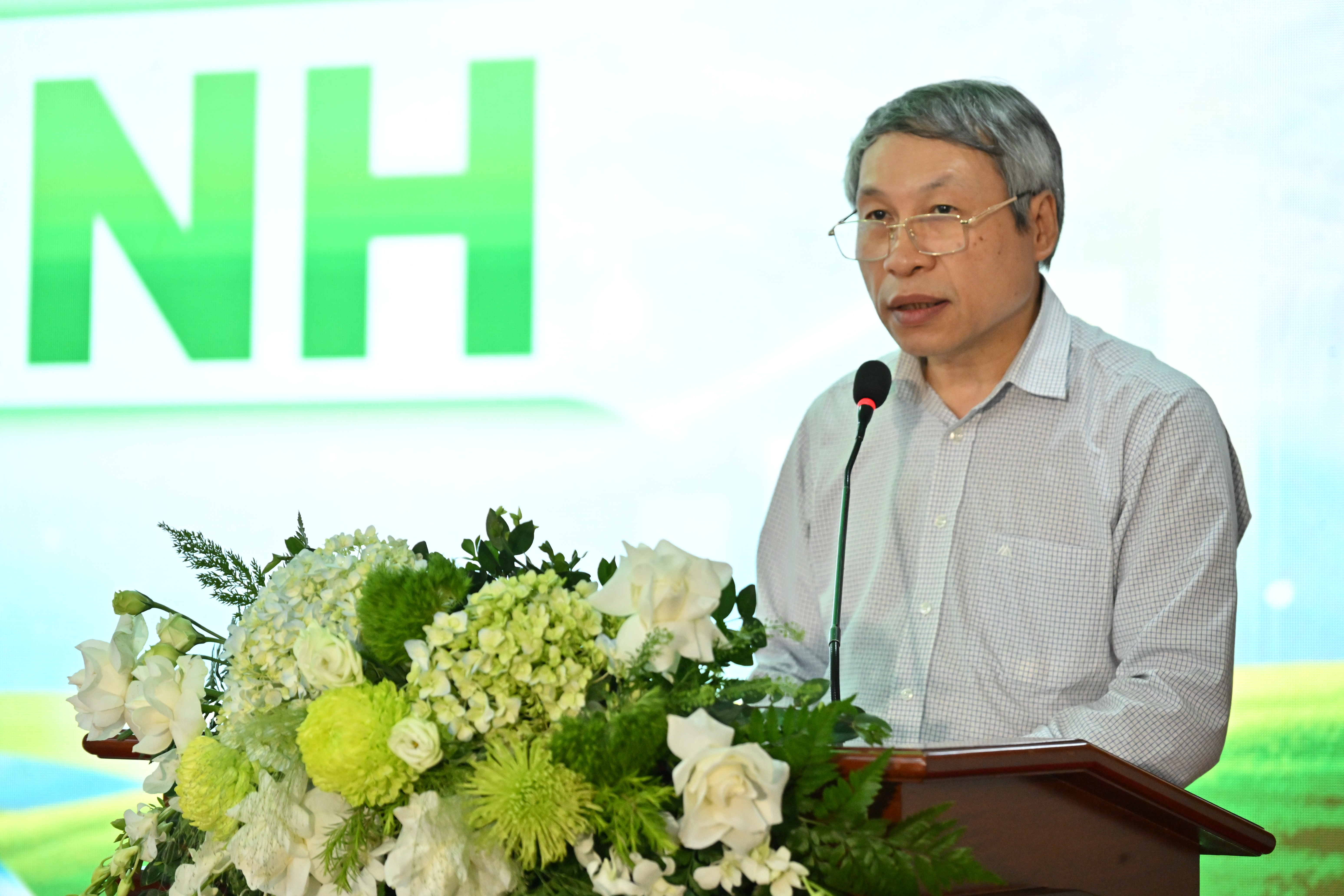
According to him, from a national perspective, the urgent need is to innovate the growth model, as the traditional model is clearly revealing its limitations such as dependence on fossil fuels, resource exploitation, and low-cost labor.
Furthermore, the international market landscape is changing rapidly. Importers are not only concerned with price and product quality but are increasingly demanding higher standards of sustainability, especially indicators related to carbon emissions. This forces businesses to proactively transition to green if they want to maintain and expand their markets.
Associate Professor Bui Quang Tuan emphasized that green growth is essentially a process of restructuring the way the economy creates value, shifting from a model based on resource exploitation to one based on efficiency, technology, and innovation.
According to him, to establish a new growth model, it is necessary to develop four green growth channels simultaneously: investment in energy and infrastructure, industrial upgrading, expansion of green finance, and increased resilience of the economy. The common thread among these channels is that they must all be based on science, technology, and digital transformation, thereby creating momentum for improved productivity and growth quality.
Associate Professor Bui Quang Tuan argues that, in order to genuinely promote green growth, it is necessary to form a synchronized ecosystem with the participation of many stakeholders, thereby creating comprehensive change.
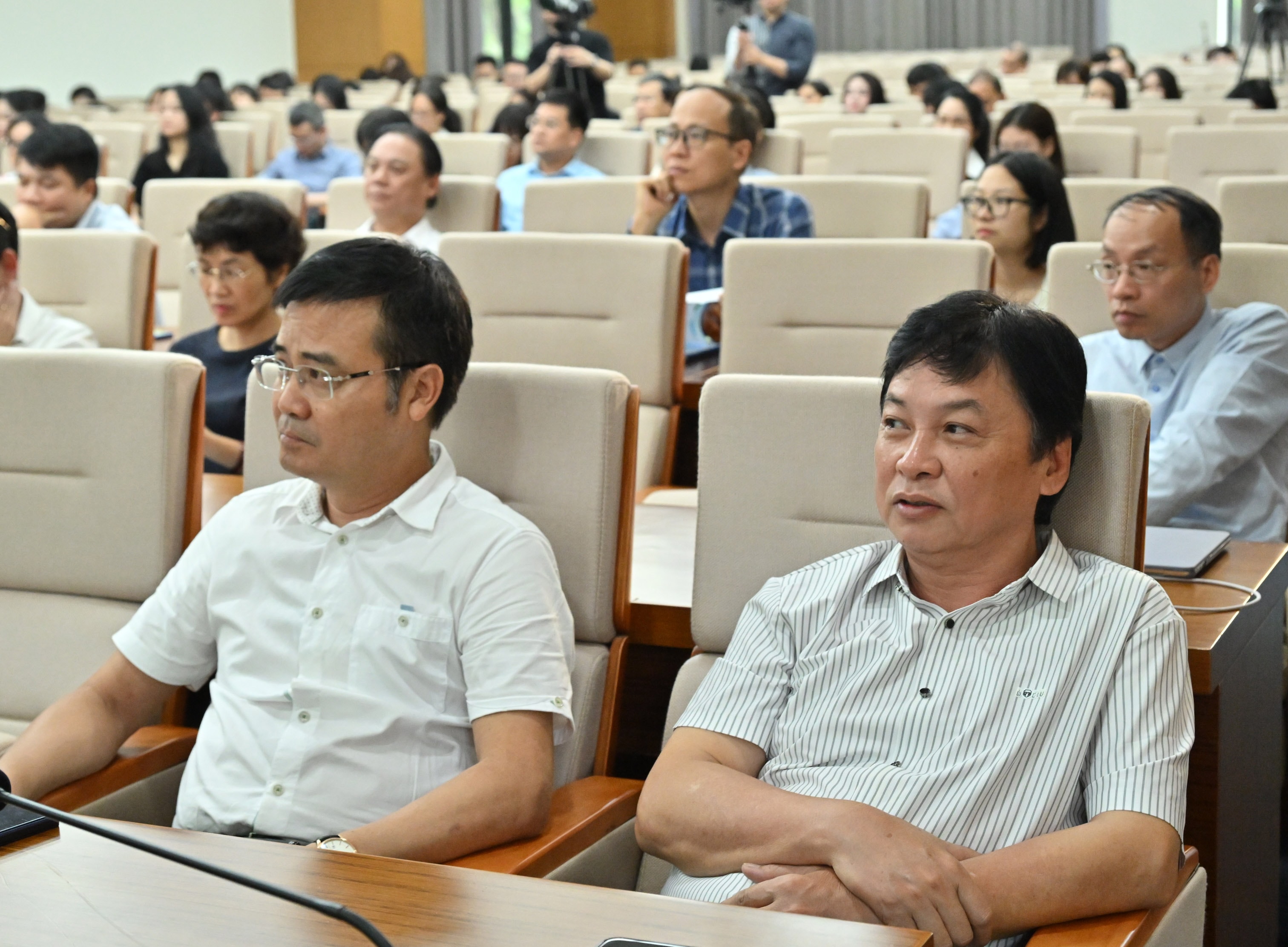
In this framework, the State – the institution playing a key role – is responsible for establishing a framework for the economy to operate in a green direction, while also creating conditions for businesses to access green capital, promote technological innovation, and facilitate digital transformation.
At the market level, it is necessary to promote the role of resource allocation through tools such as carbon pricing, thereby ensuring that resources are used efficiently according to market signals.
Businesses, as the third pillar, are identified as the center of the innovation process and should prioritize transformation in key sectors such as energy, industry, logistics, and agriculture.
Ultimately, through the formation of green lifestyles, the people and communities will create pressure and motivation for businesses to accelerate the greening of their production and business operations.
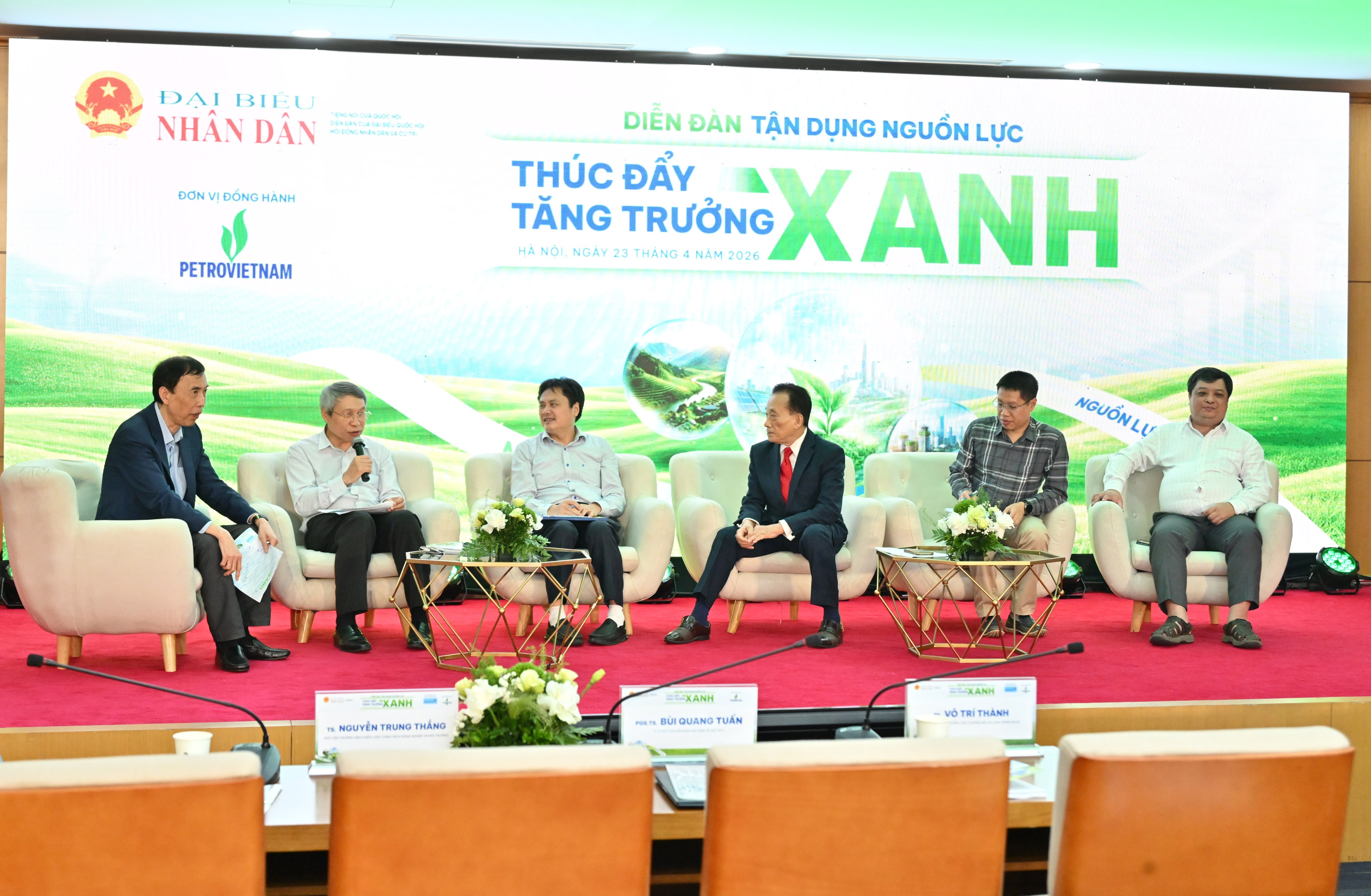
Many incentive mechanisms encourage businesses to transition to green.
According to Mr. Nguyen Trung Thang, Deputy Director of the Institute of Agricultural and Environmental Strategy and Policy (Ministry of Agriculture and Environment), the State has recently issued many preferential mechanisms to encourage businesses to transition to green, aiming for sustainable development.
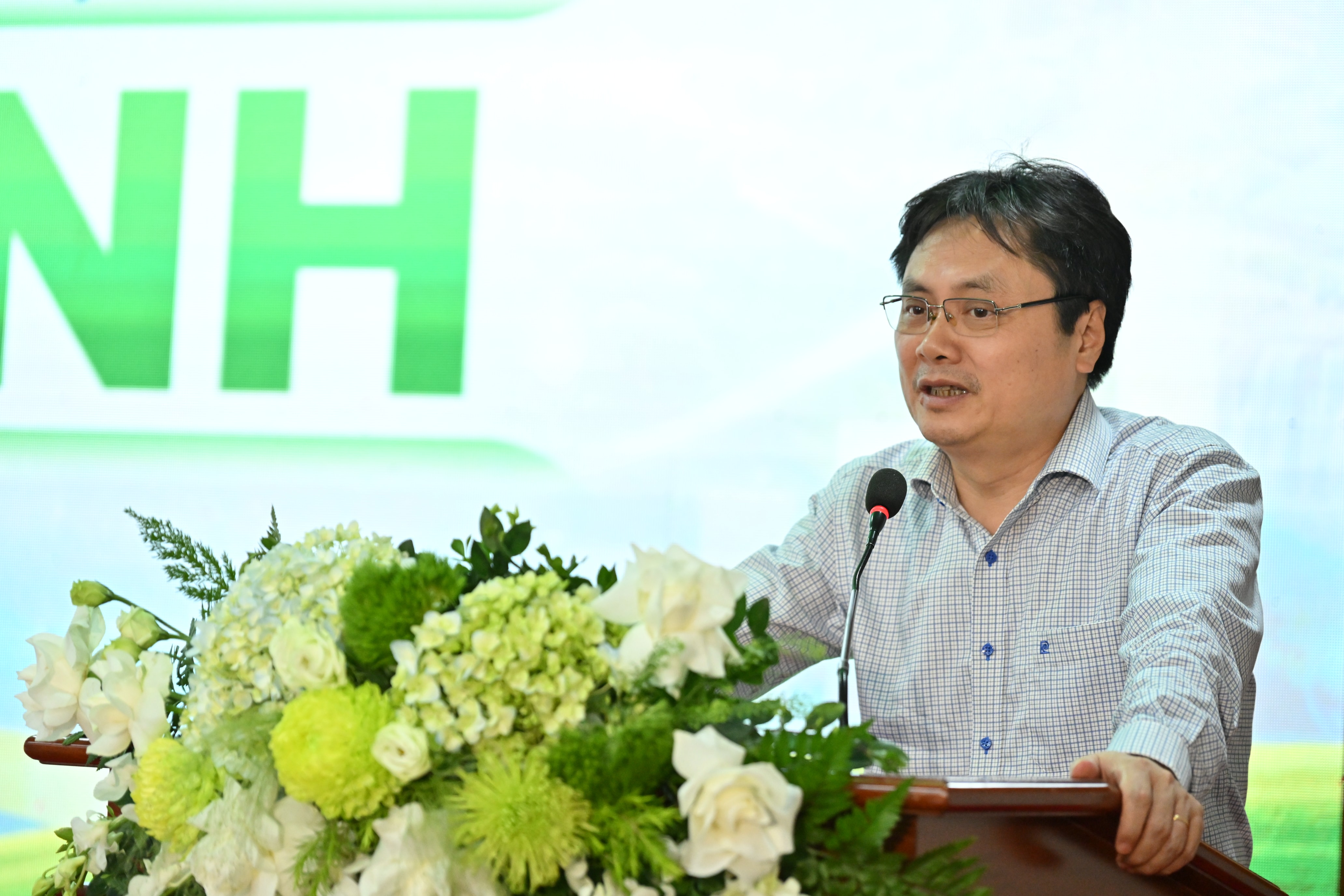
Specifically, environmental protection activities receive comprehensive support in terms of land, infrastructure, capital, and taxes.
The policy also encourages credit institutions to prioritize financing and lending with preferential terms to projects classified as green. These projects are facilitated access to funding from the Government, international organizations, and development partners, along with training programs on green credit.
Notably, Resolution 198/2025/QH15 of the National Assembly stipulates that private enterprises, business households, and individual businesses are eligible for a 2% annual interest rate subsidy when borrowing capital to implement green projects, circular economy projects, and apply environmental, social, and governance (ESG) standards.
In the field of public procurement, investment projects and tasks using state budget funds are prioritized for the use of products and services that meet the Vietnam Eco-label. This requirement is integrated into the contractor selection criteria, while also encouraging domestic and foreign organizations and individuals to promote green procurement, contributing to expanding the market for environmentally friendly products.
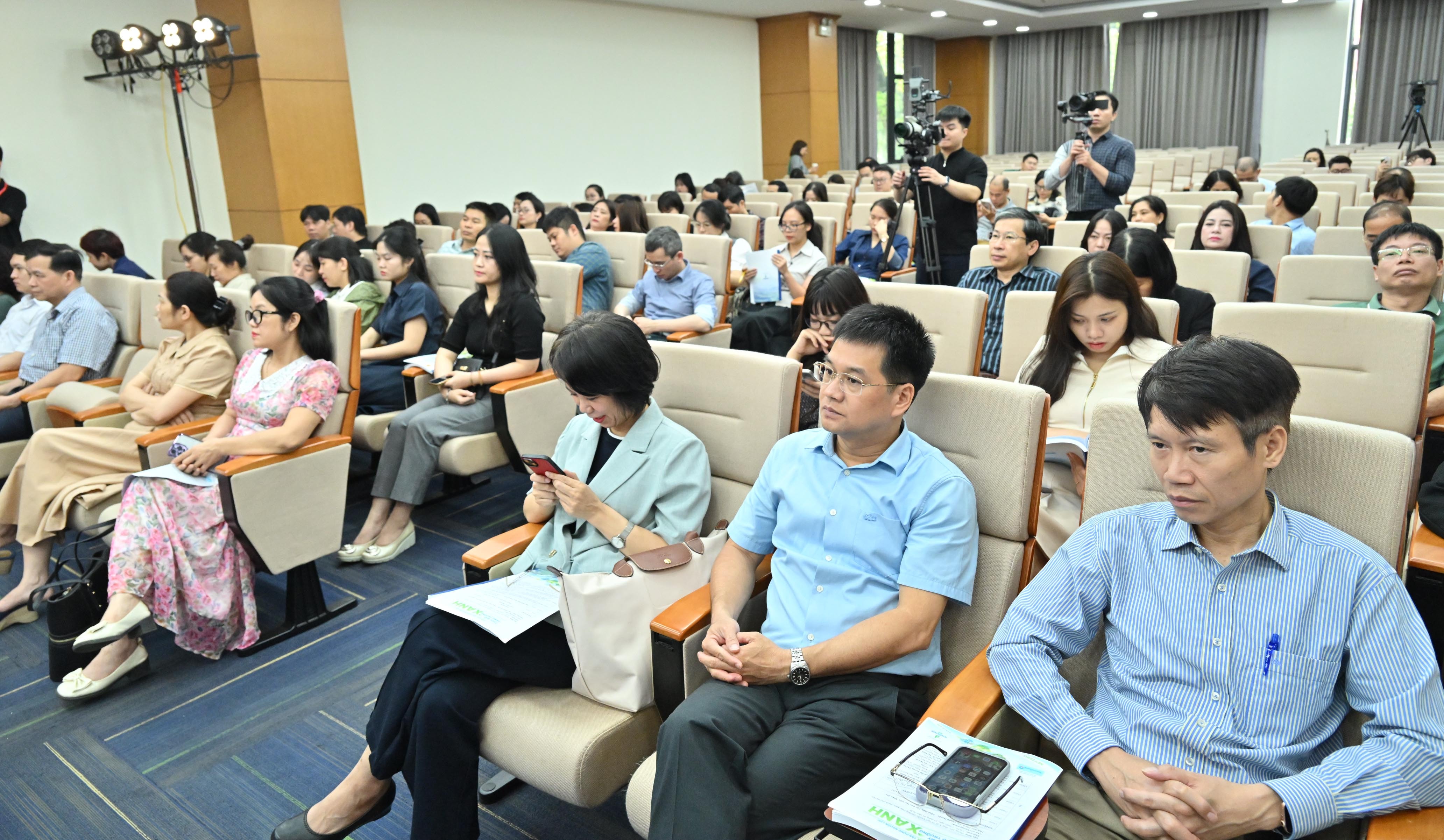
However, according to Mr. Thang, the implementation of mechanisms and policies still faces many obstacles. The system of guiding documents is incomplete and lacks synchronization across different areas such as green public procurement, green credit, green bonds, or mechanisms to support private enterprises.
Furthermore, administrative procedures and access to green financing remain complex. Databases and information on green projects are lacking; the capacity for certifying, monitoring, and evaluating green projects is limited, posing a risk of "pseudo-green" projects.
Furthermore, financial resources supporting environmental protection and green projects are still insufficient. On the business side, especially in the small and medium-sized enterprise (SME) sector, the capacity to absorb these resources is weak due to a lack of specialized personnel in ESG and MRV, limitations in capital scale, management capacity, and understanding of green classification criteria.
Regarding future solutions, Mr. Nguyen Trung Thang proposed focusing on removing bottlenecks in mechanisms and policies, including the early issuance and completion of guiding documents related to green public procurement, green credit, and policies supporting private enterprises.
Furthermore, it is necessary to simplify administrative procedures and improve access to incentives so that businesses can easily participate in the green transformation process. Building and perfecting databases and information systems on green projects is also considered an urgent requirement to enhance transparency and resource connectivity.
Mr. Thang also emphasized the need to strengthen international cooperation to mobilize green financial resources, while enhancing the capacity of stakeholders, including businesses, credit institutions, and units responsible for certifying and evaluating green projects.
The trend of green jobs is rapidly increasing.
Speaking at the Forum, Dr. Vu Van Doanh, Deputy Head of the Faculty of Environment, Hanoi University of Natural Resources and Environment, said that in the context of promoting green growth and sustainable development, developing environmental human resources is becoming an urgent requirement.
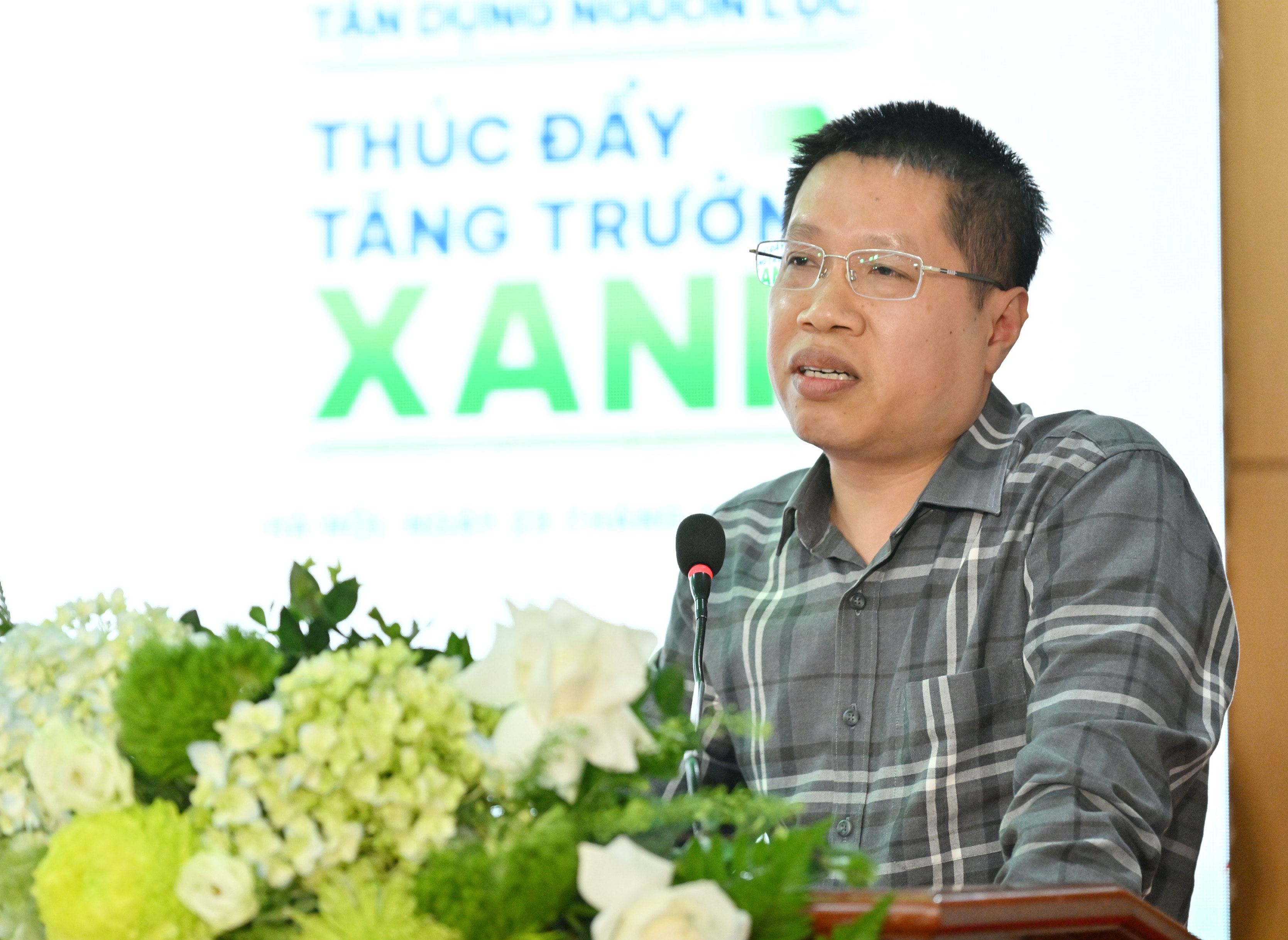
Citing the definition of the International Labour Organization (ILO), he argued that "green jobs" are sustainable jobs in all sectors such as agriculture, industry, services, or administration, that contribute to the conservation, restoration, and improvement of environmental quality.
According to World Bank data, green jobs currently account for only about 3.6% of total jobs in Vietnam across 39 sectors, but this is projected to increase to 41% across 88 sectors in the future.
Meanwhile, statistics from ManpowerGroup Vietnam for the period 2023-2024 show a rapidly increasing trend in green jobs, concentrated most heavily in the manufacturing sector (33%). Recruitment demand is driven by ESG commitments and the goal of net zero emissions by 2050, with over 80% of positions concentrated in four main sectors: manufacturing, healthcare - life sciences, energy, and information technology.
However, according to Mr. Doanh, the current workforce still does not meet the requirements. The training system lacks curricula on sustainable development; while there is an excess of graduates, they lack green skills. At the same time, the percentage of workers receiving training, professional development, and updated knowledge is low; the workforce does not fully cover all areas of the green economy.
To address this, he proposed effectively implementing Decision 176/QD-TTg on the Program to support labor market development until 2030 and orientation towards 2050. At the same time, he suggested further concretizing the Party's major policies on human resource development, such as the Central Committee resolutions related to reforming the growth model and sustainable development.
Another crucial solution is to closely link training, research, and business needs through a "training ordering" mechanism, strengthening cooperation between universities and businesses, and building strong research groups, thereby improving the quality of human resources serving the green transformation process.
Mr. Doanh also emphasized the need to increase the proportion of officials who receive training and regularly update their knowledge and skills in green practices.
Targets should be set for banks to increase the proportion of green credit.
According to Dr. Nguyen Tri Hieu, Director of the Institute for Research and Development of Global Financial and Real Estate Markets, despite progress over the past decade, tools such as green credit and green bonds are still relatively new in Vietnam.
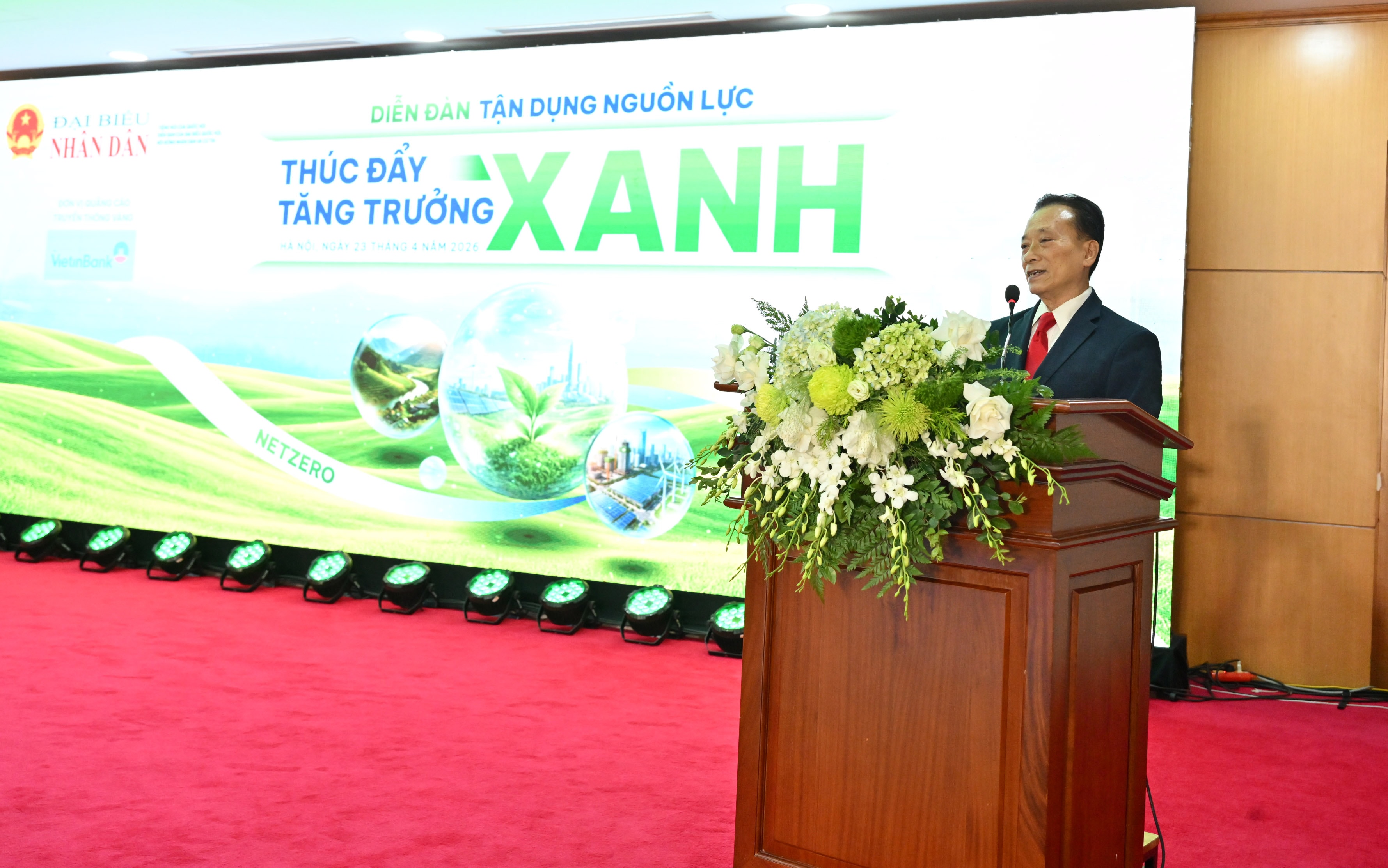
According to him, green finance is the process of mobilizing and allocating capital from banks, capital markets, investment funds, or insurance companies to projects that have a positive impact on the environment and society, aiming for sustainable development. The main areas financed include renewable energy (wind power, solar power), waste treatment, sustainable agriculture, and energy-efficient buildings. The green finance ecosystem currently includes green credit, green bonds, ESG-certified investments, and sustainable development funds.
In this context, green credit is considered the main channel. Green credit outstanding in Vietnam is projected to reach approximately VND 780,000 - 850,000 billion by the end of 2025, accounting for about 4.1% of the total outstanding loans in the entire economy. Despite its modest scale, the average growth rate in recent years has reached 20-25% per year, significantly higher than the overall credit growth of the system. The number of participating credit institutions has also increased sharply, from 15 in 2017 to 58 by the end of 2025.
Structurally, green credit is primarily concentrated in agriculture (30-33%) and renewable and clean energy (approximately 40%), while many sectors such as green transportation, green buildings, and the circular economy still lack funding. Notably, green credit is expanding into consumer sectors, such as loans for green homes, rooftop solar power, and environmentally friendly vehicles.
However, according to Mr. Hieu, green credit is facing numerous challenges. Liquidity pressure and regulations on the loan-to-deposit ratio are forcing banks to be cautious in granting credit. In the context of increasing capital demand in the economy, deposit interest rates tend to rise, leading to higher capital costs and narrowing the room for green credit.
Furthermore, green projects are characterized by long payback periods and low short-term profits, while also having to meet many new standards such as ESG or stringent international standards, creating additional pressure for both banks and businesses.
Based on this reality, Mr. Hieu suggested that the State Bank of Vietnam needs to provide stronger guidance, possibly by setting specific targets to increase the proportion of green credit to at least 5% of each bank's total outstanding loans, instead of relying entirely on voluntary participation.
Regarding green bonds, the scale is currently quite small, with a total outstanding debt of approximately VND 30 trillion (equivalent to USD 1.2 billion), accounting for about 2% of the bond market. Although there are some issuers such as local governments and large enterprises, the number remains limited.
According to Mr. Hieu, the main reason is that green bonds typically have long maturities (5-15 years) and high risks, while green projects do not generate quick cash flow, leading investors to demand high interest rates. In addition, many bonds lack collateral and depend on the project's cash flow, further increasing market caution.
He noted that, in the coming period, green bonds will be more suitable for large-scale enterprises, especially state-owned enterprises. However, with policy support and increased market awareness, both green credit and green bonds still have significant room for development in the future.
Digital transformation to optimize energy efficiency in businesses.
Sharing his views on the topic of "Digital transformation to optimize energy efficiency in businesses," Mr. Le Nguyen Truong Giang, Director of the Institute for Digital Transformation Strategy, stated that digital transformation is not simply the application of technology, but a revolution in development thinking, in which data gradually replaces traditional financial capital, becoming the core resource of the economy.
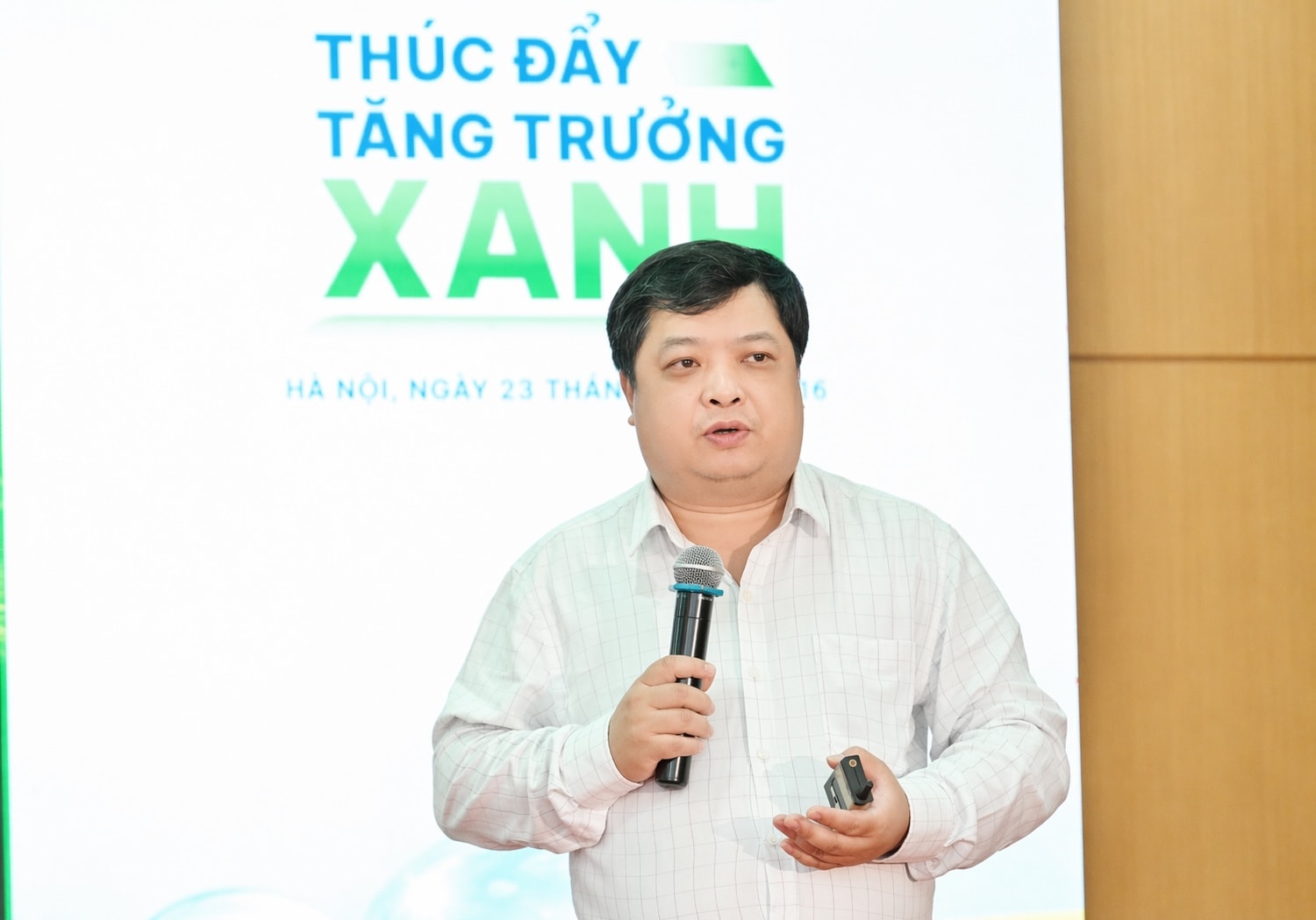
From a business perspective, he emphasized that digital transformation opens up the possibility of "seeing" and comprehensively managing the energy system through data. When energy is fully measured, analyzed, and quantified, businesses can clearly identify the types of energy being used, the characteristics of each type, and their role in the entire operational chain.
The issue is not just about saving energy, but about optimizing energy use based on data, he said, adding that this is the foundation for businesses to make more accurate decisions, from operations to investment, thereby improving overall efficiency.
According to Mr. Giang, digital transformation also fundamentally changes the way businesses manage themselves: from managing tasks to managing information flow, from fragmented indicators to evaluating overall performance, and from static competitive advantage to dynamic competitive advantage based on continuous innovation.
To optimize energy efficiency, he argues that businesses need to put data at the forefront, operate based on technology, and make decisions based on data analysis.
Only by changing mindsets, altering operational methods, and developing new management approaches can businesses use energy efficiently and move towards sustainable development in the digital age, he emphasized.
Source: https://daibieunhandan.vn/tan-dung-nguon-luc-thuc-day-tang-truong-xanh-10414742.html




![[Photo] General Secretary and President To Lam presides over the meeting to approve the draft report on the results of the second inspection by the Politburo of the Standing Committee of the Hanoi City Party Committee.](https://vphoto.vietnam.vn/thumb/1200x675/vietnam/resource/IMAGE/2026/05/26/1779789811432_a2-bnd-4430-9620-jpg.webp)












































































Comment (0)