

The proportion of multimodal transport is less than 10%.
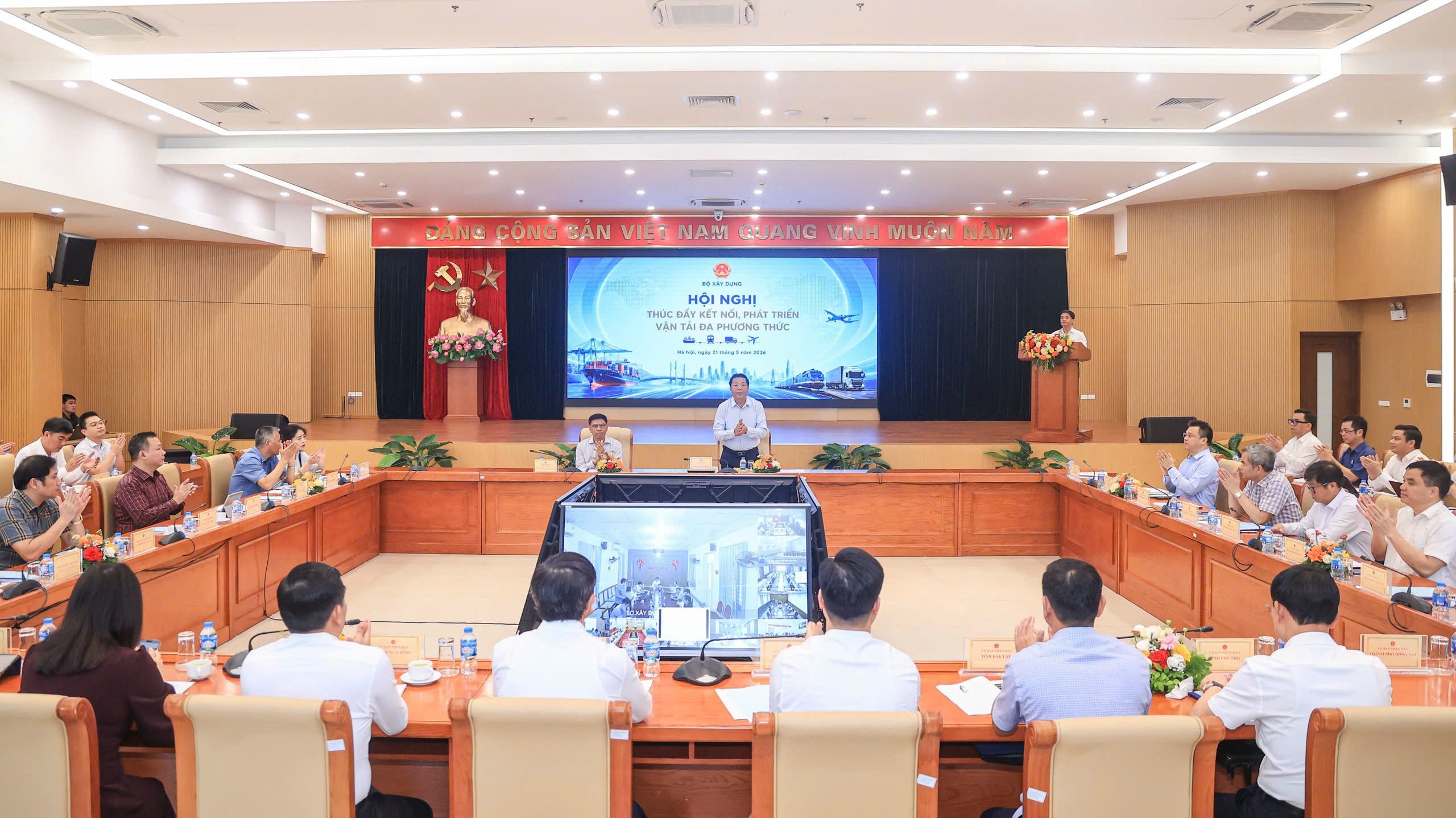
At the recent conference "Promoting the Development of Multimodal Transport Connectivity" organized by the Ministry of Construction , Mr. Do Cong Thuy, Deputy Director of the Department of Transport and Traffic Safety, stated that multimodal transport is becoming a dominant trend worldwide. It allows for the optimal combination of various transport modes within the same logistics chain, instead of operating them separately. This model helps leverage the strengths of each mode, reduce costs, and improve the efficiency of infrastructure utilization.
According to Mr. Thuy, many countries such as China and South Korea have planned transportation according to a model of port clusters - logistics centers - highway and inter-regional railway networks to form a large-scale multimodal connection network; parallel to this is a strong digital transformation process through the application of AI, IoT and blockchain to optimize routes, manage goods flow and enhance the transparency of the logistics chain.
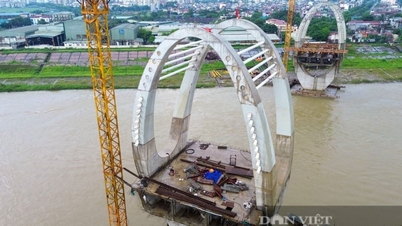
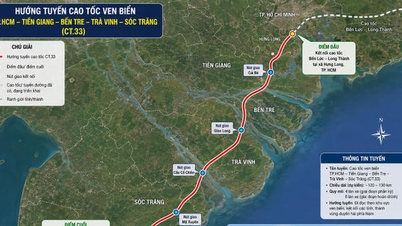
Meanwhile, Vietnam has also invested heavily in transportation infrastructure in recent years; currently, the country has nearly 595,000 km of roads, over 3,300 km of expressways, and approximately 1,700 km of coastal roads. The national railway system is over 3,100 km long with nearly 300 stations; inland waterways have more than 7,000 km of national routes; the seaport system includes 34 ports with many clusters of ports that are internationally competitive such as Cai Mep - Thi Vai and Lach Huyen. Aviation has also developed rapidly with 22 airports nationwide.
The development of infrastructure, coupled with strong growth in imports, exports, and goods production, has created a huge demand for the logistics industry. Located on international shipping routes and regional economic corridors, Vietnam is considered to have the potential to become an important goods transshipment hub in the region.
However, the freight transport structure is heavily reliant on road transport; currently, roads handle approximately 75% of freight transport and over 90% of passenger transport; meanwhile, rail and inland waterway transport – modes with lower costs and the capacity to transport large volumes – account for a relatively small proportion.
The biggest reason lies in the lack of synchronized connectivity between different modes of transport. Road transport still dominates due to its flexibility and "door-to-door" delivery capabilities, while other modes have not received sufficient investment, lack efficient transfer points, and have not yet formed an integrated transport chain.
According to Mr. Thuy, the proportion of multimodal transport in freight transport in Vietnam is currently less than 10%. As a result, logistics costs remain at around 16-17% of GDP. Meanwhile, in many countries, the proportion of multimodal transport has reached about 25-40%, helping to reduce logistics costs to about 9-11% of GDP.
Reorganize the transportation network to enhance competitiveness.
According to Minister of Construction Tran Hong Minh, developing multimodal transport is not just an infrastructure issue, but also a matter of national competitiveness, economic security, and the aspiration to make Vietnam a regional goods transit hub.
The Minister stated that it is necessary to promptly review and adjust provincial and specialized transportation planning towards greater linkage, synchronization, and sustainability. Infrastructure investment needs to be focused and prioritized, clearly identifying priority projects to increase connectivity between different modes of transport at the local and inter-regional levels; at the same time, the transportation sector also needs to promote digital transformation, green transformation, and the formation of a community of transportation businesses with international competitiveness.
From a logistics perspective, Mr. Tran Thanh Hai, Deputy Director of the Import-Export Department ( Ministry of Industry and Trade ), believes that Vietnam needs to strongly develop integrated logistics centers that combine multiple modes of transport, instead of the current dispersed warehousing model. According to him, the Ministry of Construction should allocate appropriate land and resources to develop large-scale logistics centers, especially in seaports, border gates, and international airports.
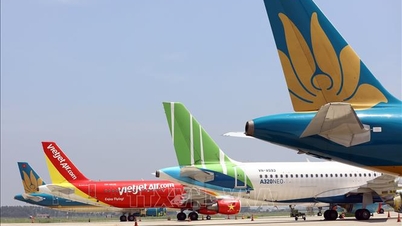
Mr. Khuat Viet Hung, Vice Chairman of the Board of Directors of Vietjet Aviation Joint Stock Company, stated that Vietnam's air cargo transport currently relies heavily on foreign airlines. Vietnam almost completely lacks large-scale air logistics carriers, has insufficient warehouses and parking spaces for cargo aircraft, and has not yet formed a proper air logistics ecosystem.
Therefore, Mr. Hung proposed the need for a separate policy to develop air logistics, building a special mechanism for major logistics centers such as Noi Bai, Long Thanh, or Chu Lai; while also reforming administrative procedures, developing a dedicated cargo aircraft fleet, and providing appropriate incentives for businesses investing in this field.
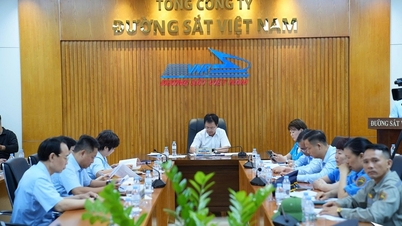
In the railway sector, Mr. Nguyen Quoc Vuong, Deputy General Director of Vietnam Railways Corporation, suggested that the North-South transport corridor should be reorganized soon, with railways handling long-distance container transport; roads focusing on cargo consolidation and final distribution; and sea transport concentrating on import/export and international transshipment. In addition, he emphasized the need to strengthen railway connections with seaports, develop international intermodal transport, and promote the socialization of investment in railway logistics.
From his perspective, Mr. Nguyen Ngoc Anh, Deputy General Director of Vietnam Maritime Corporation, proposed prioritizing investment in the synchronous development of post-port connectivity infrastructure, strengthening railway connections with seaports, and upgrading inland waterway infrastructure to serve container transport. Simultaneously, he suggested developing large-scale inland container depots (ICDs), depots, and logistics centers, and building a national logistics data platform to enhance connectivity and data sharing between businesses, seaports, shipping lines, and management agencies to promote multimodal transport.
According to experts, in the context of volatile global trade and increasingly fierce logistics competition, multimodal transport is no longer a purely technical option for the transportation industry; it is becoming one of the important conditions for reducing costs for the economy, enhancing the competitiveness of goods, and expanding growth opportunities in the new era.
Source: https://daibieunhandan.vn/tao-dot-pha-cho-logistics-tu-van-tai-da-phuong-thuc-10418084.html



![[Photo] General Secretary and President To Lam presides over the meeting to approve the draft report on the results of the second inspection by the Politburo of the Standing Committee of the Hanoi City Party Committee.](https://vphoto.vietnam.vn/thumb/1200x675/vietnam/resource/IMAGE/2026/05/26/1779789811432_a2-bnd-4430-9620-jpg.webp)







































































Comment (0)