

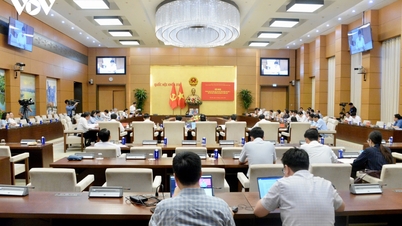
On May 26th, the Ministry of Health organized a conference to provide guidance on the implementation of several articles of the Law on Disease Prevention and the implementation of Decree No. 165/2026/ND-CP. The conference connected with hundreds of locations nationwide.
A key highlight of the meeting was the implementation of universal health check-ups. According to the Permanent Deputy Minister of Health , Vu Manh Ha, the National Assembly's enactment of the Law on Disease Prevention and the Government's issuance of Decree No. 165/2026/ND-CP are of particular importance in perfecting the legal framework for disease prevention, care, protection, and improvement of people's health in the new situation.
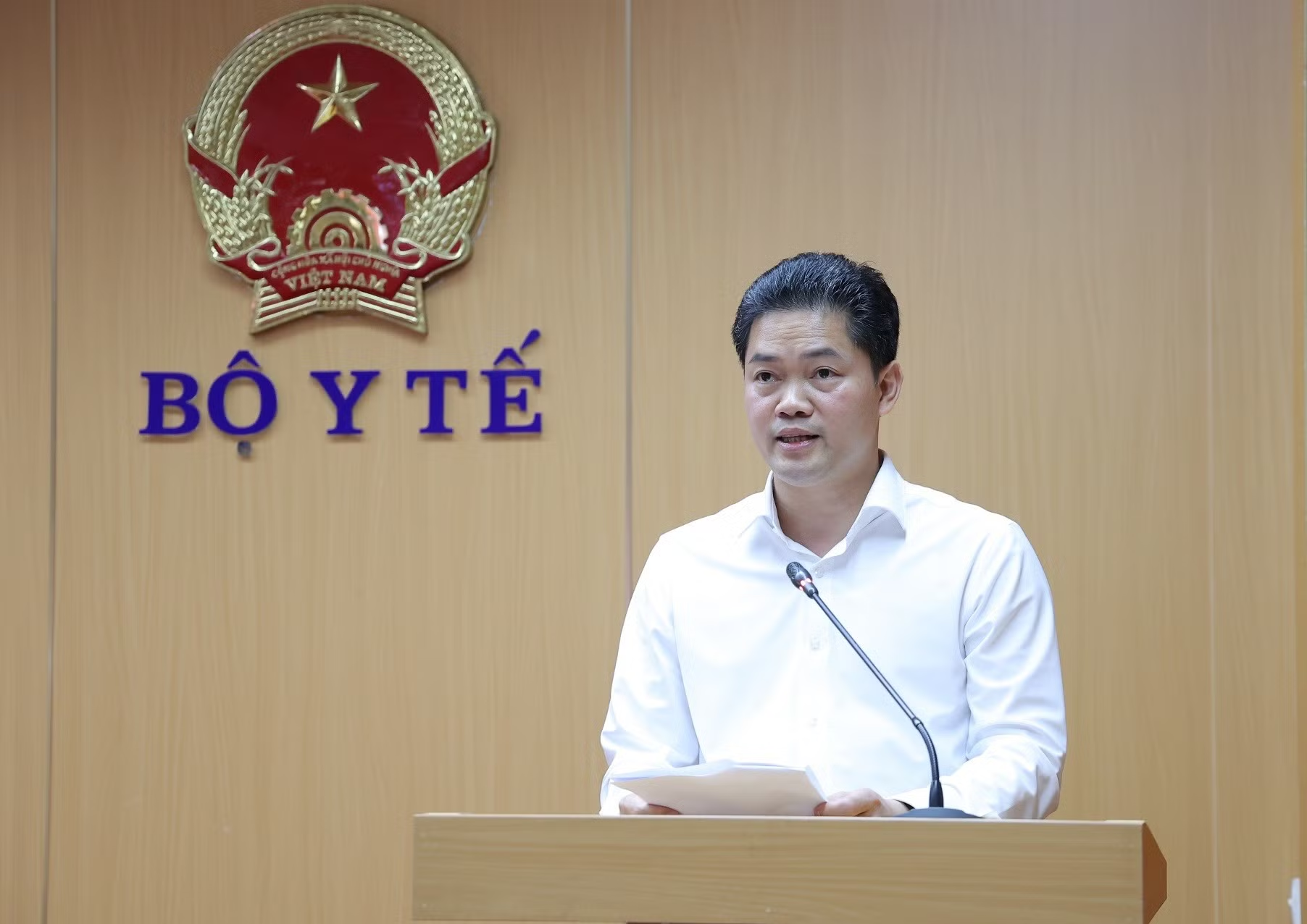
This is not only a requirement for institutional improvement, but also a concrete step in implementing the Party's major policy outlined in Resolution No. 72-NQ/TW on people's health care, which emphasizes the task of organizing regular health check-ups and free screenings for the people.
To institutionalize the above-mentioned policy, Decree No. 165/2026/ND-CP has stipulated relatively comprehensively the scope, subjects, implementation roadmap, organizational basis, coordination mechanism, and resources to ensure the work of periodic health check-ups, screening, and management of people's health data.
The Ministry of Health has also issued professional guidelines for routine health check-ups for the public, aiming to provide a basis for consistent implementation across localities.
At the meeting, many local health departments raised difficulties in implementing periodic health check-ups for the people. A representative from the Quang Ninh Department of Health stated that, upon review, the health stations previously lacked X-ray machines. According to current regulations, a health check-up for all citizens aged 18 and over must include X-rays. Health stations without machines would have to conduct these check-ups at hospitals and regional polyclinics.
Similarly, representatives from the Hue City Department of Health shared the same view, stating that in addition to lacking X-ray machines, the health stations also lack biochemical testing equipment. If a mass health checkup were to be conducted, the number of people would be enormous, while hospitals and regional polyclinics are already overloaded with routine medical care, making it extremely difficult.
Some localities also pointed out that the current biochemical testing capacity only accounts for medical examinations and treatment at healthcare facilities, not for community health checkups. Therefore, conducting tests for people over 18 years old is very difficult. Many localities only have one mobile X-ray machine for screening for tuberculosis and lung diseases; if they were to scan people over 18, it would not be sufficient.
Many opinions also highlighted some difficulties in implementing school health check-ups, especially difficulties in terms of testing. In addition, the Ministry of Health needs to provide clearer guidance on health insurance reimbursement when implementing free periodic health check-ups.
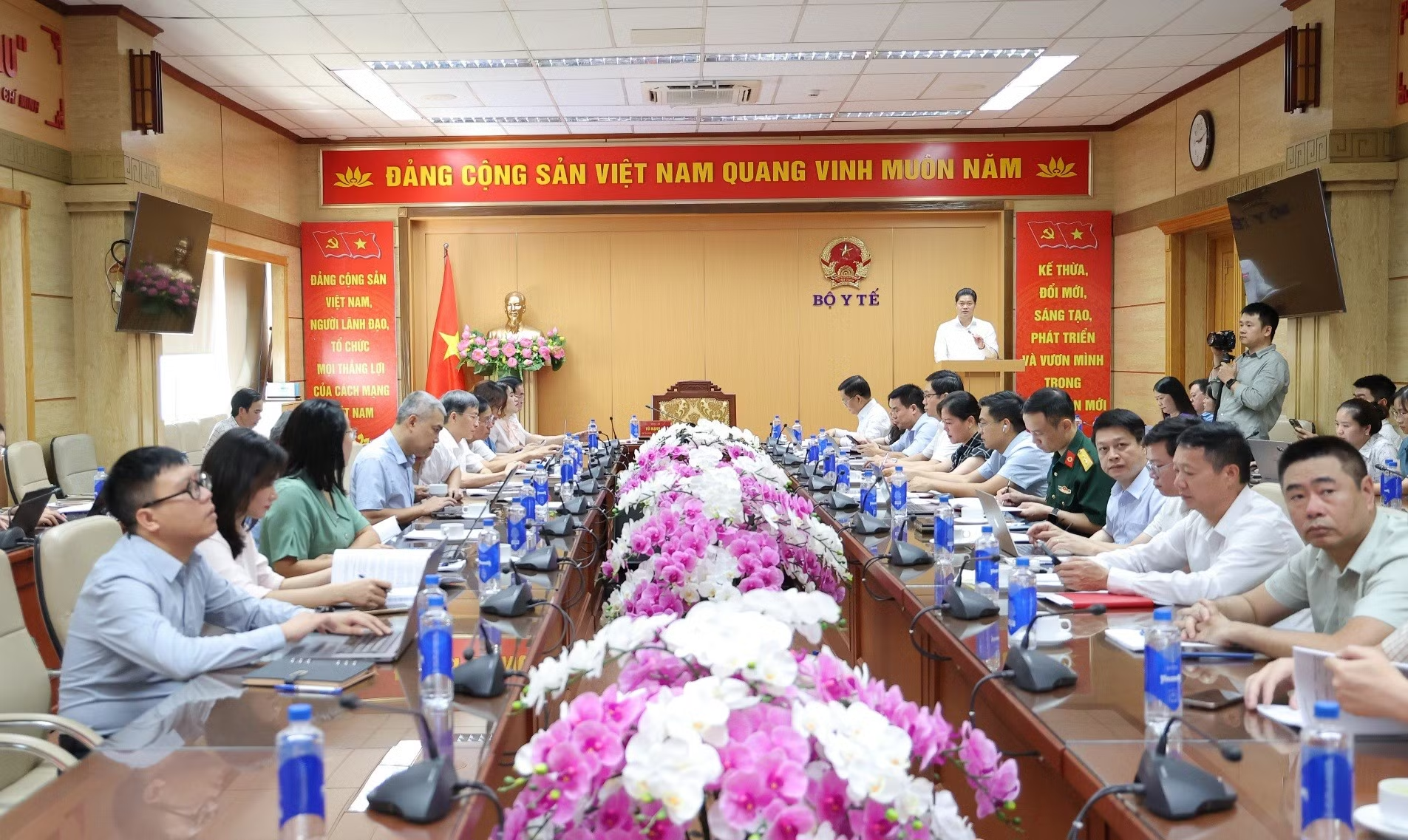
Deputy Minister of Health Vu Manh Ha highly appreciated the frank, responsible, and practical opinions of representatives from localities and ministries. The Law on Disease Prevention and Decree 165 have been implemented; however, during the implementation process, the Ministry of Health has received feedback on difficulties encountered.
Initial findings indicate that many localities and units are still facing difficulties in practical implementation. Obstacles primarily concern the organization of periodic health check-ups and screenings, financial mechanisms, funding sources, pricing of periodic health check-up services, scope and target groups, implementation roadmap, expenditure limits, health insurance payments, and information technology infrastructure for connecting and managing health data.
To address this issue, Deputy Minister Vu Manh Ha emphasized the urgent need to fully and uniformly disseminate the spirit of Decree No. 165 and provide detailed professional guidance. Agencies need to strengthen coordination and standardize approaches to promptly resolve any arising difficulties, thereby accelerating the roadmap for periodic health check-ups and the development of a nationwide electronic health record system as directed by the Central Government.
"From 2026, the organization of free periodic health check-ups or screenings for the people must be implemented according to target groups and appropriate priority roadmaps, while closely linking with health insurance coverage, school health, occupational health examinations, and the creation and management of electronic health records for the people," the Deputy Minister of Health emphasized.
Regarding the financial mechanisms and resources for implementation, the Deputy Minister of Health stated that localities with the ability to balance their budgets should proactively allocate resources for implementation. For localities facing difficulties, a comprehensive summary of funding needs should be compiled and reported to the Ministry of Finance and competent authorities for consideration.
"While continuing to refine the financial mechanism, localities need to proactively implement it according to current regulations, while strengthening the mobilization of social resources and other legitimate sources. The general spirit is to proactively organize implementation, 'discussing and doing, not retreating,'" Deputy Minister Vu Manh Ha said.
Regarding groups with existing specialized regulations such as students, workers, and the armed forces, the Deputy Minister of Health stated that current regulations on school health, occupational safety and hygiene, and related regulations will continue to be implemented to ensure continuity, consistency, and avoid overlap in implementation.
At the same time, the Ministry of Health is continuing to research and refine mechanisms related to expanding the scope of benefits and payment methods of health insurance to report to competent authorities for consideration in the near future, including policies expected to be submitted in 2027.
The Deputy Minister of Health stated that the Ministry of Health has taken note of the difficulties and obstacles raised at the conference and is seeking ways to resolve them. The Ministry of Health requested that localities urgently develop specific implementation plans, prioritizing those groups for whom policies and resources are already in place, such as workers, students, members of the armed forces, the elderly, and other vulnerable groups.
At the same time, it is essential to ensure that the implementation is substantive, synchronized, and avoids formality, guaranteeing that people have convenient and effective access to regular health check-up services, and gradually forming a synchronized and interconnected health data system to serve the management, prevention, and long-term healthcare of the people.
Source: https://cand.vn/thao-go-kho-khan-day-nhanh-kham-suc-khoe-dinh-ky-mien-phi-post812028.html

![[Photo] General Secretary and President To Lam presides over the meeting to approve the draft report on the results of the second inspection by the Politburo of the Standing Committee of the Hanoi City Party Committee.](https://vphoto.vietnam.vn/thumb/1200x675/vietnam/resource/IMAGE/2026/05/26/1779789811432_a2-bnd-4430-9620-jpg.webp)




![[Video] Weather forecast for tonight and tomorrow, May 27, 2026: Extremely intense heat continues to blanket Northern and Central Vietnam.](https://vphoto.vietnam.vn/thumb/402x226/vietnam/resource/IMAGE/2026/05/26/1779800612293_thumb-dem-png.webp)












































































Comment (0)