

I've read that vitamin B12 deficiency can lead to vascular inflammation and oxidative stress – two factors that contribute to an increased risk of stroke. Is this true? Could you please clarify, doctor? (Nguyen Thi Nga, 28 years old, Ho Chi Minh City)
Reply:
Some studies suggest that vitamin B12 deficiency may increase the risk of stroke, but no studies have confirmed that this deficiency can cause stroke. More in-depth, large-scale studies are needed to confirm these findings.
Accordingly, insufficient vitamin B12 intake, along with several other factors, can contribute to stroke. A prolonged vitamin B12 deficiency causes an increase in a chemical called homocysteine. Too much homocysteine creates inflammation in blood vessels and oxidative stress. Inflammation leads to damage to blood vessels and the buildup of excess substances inside the blood vessels. This buildup can increasingly disrupt normal blood flow in the brain. Oxidative stress damages blood vessels, making them more prone to bleeding, eventually forming blood clots that obstruct blood flow and cause stroke.
According to a study by Columbia University (USA), low levels of vitamin B12 are often found in stroke survivors. Researchers injected vitamin B12 to achieve optimal B12 levels and reduce homocysteine levels in participants. The results showed that vitamin B12 supplementation significantly reduced the risk of stroke. Vitamin B12 deficiency can lead to megaloblastic anemia (where the body has few red blood cells and those that do exist are abnormally large and unable to function properly). This deficiency causes damage to the white matter of the spinal cord and brain, peripheral neuropathy, and dementia.
A blood test can measure vitamin B12 levels. Normal levels range from 200-900 pg/mL. Some signs that may be related to B12 deficiency include: pale yellow spots on the skin, a red and painful tongue, mouth ulcers, impaired vision, headaches, mood swings, anxiety and depression, and gastrointestinal problems.
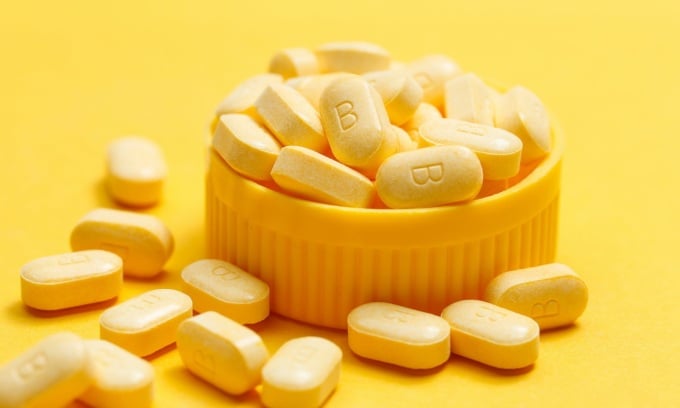
Vitamin B12 is an important nutrient involved in many bodily functions. (Image: Freepik)
There are many causes of vitamin B12 deficiency, including dietary factors and the body's inability to absorb enough of this nutrient due to medical conditions. Medical conditions and infections that interfere with nutrient absorption in the stomach or small intestine function can lead to vitamin B12 deficiency, even with a proper and nutritious diet. However, it is more common in diets lacking in vitamin B12, especially in long-term vegetarian diets.
Heavy drinking and severe alcohol addiction can lead to vitamin B12 deficiency, even if you consume foods rich in vitamin B12. This may be due to metabolic changes in the body that make it difficult to absorb and utilize vitamin B12.
You should supplement your diet with vitamin B12 if you are deficient. Red meat and liver are two foods high in vitamin B12. Other sources of this vitamin include chicken, eggs, milk, shellfish, and fish. Vegans should take vitamin B12 supplements or food supplements as advised by their doctor. People who have poor vitamin B12 absorption (absorption) due to stomach or intestinal problems should see a doctor for appropriate treatment.
Dr. Pham Ngoc Danh Khoa
Department of Neurology, Tam Anh General Hospital, Ho Chi Minh City
Source link


![[Photo] General Secretary and President To Lam presides over the meeting to approve the draft report on the results of the second inspection by the Politburo of the Standing Committee of the Hanoi City Party Committee.](https://vphoto.vietnam.vn/thumb/1200x675/vietnam/resource/IMAGE/2026/05/26/1779789811432_a2-bnd-4430-9620-jpg.webp)













































































































Comment (0)