

Speaking at the discussion session, Counselor Nguyen Hoang Nguyen, Deputy Head of the Permanent Mission of Vietnam to the UN, affirmed that Vietnam is committed to making positive contributions to global efforts to maintain international peace and security through cooperation in addressing the impacts of climate change and food insecurity.
On February 13th and 14th, in New York, USA, the United Nations Security Council (UNSC) held a high-level open debate on “The Impact of Climate Change and Food Insecurity on the Maintenance of International Peace and Security,” chaired by the President of the Republic of Guyana – the Council's President for February 2024 – with the participation and speeches of representatives from nearly 90 countries, the UN Secretary-General, and leaders of several relevant international organizations. In his opening remarks, Secretary-General Antonio Guterres noted that the world is facing a food crisis while climate change is becoming increasingly severe, threatening peace, human life, and increasing instability and inequality in many parts of the world. Delegates shared assessments from various perspectives on the relationship between climate change, food insecurity, and international peace and security. It calls for enhanced global cooperation, including a greater role for the UN and the Security Council, in order to minimize the negative reciprocal impacts between these components, particularly in countries and regions affected by conflict.
Speaking at the discussion session, Counselor Nguyen Hoang Nguyen, Deputy Head of the Permanent Mission of Vietnam to the UN, emphasized that poverty is both a root cause and a consequence of conflict, while climate change exacerbates food insecurity and increases the risk of threats to international peace and stability. The Vietnamese representative argued that the Security Council needs and can do more to break the vicious cycle of climate change, food insecurity, and conflict. Firstly, the Security Council needs to more effectively play its role in conflict prevention, adopting a more comprehensive and balanced approach to traditional and non-traditional security threats. Secondly, it needs to strengthen consultation and coordination with UN agencies, relevant mechanisms, and initiatives at the international, regional, and national levels to promptly address security risks from climate change and food insecurity. Third, it is necessary to ensure compliance with international law and the UN Charter in conflict, according to which parties involved are prohibited from attacking and destroying essential climate and civilian infrastructure, especially those providing water and food, as stipulated in Security Council Resolutions 2417 and 2573. As one of the countries vulnerable to climate change and rising sea levels, having experienced decades of war and transformed from a food-deficient nation into a leading agricultural exporter, Vietnam is committed to making a positive contribution to global efforts to maintain international peace and security through cooperation in addressing the impacts of climate change and food insecurity.
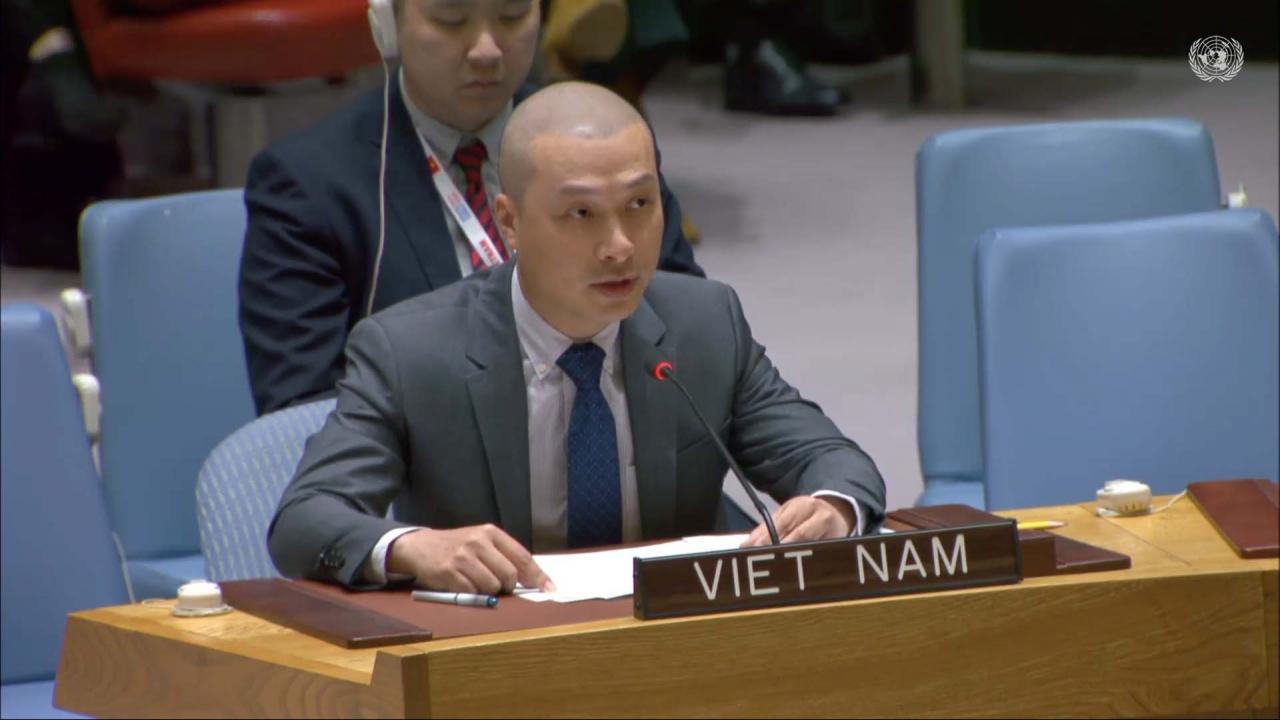 |
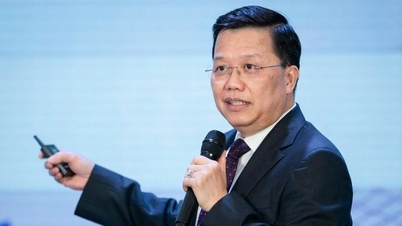
| Counselor Nguyen Hoang Nguyen, Deputy Head of the Permanent Mission of Vietnam to the UN, spoke at the discussion session. |
PV






















































Comment (0)