

Speaking at the session, Vice Chairman of the National Assembly Nguyen Duc Hai said that at the recent 29th session, the Standing Committee of the National Assembly had given opinions on explaining, receiving feedback, and revising the draft Law on Credit Institutions (amended). Following the session, the Standing Committee of the Economic Committee has actively worked with several relevant agencies to review and incorporate the conclusions of the Standing Committee of the National Assembly to finalize the draft Law.
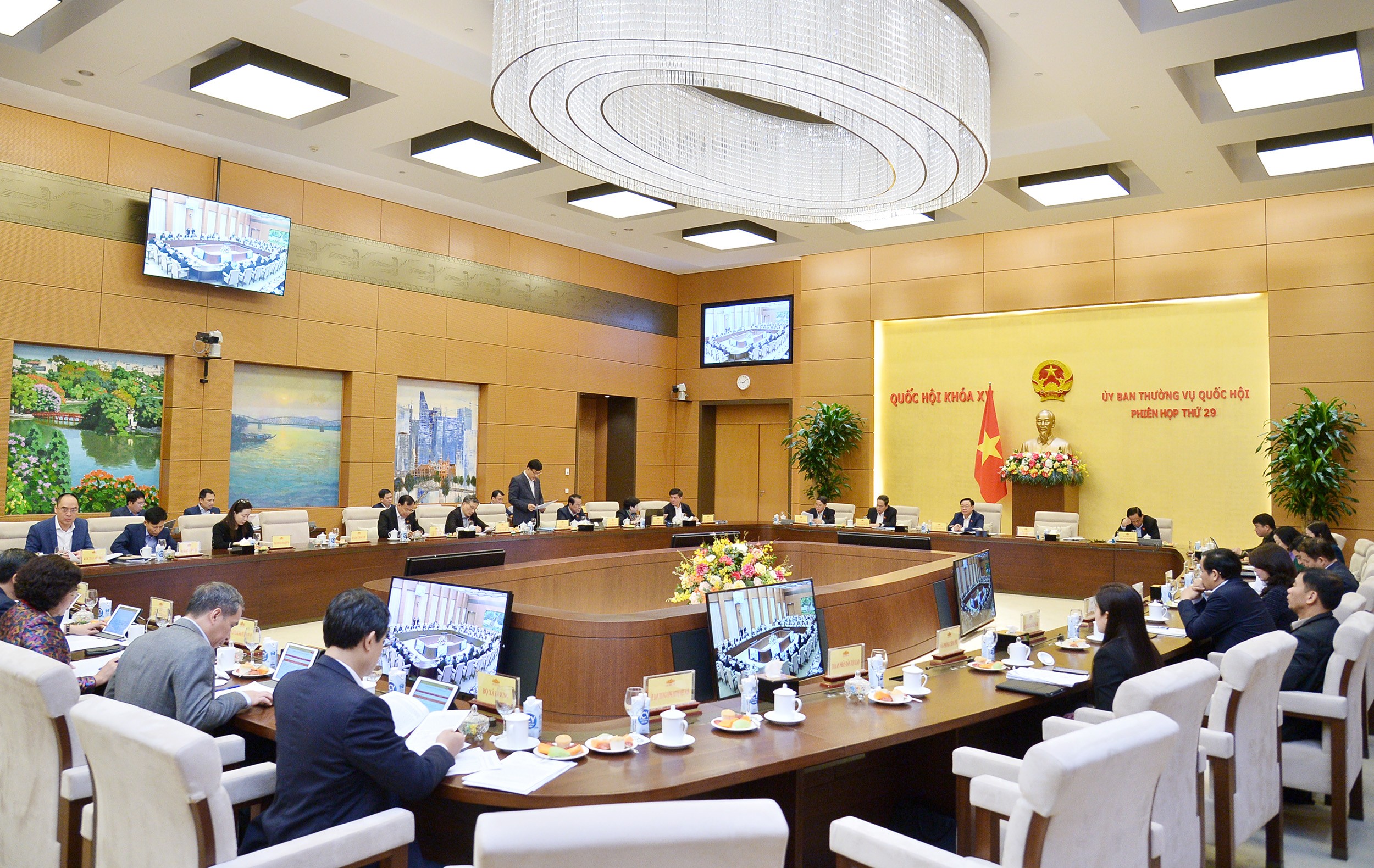
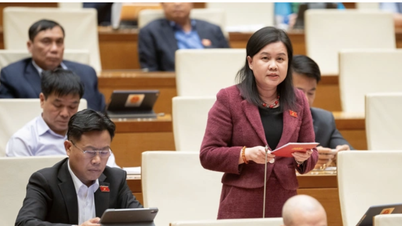
The scene at the meeting (Photo: Quochoi.vn).
The draft Law on Credit Institutions (amended), after incorporating the explanations, comprises 15 chapters and 210 articles, an increase of 10 articles compared to the draft Law submitted at the 6th Session.
At this meeting, the Standing Committee of the National Assembly will focus on giving opinions on several issues, including: Article 159, on measures to support credit institutions with early intervention; on the effective date of implementation, Clause 1 of Article 209; on transitional provisions for some contents of Resolution No. 42 as shown in Clauses 6 and 7 of Article 210; and on impact assessment.
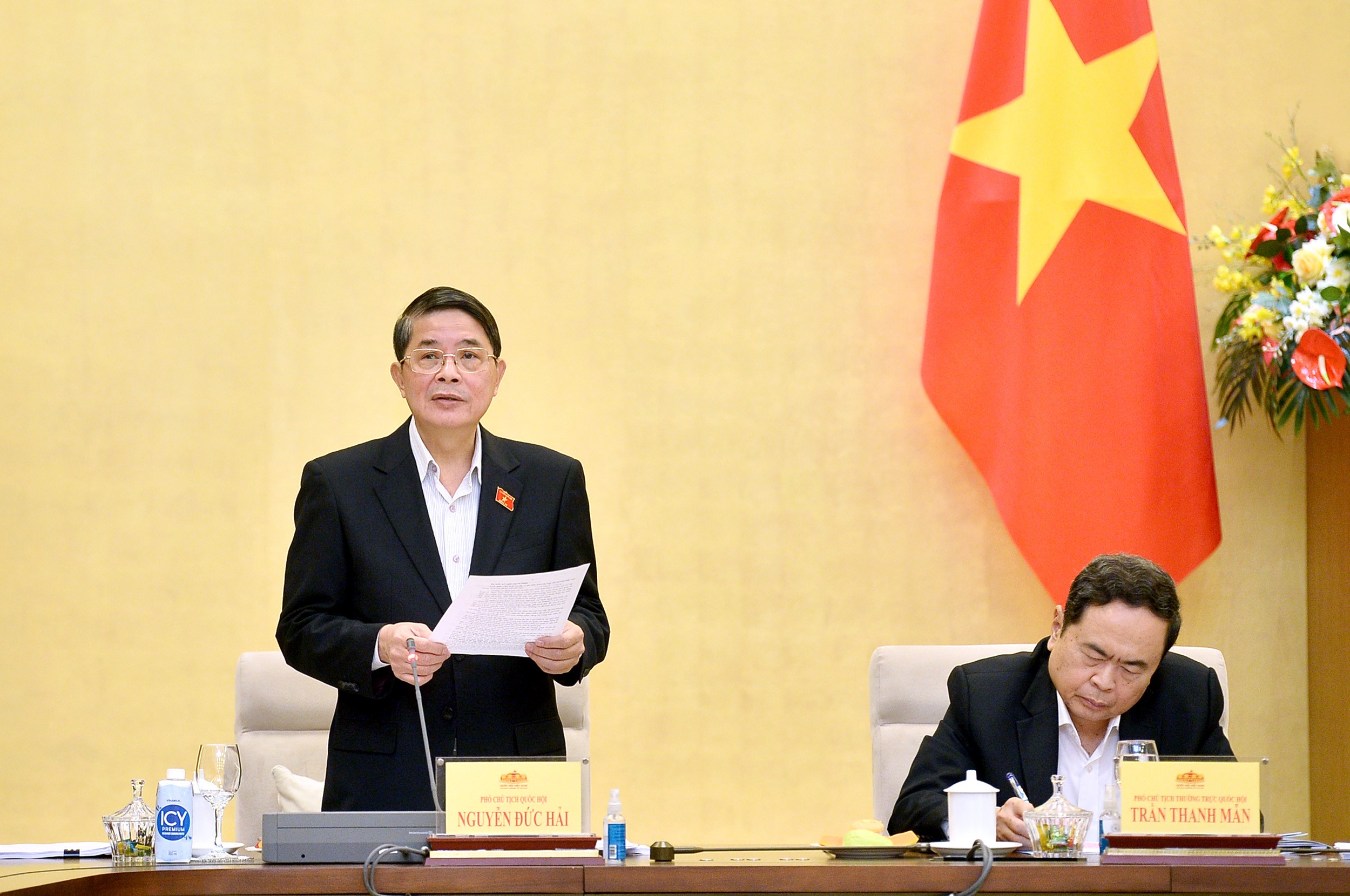
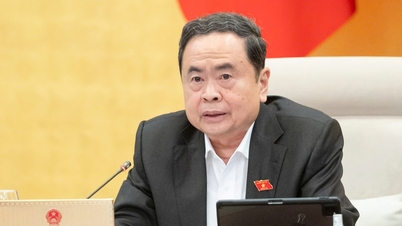
Deputy Speaker of the National Assembly Nguyen Duc Hai presides over the session (Photo: Quochoi.vn).
After hearing the Chairman of the National Assembly's Economic Committee, Vu Hong Thanh, present a summary report on some major issues received, explained, and revised in the draft Law on Credit Institutions (amended), the members of the National Assembly Standing Committee discussed the matter; the Government representative reported on clarifying some issues of concern to the delegates; and the Vice Chairman of the National Assembly, Nguyen Duc Hai, concluded the discussion.
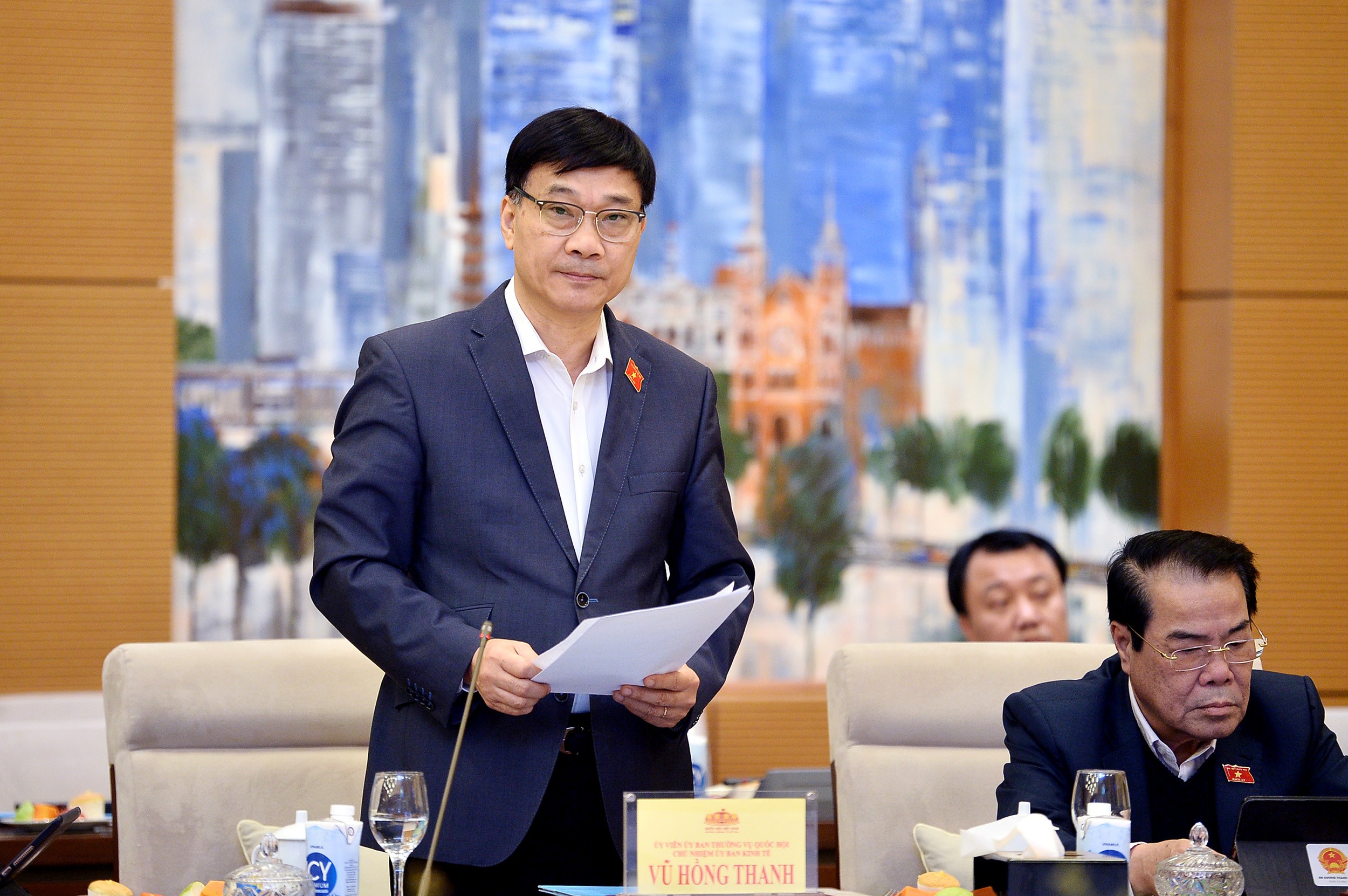
Chairman of the Economic Committee Vu Hong Thanh reports on some major issues received, explained, and revised in the draft Law on Credit Institutions (amended) (Photo: Quochoi.vn).
The draft Law on Credit Institutions (amended) has been discussed over two sessions of the National Assembly, but some issues still lack high consensus.
Therefore, at its 6th session, the National Assembly decided not to pass this draft law because it is a complex law, involving many fields, having a significant impact on the economy and people's lives, and requiring a special, unprecedented process to thoroughly consider all aspects.
This decision by the National Assembly has received strong support and approval from public opinion, demonstrating the National Assembly's cautious and responsible approach to legislative activities, always prioritizing quality and efficiency over quantity and speed .
Source

























































































Comment (0)