

Not yet optimally exploited.
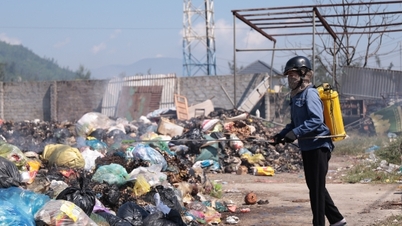
The city generates approximately 3,300 tons of solid household waste daily. This waste is currently processed at 7 centralized treatment facilities with a capacity of about 2,120 tons per day. In addition, there are 482 smaller landfills in rural areas. The majority of waste is still disposed of through landfilling. In the western area, 58% of generated waste is disposed of through landfilling; in the eastern area, 80% of urban waste and 70% of rural waste are also processed using this method.
Landfills are facing the risk of being overloaded. The Trang Cat treatment facility, with a scale of 44 hectares, receives 500-650 tons/day; the Dinh Vu treatment facility, with an area of 29.6 hectares, receives 350-450 tons/day, has reached its design depth and is nearly full.
In suburban areas, the primary method of waste disposal remains landfilling, and some collection points lack environmental protection infrastructure, causing localized pollution.
The primary method of disposing of household waste is landfilling, which means the value of waste resources is not being effectively exploited.
Expedite the construction of waste treatment and waste-to-energy plants.
.jpg)
According to Mr. Pham Van Thuan, Deputy Director of the Department of Agriculture and Environment, the circular economy is becoming an inevitable trend to meet the requirements of sustainable development in the context of resource depletion, environmental pollution, and climate change. The circular economy is not only about reusing waste but also about connecting economic activities in a circular fashion, helping to utilize used materials, reduce processing costs, limit resource exploitation, and reduce waste released into the environment.
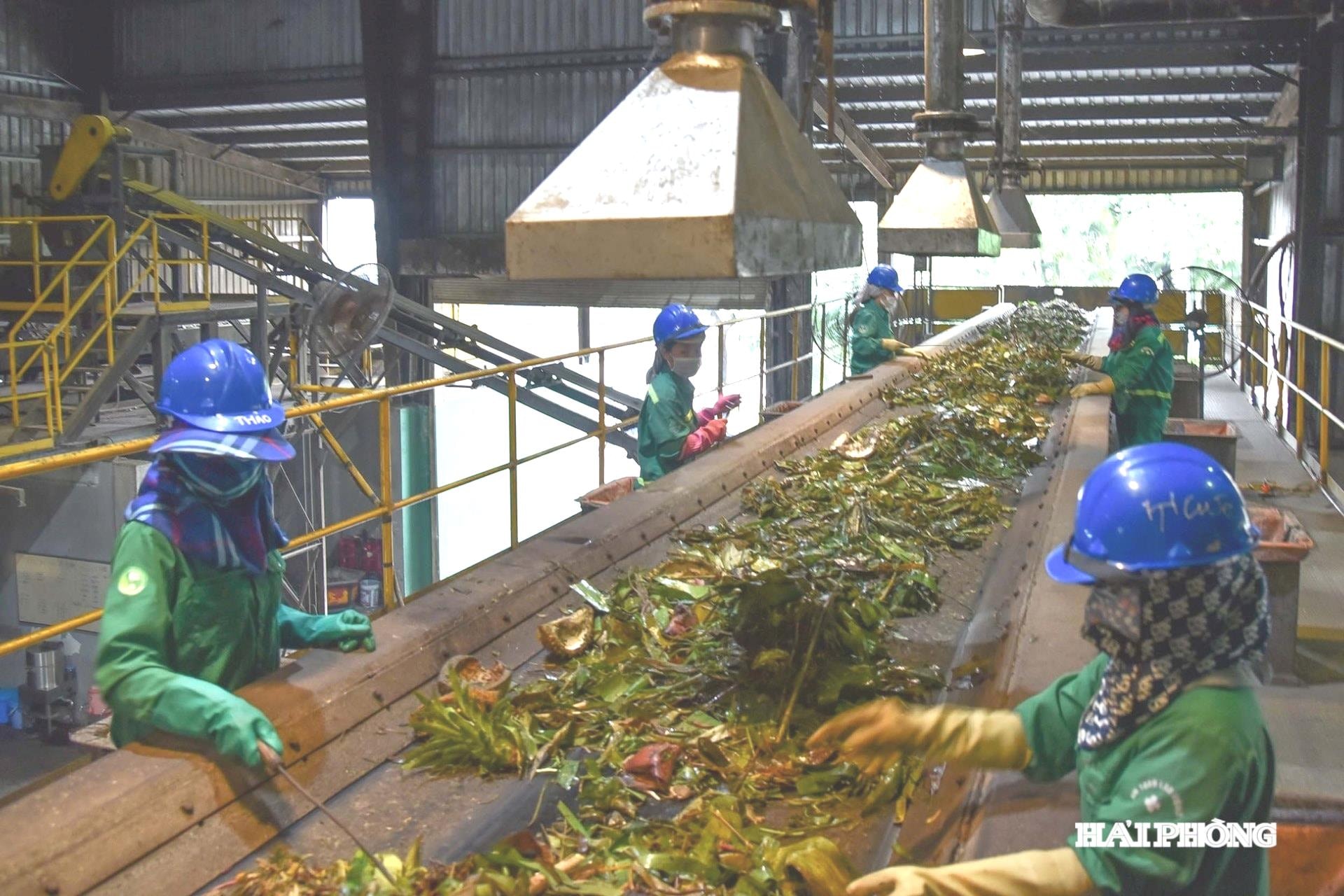
The Trang Cat Waste Treatment Complex is one of two solid waste treatment plants managed and operated by the Urban Environment One-Member Limited Liability Company. Here, various types of waste are effectively recycled, treated, and reused. Specifically, the complex processes and recycles approximately 2 tons of medical waste daily using incineration, producing 50 kg of ash which is then processed into inert concrete for leveling and paving sidewalks.
For organic waste, the plant processes about 100 tons per day, mainly from restaurants, hotels, and local markets, producing microbial compost that meets standards for use in experimental gardens. On average, more than 100 tons of bulky waste are collected, sorted, and recycled into fuel each month.
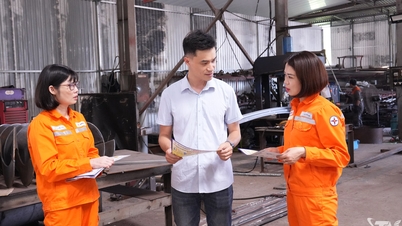
During a field survey in Hai Phong, Ho Trung Kien, Deputy Director of the Department of Environment (Ministry of Agriculture and Environment), stated that recycling organic waste into fertilizer and bulky waste into fuel is an important foundation for developing a circular economy model and should be further expanded.
According to the plan for 2030 and the orientation for 2050, the city aims to collect and process 100% of household solid waste according to standards; reduce landfilling to below 10%, and increase recycling and energy recovery. Mr. Bui Van Thang, Director of the Department of Agriculture and Environment, said that the city has a roadmap to close more than 400 unsanitary landfills. The remaining landfills will be properly disposed of and gradually converted to other uses. The city is accelerating the construction of the APT Seraphin Hai Duong waste treatment plant and the Dinh Vu waste-to-energy project, with a capacity of approximately 2,000 tons/day.
In rural areas, recyclable waste is collected at the nearest facility. Food waste is used for livestock farming or biogas production and compost manufacturing. The remainder is transported to a centralized processing facility.
In priority wards, food waste is processed using biotechnology to produce organic fertilizer or fuel. Recyclable waste is processed on-site, while the remainder is transported to a central facility.
Large-scale processing facilities employ modern technology, prioritizing recycling and incineration for power generation; ash and slag are reused as construction materials or for land reclamation. These solutions contribute to realizing the goal of transforming waste into resources, serving the circular economy and sustainable development.
BAO CHAUSource: https://baohaiphong.vn/tim-loi-di-ben-vung-cho-rac-thai-do-thi-539891.html

![[Image] Hanoi Police officially crowned champions of V-League 2025/2026](https://vphoto.vietnam.vn/thumb/1200x675/vietnam/resource/IMAGE/2026/05/31/1780244769054_ndo_br_039d561b692be875b13a-jpg.webp)

![[Photo] The General Secretary, President and his wife begin their state visit to the Philippines.](https://vphoto.vietnam.vn/thumb/1200x675/vietnam/resource/IMAGE/2026/05/31/1780230559452_anh-man-hinh-2026-05-31-luc-19-28-11.png)















![[Video] Sunset at Lap An Lagoon – Where the sun sets over the fishing nets](https://vphoto.vietnam.vn/thumb/340x192/vietnam/resource/IMAGE/2026/05/31/1780192137701_beach-landscape-sea-water-nature-grass-745871-pxhere-com.jpeg)

![[Photo] Admire the coral "masterpiece" amidst the million-year-old heritage of Dak Lak province.](https://vphoto.vietnam.vn/thumb/1200x675/vietnam/resource/IMAGE/2026/05/31/1780221235105_anh-man-hinh-2026-05-31-luc-16-53-27.png)

![[Photo] Solemn bathing ceremony and Buddha procession in Hue](https://vphoto.vietnam.vn/thumb/1200x675/vietnam/resource/IMAGE/2026/05/31/1780228263543_1-jpg.webp)























































Comment (0)