

Start your day with health news; you can also check out these other articles: Research discovers the benefits of rinsing rice before cooking; 4 diseases to watch out for if you have persistent leg pain; Discovery reveals that walking can reduce the risk of diabetes by up to 39%...
9 benefits of drinking ginger tea when the weather turns cold.
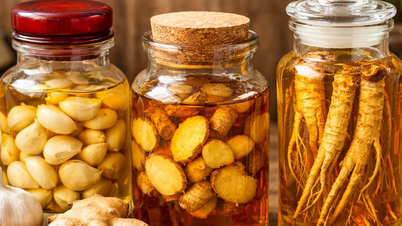
The health benefits of ginger include its ability to aid digestion, reduce nausea, decrease inflammation, improve cardiovascular health, and boost the immune system.
Here are the health benefits of drinking ginger tea in winter.
Boost your immune system. Ginger has strong antibacterial and anti-inflammatory properties that help strengthen the immune system, enabling the body to better fight off winter illnesses like the flu.

Ginger has natural decongestant properties that can help relieve cold and flu symptoms such as cough, sore throat, and nasal congestion.
Reduces cold and flu symptoms. Ginger has natural decongestant properties that can help relieve cold and flu symptoms such as cough, sore throat, and nasal congestion.
Soothes digestive issues. Ginger helps resolve digestive problems such as indigestion, bloating, and nausea. It can also promote better absorption of nutrients from food.
Reduce joint inflammation and pain. Joint pain and muscle aches are often worse in cold weather. Ginger contains gingerols, which have anti-inflammatory and antioxidant properties that can reduce muscle pain and joint inflammation. Studies show that ginger extract can reduce knee pain and improve arthritis symptoms.
Improves blood circulation. Ginger has the ability to warm the body from the inside by improving blood circulation. This can help combat cold hands and feet and prevent circulatory problems. Readers can find more information on this topic in the health section of November 30th .
4 conditions to watch out for if you have persistent leg pain.
Whether chronic or acute, leg pain requires clear identification of its cause. Understanding the cause will help in more effective treatment. Some causes of pain are actually serious health conditions.
Leg pain can be mild or severe. Some cases are acute and intense, while others can be chronic. The key to pain relief is to understand the underlying cause.
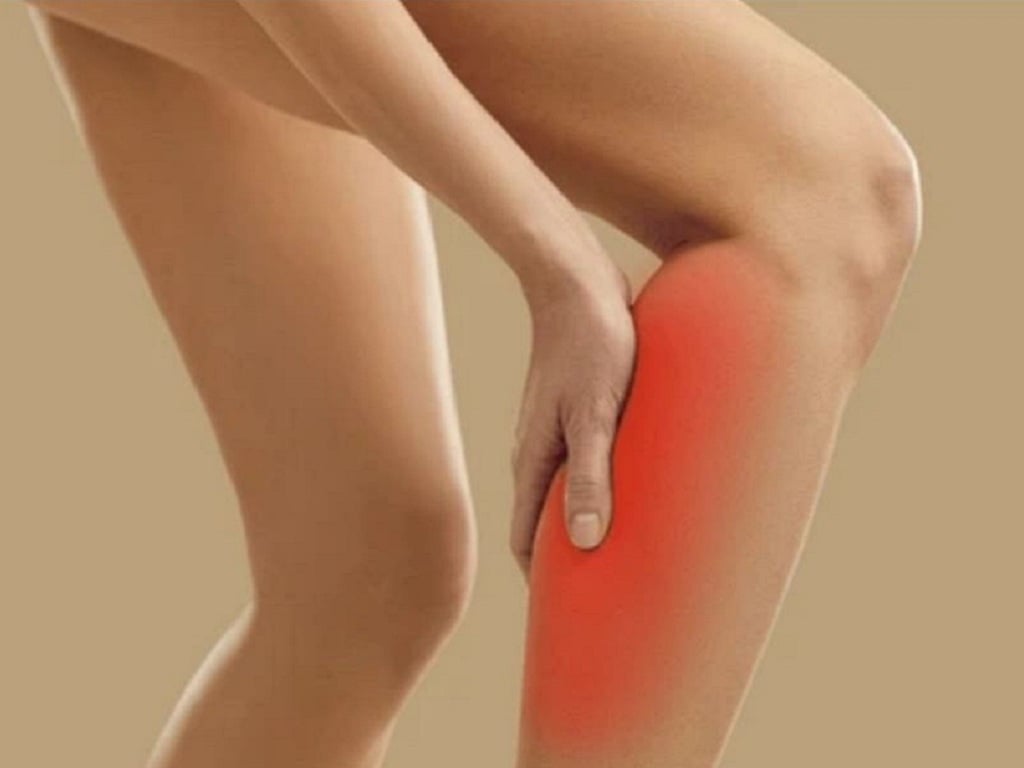
Persistent calf pain accompanied by swelling and warmth on the skin is very likely due to deep vein thrombosis.
Persistent leg pain that doesn't go away may be due to the following reasons:
Peripheral artery disease. Peripheral artery disease occurs when plaque builds up in the walls of arteries, obstructing the blood supply to the legs. Because blood flow is obstructed, it causes pain, especially during exercise. Patients may also experience other symptoms such as cramps, numbness, or weakness in the legs.
Nerve compression. A compressed nerve will cause numbness and tingling, followed by unpleasant pain. If the sciatic nerve is compressed, the pain will be felt throughout the entire leg.
Common causes of sciatic nerve compression include herniated discs or spinal stenosis. Characteristic symptoms include itching, numbness, and pain radiating down the leg. Further details of this article will be available on the health page on November 30th .
Research has found benefits of rinsing rice before cooking.
Rice is the staple food in many countries. Washing rice is considered an essential part of cooking. Washing rice makes it cleaner, removing dirt, insects, and leftover husks. A recent study has also discovered additional benefits of washing rice.
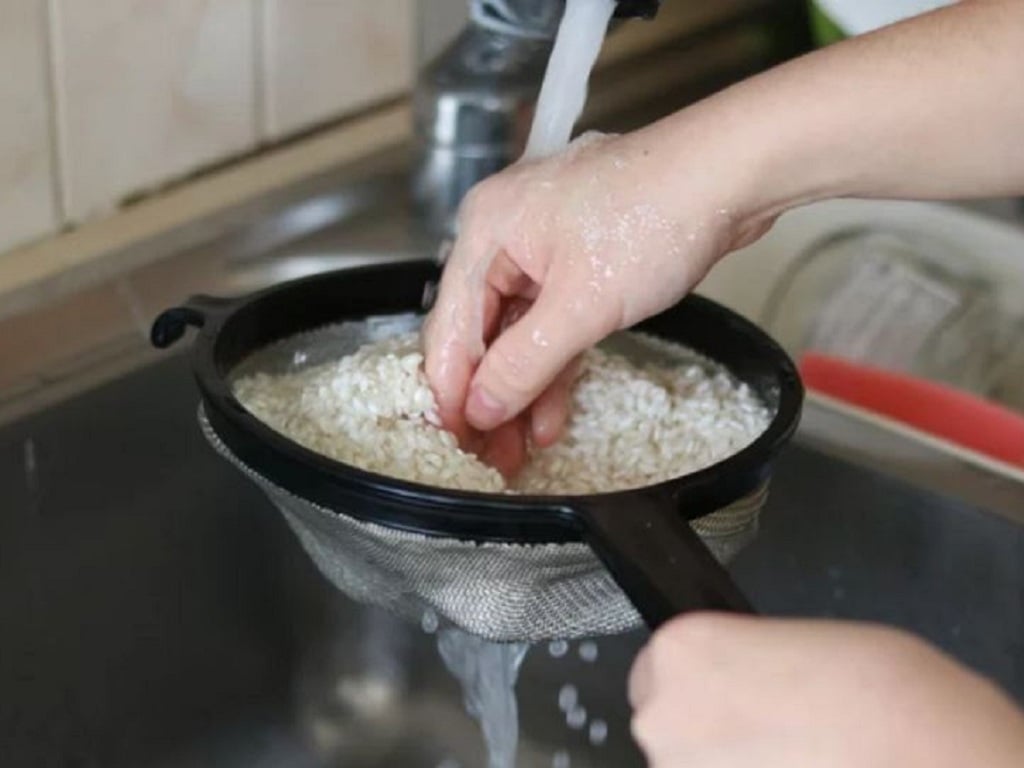
Washing rice helps to wash away dirt, husks, and insects.
Washing rice is an essential step in cooking. Many people believe that washing rice before cooking can reduce the amount of starch in the rice. This is not entirely true. When you wash rice, the water will be cloudy white. Research shows that this is free starch, also known as amylose, clinging to the surface of the rice grain. This starch forms during the milling process to separate the husk from the rice grain.
A recent study by Beijing University of Business and Technology (China) compared the benefits of rinsing rice after cooking among three types of rice: glutinous rice, medium-grain white rice, and fragrant rice. Each type of rice was divided into three groups: no rinsing, rinsing three times, and rinsing ten times.
Research shows that whether or not you wash rice does not affect the stickiness and texture of the cooked rice grains. This is because the stickiness and texture of the rice grains do not depend on surface starch but on a different type of starch called amylopectin, which forms during the cooking process. Start your day with health news to read more about this article!
Source link


![[Photo] Prime Minister Pham Minh Chinh attends the Conference on the Implementation of Tasks for 2026 of the Industry and Trade Sector](/_next/image?url=https%3A%2F%2Fvphoto.vietnam.vn%2Fthumb%2F1200x675%2Fvietnam%2Fresource%2FIMAGE%2F2025%2F12%2F19%2F1766159500458_ndo_br_shared31-jpg.webp&w=3840&q=75)






































































































Comment (0)