


A doctor examines a young patient suffering from persistent tinnitus - Photo: Hospital provided.
Tinnitus is the sensation of hearing buzzing, humming, whistling, vibrating, or even pulsating sounds in the ears or head, even when the surroundings are completely quiet. In many cases, no clear cause can be found from ear, nose and throat, neurological, cardiovascular, or metabolic diseases.
More and more young people are facing this situation. Academic and work pressure, prolonged stress, lack of sleep, overuse of headphones, exposure to loud noise, depression, and the use of ototoxic drugs are all considered risk factors.
More worryingly, the symptoms are not intensely painful or dramatic, but they insidiously erode the quality of life, causing patients to feel tired, irritable, lose concentration, and experience decreased effectiveness in studying and working.
A female student studying at a university in Hanoi has no history of head or ear injuries, nor any throat or ear infections. For several months, she has experienced persistent tinnitus, a buzzing or humming sensation that is not too intense but persistent, especially noticeable at night and when she needs to concentrate intensely.
The patient has consulted numerous specialists in neurology, otolaryngology, psychology, and has undergone both basic and advanced examinations and tests, all of which have shown "no abnormalities."

Modern medical prescriptions lasted for months, but symptoms hardly improved. As a result, clinical indicators were stable, but the patient's spirits declined, sleep became restless, and they were anxious about what illness they had.
At the Traditional Medicine Department, after carefully reviewing the patient's medical history and all previous examination records, Dr. Nguyen Mau Thuc, Deputy Head of the Traditional Medicine Department at Bach Mai Hospital, and his team meticulously examined the patient and reviewed their previous medical records.
The patient was given a non-drug treatment plan, using methods such as acupuncture.
After two weeks of treatment, the tinnitus improved significantly, with reduced frequency and severity, better sleep, a more relaxed mood, and a gradual recovery of concentration in studying.
Unexplained tinnitus in young people is not a "minor issue." It could be a warning sign of a stressful lifestyle, prolonged late nights, overuse of electronic devices, headphones, etc.
If you have consulted many doctors, and your clinical test results are normal, but your symptoms persist, you may want to consider a more comprehensive approach.
From the perspective of traditional medicine, symptoms such as persistent tinnitus with no clear physical cause are often not solely related to the ear, but may be connected to imbalances in qi and blood, organ function, emotional state (stress, anxiety), and even lifestyle.
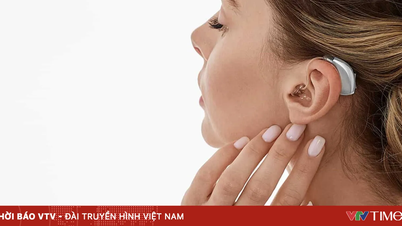
Experts also advise young people to maintain a healthy lifestyle, avoid prolonged late nights, and refrain from excessive use of electronic devices and headphones to prevent tinnitus and hearing damage.
Source: https://tuoitre.vn/tai-u-dai-dang-dan-den-mat-tap-trung-met-moi-phai-lam-sao-20251125085929274.htm
































































![[Video] Sunset at Lap An Lagoon – Where the sun sets over the fishing nets](https://vphoto.vietnam.vn/thumb/1200x675/vietnam/resource/IMAGE/2026/05/31/1780192137701_beach-landscape-sea-water-nature-grass-745871-pxhere-com.jpeg)







































Comment (0)