Children with dengue fever need dietary adjustments, including fruits rich in vitamins C and K, and iron-rich foods to boost their immune system.
According to nutritionist Nguyen Thi Thu Huyen from the Nutrition Department of Tam Anh General Hospital in Hanoi , one of the risk factors for dengue fever in children is a decrease in platelet count. Platelets are small blood cells that play a crucial role in the blood clotting process. They are formed in the bone marrow and circulate in the blood, preventing bleeding by forming blood clots. Children with dengue fever need sufficient vitamins, minerals, and protein to support the bone marrow's production of platelets.
Fruits rich in vitamin C
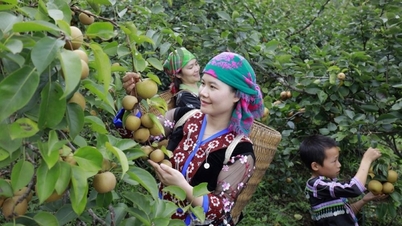
Vitamin C helps absorb iron, stimulates the production of white blood cells, thereby increasing the number of platelets. This antioxidant contributes to strengthening blood vessels, reducing the risk of bleeding. To increase vitamin C intake, parents should give their children plenty of fruits or juices such as oranges, grapefruits, tangerines, kiwis, strawberries, raspberries, tomatoes, and grapes.
Beetroot contains iron, folic acid, and vitamin C, which support natural blood purification and stimulate the production of red blood cells and platelets. Drinking beetroot juice may help increase platelet count.
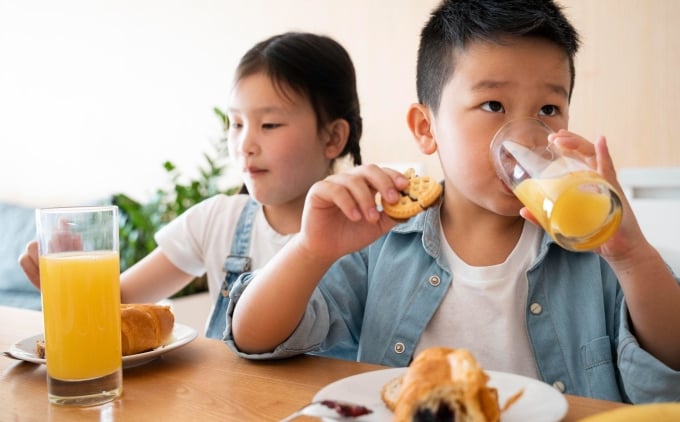
Children should eat and drink plenty of foods rich in vitamin C when they have dengue fever. Photo: Freepik
Vegetables and fruits
Vegetables and fruits rich in vitamins such as pumpkin, carrots, watercress, celery, broccoli, and beetroot help activate platelet levels and detoxify the body. Spinach contains a large amount of protein and vitamin K, which participates in the metabolism of clotting factors, reducing the risk of bleeding during dengue fever.


Pumpkin and nuts contain amino acids and vitamins essential for platelet formation. Parents can prepare delicious, easily digestible dishes to improve protein and vitamin A absorption. Pumpkin contains powerful antioxidants, which help inhibit the negative effects of toxins and free radicals.
Iron-rich foods
Iron is essential for the production of red blood cells and platelets. Iron-rich foods include red meat, poultry, seafood, lentils, spinach, and fortified cereals. Incorporating these into a daily diet helps children recover faster by increasing platelet count.
Vitamin B12 supplements
Vitamin B12 (cobalamin) plays a crucial role in red blood cell production. Foods of animal origin rich in vitamin B12 include fish, meat, chicken, eggs, and dairy products. Vitamin B12 deficiency can cause severe thrombocytopenia (low platelet count). Therefore, parents should prepare foods that supplement vitamin B12 when their children have dengue fever.
Yogurt
Probiotics (beneficial bacteria) found in yogurt are helpful in maintaining a healthy gut. Eating yogurt daily helps children with dengue fever strengthen their gut and recover faster.
Aloe vera
Aloe vera is rich in nutrients such as calcium, magnesium, phosphorus, potassium, zinc, sodium, copper, and vitamins C, E, and B. Aloe vera juice is beneficial for cardiovascular health and promotes platelet production.
Coconut water



Coconut water is an effective drink for increasing platelet levels in children with dengue fever. It reduces bleeding time and increases clotting time, thus increasing platelet count. Dengue fever can cause dehydration in children. Coconut water replenishes fluids and provides a source of vitamins A, B, and C, minerals such as calcium, potassium, magnesium, iron, and phosphorus, helping children recover quickly.
In addition to foods that should be included in the diet, children with this condition should avoid greasy foods, foods containing caffeine, carbonated drinks, spicy foods, and foods high in fat.
Emerald
| Readers can post questions about children's illnesses here for doctors to answer. |
Source link