


The shift from traditional paper-based data collection methods to digital data not only shortens collection and processing time but also improves the quality, accuracy, and transparency of statistical information, better meeting the requirements for directing and managing the province's socio-economic development.
From traditional methods to electronic data collection
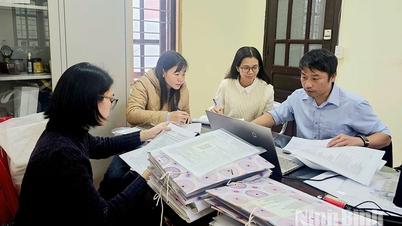
For many years, statistical data collection was primarily carried out using paper forms. This process required many manual steps, from field recording and transporting forms to data entry, aggregation, verification, and comparison. Not only was this method time-consuming and labor-intensive, but it also carried the risk of errors, duplication, difficulty in quality control, and often prolonged the time it took to publish data.
In the context of increasing demands for information to support management and administration, manual data collection methods reveal many limitations and are no longer suitable for the modernization of the administrative system and digital transformation. Given this reality, the application of information technology in statistical work is not only an objective requirement but also a strategic task.
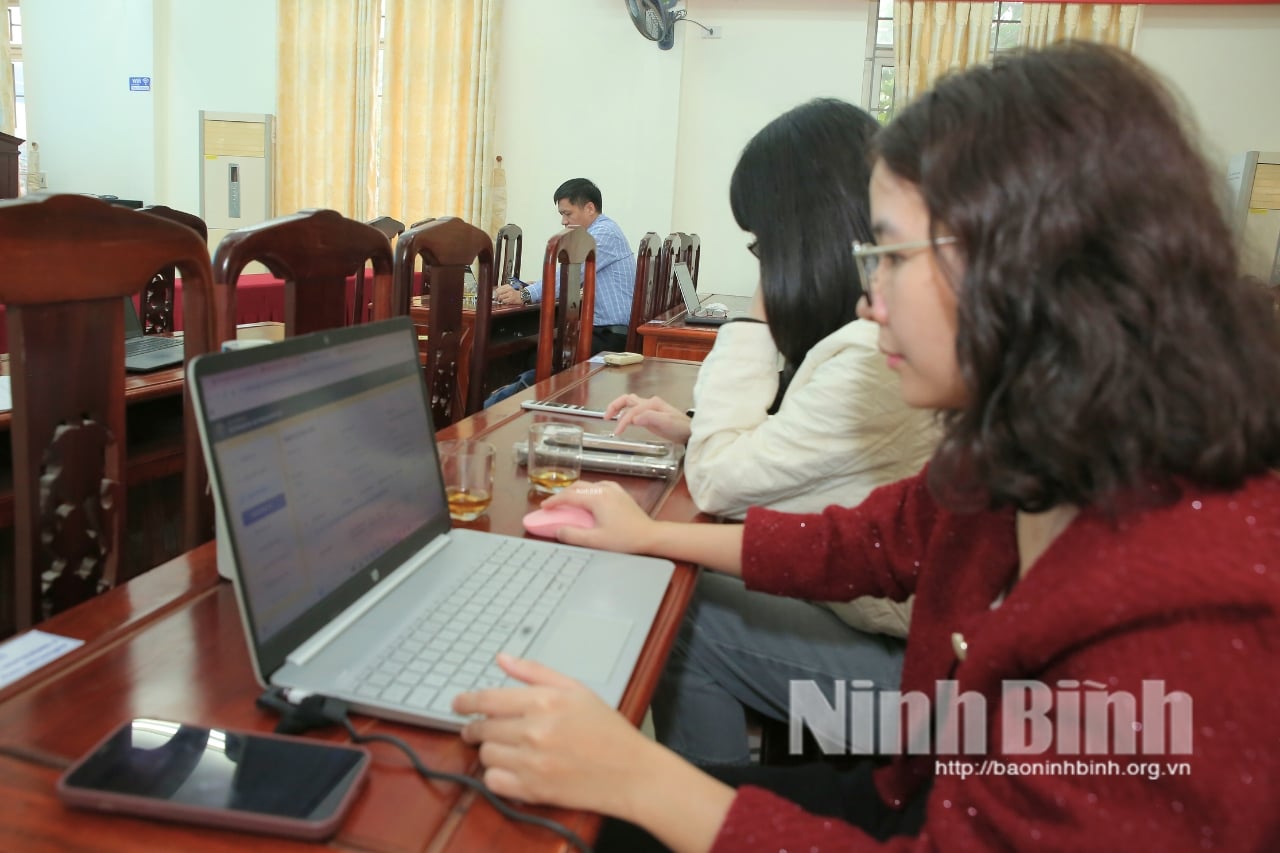
In line with the policy of modernizing the Statistics sector as stipulated in Decision No. 501/QD-TTg dated May 10, 2018, of the Prime Minister on the Project on the Application of Information and Communication Technology in the State Statistics System (Project 501), Ninh Binh Provincial Statistics has gradually and comprehensively reformed its data collection methods. Accordingly, in the period 2020-2025, technological solutions such as CAPI and Webforms have been implemented synchronously in most surveys and censuses in the province, creating a clear shift from "paper forms" to "electronic forms".
Comrade Le Thanh Tung, Deputy Head of Statistics of Ninh Binh, said: “The application of information technology has fundamentally changed the way statistical surveys are organized and conducted. From relying heavily on the personal experience and manual operations of surveyors, data collection is now standardized using software and tightly controlled from the input stage. Electronic forms are designed with integrated automatic logic checking systems, helping to detect and warn of inconsistencies in information in a timely manner, thereby minimizing errors compared to traditional paper forms.”
In censuses and housing surveys, agricultural and rural surveys, labor and employment surveys, living standards surveys, or population change surveys, CAPI is used as the primary data collection tool. Surveyors use mobile devices to directly input data at households; the information is encrypted and synchronized to the system as soon as a network connection is available. The software also automatically records the time and location of interviews, enhancing monitoring capabilities, transparency, and accountability of surveyors during the process.
For business surveys, Webforms have been widely implemented, allowing legally recognized entities to proactively declare information on labor, assets, revenue, and expenses using standardized electronic forms. Self-declaration not only facilitates businesses but also significantly reduces the workload for statistical agencies. Through the management system, surveyors and supervisors monitor the declaration progress, promptly review and verify cases with unusual signs, and ensure that collected data is accurate and consistent.
The flexible combination of CAPI and Webform has helped make data collection in Ninh Binh increasingly professional, efficient, and tailored to the specific characteristics of each survey group. By 2024, 100% of surveys conducted by the Provincial Statistics Department in the province will have applied information technology in data collection, creating an important foundation for building a modern, synchronized, and interconnected statistical data system.
Improving data quality to meet development management requirements.
Beyond just data collection, the application of information technology has yielded significant results in the management, processing, analysis, and dissemination of statistical information. Data collected from CAPI and Webforms is transferred directly to the servers of the Vietnam General Statistics Office, ensuring security, confidentiality, and facilitating data aggregation, extrapolation, and analysis.
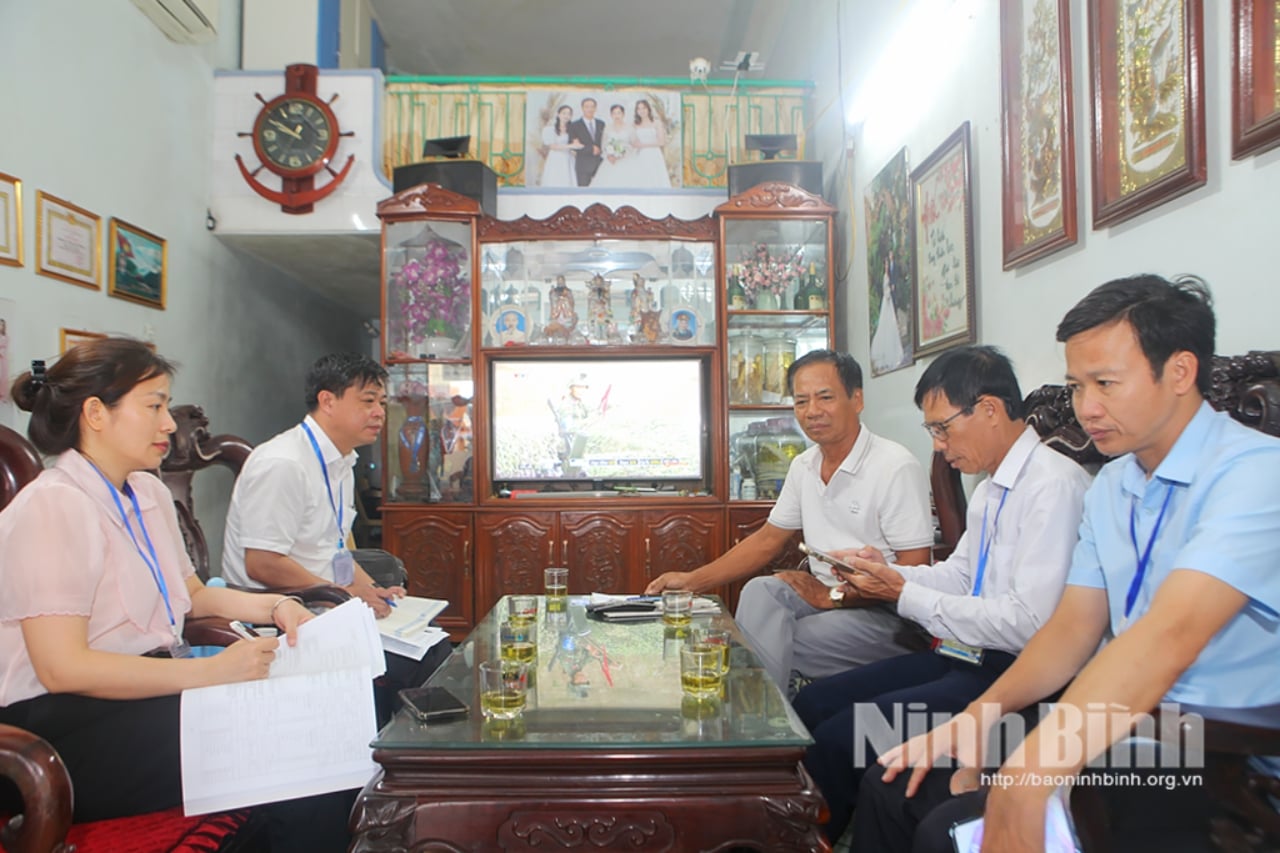
According to Deputy Head of Provincial Statistics Department Le Thanh Tung, the greatest benefit of applying information technology is the improvement in the quality and timeliness of statistical data. Thanks to data being updated almost in real time, monthly, quarterly, six-monthly, and annual socio-economic reports are compiled faster, more accurately reflecting the actual developments of the economy and social life in the province. This is especially important in the context of the increasingly demanding requirements for accurate, timely, and in-depth analytical information for the guidance and management of the Provincial Party Committee and the Provincial People's Committee.
Furthermore, the dissemination of statistical information has been modernized and made more visually appealing. Reports are no longer limited to traditional data tables but are presented using charts, infographics, and data visualizations, making them more accessible, understandable, and efficient for users. Regular press conferences to announce data, along with updates on the industry's website and the province's reporting system, have contributed to increased transparency and public trust in statistical data.
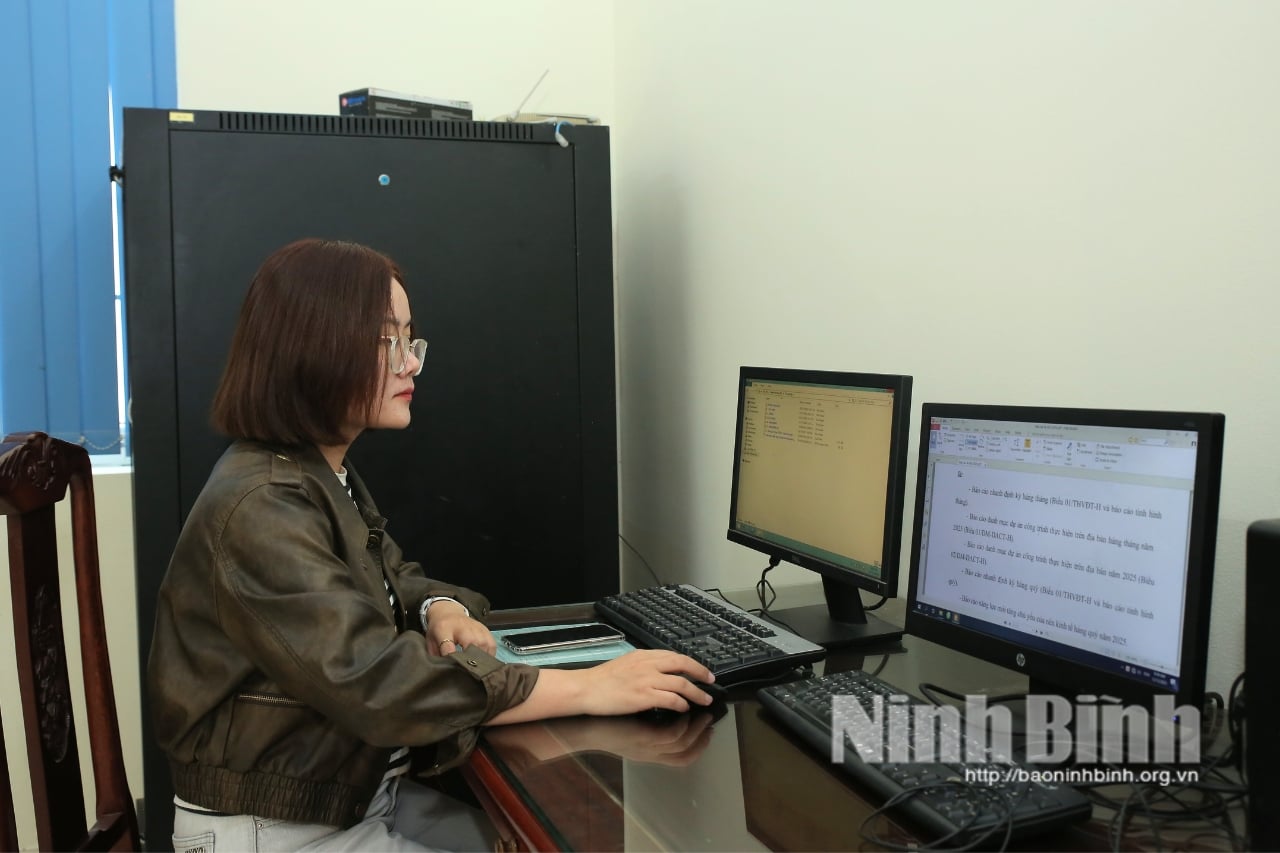
Simultaneously, the management and operation of the surveys have also been fully computerized. From compiling the list of survey areas, assigning surveyors, monitoring progress to verifying and evaluating the quality of the questionnaires, everything is done on specialized software. As a result, leaders at all levels can monitor the progress and quality of the surveys in real time, and promptly direct the handling of any arising issues.
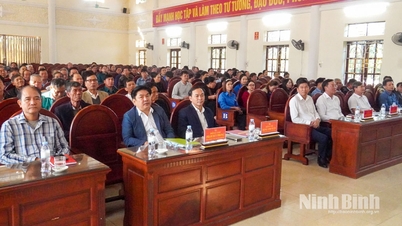
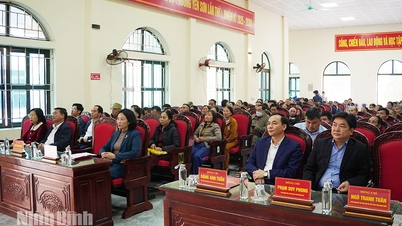
To ensure that technology truly delivers sustainable results, Ninh Binh Statistics Department places special emphasis on training and developing human resources. Training courses on using CAPI, Webform, and survey management software are regularly organized for surveyors and supervisors at all levels. Simultaneously, IT specialists are sent to participate in training courses on information security and data management, gradually meeting the increasingly high demands of the digital transformation process in the Statistics sector.
In the coming period, the Ninh Binh Statistics Department will continue to extensively implement Project 501 and the National Statistical Database Construction Project; expanding the scope of information technology application in surveys serving the management requirements of the sector and localities. The goal is to build a modern, synchronized, and interconnected statistical data system, thereby providing timely and accurate information, making a significant contribution to policy planning and promoting sustainable socio-economic development in the province.
Source: https://baoninhbinh.org.vn/ung-dung-cong-nghe-thong-tin-buoc-chuyen-can-ban-trong-cong-tac-thu-thap-du-lie-251217205050349.html


![[Photo] General Secretary To Lam visits the exhibition space showcasing books, photo exhibitions, and achievements of digital transformation in journalism.](/_next/image?url=https%3A%2F%2Fvphoto.vietnam.vn%2Fthumb%2F1200x675%2Fvietnam%2Fresource%2FIMAGE%2F2025%2F12%2F19%2F1766110879215_1766110240024-jpg.webp&w=3840&q=75)
![[Photo] Enchanting ancient rose garden on the mountainside in Nghe An](/_next/image?url=https%3A%2F%2Fvphoto.vietnam.vn%2Fthumb%2F1200x675%2Fvietnam%2Fresource%2FIMAGE%2F2025%2F12%2F19%2F1766109900916_vuon-hong-chin-do-thu-hut-du-khach-toi-check-in-o-ha-noi-3-20162778-1671624890024-1671624890104198100259.jpeg&w=3840&q=75)






















































































Comment (0)