

The goal is to essentially complete the entire route by 2035.
Presenting the project proposal, Deputy Minister of Transport Nguyen Danh Huy stated that the construction of the North-South high-speed railway aims to meet transportation needs, contribute to restructuring the transportation market share on the North-South corridor in an optimal and sustainable manner, and create a foundation and impetus for socio-economic development, ensuring national defense and security.
The government proposes that the National Assembly decide on the investment policy for the North-South high-speed railway project, to approve the investment policy at the 8th session of the 15th National Assembly, striving for basic completion by 2035.
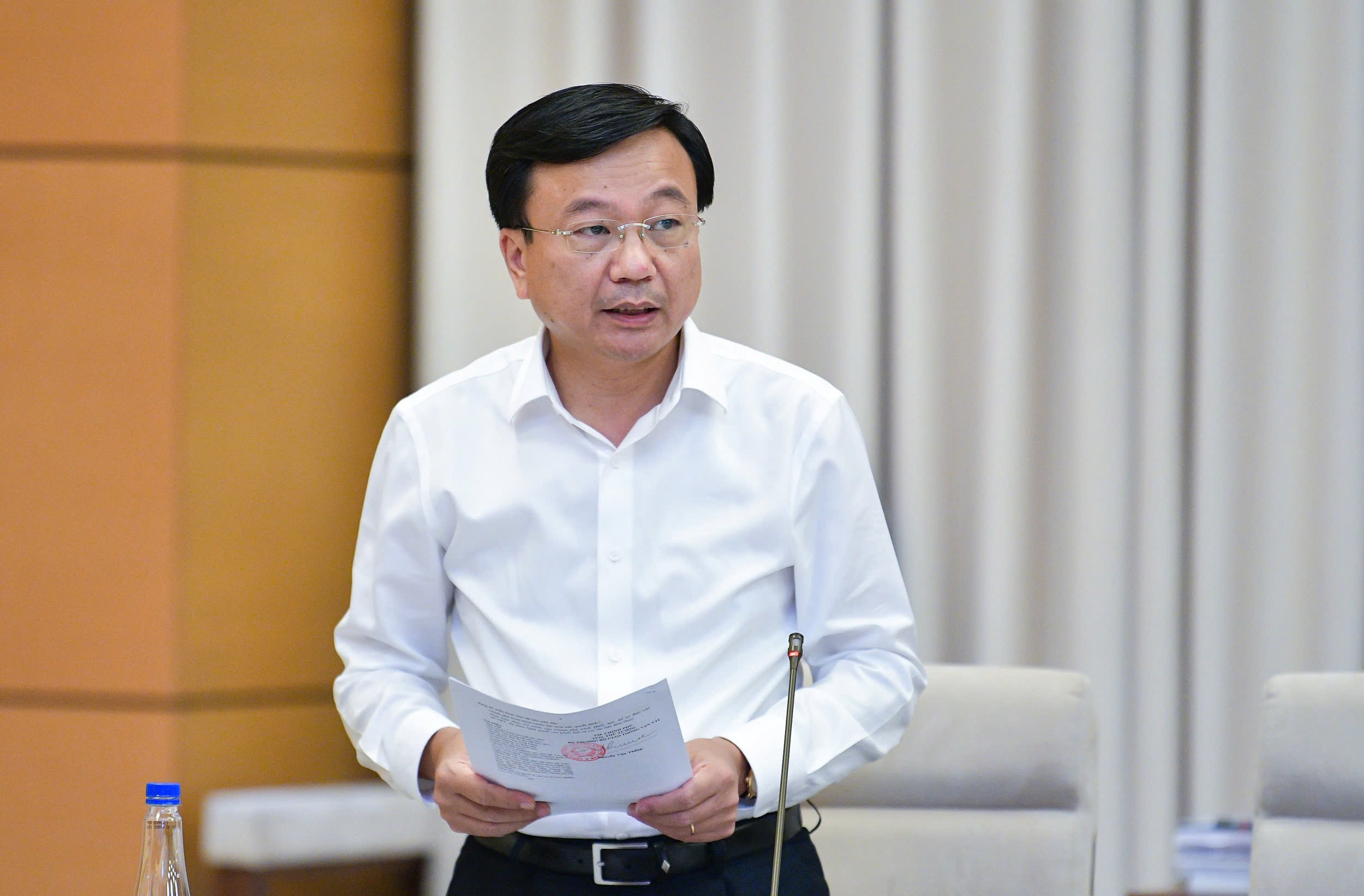
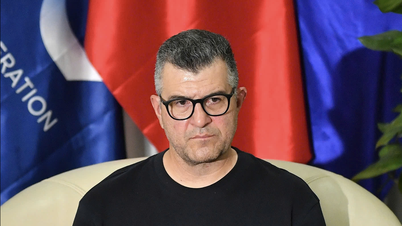
Deputy Minister of Transport Nguyen Danh Huy
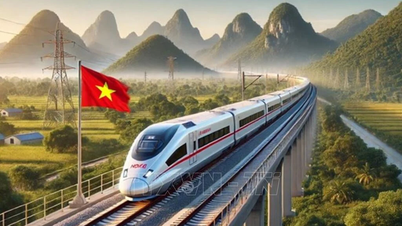
Accordingly, the project starts in Hanoi (Ngoc Hoi station) and ends in Ho Chi Minh City (Thu Thiem station). The total length of the line is approximately 1,541 km.
The project passes through the territory of 20 provinces and cities including: Hanoi, Ha Nam, Nam Dinh, Ninh Binh, Thanh Hoa, Nghe An, Ha Tinh, Quang Binh, Quang Tri, Thua Thien - Hue, Da Nang, Quang Nam, Quang Ngai, Binh Dinh, Phu Yen, Khanh Hoa, Ninh Thuan, Binh Thuan, Dong Nai, and Ho Chi Minh City.
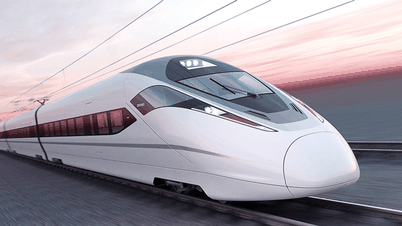
Investment scale: Construction of a new double-track railway line, 1,435mm gauge, electrified, with a design speed of 350km/h and a load capacity of 22.5 tons/axle; for passenger transport, meeting dual-use requirements for national defense and security, and capable of transporting goods when necessary.
The North-South high-speed railway route was studied and selected to be the shortest possible, using three main types of structures along the line: bridges accounting for approximately 60%, tunnels approximately 10%, and earthworks approximately 30% of the route length.
The project will include 23 passenger stations, with each station location expected to have a planned development area of 200-500 hectares; and 5 cargo stations, each with a scale of approximately 24.5 hectares.
During the development process, when localities form and develop urban areas with sufficient population and transportation demand, and the distance between stations meets technical requirements, the Government will assign the locality to take the lead in attracting investors to implement the project.
Preliminary land requirements are estimated at approximately 10,827 hectares with a total investment of about 1.7 million billion VND (equivalent to 67.34 billion USD). It is expected that state budget funds will be allocated in medium-term public investment plans to complete the project by 2035.
The capital is allocated over approximately 12 years, averaging around $5.6 billion per year, equivalent to about 1.3% of GDP in 2023 and about 1.0% of GDP in 2027.
Regarding the implementation schedule, it is expected that a pre-feasibility study report will be prepared in 2025-2026; construction will commence at the end of 2027; and the goal is to essentially complete the entire route by 2035.
The government also proposed that the project be implemented using a number of specific mechanisms, policies, and solutions.
A detailed and thorough assessment is needed to ensure feasibility.
During the meeting, delegates agreed on the necessity of implementing the project, but some delegates requested further clarification on the risks involved, as well as the funding sources and the feasibility of balancing the budget.
Representative Tran Van Khai, Standing Member of the National Assembly's Committee on Science, Technology and Environment, commented that this is an exceptionally large project, the first of its kind to be implemented in Vietnam, requiring significant resources and advanced technology…
Therefore, the delegates suggested that the Government continue to conduct a more detailed and thorough analysis and assessment with utmost caution in order to advise the competent authorities on making feasible decisions.
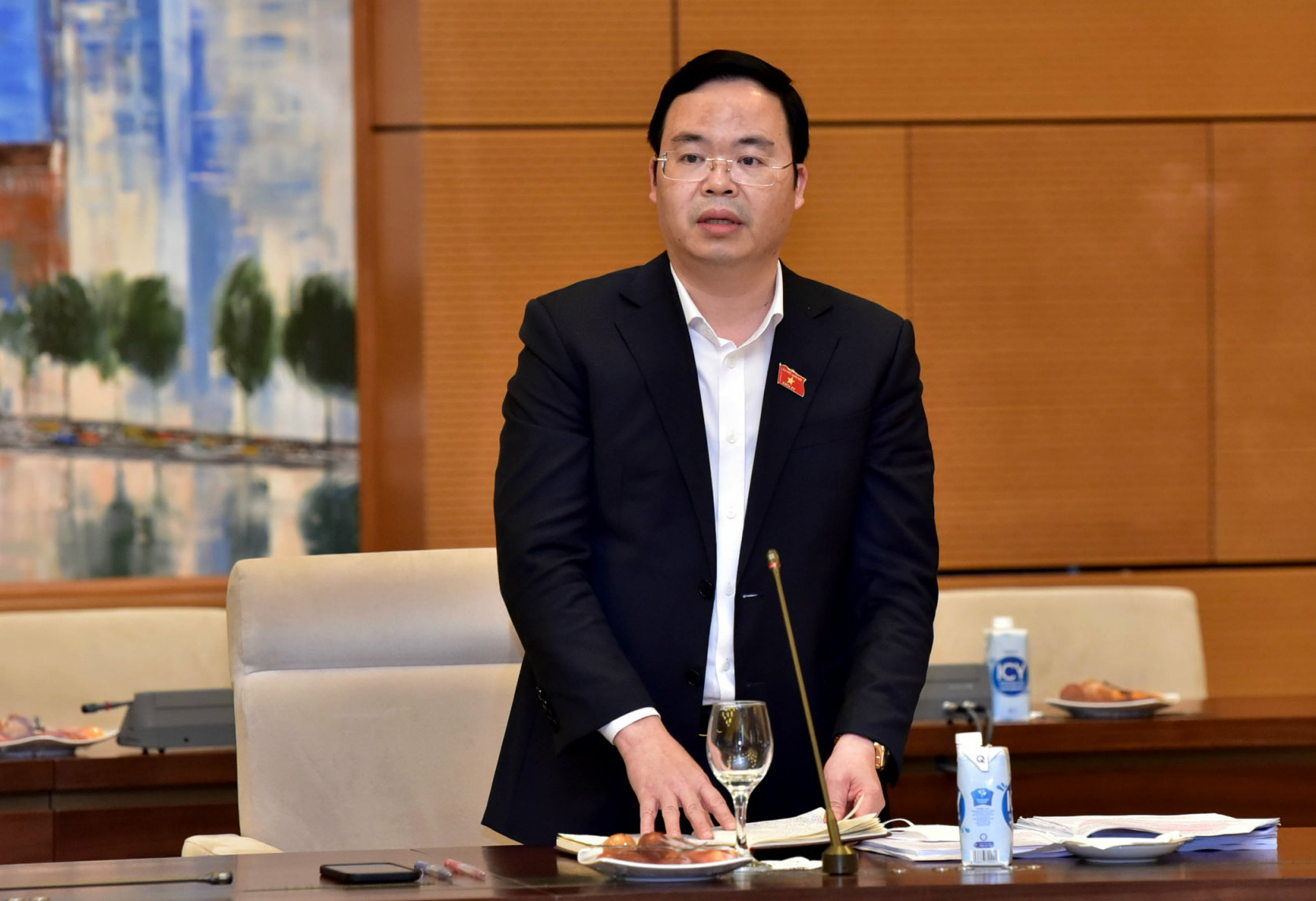
Representative Tran Van Khai, Standing Member of the National Assembly's Committee on Science, Technology and Environment.
Mr. Khai emphasized that since this is a public investment project, the risks of the project must, in principle, be clearly identified.
"Identifying risks is not about retreating, but about the approach to managing financial, organizational, and planning risks," Mr. Khai emphasized.
Regarding the submitted documents, Representative Khai stated that the Committee had studied them day and night and found them to be essentially sufficient.
However, according to him, the project dossier submitted to the National Assembly lacks the necessary documentation for proposing the conversion of forest land to other uses. According to the Government's submission dated October 19th, the total area to be cleared for the project is 10,827 hectares, including 242.9 hectares of special-use forest, 652 hectares of protection forest, and 1,671 hectares of production forest.
Given the area, the conversion of forest land for other purposes falls under the authority of the National Assembly; therefore, documentation is needed for the National Assembly to review.
Regarding the feasibility of capital allocation and public debt safety, Mr. Khai stated that the project's initial estimated cost was over $67.34 billion, largely from the state budget. However, considering the overall picture, the delegates suggested that careful consideration and balancing in comparison with many other projects are necessary.
For example, according to the road transport network plan for the period 2021-2030, with a vision to 2050, 9,000km of expressways must be completed. Specifically, 5,000km of expressways must be completed between now and 2030.
Regarding energy, the delegate pointed out that according to the Power Development Plan VIII, from now until 2030, 40,000 MW of capacity is needed, requiring a total investment of 134 billion USD. Failure to achieve this goal will lead to electricity shortages and hinder development in the upcoming digital era.
He noted that over the past 70 years, the electricity sector has built approximately 50,000 MW, but in just six years, we must build 40,000 MW. Since energy is a critical infrastructure, if we cannot balance it, we cannot balance all resources. Therefore, the delegate argued that contingency plans are necessary to ensure the best possible solutions.
Contributing to the session, Mr. Nguyen Van Than, a member of the National Assembly's Economic Committee, argued that domestic private enterprises should be allowed to participate in the project because private enterprises would find it cheaper than state-owned enterprises and FDI enterprises.
"If it's going to be entrusted to businesses, it needs to be done right from the start, so they can train the workforce and prepare the resources. Therefore, the resolution should state that it's being entrusted to private businesses, not that they are 'encouraging participation'," Mr. Than said.
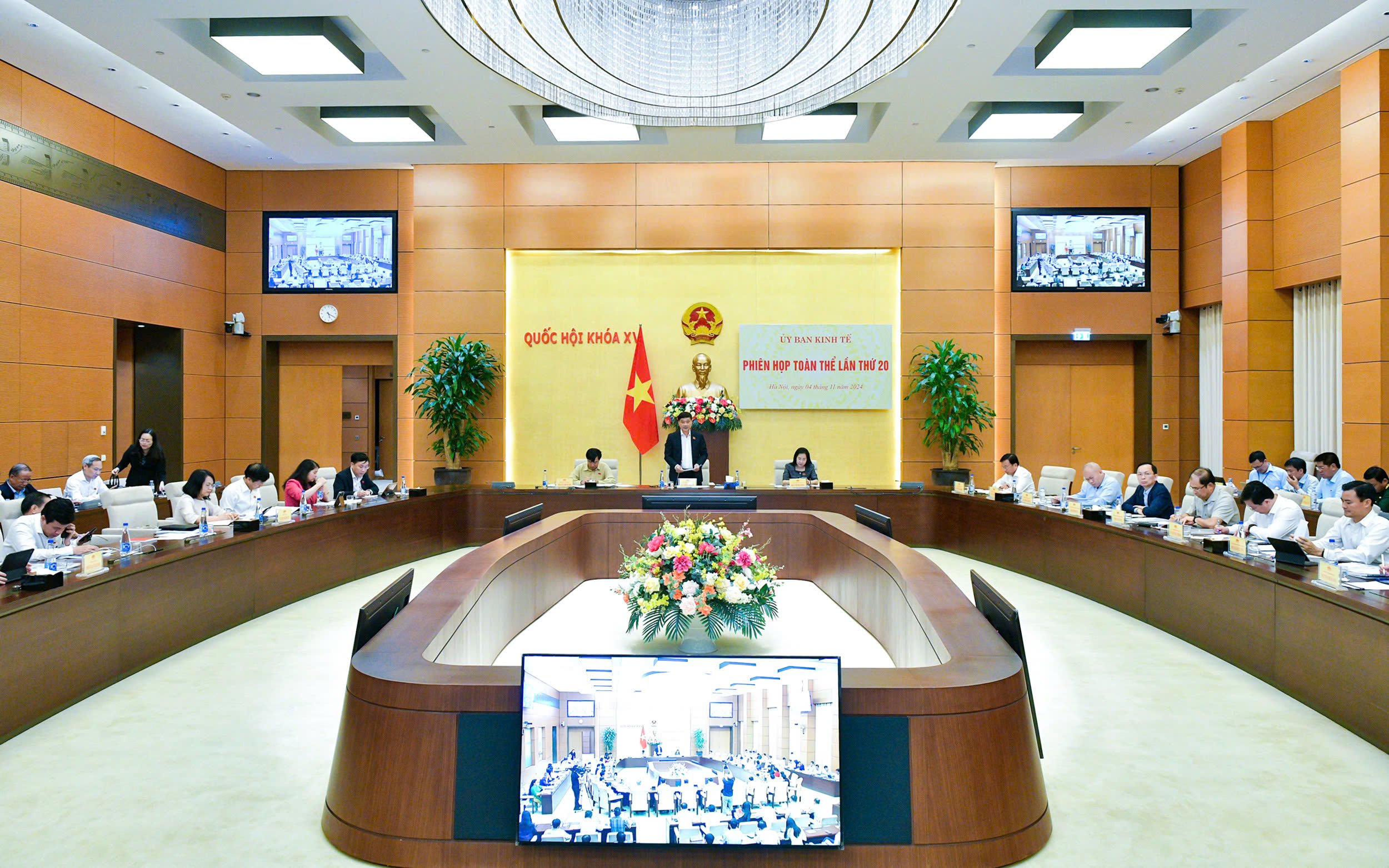
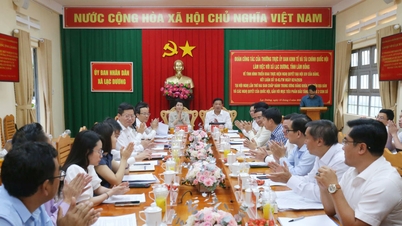
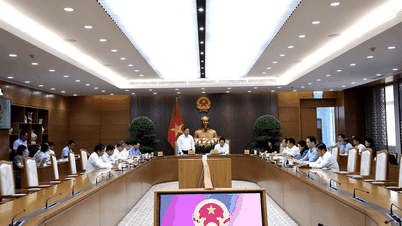
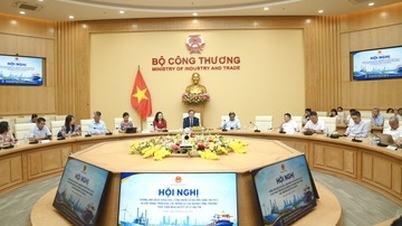
Overview of the meeting.
Regarding the land clearance process, Mr. Than stated: "We must separate these two tasks; we cannot carry out construction and land clearance simultaneously. This is similar to the implementation of the Long Thanh airport project."
According to Mr. Than, the task should be entrusted to local authorities on the basis of cooperation between both sides.
Regarding resources, Representative Than stated: "We see many sources. The government issues bonds, which will mobilize capital from the people. The second source is bank financing; if the government guarantees it, the banks will lend immediately."
It's not just about public investment, but also about mobilizing resources from other sources.
Explaining and clarifying the issue of funding sources and the ability to balance capital, Mr. Do Thanh Trung, Deputy Minister of Planning and Investment, said: Vietnam is developing, and the need for investment, especially in infrastructure, is enormous.
"Especially strategic infrastructure, which requires concentrated and large resources to be proactive and effective," Deputy Minister Do Thanh Trung emphasized.
Mr. Do Thanh Trung pointed out that since the Public Investment Law was enacted, the Government has made great efforts to prioritize investments. In particular, in the last two terms, infrastructure, especially road transport infrastructure, has received significant investment.
Regarding the North-South high-speed railway project, Mr. Trung stated that this is the first time the Ministry of Planning and Investment has appraised a project that has surpassed three medium-term investment periods (from 2021-2025, 2025-2030, and 2031-2035).
"That's why the Government has proposed three special mechanisms to the National Assembly, which will enable us to mobilize all available resources. If we only rely on public investment, it will certainly be very difficult to balance the budget," Mr. Trung said.
Regarding the medium-term public investment plan for 2021-2025, according to Mr. Trung, the Government has already allocated over 538 billion VND for project preparation and does not require additional funding from the National Assembly.
"There are some things that cannot be done if regulations and unit price standards are applied."
Speaking at the session, Deputy Minister of Transport Nguyen Danh Huy stated that this is an extremely difficult project, and the project dossier has incorporated the opinions of National Assembly deputies, divided into many groups of issues since 2011. In addition, there are 163 opinions from Central Committee members at the recent 10th Central Committee meeting.
"The Ministry of Transport is very receptive. We are fully receptive to the opinions of the delegates; these are very valuable suggestions, and there are some issues we haven't fully anticipated," Mr. Huy said.
Further explaining the regulations and standards, Deputy Minister Nguyen Danh Huy said that currently only four countries have developed their own high-speed rail standards, while the remaining countries are applying existing international standards, translating them for applicability.
"The Law on Regulations and Standards also allows for this," Mr. Huy said, adding that the framework of standards is only finalized at the feasibility stage of the Construction Law. Therefore, the Ministry of Transport is currently not setting any specific technological direction to avoid dependence on others.
Regarding power supply and synchronization capabilities, Deputy Minister Nguyen Danh Huy stated that the load of the power supply system for the power plant and the power supply system for the station have now been calculated.
"We have coordinated with the Ministry of Industry and Trade to conduct a comprehensive review of the Power Development Plan VIII. This includes calculations for ensuring sufficient power supply. There are also plans for nuclear power generation to ensure 24/7 energy operation," Mr. Huy said.
Regarding investment costs, the Deputy Minister of Transport explained that in other parts of the world, costs are not managed in the same way as in Vietnam.
"There are things that we can't do if we regulate and set unit prices as we do. According to current regulations, some technologies require trial construction before issuing unit prices. Other technologies only require the contractor to bring in machinery and equipment when the project begins. Without the machinery and equipment, it's impossible to construct a trial section to establish unit prices," Mr. Huy said.
The Deputy Minister of Transport added that, based on international experience, they take the average investment cost of each item such as signaling systems, locomotives and rolling stock, and then use that cost cost to select the best option through a bidding process.
"Therefore, among the 19 special mechanisms under the authority of the National Assembly, we are also requesting one such mechanism," Mr. Huy said.
Regarding policy mechanisms, the Ministry of Transport hopes that National Assembly deputies will provide further feedback to help the Ministry refine them, aiming for compliance with legal regulations and meeting the directives of competent authorities, especially to successfully implement Resolution 55 of the 10th Central Committee Meeting of the 13th Party Congress.
Agreement on the necessity of investment, speed, and scale.
In his concluding remarks, Chairman of the Economic Committee Vu Hong Thanh stated that all opinions at the meeting were in agreement on the necessity, speed, and scale of investment.
Mr. Thanh also took the time to offer his opinions on various issues. In particular, regarding the project's functionality, Mr. Thanh pointed out that the key consideration should be whether to combine both passenger and cargo services, as combining the two would increase the total investment.
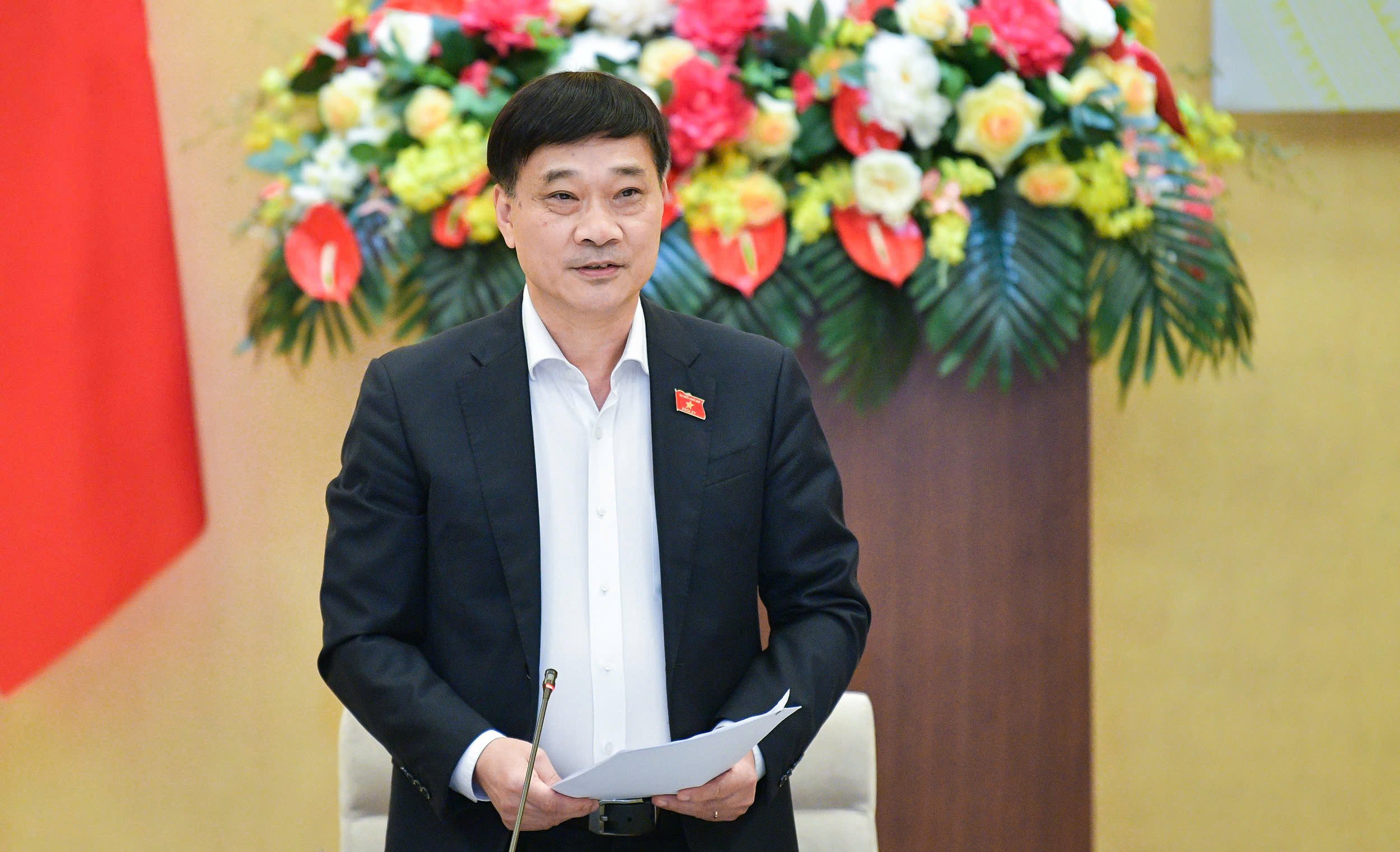
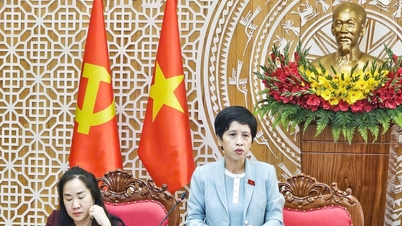
Chairman of the Economic Committee Vu Hong Thanh.
In his personal opinion, the Chairman of the Economic Committee believes that passenger transport should be separated, while freight transport should utilize existing waterways and railways, thus making the financial plan more efficient.
Regarding the proposed option of increasing the height of the elevated bridge as suggested by the delegates, Mr. Thanh stated that its suitability needs to be considered, as building an elevated bridge would significantly increase costs. However, if such an option ensures safety, it would still be better than building on the ground, which could later affect ship operations if problems arise.
Regarding funding, he emphasized that this is a very challenging issue, given the many large, key projects still unfinished. Therefore, he suggested that the ability to meet funding requirements and the safety of public debt need to be clarified.
![[Photo] General Secretary and President To Lam presides over a meeting on the implementation of Directive No. 34-CT/TW of the Party Central Committee.](https://vphoto.vietnam.vn/thumb/1200x675/vietnam/resource/IMAGE/2026/05/19/1779187768672_a1-bnd-2350-631-jpg.webp)
![[Photo] Capturing the moment the tide recedes at Yen Binh Son rapids - a million-year-old scenic spot in Quang Ngai.](https://vphoto.vietnam.vn/thumb/1200x675/vietnam/resource/IMAGE/2026/05/19/1779175463885_yen9-1199-jpg.webp)
![[Photo] National Assembly Chairman Tran Thanh Man attends the groundbreaking ceremony for the National Highway 1A spatial axis project.](https://vphoto.vietnam.vn/thumb/1200x675/vietnam/resource/IMAGE/2026/05/19/1779161360398_ndo_br_bnd-1412-jpg.webp)







































![[Photo] General Secretary and President To Lam receives Indian Defense Minister Rajnath Singh](https://vphoto.vietnam.vn/thumb/402x226/vietnam/resource/IMAGE/2026/05/19/1779184046302_anh-man-hinh-2026-05-19-luc-16-46-58.png)





















Comment (0)