
The Gong Culture Space of the Central Highlands spans five provinces: Kon Tum, Gia Lai, Dak Lak , Dak Nong, and Lam Dong. The main communities include more than ten ethnic groups who have lived here for generations, such as the Bana, Sedang, Gia Rai, Ede, Mnong, Coho, and Ma…

According to the beliefs of the Central Highlands people, gongs and cymbals are sacred objects, and they believe that behind each gong and cymbal resides a deity. As sacred objects, the sound of gongs and cymbals is also sacred, and people use these musical instruments as a "language" to communicate, express their thoughts and wishes to the deities.

In the past, gongs were mainly used in rituals such as naming ceremonies, weddings, new village founding ceremonies, new communal house construction ceremonies, health blessing ceremonies, land selection ceremonies, clearing fields, and planting... Gongs were used most extensively and concentratedly in buffalo sacrifice ceremonies and funeral rites. Each ritual usually had its own unique gong melody.

Gongs are also closely associated with family and community cultural activities in some ethnic groups. Gong music is always accompanied by ritual dances, and each ethnic group, community, and village has its own unique dances. Today, gongs are also used in everyday cultural activities.

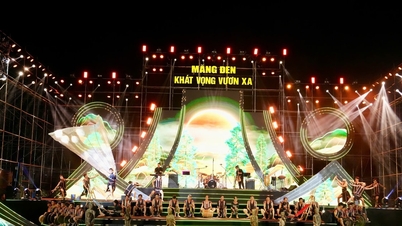
Over time, gongs have become sacred symbols, playing an important role in the lives of the ethnic groups in the Central Highlands. Every year, the provinces of the Central Highlands organize gong festivals, where people can interact and perform gong music together, and where tourists can enjoy the powerful, heroic, and captivating melodies of the gongs.
Heritage Magazine




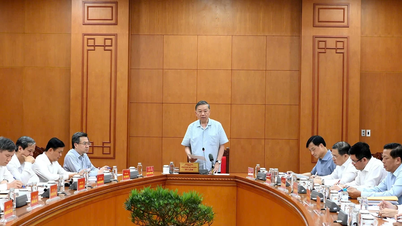
![[Photo] General Secretary and President To Lam presides over a working session with the Central Policy and Strategy Committee on the development of the materials industry.](https://vphoto.vietnam.vn/thumb/1200x675/vietnam/resource/IMAGE/2026/05/21/1779359935432_a3-bnd-3129-1412-jpg.webp)
![[Photo] National Assembly Chairman Tran Thanh Man working with the Standing Committee of the Law and Justice Committee](https://vphoto.vietnam.vn/thumb/1200x675/vietnam/resource/IMAGE/2026/05/21/1779378929214_ndo_br_1-4610-jpg.webp)








![[Photo] National Assembly Chairman Tran Thanh Man working with the Standing Committee of the Law and Justice Committee](https://vphoto.vietnam.vn/thumb/402x226/vietnam/resource/IMAGE/2026/05/21/1779378929214_ndo_br_1-4610-jpg.webp)
























































Comment (0)