

Traditional culture - a source of creative energy.
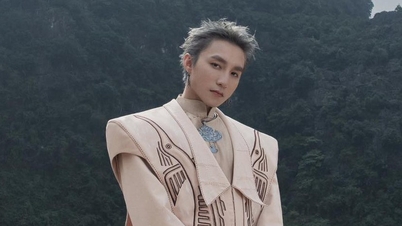
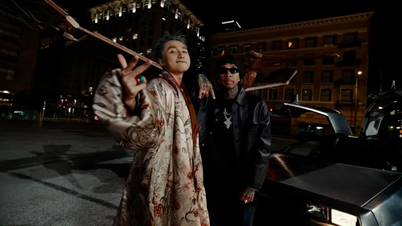
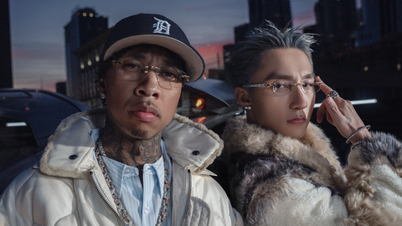
In today's cultural landscape, a music video is no longer just a product to listen to and watch. It can be a media event, a visual space, an aesthetic statement, a way of telling a story about identity, or even a "touchpoint" of national soft power. Therefore, Sơn Tùng M-TP's " Come My Way " deserves to be seen not only as the new song of a famous artist, but as a sign that young Vietnamese artists are increasingly aware of integrating national culture into the global creative flow.
Despite some controversial details, it's undeniable that the music video has encouraged young audiences to talk more about Vietnamese cultural symbols, become more curious about Vietnamese heritage, and reconsider the question: how can traditional culture survive in modern life? This is a very important question. For a long time, we've often talked about preserving culture as a task of safeguarding it and preventing its disappearance. That's true and necessary, but in the era of the cultural industry, it's not enough. For heritage to live on, it must be practiced, retold, recreated, created, and transformed into products, experiences, images, and emotions that can reach today's audience.
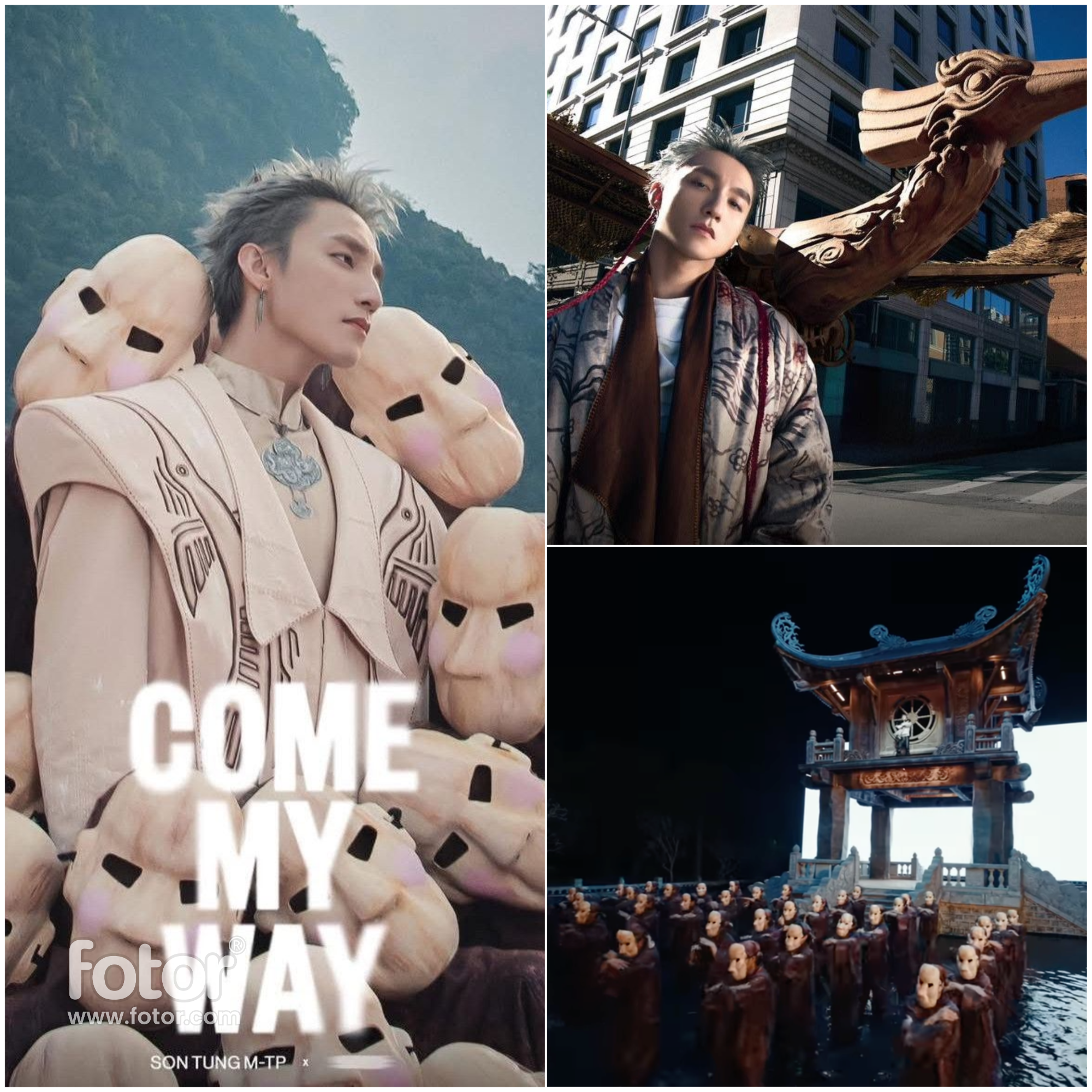
Therefore, incorporating traditional cultural elements into music , fashion, film, fine arts, games, design, and digital media is a direction that should be encouraged, so that heritage can have a new life. It's not about turning tradition into decorative props, but about transforming tradition into a source of creative energy. It's not about chasing fleeting trends, but about creating new avenues for Vietnamese identity to reach the world.
Looking at the world, many countries have succeeded by transforming their culture into soft power. South Korea incorporates hanbok, cuisine, Hangeul script, palaces, folk music, and traditional aesthetics into films, K-pop, fashion , tourism, and entertainment products. Japan incorporates kimono, samurai, ukiyo-e, manga, anime, tea ceremony, and minimalism into its creative industries. India brings Bollywood, sari, dance, mythology, festivals, and the vibrant colors of its indigenous culture to the global stage. Thailand leverages its cuisine, festivals, Buddhism, clothing, and local life to create a unique impact in tourism, film, and media…
Vietnam possesses an incredibly rich cultural heritage. Each of these elements can become a source of inspiration for music, fashion, film, design, games, tourism , publishing, digital art, and many other creative fields. The question is whether we have the capacity to transform this material into high-quality, aesthetically pleasing products with a market and the potential for international reach.
Understanding your roots, confidently creating.
From the story of the music video "Come My Way ," we can see three important requirements for promoting Vietnamese culture to the world.
First and foremost , be confident in your identity. Singing in English, collaborating with international artists, filming abroad, and using modern production technology can all be gateways to the global market. But if we enter through those doors with an indistinct identity, it will be very difficult to be remembered. Vietnamese identity is not a hindrance but an advantage in integration. An English song can still be very Vietnamese if it contains a Vietnamese spirit, Vietnamese symbols, Vietnamese aesthetics, and a Vietnamese story.
Secondly , creativity is built on understanding. Every cultural symbol has a history, layers of meaning, a community of ownership, a level of sacredness, and social memory. Therefore, artists, designers, directors, producers, and content creators, when exploiting cultural materials, need to conduct serious research, consult experts, and listen to the community. In many developed cultural industries, cultural consultants are an integral part of film, fashion, theater, game, and advertising production.
Cultural advisors are not meant to censor creativity, but to help it become deeper, more accurate, more beautiful, and to avoid unnecessary mistakes. Vietnam also needs to cultivate this habit. The deeper the understanding, the more layers of meaning there are in creativity. An artist who understands heritage can transform the spirit of heritage into a new language, making tradition both familiar and surprising, both rooted in tradition and with a future.
Thirdly , we need to build an ecosystem for promoting culture, rather than relying solely on a few outstanding products. A music video might create an effect, but for that effect to become a sustainable flow, it requires the collaboration of education, museums, media, research, businesses, local communities, tourism, technology, and policy.
If a music video sparks public curiosity about the mythical Lac bird, it needs engaging digital content to help people understand what the Lac bird is, the significance of the Dong Son bronze drums, and how these symbols appear in Vietnamese cultural life. If a fashion product is inspired by folk paintings, it needs museums, schools, digital platforms, and media programs to help the public learn more about Dong Ho, Hang Trong, and Kim Hoang paintings. If a film explores history, it needs an ecosystem of publishing, tourism, exhibitions, and education to ensure the story continues to spread.
Promoting national culture must become a long-term strategy, in which heritage is digitized, cultural data is expanded, creators have access to accurate sources, artisans are connected with designers, museums are renovated, schools inspire a love of culture, businesses see the economic value of identity, and the media knows how to tell cultural stories in an engaging language.
Here, the role of influencers is crucial. A major artist, a renowned designer, a highly influential director, or a content creator popular with young people can bring Vietnamese culture to millions in a very short time. They can turn an ancient symbol into a trending topic, a folk melody into a familiar sound, a traditional costume into an aesthetic trend, or a cultural landmark into a tourist destination.
But with great influence comes great responsibility, because every time a Vietnamese symbol is used, it's a way of telling the national story. Therefore, while encouragement is needed, we also need to support and create mechanisms for creativity and knowledge to meet: artists meeting researchers, designers meeting artisans, businesses meeting museums, digital platforms meeting cultural data repositories, schools meeting creative spaces…
From "Come My Way ," we realize that traditional culture remains vibrant in contemporary life, and today's youth are not indifferent to their identity. Therefore, promoting Vietnamese culture to the world must begin with a belief: we possess a culture that is deep, beautiful, and rich enough to capture the world's attention. But this belief must be accompanied by organizational capacity, creative capacity, storytelling ability, and the ability to protect our identity. We must transform pride into products, images, experiences, brands, and beautiful memories in the hearts of the international public.
Source: https://daibieunhandan.vn/van-hoa-dan-toc-trong-dong-chay-sang-tao-toan-cau-10419073.html
![[Photo] First session of the 14th Congress of the Vietnam Trade Union](https://vphoto.vietnam.vn/thumb/1200x675/vietnam/resource/IMAGE/2026/06/03/1780465947883_ndo_br_img-3852-jpg.webp)
![[Photo] General Secretary and President To Lam presides over a meeting with the Central Organizing Committee.](https://vphoto.vietnam.vn/thumb/1200x675/vietnam/resource/IMAGE/2026/06/03/1780482764658_a1-bnd-4741-3342-jpg.webp)
![[Photo] Secretary of the National Assembly Party Committee, Chairman of the National Assembly presides over the meeting of the Standing Committee and Executive Committee of the National Assembly Party Committee.](https://vphoto.vietnam.vn/thumb/1200x675/vietnam/resource/IMAGE/2026/06/03/1780480353201_ndo_br_bnd-2585-jpg.webp)
































![[Video] Sunset at Lap An Lagoon – Where the sun sets over the fishing nets](https://vphoto.vietnam.vn/thumb/1200x675/vietnam/resource/IMAGE/2026/05/31/1780192137701_beach-landscape-sea-water-nature-grass-745871-pxhere-com.jpeg)

















Comment (0)