

 |
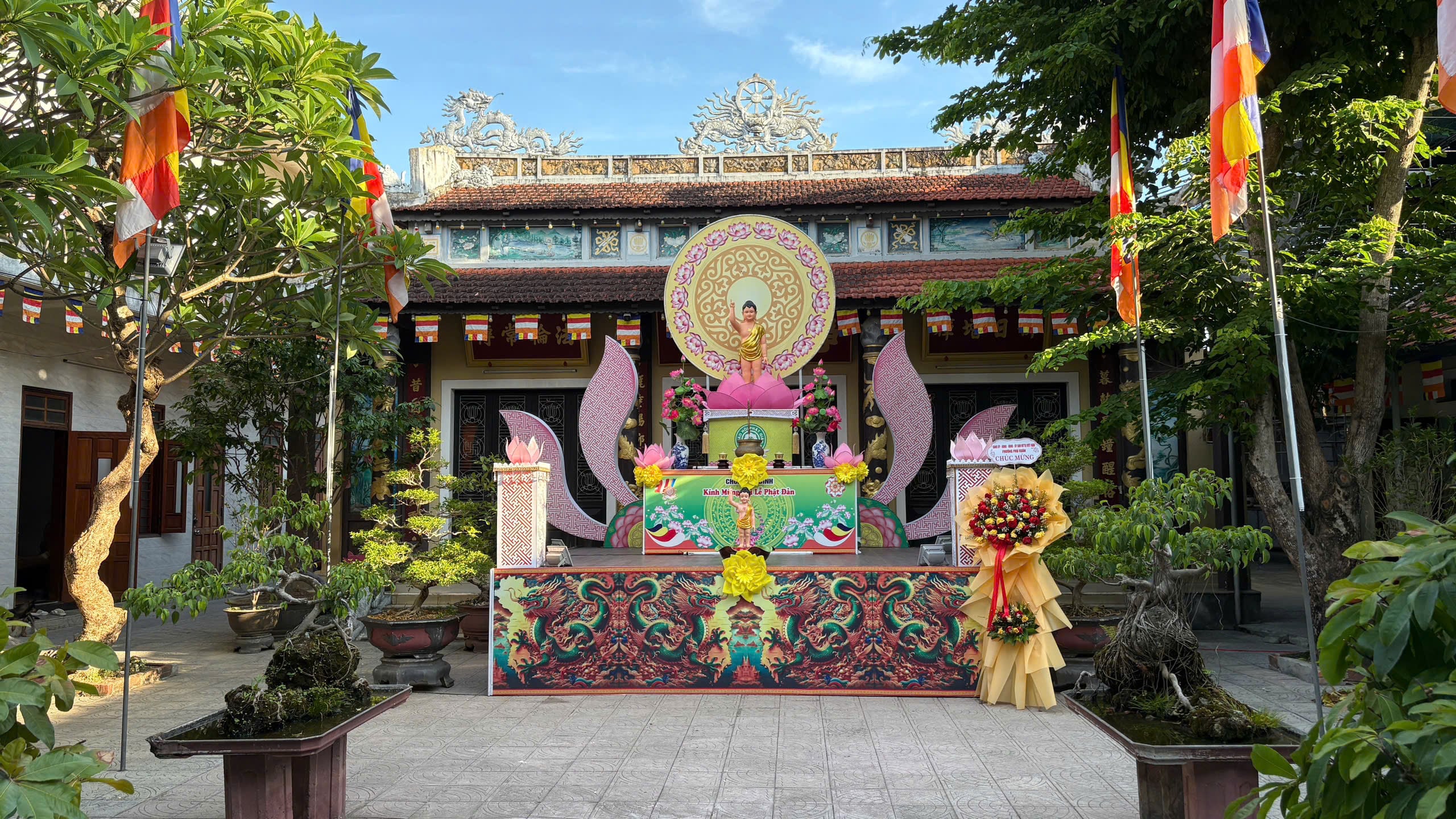
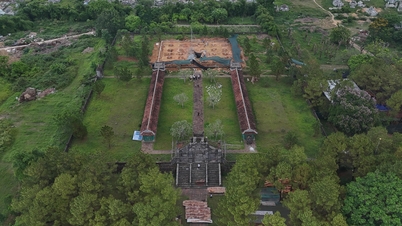
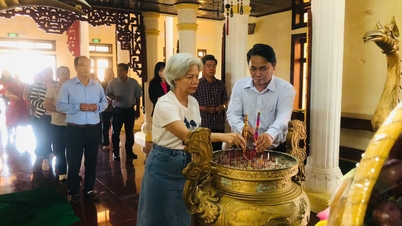
| Hue has hundreds of temples of all sizes, including ancient temples that are several hundred years old. Photo: NQ |
So, one time my friend from Hanoi, happily traveling in Hue, frantically called me: "Hey, why are all the noodle shops near my hotel closed today, even though they usually sell until noon? Is something wrong in Hue?" It took me a moment to remember: "Oh, today is the full moon, they're not selling. Why don't you go eat some vegetarian noodles instead?" After a moment of bewilderment, my friend understood, and when she came back at noon, she excitedly praised the vegetarian noodles, saying they were truly Hue-style, unlike anywhere else...
Perhaps my friend doesn't know, but many shop owners close for another reason: to go to the temple.
Hue has hundreds of temples of all sizes, including ancient ones that are several hundred years old. Hue's temples are beautiful, serene, peaceful, and ancient, which is why many people want to visit them. Strolling around the temple grounds, then entering the main hall to worship Buddha, slowly and leisurely – just that alone brings a feeling of lightness and peace to the heart.
But for the people of Hue, going to temples isn't just about sightseeing; it's about immersing themselves in the local way of life. They tend the gardens, clean the temple grounds, and help the monks or nuns with Buddhist duties. If they have more free time, they might help in the kitchen, preparing a simple meal, and chatting happily in the harmonious atmosphere with the monks and nuns. Just that alone brings them joy.
Hue's temples are usually busiest during major holidays such as Tet (Lunar New Year), Buddha's Birthday, and the Vu Lan Festival (a Buddhist festival honoring parents). However, Hue Buddhists also have the custom of visiting temples on the 15th, 30th, and 1st of each lunar month. After meticulously preparing their homes, offering flowers, incense, and prayers at the Buddha altar and ancestral altar, they will go to the temple, greet the monks, recite a period of scripture, and feel a sense of peace.
My teacher, who was born into a family of devout Buddhists in Hue, said that people in Hue traditionally went to temples to pray for peace, not for fortune or wealth. And the most important thing was that going to the temple meant self-improvement, living a pure and virtuous life, doing good deeds, and not harming others. For the people of Hue, living a good life was the most beneficial offering.
And when going to the temple, one should eat vegetarian food. People in Hue believe that eating vegetarian food is also a way to dedicate merit to their ancestors and parents.
According to the book "History of Buddhism in Hue" by Ha Xuan Liem and Thich Hai An (published in 2001), 80% of the population in Hue follows Buddhism. Today, that number may change, but what has become deeply ingrained in the hearts and culture of the region will likely endure through the years. This includes the gentle, tolerant, benevolent, and quiet way of life of the people of Hue. It also includes the healthy eating habits that have become a unique culinary tradition of Hue: vegetarianism. Nowhere else are vegetarian dishes as delicious, visually appealing, abundant, and diverse as in Hue.
As for my friend from Hanoi, I don't know how she found out about it later, but she insisted that the next time she came to Hue, she wanted me to "take her to the temples, please. I heard that the temples in Hue are very peaceful and beautiful, not as chaotic as some other places."
Okay, I'm happy to welcome you.
Source: https://huengaynay.vn/doi-song/ve-hue-di-chua-166126.html
![[Image] Nearly 125,000 Hanoi students completed the Literature exam for the 10th grade entrance exam.](https://vphoto.vietnam.vn/thumb/1200x675/vietnam/resource/IMAGE/2026/05/30/1780117233041_ndo_br_thiet-ke-chua-co-ten-2-png.webp)




















































































Comment (0)