

According to Dr. Bui Thi Yen Nhi, Specialist Level 1, University Medical Center of Ho Chi Minh City - Branch 3, bloating after eating is characterized by discomfort and a feeling of fullness in the abdominal area, possibly accompanied by belching and feeling full quickly. This is a common condition, which may simply be a symptom of functional dyspepsia, but can also be an early sign of certain diseases such as atrophic gastritis, IBS, etc., affecting daily life and even work.
An unhealthy diet and excessive consumption of sugary and fatty foods can lead to low body heat. This low heat accumulates in the spleen and stomach, hindering blood circulation and causing bloating. Therefore, it is necessary to avoid greasy, cold, and hard foods, while reducing gas-producing foods and supplementing with fiber-rich foods. This is beneficial for those who frequently experience bloating.
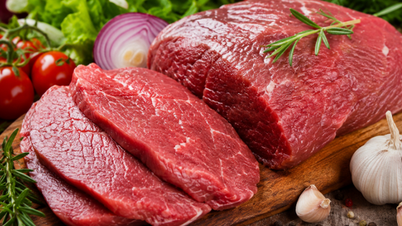
Eating too quickly or talking while eating can cause a large amount of air to enter the digestive tract along with the food. Eating slowly and chewing thoroughly helps with better nutrient absorption and digestion, avoiding bloating and indigestion. Chewing multiple times slows down the eating process. According to studies, on average, food should be chewed about 30-32 times. Hard, chewy foods like steak may require up to 40 times. After eating, sit or take a light walk for 10-15 minutes to promote bowel movements.

Prolonged stress and anxiety, insomnia, and emotional agitation can affect the spleen and stomach's function in transporting and metabolizing food, leading to bloating.
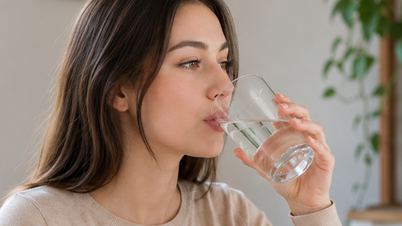
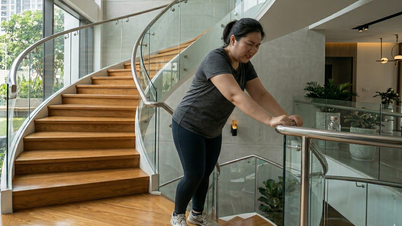
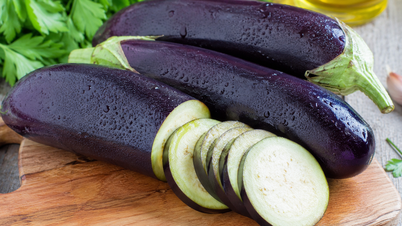
ILLUSTRATIVE PHOTO: AI
Measures to reduce bloating
Besides changing lifestyle habits, according to Doctor Yen Nhi, some spices added to cooking, such as onions, ginger, pepper, garlic, cinnamon, and dill, stimulate the production of enzymes to break down food, helping to improve digestion and thus reduce bloating. Additionally, you can cook yam and lotus seed porridge, pumpkin and carrot porridge, or brew tangerine peel tea or peppermint tea to help nourish the spleen and stomach function and stimulate digestion.
Prolonged stress, anxiety, insomnia, and emotional agitation can affect the spleen and stomach's function in transporting and metabolizing food, exacerbating qi stagnation and blockage. Food can become stagnant in the stomach, leading to bloating, slow digestion, and feeling full quickly. Therefore, moderate exercises such as relaxation breathing, Tai Chi, and stationary cycling can help regulate the spleen and stomach, clear qi blockages, and reduce bloating.
"When persistent bloating after meals (lasting more than 3 months) is accompanied by weight loss, fever, abdominal pain, progressive difficulty swallowing, painful swallowing, feeling of something stuck in the throat, vomiting, jaundice, palpable abdominal mass, enlarged lymph nodes, gastrointestinal bleeding, etc., it is necessary to see a gastroenterologist to rule out malignant and life-threatening diseases," advises Dr. Yen Nhi.
Source: https://thanhnien.vn/vi-sao-nhieu-nguoi-de-bi-chuong-bung-sau-an-185251030152311533.htm
![[Photo] Ba Lang An Lighthouse - the "eye of the sea" amidst the "rock museum" of Quang Ngai province.](https://vphoto.vietnam.vn/thumb/1200x675/vietnam/resource/IMAGE/2026/05/29/1780038698840_anh-man-hinh-2026-05-29-luc-14-10-42.png)


![[Image] Pleasant weather helps students enter the 10th grade entrance exam with confidence.](https://vphoto.vietnam.vn/thumb/1200x675/vietnam/resource/IMAGE/2026/05/29/1780034401612_ngay-1-thi-lop-10-minh-duy-8-5009-jpg.webp)




























































































Comment (0)