

According to Deputy Minister of Information and Communications Nguyen Huy Dung, Vietnam's participation in the regional semiconductor ecosystem will be accelerated, attracting global semiconductor companies to establish a presence and conduct research and development in Vietnam.
The upgrading of Vietnam-US cooperation to a Comprehensive Strategic Partnership has created expectations and momentum for breakthrough development in bilateral relations in the coming period, especially in the field of technology cooperation. The results of cooperation in the digital technology sector between Vietnam and the United States following Prime Minister Pham Minh Chinh's visit to the US are generating high expectations from both sides. VietNamNet presents articles on this topic.
Vietnam is considered a destination with potential.
At the seminar on Cooperation and Promotion of Innovation Ecosystem Development in the Semiconductor Industry in Vietnam and Southeast Asia on September 29th, experts argued that the semiconductor industry has a driving impact, shifting the economic structure and, in particular, helping to upgrade the entire industrial base of a country in terms of productivity and innovation capacity.
According to the Semiconductor Industry Association, the semiconductor industry's total global revenue in 2022 reached $601 billion, contributing 5.9% to global GDP. With the current level of development and digitalization, it is projected that the semiconductor industry will grow at a rate of 6-8% annually until 2030, reaching $1.4 trillion in revenue by 2029.

Experts believe that, with its geopolitical advantages, economic openness, human resources, and the initial foundation of the semiconductor industry built over the past nearly 20 years, Vietnam is considered a potential and competitive destination to participate more deeply in the global supply chain. It is necessary to seize opportunities, effectively exploit its strengths, and achieve the national digital transformation goals by 2025, with a vision towards 2030. In this, the semiconductor industry must be the driving force of digital transformation, helping Vietnam become a digital, stable, and prosperous nation, pioneering the testing of new technologies and models.
Mr. Hoang Hung Hai, Product Marketing Director of Qualcomm Vietnam, said that the electronics industry is experiencing a wave of production relocation to Vietnam. Many customers have approached Qualcomm to announce the move of their factories to Vietnam and requested support and guidance in finding suitable partners and locations. Over the next three years, many more manufacturers will relocate to Vietnam. They will bring processes and technologies from elsewhere, helping Vietnam accelerate its digital transformation process.
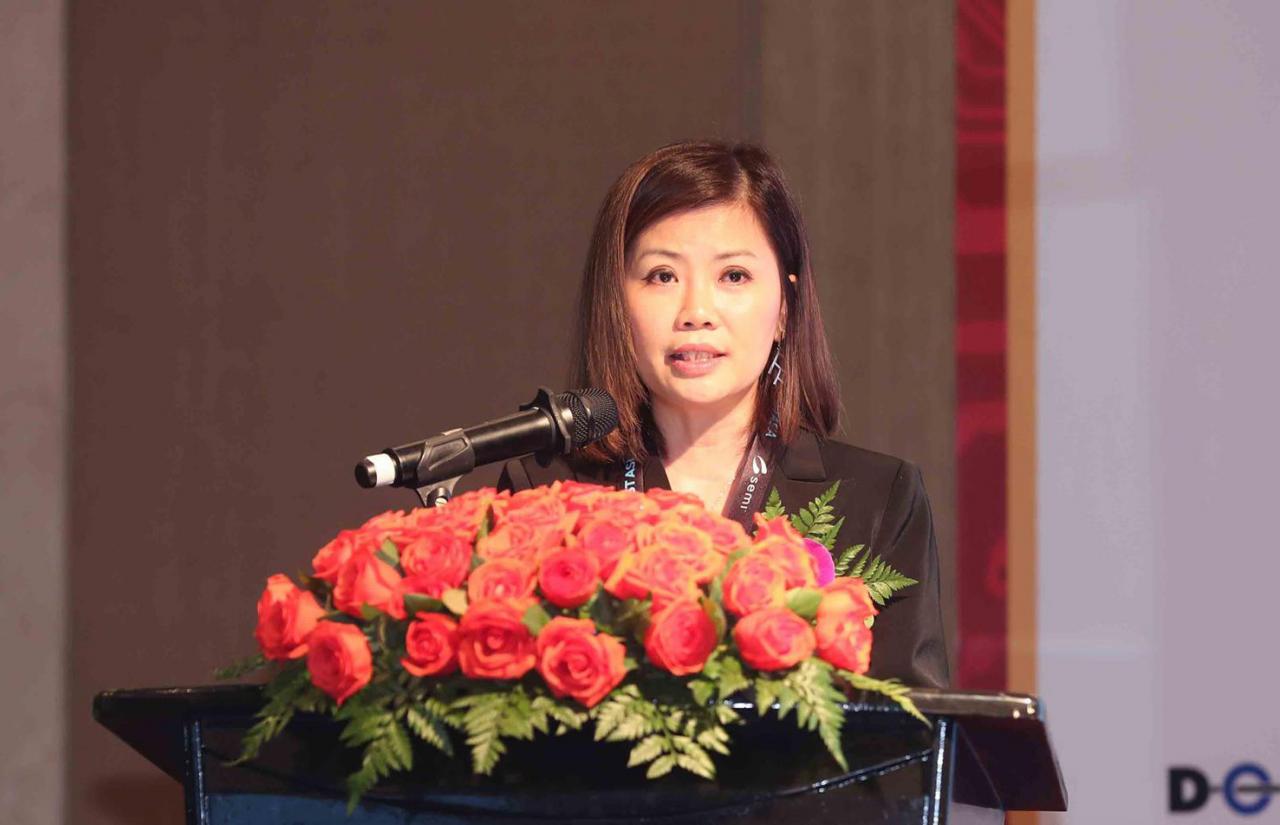
Linda Tan, President of the Southeast Asian Semiconductor Industry Association, emphasized that Vietnam's semiconductor industry is on the rise, with many potentials and advantages. Vietnam has been attracting an increasing number of large semiconductor corporations from South Korea, the US, and other countries. Notably, in early September 2023, US President Joe Biden visited Vietnam and jointly announced the upgrading of bilateral relations to a comprehensive strategic level. Furthermore, in the joint statement, cooperation on innovation and semiconductor industry development were highlighted as key areas of focus.
Vietnam will implement policies to promote the semiconductor industry.
Minister of Planning and Investment Nguyen Chi Dung stated that just two weeks after US President Joe Biden's official visit to Vietnam, there has been a growing interest from businesses and investors in developing the semiconductor industry supply chain in Vietnam.
To realize Vietnam's policy of proactively participating in the Fourth Industrial Revolution, Vietnam has identified high-tech fields, especially the semiconductor industry, as one of the breakthrough areas, offering opportunities for Vietnamese businesses to participate more deeply in the global value chain.

Mr. Nguyen Chi Dung emphasized that Vietnam has many potentials and opportunities to develop the semiconductor industry ecosystem. Firstly, Vietnam has the necessary conditions and factors for developing the semiconductor industry. Vietnam has a stable political system, a favorable geographical location, and the Vietnamese Government, especially Prime Minister Pham Minh Chinh, is very interested in promoting investment cooperation and developing the semiconductor industry in Vietnam. Accordingly, the Ministry of Planning and Investment, the Ministry of Information and Communications, and other ministries and agencies have been tasked with developing action plans and strategies to develop this industry in Vietnam, as well as developing a human resource development plan with the goal of forming a workforce of approximately 50,000 engineers and experts for the semiconductor industry by 2030.
"Investment projects in the semiconductor industry, which are high-tech fields, are entitled to the highest incentives under Vietnamese law." -Secondly, Vietnam has an abundant workforce in engineering and technology suitable for the semiconductor industry; it has reputable research and training institutions in the semiconductor field such as Hanoi National University and Ho Chi Minh City University, Hanoi University of Technology... Large enterprises have the resources and are willing to cooperate in developing the semiconductor industry such as Viettel, VNPT, FPT, and CMC.
Thirdly, Vietnam has been attracting an increasing number of large semiconductor corporations from the US, South Korea, Taiwan (China), and other countries.
Mr. Nguyen Chi Dung affirmed that Vietnam has been and is building many attractive investment incentive mechanisms for semiconductor companies and corporations. Accordingly, semiconductor investment projects, which are high-tech fields, are entitled to the highest incentives within the framework of Vietnamese law.
"The Vietnamese government is well aware that Vietnam needs to build a favorable and attractive business environment for leading semiconductor corporations, as well as sound investment policies, providing necessary facilities and creating favorable conditions for research and development in the semiconductor field," said Mr. Nguyen Chi Dung.
Sharing his views on this matter, Deputy Minister of Information and Communications Nguyen Huy Dung stated that Vietnam has been developing a draft strategy for the development of the semiconductor industry until 2030 and a vision until 2035. The strategy will outline a vision, affirm the determination, goals, roadmap, tasks, solutions, and special preferential policies of Vietnam to develop the electronics industry in general and the semiconductor industry in particular.
The central task is to accelerate Vietnam's participation in the regional semiconductor ecosystem, attracting global semiconductor companies to establish a presence and conduct research and development in Vietnam. In particular, Vietnam will provide preferential mechanisms and state support for the semiconductor industry.
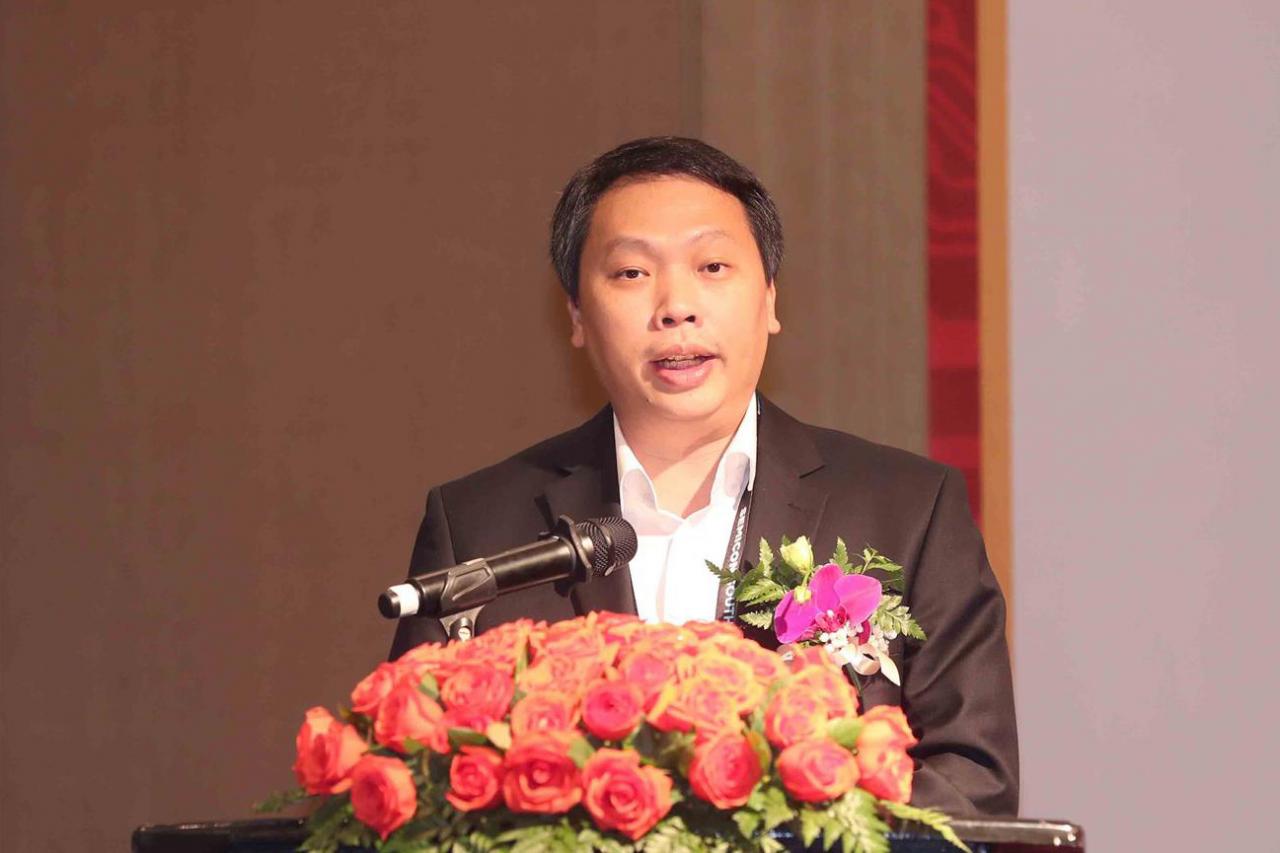
According to Deputy Minister of Information and Communications Nguyen Huy Dung, Vietnam will have preferential mechanisms and state support for the semiconductor industry.
Further elaborating on this issue, Mr. Nguyen Thien Nghia, Deputy Director in charge of the Information and Communication Technology Industry Department (Ministry of Information and Communications), stated: Vietnam ranks 10th in electronic product exports and sixth among outsourcing countries, making a significant contribution to the ICT industry. Vietnam also has many talented people in this field. Vietnam is ready to do outsourcing for countries in the region and other countries, such as the US, Europe, and Japan. With the results achieved so far, along with the technological infrastructure, we can have a successful electronics industry.
“Vietnam also offers tax incentives such as: no income tax for the first four years, a 0% export tax rate, and VAT exemption for software products and information technology services. In addition, there are other incentives such as reduced land lease fees. These incentives are very helpful in attracting foreign investors,” said Mr. Nguyen Thien Nghia.
Vietnamnet.vn
![[Image] Pleasant weather helps students enter the 10th grade entrance exam with confidence.](https://vphoto.vietnam.vn/thumb/1200x675/vietnam/resource/IMAGE/2026/05/29/1780034401612_ngay-1-thi-lop-10-minh-duy-8-5009-jpg.webp)

![[Photo] Ba Lang An Lighthouse - the "eye of the sea" amidst the "rock museum" of Quang Ngai province.](https://vphoto.vietnam.vn/thumb/1200x675/vietnam/resource/IMAGE/2026/05/29/1780038698840_anh-man-hinh-2026-05-29-luc-14-10-42.png)



![[Infographic] Vietnam-Thailand Comprehensive Strategic Partnership](https://vphoto.vietnam.vn/thumb/402x226/vietnam/resource/IMAGE/2026/05/27/1779854632675_infographic-quan-h_65_1779854266.jpeg)









































































Comment (0)