

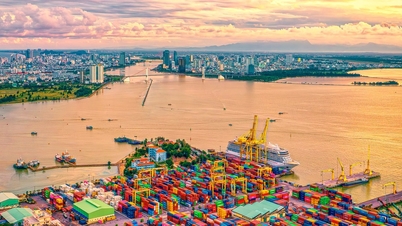
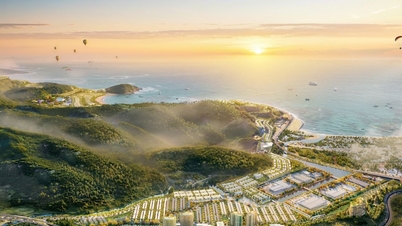
The region's natural area accounts for 28.9% of the country's total area, with a coastline nearly 1,800 km long, representing more than 55% of the country's total coastline (3,260 km), and numerous deep-water ports, islands, island clusters, and important archipelagos such as Hoang Sa, Truong Sa, Ly Son, and Cu Lao Cham...
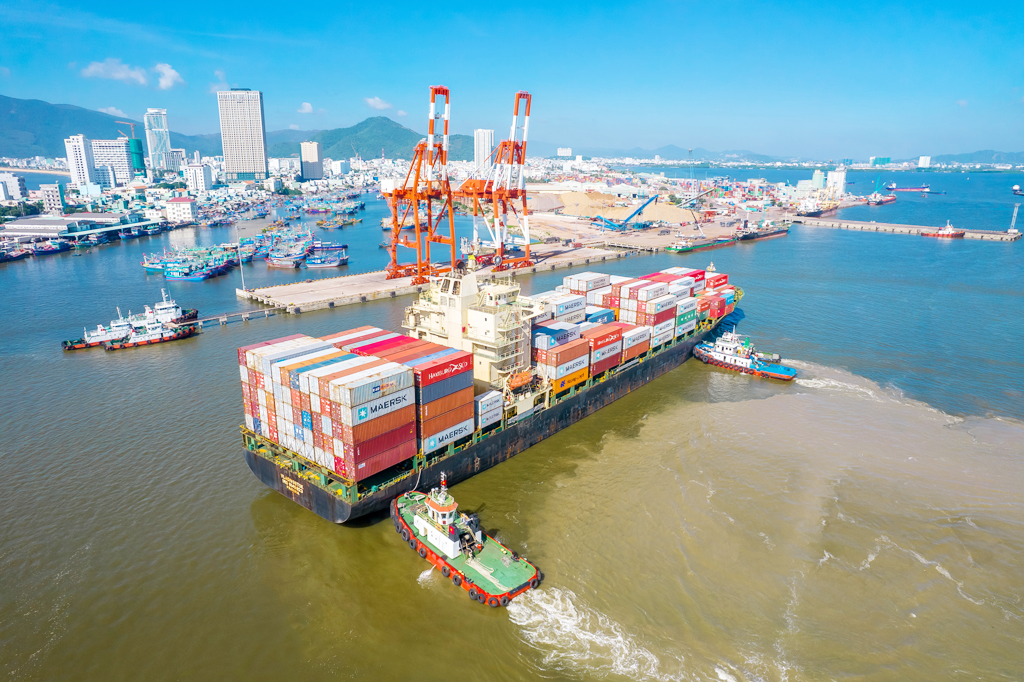
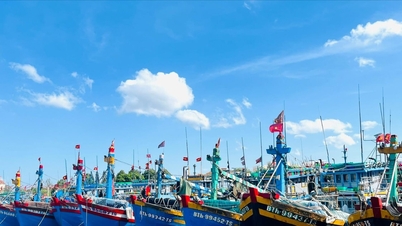
Quy Nhon Port (Binh Dinh province), the gateway to the sea for the Central Highlands provinces.
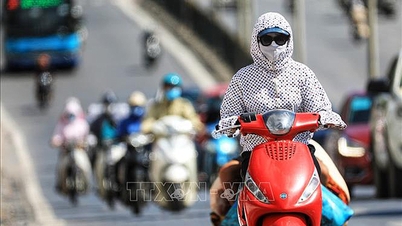
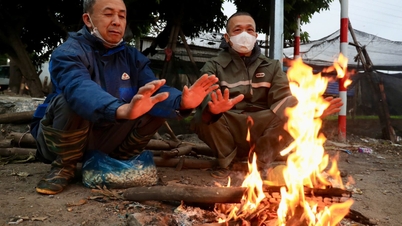
Due to its unique geographical characteristics, the central region of Vietnam has always been plagued by natural disasters, experiencing alternating periods of scorching sun and torrential rains. Therefore, despite its advantages in maritime economy and the industriousness of its people, the central region remains a place facing many difficulties.
Resolution No. 26-NQ/TW of the Politburo has set the goal that by 2030, with a vision to 2045, this region will be built and developed into a dynamic, rapidly and sustainably developing area, strong in marine economy; with a synchronous and modern socio-economic infrastructure, high resilience to natural disasters and epidemics, and effective adaptation to climate change.
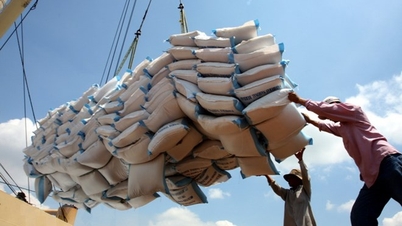
With Resolution 26 of the Politburo , the central coastal provinces are reaching out to the open sea, with the development of the marine economy being a breakthrough, while also closely connecting with the Central Highlands provinces.
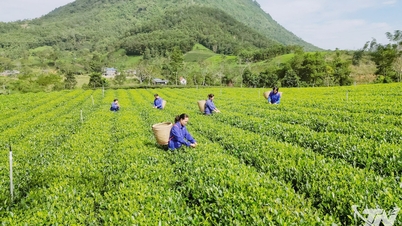
The special issue commemorating Vietnam Revolutionary Press Day (June 21) is an annual publication of Thanh Nien Newspaper. In this issue, we not only share behind-the-scenes stories and memories from the work of Thanh Nien reporters in the Central and Central Highlands provinces, but also recount the stories of each locality, each business, and each individual in their efforts to reach out to the wider world and transform the Central region into a prosperous and strong land.
We are pleased to introduce this to our readers!
Source link

![[Photo] General Secretary To Lam presents the Military Merit Order and Party Badge to senior leaders.](https://vphoto.vietnam.vn/thumb/1200x675/vietnam/resource/IMAGE/2026/03/30/1774878643606_a1-bnd-5651-8284-2398-1124-jpg.webp)
![[Photo] The moment of seasonal change at Thong Nhat Park](https://vphoto.vietnam.vn/thumb/1200x675/vietnam/resource/IMAGE/2026/03/30/1774870546141_ndo_br_b773e4e7b1a230fc69b313-jpg.webp)
![[Photo] General Secretary To Lam attends the ceremony commemorating the 75th anniversary of the founding of the Central Military Hospital 108.](https://vphoto.vietnam.vn/thumb/1200x675/vietnam/resource/IMAGE/2026/03/30/1774866343623_a1-bnd-5435-7415-jpg.webp)


































































Comment (0)