

In a statement on May 17, the WHO assessed that the new outbreak, caused by the Bundibugyo strain of the virus, did not yet meet the criteria to constitute a pandemic emergency, but countries sharing land borders with Congo are at high risk of further spread of the disease, Reuters reported.
According to WHO statistics as of May 16th, there were 246 suspected cases, 8 confirmed cases, and 80 suspected deaths from Ebola in Ituri province (Congo). The outbreak has now spread to at least three regions: Bunia, Rwampara, and Mongbwalu. Patients initially present with symptoms including fever, body aches, weakness, vomiting, and in some cases, bleeding. Many patients experience rapid deterioration and death.
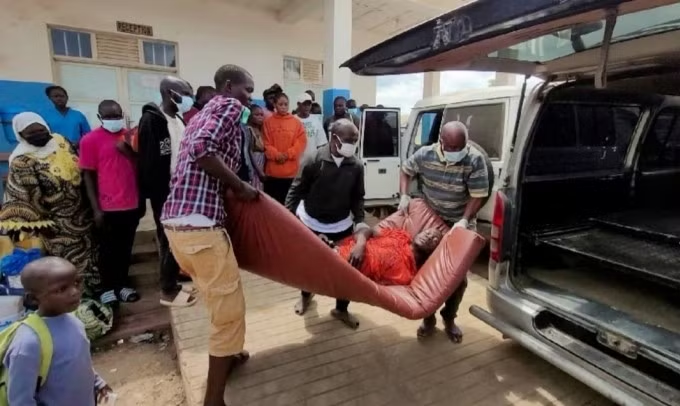
The WHO believes the actual scale of this outbreak may be much larger than the figures currently detected and reported. This warning is based on the very high positive rate from initial samples, along with a growing number of suspected cases being reported.
According to the agency, the outbreaks in Congo and Uganda are threatening public health in other countries due to the recorded cases of cross-border transmission.
In Uganda's capital, Kampala, two laboratory-confirmed cases (including one death) were recorded on May 15th and 16th. Notably, both patients had traveled from Congo and appeared to have no prior acquaintance or contact with each other.
Meanwhile, the Congolese capital Kinshasa also reported a patient who had returned from the Ituri outbreak area.
This is the 17th Ebola outbreak recorded in Congo since the virus was first discovered in 1976 in Yambuku, Équateur province. The most recent outbreak in the country ended in December 2025.
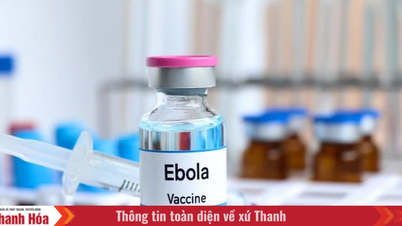
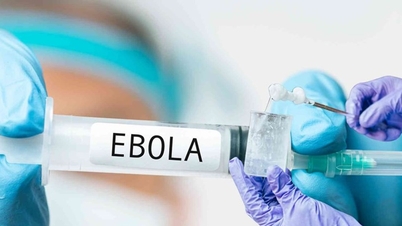
Typically, previous outbreaks were caused by the Ebola-Zaire strain, a virus for which a vaccine is now available. However, this new outbreak is "unusual" and dangerous because there is currently no approved treatment or vaccine for the Bundibugyo strain.
Historically, the world has recorded two outbreaks caused by this strain, in 2007 and 2012.
In light of this situation, the WHO advises countries to immediately activate their national disaster and emergency management mechanisms and implement medical screening at border crossings and on major inland transportation routes.
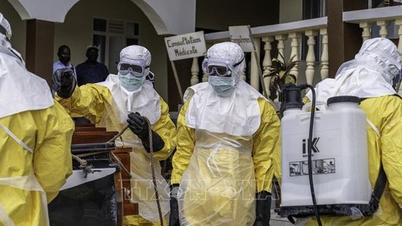
A WHO delegation has been deployed to Ituri to support provincial authorities in conducting epidemiological investigations. Five tons of aid currently available in Kinshasa are being transported to Bunia city in Ituri province to support frontline healthcare workers and treatment facilities. The supplies include infection control and prevention supplies, laboratory specimen transport equipment, case management supplies, tents, and other essential items.
The WHO recommends immediate isolation of confirmed cases and daily health monitoring for close contacts. Simultaneously, restrictions on domestic travel and a ban on international travel for 21 days from the last day of contact with the source of infection should be implemented.
However, the UN health agency also recommends that countries not close borders or restrict travel and trade due to panic and fear. Such prohibitive measures could backfire, leading to a situation where people and goods seek to move through unofficial border crossings that authorities cannot control or monitor health.
Ebola is a serious, often fatal, infectious disease transmitted through direct contact with the blood, secretions, organs, or other bodily fluids of an infected person, as well as contaminated surfaces and objects. Early detection, supportive treatment, and prompt public health measures significantly improve survival rates and are crucial in breaking the chain of transmission.
Declaring a state of emergency due to an epidemic is a special legal measure aimed at mobilizing maximum resources to respond to a health disaster. This mechanism includes an epidemiological assessment process, the authority to issue the declaration from the highest level, and the strict implementation of measures.
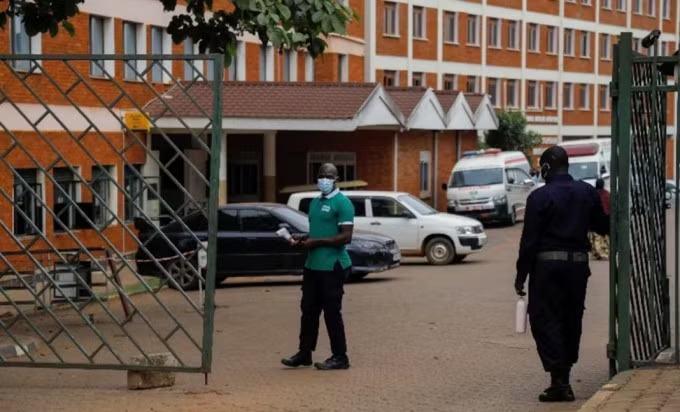
According to Reuters, WHO
Source: https://baohatinh.vn/who-tuyen-bo-tinh-trang-khan-cap-quoc-te-ve-dich-ebola-post310786.html



![[Photo] General Secretary and President To Lam presides over a meeting on preparations for the review of one year of operation of the three-tiered government system.](https://vphoto.vietnam.vn/thumb/1200x675/vietnam/resource/IMAGE/2026/06/02/1780391821195_a1-bnd-4595-9717-jpg.webp)



















![[Quiz] How many times has Vietnam participated in the World Cup finals?](https://vphoto.vietnam.vn/thumb/402x226/vietnam/resource/IMAGE/2026/06/03/1780438346337_fb_worldcup-jpg.webp)




![[Image] Affirming the aspirations and new standards of the Vietnamese real estate market in the new era.](https://vphoto.vietnam.vn/thumb/1200x675/vietnam/resource/IMAGE/2026/06/03/1780441948766_giai-thuong-bat-dong-san-2026-minh-duy-6-7364-jpg.webp)




















































Comment (0)