

Combining a scientific diet with a proper training schedule is key to helping athletes improve performance and reduce the risk of injury.

Nutrition plays a crucial role in an athlete's performance - Illustration
Proper nutrition enhances performance and helps shorten recovery time.
According to Dr. Quach Tuan Vinh (member of the Executive Committee of the Hanoi Traditional Medicine Association), when exercising for 90 minutes or more, or working or training at high intensity requiring a lot of endurance, the body needs a nutritious diet to maintain the process and recover quickly.
Nutrition plays a crucial role in maintaining physical fitness, enhancing performance, and reducing the risk of injury for athletes . According to research from Harvard Medical School (2020), proper nutrition not only improves performance but also helps shorten recovery time.
A prime example is the diet of legendary swimmer Michael Phelps, the American athlete who won 23 Olympic gold medals.
During preparation and competition, Phelps consumed approximately 12,000 calories per day, divided into meals with balanced nutritional ratios to meet his extremely high energy demands. Specifically:
Breakfast consisted of bread, eggs, oatmeal, coffee, and fruit juice, providing carbohydrates and protein to help him start the day strong.
Lunch : Pasta and sandwiches with plenty of protein from meat and vegetables, helping to build muscle.
Dinner: Carbohydrate-rich foods like pizza or pasta provide energy replenishment after intense workouts.
Impact:
Athletic performance : Nutrition helps maintain endurance, speed, and rapid muscle recovery after each competition.
Ideal physique: Low body fat percentage and optimal muscle mass are the result of combining scientific training and a suitable diet.
This demonstrates that adhering to a scientifically sound diet not only improves overall health but is also a key factor in achieving peak performance in sports.
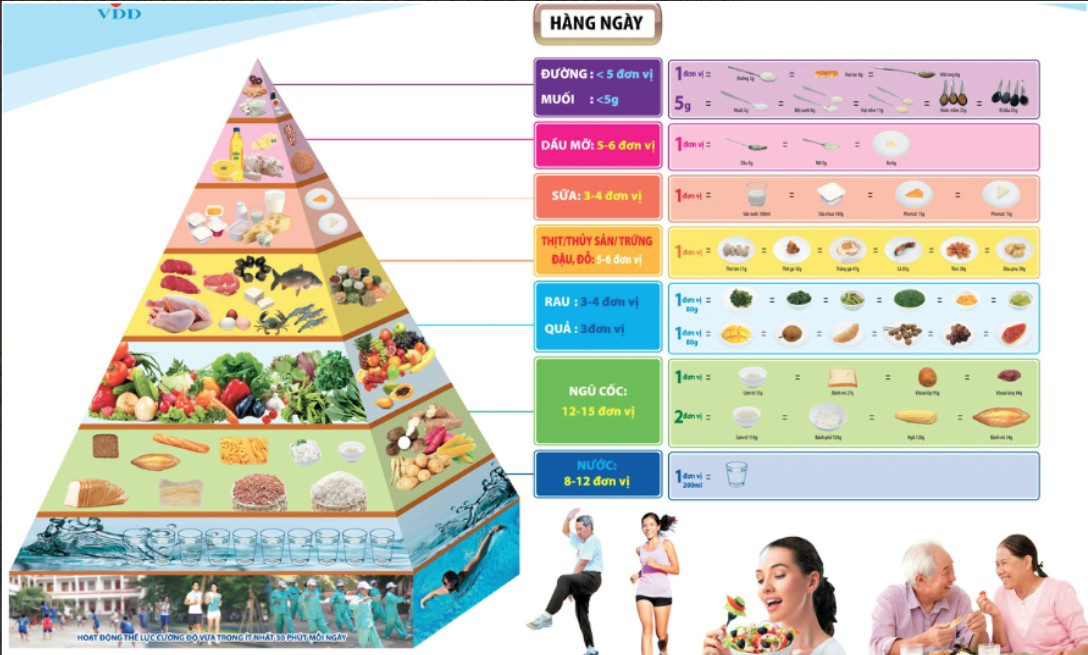
The complete food pyramid for adults - Source: National Institute of Nutrition
There are no magic foods, what matters is getting enough nutrients.
According to Associate Professor Dr. Nguyen Xuan Ninh, Deputy Director of the Vietnam Institute of Applied Medicine and nutritional advisor for Vietnamese sports, nutrition and training are two indispensable aspects for athletes, especially high-achieving athletes. For professional athletes aiming to reach the pinnacle of success, nutrition is extremely important.
For athletes to reach their full potential, all of their body systems must be perfectly synchronized, and nutrition is a crucial factor in their health and performance.
Paying attention to proper training and nutrition remains a top priority. Therefore, by addressing both the psychological well-being and nutritional needs of athletes, we can improve their physical and mental fitness.
There is no single "miracle food" or supplement that can provide all nutritional needs. Some foods provide primarily protein, while others contain vitamins and minerals…
The key to a balanced athlete's diet is to combine different types of food so that a deficiency in some foods is compensated by an excess of nutrients in others. Eating a variety of foods is the secret.
"Nutrients—protein, carbohydrates, fats, vitamins, minerals, and water—are 'teammates' that work together to provide good nutrition. Just like each member of a team performs different tasks in a game, each nutrient performs specific functions in the body," Associate Professor Ninh emphasized.
Similarly, Dr. Quach Tuan Vinh stated that to maintain peak physical condition, athletes need to ensure they receive the necessary food groups with a full range of nutrients, such as:
- Carbohydrate - a source of energy: Carbohydrates are the primary source of energy for high-intensity activities. For athletes, complex carbohydrates help maintain stable energy levels.
According to research evaluating the role of carbohydrates in providing energy for athletes, especially during high-intensity training, carbohydrates provide 60-70% of the energy in an athlete's daily diet.
Commonly used foods include whole grains (brown rice, oats, quinoa), fruits like bananas, apples, and oranges, as well as sweet potatoes, potatoes, and taro, which are popular foods in Vietnam.
- Protein - supports muscle recovery : Protein is essential for muscle regeneration and growth. According to the American Sports Nutrition Association, protein helps increase lean muscle mass and promotes faster recovery after exercise.
To supplement protein, you can use foods such as chicken, salmon, eggs, Greek yogurt, soybeans, peas, etc.
- Healthy fats: Fats provide long-term energy and help maintain hormonal balance. Research from the American Heart Institute analyzing the role of omega-3s in reducing inflammation and improving post-exercise recovery shows that omega-3s in salmon help reduce inflammation and improve athletic performance.
To provide a source of healthy fats, consider using olive oil, avocado, salmon, chia seeds, flax seeds, almonds, etc. These are common foods in Vietnam.
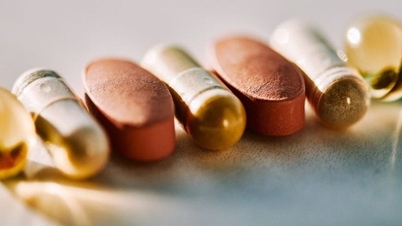
- Vitamins and minerals: Vitamin C, potassium, magnesium, and iron play a crucial role in boosting immunity and preventing muscle cramps. Research at the University of California shows that magnesium supplementation helps reduce cramps and fatigue.
Foods rich in vitamin C include oranges, grapefruits, tangerines, lemons, and kiwis; foods rich in potassium include bananas and sweet potatoes. Magnesium is abundant in spinach and pumpkin seeds.
- The role of water and electrolytes: Water and electrolytes play a crucial role in maintaining fluid balance in the body, regulating energy, and enhancing recovery. During exercise, the body loses water and minerals such as sodium, potassium, and magnesium through sweat.
Replenishing electrolytes after training not only helps reduce the risk of cramps and maintain performance... but also helps reduce fatigue and increase endurance.
Coconut water is a readily available fruit in Vietnam; besides water, which is its main component, it also contains potassium and sodium and provides many calories. Some fruits rich in water and electrolytes include watermelon, oranges, and kiwi.
Don't wait until you're thirsty to drink water; drink more than you think is necessary to quench your thirst; drink more than you think is needed before an event or workout to ensure your body is adequately hydrated. Ideally, drink a glass of cool water every 15 to 20 minutes during exercise.
Sample meal plan for workouts
Before workout: a bowl of oatmeal with a banana and nut butter. A glass of fresh fruit smoothie. Carbohydrates provide quick energy and protein helps maintain stamina.
During workouts: Coconut water or other fruit smoothies such as guava juice, apricot juice, passion fruit smoothie…
After workout: 1 bowl of grilled chicken and greens with rice. 1 glass of chocolate milk (rich in carbohydrates and protein) to replenish glycogen and quickly rebuild muscle.
Source: https://tuoitre.vn/xuan-son-thi-dau-cuong-do-cao-van-co-cach-hoi-phuc-nhanh-20250104194740405.htm
![[Photo] General Secretary and President To Lam presides over a meeting with the Central Organizing Committee.](https://vphoto.vietnam.vn/thumb/1200x675/vietnam/resource/IMAGE/2026/06/03/1780482764658_a1-bnd-4741-3342-jpg.webp)
![[Photo] First session of the 14th Congress of the Vietnam Trade Union](https://vphoto.vietnam.vn/thumb/1200x675/vietnam/resource/IMAGE/2026/06/03/1780465947883_ndo_br_img-3852-jpg.webp)

![[Photo] Secretary of the National Assembly Party Committee, Chairman of the National Assembly presides over the meeting of the Standing Committee and Executive Committee of the National Assembly Party Committee.](https://vphoto.vietnam.vn/thumb/1200x675/vietnam/resource/IMAGE/2026/06/03/1780480353201_ndo_br_bnd-2585-jpg.webp)











































![[Video] Sunset at Lap An Lagoon – Where the sun sets over the fishing nets](https://vphoto.vietnam.vn/thumb/1200x675/vietnam/resource/IMAGE/2026/05/31/1780192137701_beach-landscape-sea-water-nature-grass-745871-pxhere-com.jpeg)




























Comment (0)