

Mosquitoes are dangerous disease vectors, transmitting everything from malaria and dengue fever to the Zika virus. Previously, mosquito control methods primarily relied on UV lamps, mosquito repellent incense, insecticides, or nets. While these methods were common, they were not very effective and easily caused secondary pollution, especially for children, the elderly, and those with sensitive constitutions.
In recent years, AI technology has been strongly applied to the field of mosquito control, creating smart mosquito traps capable of accurately identifying and eliminating targets without the need for chemicals. One notable device currently is Bzigo Iris – a product developed by Israeli engineers, which uses artificial intelligence to scan the space in a room and detect mosquitoes when they are perched.
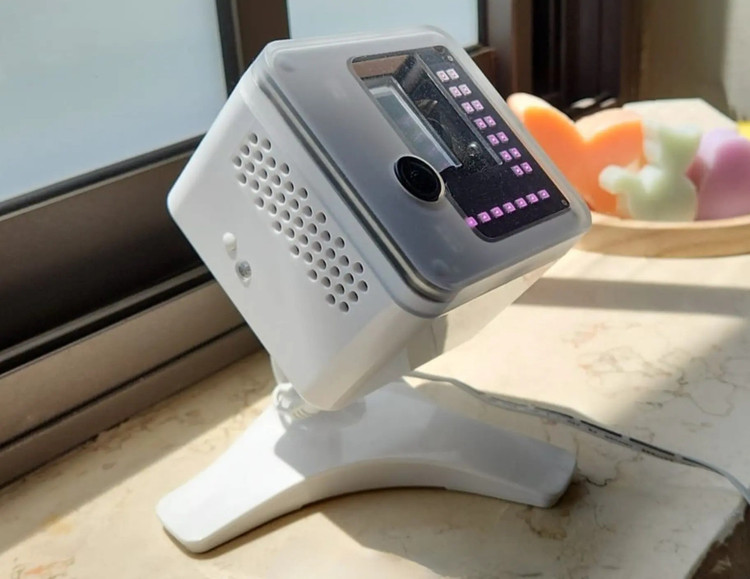
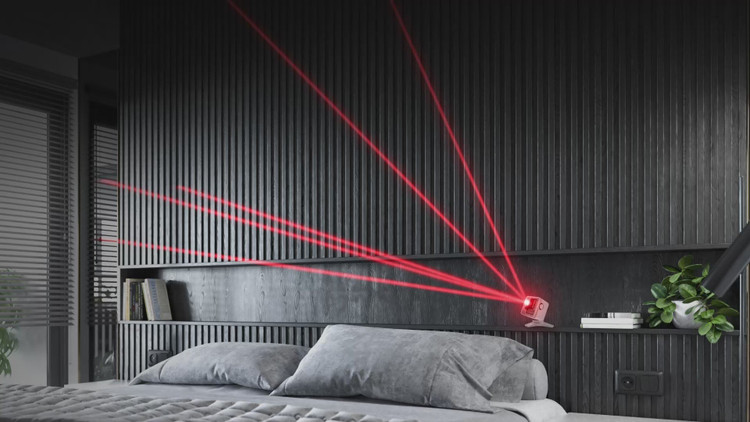
The Bzigo Iris operates with an infrared camera and an AI image recognition system. When it detects a mosquito, the device uses a low-power laser to mark the mosquito's location on the wall or ceiling. The device owner receives an alert on their phone via a connected app. While the Bzigo doesn't directly kill mosquitoes with lasers, it helps users quickly detect and deal with them. A major advantage is that the device works well in the dark, is silent, and requires no chemicals or periodic replacements.
On an outdoor scale, scientists at the University of South Florida (USF) have developed a smart, AI-integrated mosquito trap capable of identifying mosquitoes by species based on wing movement and shape. The device uses cameras, sensors, and processors built directly into the trap to distinguish dangerous species such as Aedes aegypti – the primary culprit behind dengue fever and Zika. Upon detecting a suitable mosquito, the device automatically attracts or traps it.
This system is part of the EMERGENTS project, funded by the U.S. National Institutes of Health , with a total budget of $3.6 million. The device is designed for use in both urban and rural areas, operating on batteries or solar power, and requires no constant monitoring. The AI's image processing and decision-making speed enhances the effectiveness of disease control at hotspots without manual intervention.
In Uganda and India, health organizations are testing VectorCam – a simple device that uses a smartphone with an attached microscope and AI software to identify mosquitoes. This allows health workers to quickly identify mosquito species on-site in just 15–18 seconds, without needing to bring samples to a laboratory. The device is considered a major step forward in disease surveillance in remote areas.
In addition, many AI-powered models combined with satellite mapping are being deployed in Europe to identify potential mosquito breeding grounds. This allows for timely and targeted spraying or environmental remediation, limiting chemical overuse and protecting local ecosystems.
In Vietnam, smart mosquito trapping technology is still relatively new but has enormous potential for application, especially in the context of dengue fever outbreaks increasing during the rainy season. Devices like the Bzigo Iris could be suitable for urban home environments, where enclosed spaces and numerous electronic devices require absolute security. Outdoor AI traps, such as the USF model, could be integrated into community disease control programs if technical and financial support is provided.
Although the initial cost is higher compared to traditional methods, in the long run, AI-powered mosquito-catching robots are the optimal choice due to their ability to operate continuously, without chemicals, without causing pollution, and with the possibility of periodic software updates to improve accuracy.
This new technology not only supports individuals in protecting their health, but also helps control diseases more proactively, quickly, and effectively in the context of climate change, year-round mosquito breeding, and widespread distribution across various ecological zones.
Source: https://khoahocdoisong.vn/xuat-appear-robot-bat-muoi-bang-ai-post1551711.html
![[Photo] The heat at the fireworks display site on the opening night of the Da Nang International Fireworks Festival 2026](https://vphoto.vietnam.vn/thumb/1200x675/vietnam/resource/IMAGE/2026/05/27/1779889741485_ndo_br_z7872039145157-fecaba5112f39e8352544099d7ef4738-5140-jpg.webp)



























































































Comment (0)