

Therefore, cooling down in the summer also needs to be done scientifically and cannot be taken lightly.
You shouldn't sit on wood.
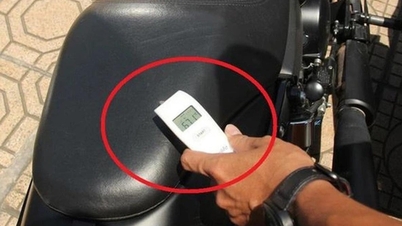
According to ancient wisdom: "Don't sit on stone in winter, don't sit on wood in summer." When summer temperatures are high and humidity is high, wood, especially wood left outdoors in the rain and sun for a long time, such as chairs and benches, contains a lot of moisture. When the sun shines on it, the temperature rises, releasing hot moisture, making people susceptible to skin diseases, rheumatism, and arthritis.
You shouldn't eat too much cold food.
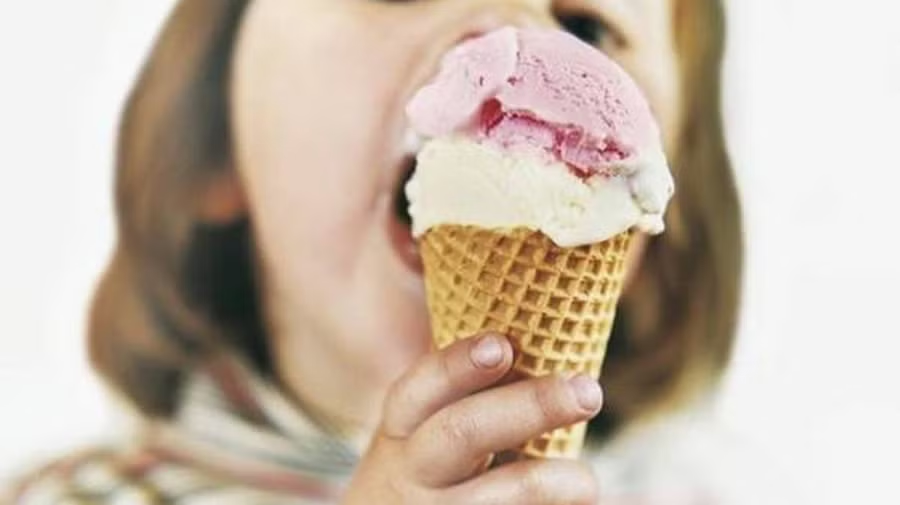
During hot summer months, if the stomach and intestines are irritated by a lot of cold food, it will increase peristalsis, shorten the time food stays in the small intestine, and affect the body's absorption of nutrients from food.
At the same time, due to the high summer temperatures, heat in the body is difficult to dissipate, and the temperature in the stomach and intestines is also high. If suddenly exposed to a cold stimulus, it can lead to stomach and intestinal spasms, causing abdominal pain.
You shouldn't sleep outdoors at night.
In summer, sweat glands continuously secrete sweat to dissipate body heat. While sleeping, the body is in a relaxed state, and its resistance is temporarily reduced. If exposed to cold wind at night, or if the body is soaked with dew, it can easily lead to headaches, stomachaches, joint pain, indigestion, and diarrhea. Sleeping outdoors at night also makes one susceptible to mosquito bites, which can lead to diseases such as encephalitis.
You shouldn't skip your afternoon nap.
In summer, the days are long and the nights are short, the temperature is high, and the human metabolism is highly active, consuming a lot of energy and easily leading to fatigue. In addition, the hot nights make it difficult to sleep soundly, resulting in sleep deprivation. Therefore, napping for one to two hours at midday is very beneficial for health. It can help the body's systems rest and is also a good way to prevent heatstroke.
Electric fans should not be left on for too long.
Leaving a fan on for too long disrupts the balance of sweat production, leading to headaches, dizziness, fatigue, general discomfort, and in severe cases, other health problems. Sleeping with a fan on on a hot summer night also increases the risk of catching a cold. This is especially important for the elderly and children.
The air conditioner should not be turned up too high.
Air conditioning can provide a comfortable environment for people. However, if the temperature difference between indoors and outdoors is too large, it can make it difficult for people to adapt to the temperature fluctuations, increasing the risk of colds or flu. Furthermore, if the temperature difference is too large and ventilation is neglected, the air in the room will become stagnant, creating conditions for disease-causing microorganisms to thrive.
When the human body's resistance is weakened, it becomes easier to get sick. Therefore, when using air conditioning in the summer, the temperature difference should not be too large; ideally, it should be maintained between 5-8 degrees, and should not exceed 10 degrees at most.
'Rapid cooling' is not recommended.
During the sweltering summer months, many people prefer to take cold showers after coming home to quickly sweat and cool down. However, because the body absorbs a large amount of heat from the sun, this "rapid cooling" causes the pores all over the body to close quickly, trapping heat inside the body instead of allowing it to dissipate. This can lead to high fever, and the rapid constriction of cerebral capillaries can cause cerebral ischemia, dizziness, and in severe cases, even shock.
Furthermore, at this time, the body's resistance is reduced, making it easier for colds to invade. Therefore, the best way is to wipe away the sweat or wait for the sweat to evaporate completely before showering.
Avoid drinking water too quickly when you are very thirsty.
In summer, excessive sweating and drinking large amounts of water at once can put extra strain on the heart, lower blood pressure, and may even lead to symptoms such as palpitations, shortness of breath, and cold sweats. When experiencing intense thirst, it's best to drink a small amount of water first, pause for a moment, and then drink more.
Drinks should not be used as a substitute for plain water.
Beverages such as soda and fruit juices contain high amounts of sugar and electrolytes. These substances can irritate the stomach, affect digestion and appetite; drinking too much can increase the filtering burden on the kidneys, affecting kidney function.
Furthermore, consuming too much sugar increases the body's calorie intake, leading to obesity. Therefore, in the summer, it's best to avoid excessive sugary drinks and instead focus on drinking plain water, especially for children and the elderly.
Avoid wearing sunglasses that are too dark or too light.
Sunglasses can protect your eyes from harmful ultraviolet rays, but if the lenses are too dark, it can make it difficult to see objects and affect your vision; if the lenses are too light, ultraviolet rays can still penetrate and harm your eyes.
Therefore, in the summer, when choosing sunglasses, it's advisable to allow 15%-30% of natural light to pass through gray or green lenses. This not only protects against ultraviolet rays but also ensures the clearest possible image of objects.
Source: https://giaoducthoidai.vn/10-viec-khong-nen-lam-trong-mua-he-post777523.html






























































































Comment (0)