

Olive oil, garlic, avocado, walnuts, green tea, berries… are foods that people with high liver enzymes should prioritize including in their daily diet.
Diet affects liver enzyme levels. According to Dr. Nguyen Anh Duy Tung, a specialist at Nutrihome Nutrition Clinic, many people with high liver enzyme levels visit the clinic daily for advice on a suitable diet. Generally, reducing the proportion of carbohydrates and saturated fats in the diet can have a positive effect on improving high liver enzyme levels in many individuals. Below are some foods patients can choose from.
Garlic : Garlic contains allicin - a powerful antioxidant compound that helps reduce liver enzymes (AST, ALT) and blood lipid levels (triglycerides, cholesterol). Eating garlic is good for people with high liver enzymes because it helps lower liver enzymes, supports anti-inflammation, acts as an antioxidant, and enhances the effectiveness of preventing and treating hyperlipidemia and fatty liver disease.
Olive oil: Olive oil is rich in monounsaturated fatty acids, including oleic acid – a type of fatty acid shown to reduce blood lipid levels (triglycerides, cholesterol), thereby helping to lower liver enzyme levels. Olive oil also contains antioxidants such as vitamin E and polyphenols, which help protect the liver from free radical damage, reduce oxidative stress, and support liver function.
Foods rich in Omega-3 : Omega-3s support improved liver function by preventing fat accumulation. Adding omega-3s to the diet of people with high liver enzymes helps lower GGT levels. To incorporate omega-3s into your diet, you should consume avocados, salmon, herring, tuna, mackerel, vegetable oils, margarine, beans, and nuts.
Berries: Berries such as strawberries, blueberries, raspberries, cranberries, etc., can be considered a natural "miracle cure," very suitable for inclusion in the diet of people with high liver enzymes because they are rich in fiber, which helps the body limit fat absorption, contributing to lowering liver enzymes. Antioxidants such as vitamin C, flavonoids, and anthocyanins found in berries also help protect the liver from free radicals, reduce oxidative stress, and support liver function restoration.
Walnuts : Fatty liver disease is a leading cause of elevated liver enzymes. The omega-6 and omega-3 fatty acids and polyphenol antioxidants in walnuts can effectively support the treatment of fatty liver disease.
Avocado: Although avocados are high in fat, most of it is monounsaturated, which can lower cholesterol levels in the body and prevent inflammatory reactions that damage the liver due to cholesterol. Avocados also contain powerful chemicals such as vitamins E and C, and polyphenols, which help liver tissue recover quickly and improve the condition of uncontrolled elevated liver enzymes.
Green tea: Green tea helps lower liver enzymes thanks to its high content of polyphenols and catechins, antioxidants. These compounds help reduce oxidative stress in the liver, regulate blood pressure, lower blood sugar, thereby helping to prevent fatty liver disease, diabetes, and protect liver health.

Coffee is beneficial for people with high liver enzyme levels. Photo: Freepik
Coffee: Drinking coffee can help lower liver enzyme levels such as AST, ALT, ALP, and GGT. However, when drinking coffee, you should not add refined sugar; instead, use diet sugars (calorie-free) to avoid damaging your liver.
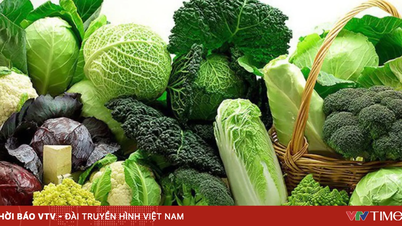
Leafy green vegetables : Leafy green vegetables are rich in folate, also known as vitamin B9. Folate deficiency can lead to elevated levels of two liver enzymes, ALT and GGT, causing liver damage. Foods rich in folate include dark green leafy vegetables, nuts, beans, fruits, eggs, milk, and dairy products such as yogurt and cheese.
Cruciferous vegetables: Cruciferous vegetables contain antioxidants and secondary metabolites called glucosinolates. After digestion, glucosinolates help the liver increase the production of the liver detoxification enzyme glutathione S-transferase (GST), thereby repairing damaged liver tissue and improving elevated liver enzyme levels.
Nuts : Ellagic acid – a polyphenol compound found in nuts – can prevent oxidative damage to the liver, helping to prevent fatty liver disease and inhibit elevated liver enzymes. Nuts are also rich in vitamin E, which can lower AST and ALT levels. Certain natural extracts such as S. marianum and wasabia can also support detoxification, protect the liver, and help lower liver enzymes.
Kim Thu
Source link
![[Image] Pleasant weather helps students enter the 10th grade entrance exam with confidence.](https://vphoto.vietnam.vn/thumb/1200x675/vietnam/resource/IMAGE/2026/05/29/1780034401612_ngay-1-thi-lop-10-minh-duy-8-5009-jpg.webp)




![[Photo] Ba Lang An Lighthouse - the "eye of the sea" amidst the "rock museum" of Quang Ngai province.](https://vphoto.vietnam.vn/thumb/1200x675/vietnam/resource/IMAGE/2026/05/29/1780038698840_anh-man-hinh-2026-05-29-luc-14-10-42.png)





































































































Comment (0)