

| The government urgently requests tax and fee exemptions and reductions for those affected by Typhoon No. 3. The inflation control target is achievable but caution is still needed. |
Inflation is being kept under control, supporting economic growth.
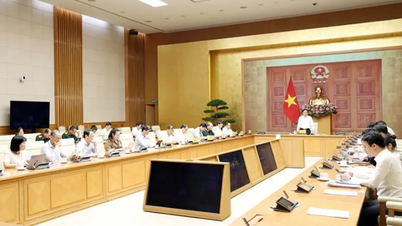
According to the General Statistics Office, inflation in the first nine months of 2024 was 3.88%, leaving considerable room to achieve the annual inflation target set by the National Assembly in Resolution No. 103/2023/QH15.
 |
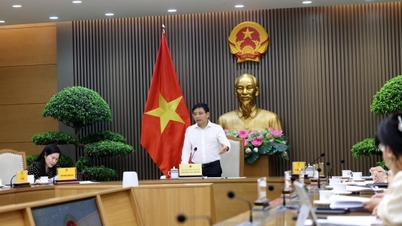
| Inflation for the first nine months of 2024 was 3.88%, leaving considerable room to achieve the annual inflation target set by the National Assembly in Resolution No. 103/2023/QH15. (Photo: Thanh Hong) |
Speaking with reporters, Ms. Nguyen Thu Oanh, Director of the Price Statistics Department (General Statistics Office), stated that there are many reasons for Vietnam's successful control of inflation over the past nine months. First and foremost, the cooling of global inflation has impacted Vietnam's inflation.
Specifically, the inflation rate in the Eurozone in September 2024 increased by only 1.8%, the lowest in three and a half years and below the European Central Bank's (ECB) target of 2%. In August 2024, inflation in the US increased by 2.5% year-on-year; Spain by 2.3%; Germany by 1.9%; and France by 1.8%. In Asia, inflation in August 2024 increased by 3.7% in India; 3.3% in the Philippines; 3% in Japan; 2.1% in Indonesia; and 2% in South Korea. Vietnam's inflation was controlled at a level suitable to support economic growth, with the CPI in September 2024 increasing by 2.63% year-on-year.
“The cooling of global inflation has helped Vietnam reduce pressure from imported inflation, with the average import price index for goods in the first nine months of the year decreasing by 1.73% compared to the same period last year. Particularly noteworthy is petroleum, one of the items that accounts for a significant proportion of Vietnam's CPI basket, while its price is mainly dependent on world prices. Therefore, the decrease in world oil prices, which caused the domestic petroleum price index in the third quarter of 2024 to decrease by 7.72% compared to the same period last year, contributed to a 0.28 percentage point decrease in the overall CPI,” – Ms. Nguyen Thu Oanh informed.
In the first nine months of 2024, to control inflation according to the target set by the National Assembly, the Government also directed ministries, sectors, and localities to vigorously implement many solutions such as: ensuring the smooth operation of supply, circulation, and distribution of goods, especially essential goods serving people's lives. Focusing on strengthening price management and control during natural disasters, storms, and floods, and promptly releasing national reserves to support and rescue people affected by storms and floods.
In addition, the government continues to implement supportive policies regarding taxes, fees, and charges to assist people and businesses, such as reducing the environmental protection tax on gasoline, diesel, and lubricants; reducing VAT by 2% on certain groups of goods and services; reducing the registration fee for domestically produced and assembled automobiles by 50%; and reducing the fees for 36 other charges to help cut costs for businesses and people in 2024. Furthermore, the proactive, flexible, timely, and effective management of monetary policy also contributes to controlling inflation.
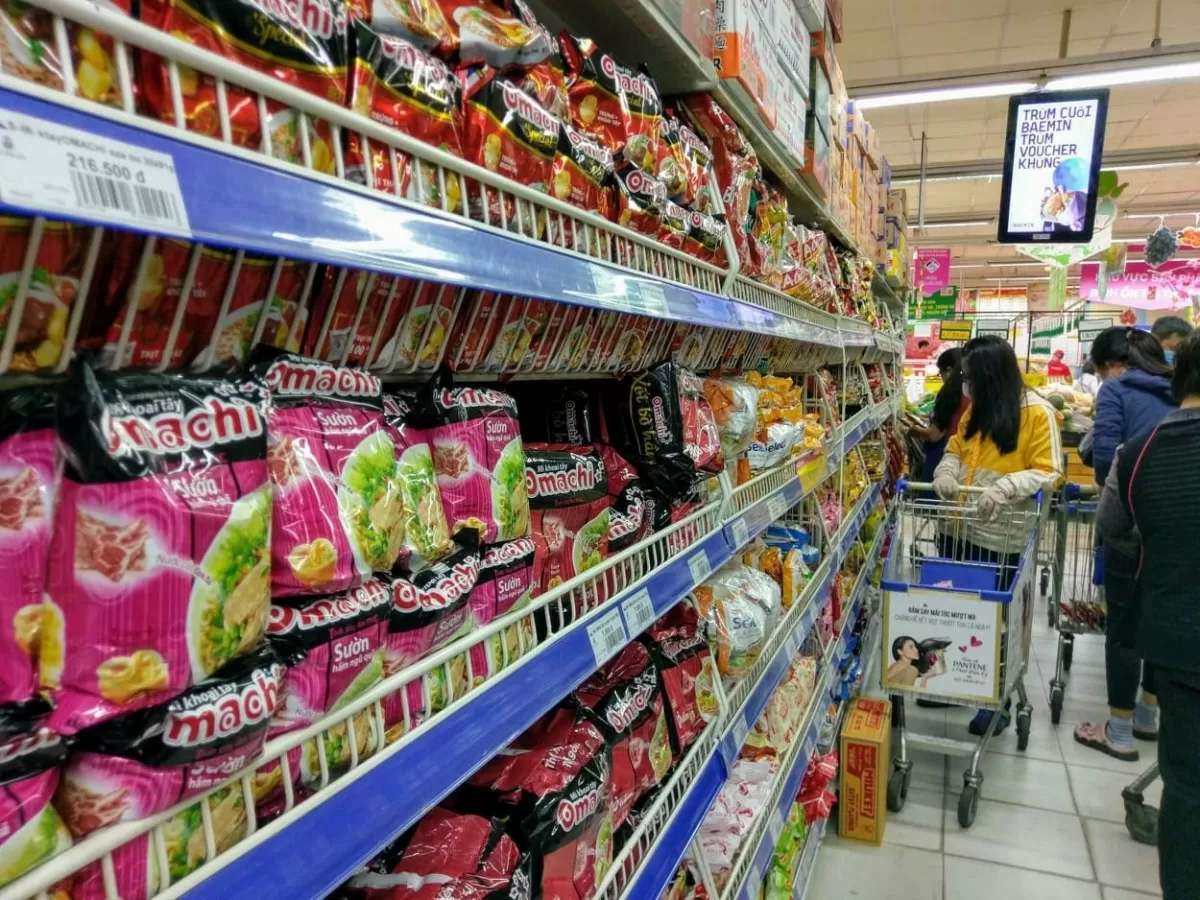 |
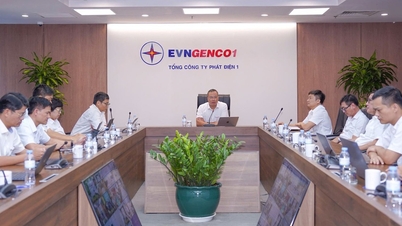
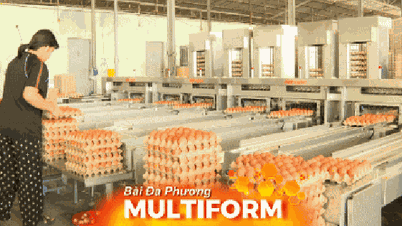
| Several factors could increase inflation in the final months of the year. (Photo: Minh Quân) |
Inflation risks remain high; focus on 6 solutions.
Resolution No. 103/2023/QH15 of the National Assembly approved the inflation target for 2024 at 4-4.5%. According to Ms. Nguyen Thu Oanh, although inflation in the first nine months of the year was 3.88%, several factors could increase inflation in the remaining months of the year, such as: risks of natural disasters and unfavorable weather conditions that could impact and increase food prices in some localities. At the same time, according to the pattern, prices of food, beverages, clothing, equipment, and household goods usually increase in the last months of the year and during holidays, which will also contribute to an increase in the CPI. In addition, the forecast of a sharp increase in electricity demand for production and consumption in the coming period and the implementation of price adjustments for state-managed services could also increase inflation.
Global input material prices are high, while the global economic and political situation is becoming increasingly complex and unpredictable. Vietnam, being a major importer of raw materials for production, will be affected by fluctuations in global commodity prices, impacting costs and production prices, putting pressure on businesses, and consequently driving up domestic consumer prices. Furthermore, stimulus packages, lower lending interest rates, expanded credit, and increased public investment, while helping to alleviate economic difficulties, could also put pressure on prices if the money supply is not properly controlled.
"If the consumer price index continues to rise sharply in the last months of the year, it will create significant inflation expectations and put pressure on inflation management in 2025," analyzed Ms. Nguyen Thu Oanh, adding that controlling inflation in the last months of the year requires attention to six factors, including:
Firstly , domestic commodity prices are heavily dependent on international markets, while the current global political situation is complex and unpredictable, potentially leading to increasingly severe supply chain disruptions. Although global input material prices have decreased recently, they remain high, and oil prices are currently trending upwards again. Vietnam is a major importer of raw materials for production, so fluctuations in global commodity prices will affect costs and production prices, putting pressure on businesses and consequently driving up domestic consumer prices. Therefore, it is necessary to closely monitor global developments to implement appropriate domestic solutions.
Secondly , the Vietnamese economy is recovering from the pandemic, therefore, the demand for electricity for production and consumption is projected to increase sharply in the near future, which will also put pressure on inflation. According to calculations by the General Statistics Office, a 10% increase in the electricity price index will impact the CPI by 0.33 percentage points.
Thirdly , adjusting the prices of state-managed services to accurately reflect all factors and costs will impact and increase the CPI. Therefore, caution is needed regarding the timing and extent of price adjustments for state-managed goods to ensure appropriateness.
Fourth , to boost economic growth, we implement stimulus packages, lower lending interest rates, expand credit, and increase public investment. However, this can also put pressure on the price level if the money supply is not controlled properly.
Fifth , risks from natural disasters and adverse weather conditions can impact and increase food prices in some localities.
Sixth , according to consumer trends, prices of food, beverages, clothing, household appliances and goods usually increase in the last months of the year and during holidays, which will also contribute to an increase in the CPI.
Source: https://congthuong.vn/6-giai-phap-can-quan-tam-de-dat-duoc-muc-tieu-kiem-soat-lam-phat-353389.html


























































































Comment (0)