

(Dan Tri Newspaper) - If you don't have any underlying health conditions, a balanced diet and adequate water intake are usually sufficient to keep your kidneys healthy. Additionally, certain foods and lifestyle changes can also help support kidney function.
The kidneys are fist-sized organs located at the bottom of the rib cage, on either side of the spine. Their most important function is to filter waste products, excess water, and other impurities from the blood. These waste products are stored in the bladder and then excreted through urine.
In addition, the kidneys regulate pH levels, salt, and potassium in the body. They also produce hormones that regulate blood pressure and control red blood cell production.
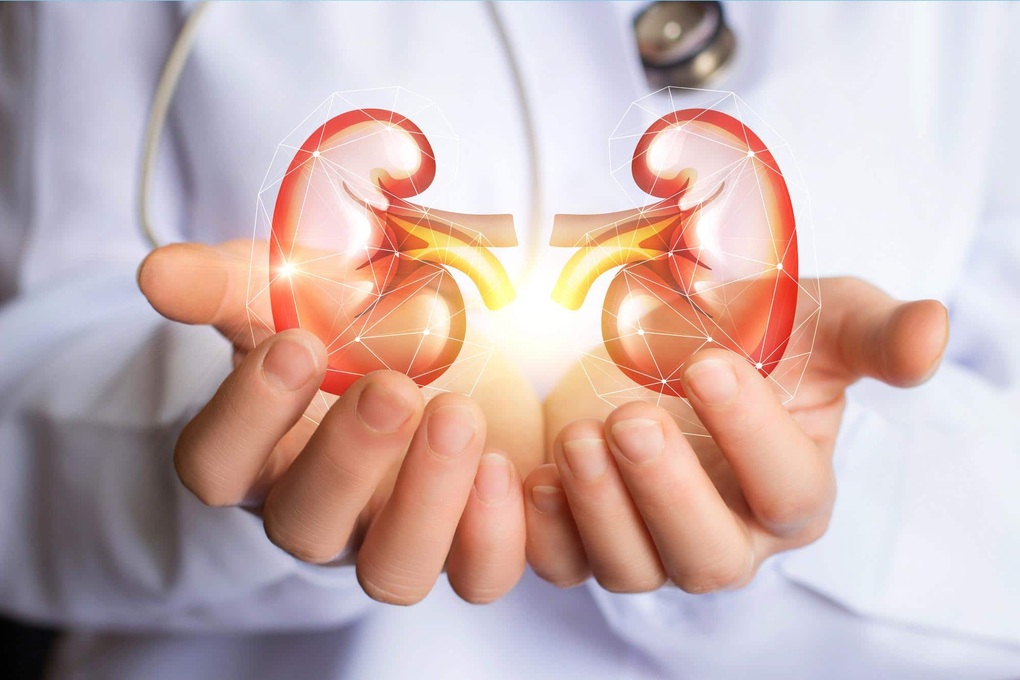
Drinking enough water is crucial for protecting kidney health (Photo: Lifeline).
Here are 7 ways to help cleanse your kidneys:
Drink enough water.
According to Healthline, water makes up about 60% of an adult's body weight. Every organ, from the brain to the liver, needs water to function. The kidneys are the body's filtering system and need enough water to excrete urine. Urine is the main waste product that allows the body to eliminate unwanted substances.
When fluid intake is low, urine output is low, which can lead to kidney failure, kidney stones, and urinary tract infections.
Therefore, drinking enough water is crucial for the kidneys to properly eliminate excess waste, and this is especially important during kidney detoxification.
Choose foods that support kidney health.
The U.S. National Institute of Diabetes, Digestive and Kidney Diseases recommends that we eat a heart-healthy diet to prevent cholesterol and fat from building up in the arteries, kidneys, and heart.
Some foods that are good for the heart may include:
- Lean animal protein, such as poultry, fish, etc.
- Fruits and vegetables.
- Low-fat or non-fat dairy products.
Some more specific foods that can also help cleanse the kidneys include grapes, cranberries, seaweed, calcium-rich foods, tea, etc.
Exercise regularly
Regular exercise is not only good for your waistline but can also reduce your risk of chronic kidney disease. It can also lower blood pressure and improve cardiovascular health, both of which are important for preventing kidney damage.
You don't need to run a marathon to reap the benefits of exercise. Walking, running, cycling, and even dancing are all great for your health. So, find an activity that keeps you busy and happy; it will be easier to stick to and achieve great results.
Blood sugar and blood pressure management
People with diabetes can experience kidney damage. When the body's cells are unable to use glucose (sugar) in the blood, the kidneys are forced to work harder to filter the blood. Over the years, this can lead to kidney damage.
However, if you can control your blood sugar levels, you will reduce your risk of kidney damage. Additionally, if damage is detected early, your doctor can offer measures to reduce or prevent further damage.
In addition, high blood pressure can damage the kidneys. If high blood pressure occurs along with other health problems such as diabetes, heart disease, or high cholesterol, the impact on the body can be significant.
A healthy blood pressure reading is 120/80 mmHg. Prehypertension is defined as blood pressure exceeding this reading at 139/89 mmHg. Lifestyle and dietary changes can help lower blood pressure at this stage.
If your blood pressure consistently stays above 140/90, you may have high blood pressure. You should talk to your doctor about regular blood pressure monitoring, lifestyle changes, and possibly medication.
Do not smoke.
Smoking damages the body's blood vessels. This leads to slower blood flow throughout the body and to the kidneys.
Smoking also puts the kidneys at a higher risk of cancer. If you smoke and then quit, the risk will decrease. However, it will take many years to return to the same risk level as someone who has never smoked.
Note regarding the dosage of over-the-counter pain medication.
Regular use of over-the-counter (OTC) pain relievers can damage the kidneys. Nonsteroidal anti-inflammatory drugs (NSAIDs), including ibuprofen and naproxen, can harm the kidneys if you use them regularly to treat chronic pain, headaches, or arthritis.
Lose weight if you are overweight or obese.
Many studies indicate that obesity increases the risk of developing kidney disease due to increased blood pressure and, consequently, the risk of developing type 2 diabetes. Therefore, you should check your weight and consult your doctor to determine if you are currently overweight and how much weight you should lose.
Start walking and make time for regular exercise. At the same time, change your eating habits to reduce your intake of saturated fats, which can increase the risk of developing kidney disease.

Source: https://dantri.com.vn/suc-khoe/7-cach-tu-nhien-giup-thanh-loc-than-20250326072546857.htm
![[Photo] General Secretary and President To Lam meets with National Assembly delegates from ethnic minorities.](https://vphoto.vietnam.vn/thumb/1200x675/vietnam/resource/IMAGE/2026/04/20/1776696701056_a1-bnd-8331-3342-jpg.webp)


![[Image] National Assembly discusses the implementation of the socio-economic development plan.](https://vphoto.vietnam.vn/thumb/1200x675/vietnam/resource/IMAGE/2026/04/20/1776696707422_ndo_br_img-20260420-185419-jpg.webp)





































































































Comment (0)