


Oranges, along with many other fruits and vegetables rich in vitamin C such as strawberries, kiwi, and bell peppers, are beneficial for the skin - Photo: Unsplash
A recent Instagram post claimed that "eating an orange a day will keep you from seeing a dermatologist," suggesting that simply eating oranges regularly can prevent and cure all skin problems, leading many viewers to believe it due to its apparent simplicity.
According to a July 17 report by the India Today fact-checking team, oranges are indeed a fruit that helps maintain skin elasticity and firmness thanks to their rich nutrient content, vitamin C, which supports collagen production.
An average orange provides about 70mg of vitamin C, enough to meet the recommended daily intake for adults.
However, according to Dr. Rashi Soni, a dermatologist at Rashi Hospital in Mumbai, simply eating oranges every day is not enough to prevent skin diseases.
Many dermatological problems such as acne, eczema, psoriasis, or dermatitis are not only related to nutrition but also have more complex causes such as hormonal imbalances, genetics, or infections.
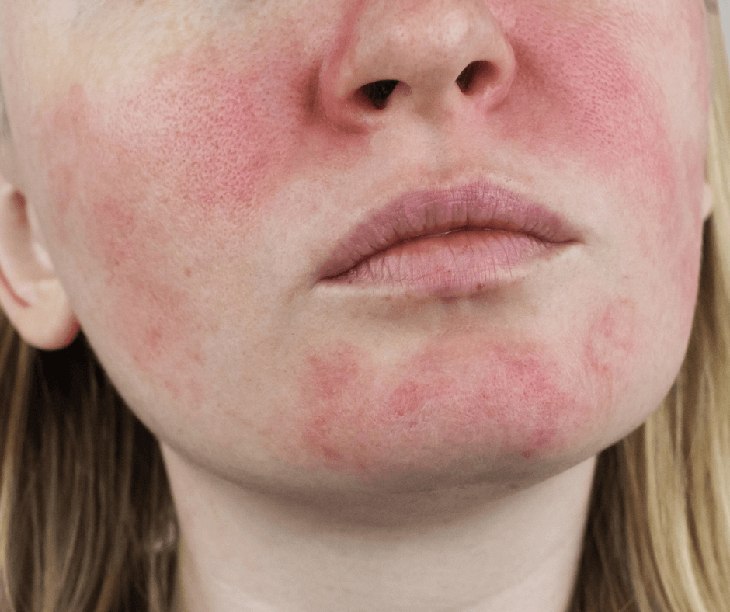
Eating oranges is good for the skin, but it cannot prevent or replace specialized medical care - Photo: Montrose Dermatology
These conditions usually require specialized medical treatment and cannot be cured or prevented by the vitamin C in oranges.
India Today recommends that oranges should only be considered as a supplement to a diet, and not as a replacement for medical examinations and treatment.
Additionally, nutritional data also indicates that oranges are not the only or best source of vitamin C.
A 2021 study in the journal Frontiers in Immunology indicated that many foods help fight oxidation and protect the skin from the damaging effects of pollution and UV rays.
Some fruits like strawberries, kiwi, guava, and vegetables like bell peppers or broccoli actually contain more vitamin C than oranges.
India Today explains that messages like "eat an orange every day" spread easily because they are short, easy to remember, and feel like they are easy to follow.
A 2019 study by PubMed Central, a medical library, found that only about 5% of dermatology posts on Instagram came from qualified doctors, with the vast majority of the remaining content coming from users without a medical background.
Source: https://tuoitre.vn/an-mot-qua-cam-moi-ngay-se-giup-ban-khong-can-gap-bac-si-da-lieu-lieu-co-dung-20250718142522083.htm


![[Photo] Prime Minister Pham Minh Chinh attends the Conference on the Implementation of Tasks for 2026 of the Industry and Trade Sector](/_next/image?url=https%3A%2F%2Fvphoto.vietnam.vn%2Fthumb%2F1200x675%2Fvietnam%2Fresource%2FIMAGE%2F2025%2F12%2F19%2F1766159500458_ndo_br_shared31-jpg.webp&w=3840&q=75)







































































































Comment (0)