


At closing, the MXV-Index fell nearly 1%, dropping below the 2,900-point mark as the market continued to grapple with expectations of easing tensions in the Middle East and fluctuations in global investment flows.
Oil market cools amid expectations of stable Middle Eastern supply.
According to the Vietnam Commodity Exchange (MXV), the global oil market continued to experience significant volatility in the first trading session of the week (May 25) as positive signals related to the US-Iran negotiations brought selling pressure back to the energy sector.
Market expectations are rising regarding a potential de-escalation of tensions in the Middle East following reports that the US and Iran are moving closer to a new negotiating framework. According to the discussions, the two sides are believed to have made progress on halting hostilities, gradually resuming shipping through the Strait of Hormuz, and preparing for the next round of talks within the next 60 days.
This development quickly eased market concerns about potential supply disruptions in the Middle East. Notably, the Strait of Hormuz currently carries approximately one-quarter of the world's seaborne oil. Therefore, any signals regarding the potential restoration of shipping activity in the region have a significant impact on trading sentiment and global energy prices.
As investors began to mitigate the geopolitical risks already reflected in prices during the earlier period of escalating tensions, selling pressure quickly returned to the oil market right from the start of the session.
Liquidity also added pressure to price movements as the market entered the Memorial Day holiday in the US and the Spring Bank Holiday in the UK. Quiet trading activity made oil prices more sensitive to geopolitical and supply-related information, thereby increasing market volatility.
At the close of trading on May 25th, both WTI and Brent crude oil prices fell to their lowest levels in over a month. Brent crude oil prices dropped nearly 7.2%, falling to just under $96.1 per barrel; while WTI crude oil closed at $89.85 per barrel, down nearly 7%.
In the domestic market, the synchronized rollout of E10 bioethanol fuel from June 1st is being accelerated by leading enterprises in terms of blending systems, warehousing, and distribution networks. In the context of a constantly fluctuating global energy market, this is seen as an important step to diversify fuel sources and increase the domestic market's resilience to external shocks.

According to MXV, expanding the use of biofuels not only has environmental implications but also contributes to increased long-term energy security.
Silver prices recovered as buying pressure returned to the precious metals group.
In the metals sector, the silver market saw a rebound in the first trading session of the week as investor sentiment improved due to expectations of easing tensions in the Middle East, and buying returned to the precious metals group.
Closing early on May 25th, the price of July silver futures contracts rose nearly 3% from the previous session, reaching $78.4 per ounce.
According to MXV, the main driver supporting the market comes from news that the US and Iran are closer to extending the ceasefire for another 60 days. If approved, this agreement could pave the way for the resumption of shipping through the Strait of Hormuz – a strategic energy shipping route for the world. This expectation has significantly improved trading sentiment, thereby supporting the return of buying interest to the silver market after a period of significant volatility.
This development was quickly reflected in cash flow as global silver ETFs increased their holdings by 36 tons on May 25th, bringing the total to nearly 28,000 tons. This indicates that investment capital is showing signs of returning to the precious metals sector amid market expectations that geopolitical risks may ease in the short term.
However, MXV believes that the current recovery in silver should still be viewed cautiously, as the market continues to be heavily influenced by geopolitical developments. Any changes in the US-Iran negotiations could reverse market sentiment and cause significant volatility in silver prices in the short term.
Besides geopolitical factors, the outlook for US monetary policy continues to be a key variable for the silver market. With energy prices remaining high, the market is closely monitoring inflation developments and the direction of the Federal Reserve (Fed).
According to the latest survey from the University of Michigan, US consumer sentiment in May fell to a record low as sharply rising gasoline prices increased concerns about people's ability to spend. The consumer sentiment index dropped to 44.8 points from 48.2 points at the beginning of the month. This development further reinforces expectations that the Fed will maintain a cautious policy stance in the near future – a factor that could directly impact money flows and the outlook for precious metals.

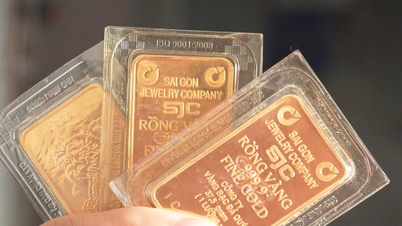
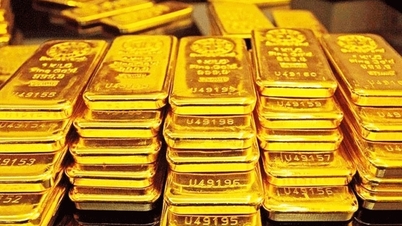
In the domestic market, silver prices also fluctuate in line with global trends. At the close of trading on May 25th, the price of 999 gold investment bars was listed in the range of 2.94 - 3.049 million VND/ounce. However, by the morning of May 26th, the price had adjusted slightly downwards to the range of 2.879 - 2.97 million VND/ounce.
Source: https://baotintuc.vn/thi-truong-tien-te/ap-luc-ban-lan-rong-mxvindex-roi-vung-2900-diem-20260526140403540.htm
![[Photo] General Secretary and President To Lam presides over the meeting to approve the draft report on the results of the second inspection by the Politburo of the Standing Committee of the Hanoi City Party Committee.](https://vphoto.vietnam.vn/thumb/1200x675/vietnam/resource/IMAGE/2026/05/26/1779789811432_a2-bnd-4430-9620-jpg.webp)






































































































Comment (0)