

During the Lunar New Year, various types of candied coconut, candied pumpkin, candied apple, etc., are always present on the guest table. However, some types may not be good for health, especially for the elderly and those with chronic diseases.
Risk of liver and kidney damage from eating too much.
According to Dr. Le Ngo Minh Nhu, a specialist at the University Medical Center of Ho Chi Minh City - Branch 3, dried or pickled fruit preserves, such as tamarind jam and gooseberry jam, often contain many additives and preservatives, which are not good for consumers' health. “These chemicals can damage the liver and kidneys, so caution is advised if consuming them frequently and over a long period. Furthermore, the sour taste of these preserves can increase stomach acid, which is not good for people with stomach problems. A group of fried or oily preserves, such as fried sweet potato or fried banana preserves, also contain a lot of saturated fat, increasing bad cholesterol (LDL) and causing indigestion, negatively affecting the cardiovascular health of the elderly. Eating overly sweet or salty preserves, such as salted candied plums, can also increase blood pressure,” Dr. Nhu stated.
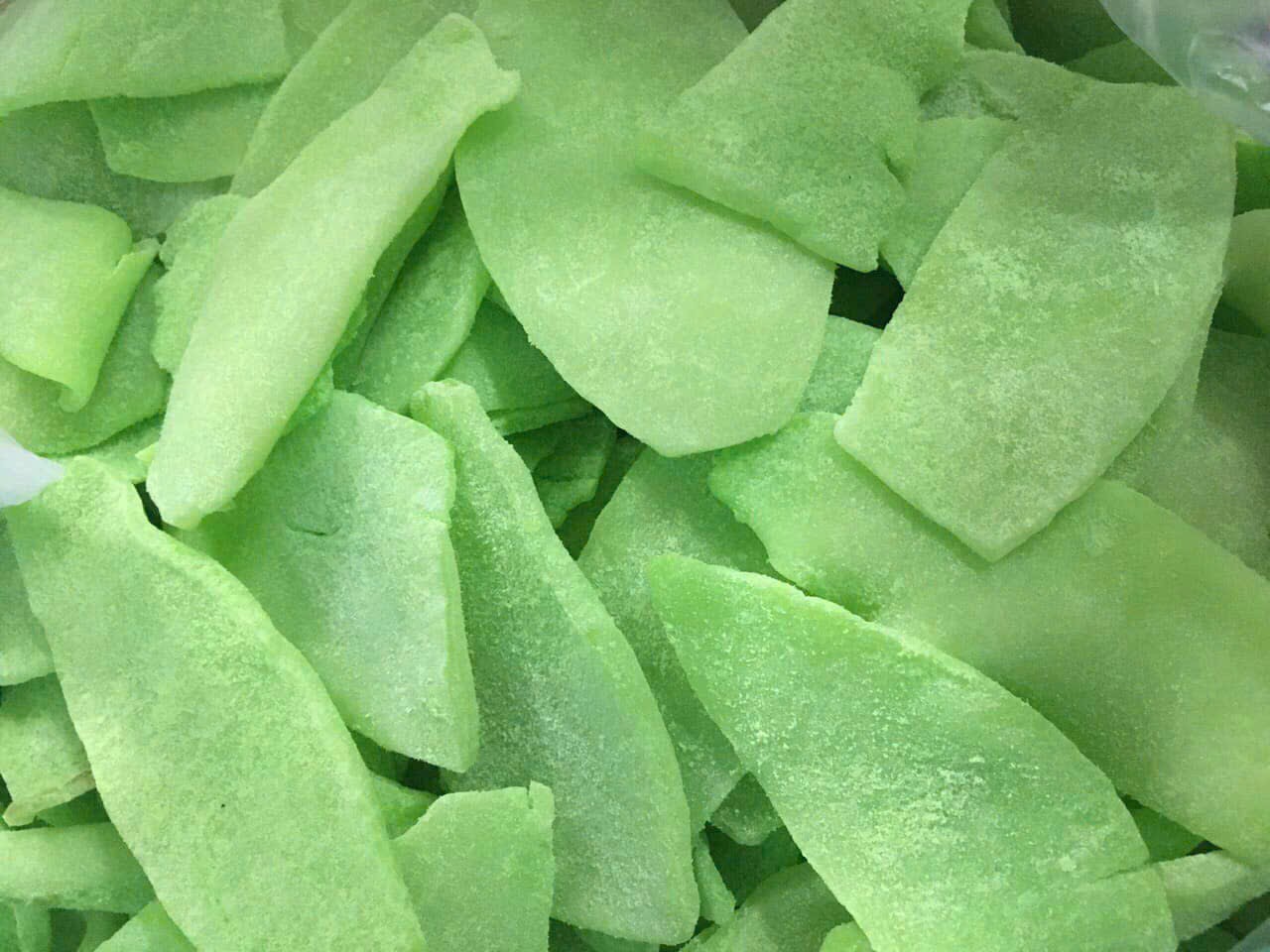
Traditional Tet (Lunar New Year) sweets often contain a lot of sugar, affecting blood sugar and blood pressure, and are not good for people with underlying health conditions and pregnant women.
Although jam contains nutrients such as starch, protein, organic acids, vitamins and minerals, and antioxidants, it still poses several health risks:
Sugar is used not only to enhance sweetness but also to preserve jam for longer; therefore, consuming too much sugar increases the risk of unstable blood sugar levels, which is very dangerous for people with diabetes. For the elderly, high sugar intake also increases the risk of obesity, dyslipidemia, and atherosclerosis.
Some types of jam contain high levels of beta-carotene or vitamins A and C, such as tomato, carrot, apple, plum, and kiwi jams, which will be broken down by heat. Prolonged processing times will also reduce the effectiveness of these vitamins.
Jam does not provide the same nutritional components, especially vitamins and minerals, as fresh jam, so it is not good for the elderly, children, and pregnant women throughout their pregnancy; it should not be eaten in large quantities or used as a substitute for other foods.
Eating too much jam can easily cause bloating and reduce feelings of hunger, limiting appetite during main meals.
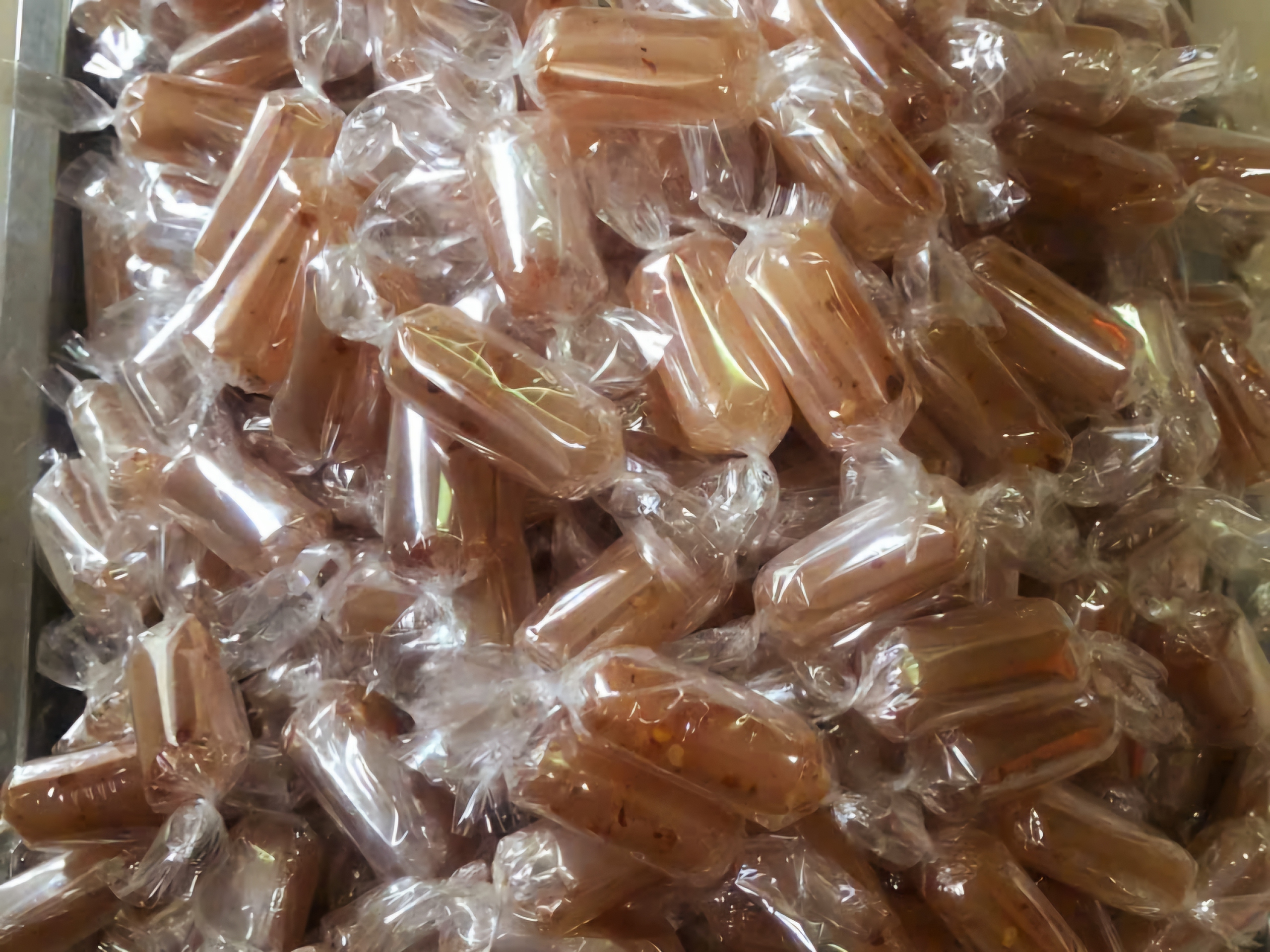
When making jam at home, you should reduce the amount of sugar or use a safe sweetener.
Healthy jams are recommended as an alternative.
From a nutritional or traditional medicine perspective, jams made from vegetables and roots such as sweet potatoes, ginger, peaches, pears, tamarind, plums, kumquats, apples, strawberries, etc., have various effects. Ginger jam warms the spleen and stomach, prevents vomiting, and treats coughs; kumquat jam helps cool the body, stimulates digestion, loosens phlegm, and prevents vomiting; lotus seed jam calms the nerves and reduces stress…
The choice of jam or the quantity consumed depends on each person's physical condition. Accordingly, Doctor Minh Nhu offers some advice on consuming jams during Tet (Lunar New Year) to ensure good health:
- Choose a sugar-free or low-sugar jam.
- Limit consumption: Eat only a small amount at a time to avoid causing hyperglycemia or indigestion.
- Making jam at home: Making jam at home allows you to control the sugar content and ensures food safety.
- Replace them with freeze-dried fruits: These foods are dried using low temperatures while retaining their original color and flavor, minimizing nutrient loss...
Things to note when buying or making jams and fruit preserves:
According to Master's degree holder and doctor Le Ngo Minh Nhu, when buying or making jam at home, people need to pay attention to the following things to protect their health during Tet (Lunar New Year):
When making it yourself: Choose clean, fresh fruits and vegetables from a reliable source, prioritizing organically grown and chemical-free produce.
When cooking: Reduce the amount of sugar or use a safe sweetener.
No additives are used to preserve candies and jams.
When buying: Buy a moderate amount of jam, enough for a few days during Tet. This prevents the jam from spoiling and avoids overconsumption (especially for the elderly and those with underlying health conditions...).
Prioritize buying cakes and pastries that are guaranteed to be nutritious, low in or free of sugar, and not fried in oil.
It is advisable to choose products that meet food safety and hygiene standards, have clear labeling, origin information, and expiration dates.
Source: https://thanhnien.vn/bac-si-luu-y-khi-an-mut-cach-lua-chon-thuc-pham-lanh-manh-trong-dip-tet-185250127165417587.htm



























![[Photo] General Secretary To Lam visits the exhibition space showcasing books, photo exhibitions, and achievements of digital transformation in journalism.](/_next/image?url=https%3A%2F%2Fvphoto.vietnam.vn%2Fthumb%2F1200x675%2Fvietnam%2Fresource%2FIMAGE%2F2025%2F12%2F19%2F1766110879215_1766110240024-jpg.webp&w=3840&q=75)








































































Comment (0)