

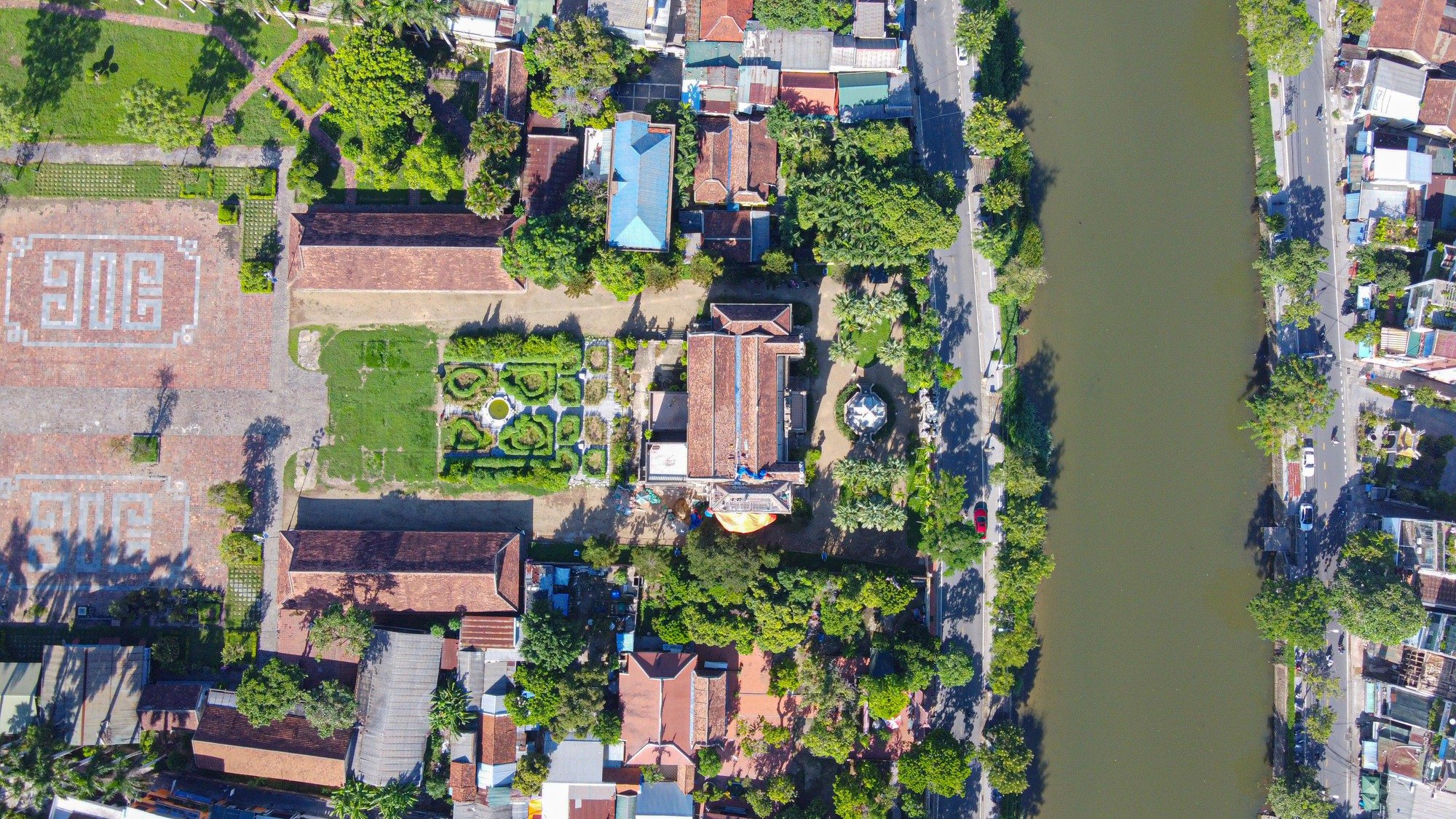
An Dinh Palace is located at 97 Phan Dinh Phung Street ( Hue City), facing south towards the An Cuu River.
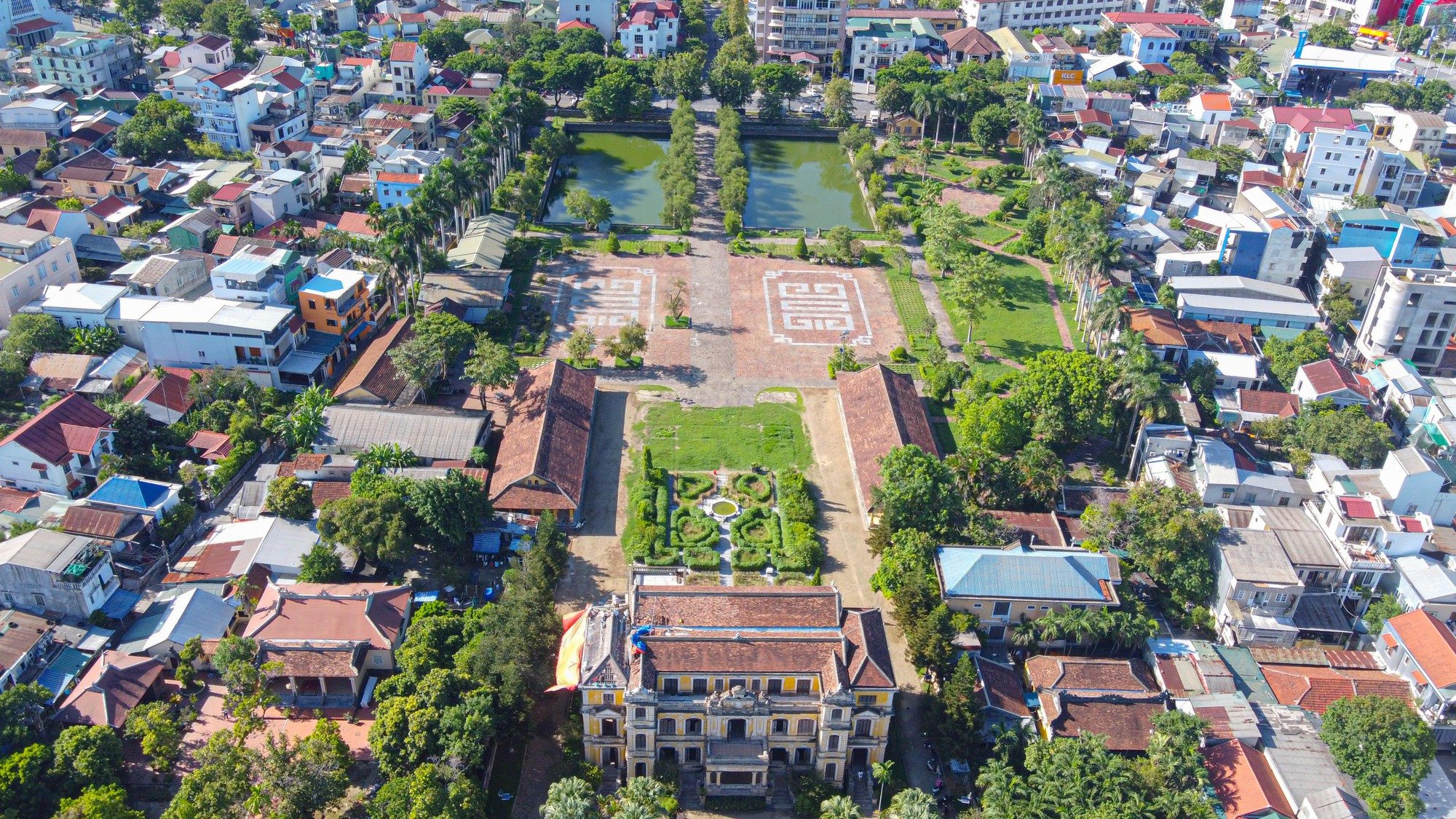
The palace is situated on flat terrain with a total area of 23,463 m², and was built in the castle-like architectural style commonly seen in Europe.
"I learned about this destination through social media and photos from friends who had traveled to Hue. My impression of An Dinh Palace is its European architecture mixed with the classic style of the Hue imperial court. In my opinion, young people should choose traditional clothing such as ao dai or ancient costumes to take impressive photos," shared Le Van Phu (27 years old, a tourist from Ho Chi Minh City).
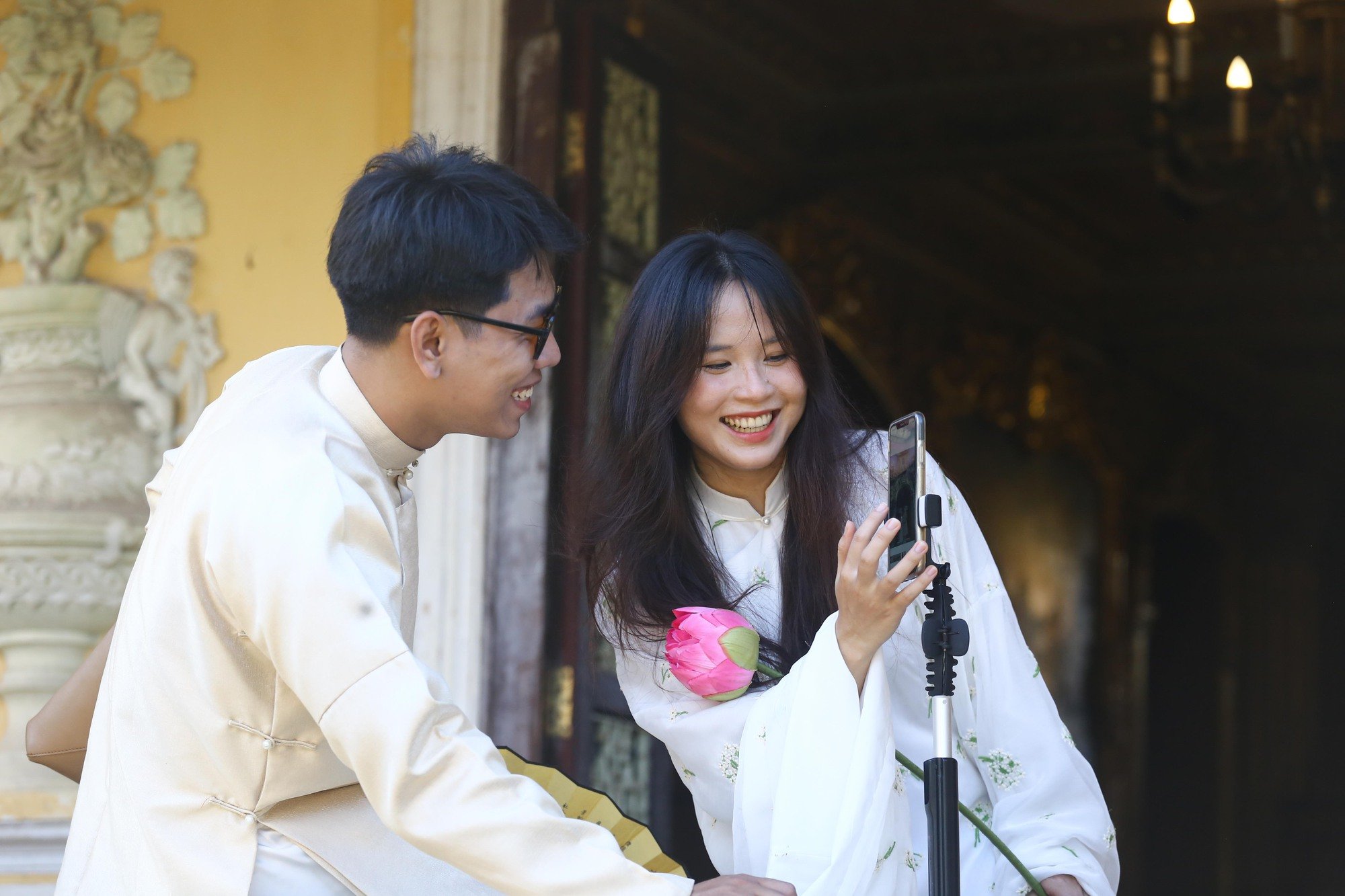
Young people in traditional Vietnamese ao dai dresses check in at An Dinh Palace.
Some elderly tourists visit this site because they want to learn about history and see firsthand where the Nguyen dynasty's royal family once lived. After visiting the Hue Imperial Citadel, Ms. Hoang Thanh Tien (52 years old, a tourist from Hanoi ) expressed her delight in choosing An Dinh Palace as her second destination. Through various books and articles, she learned that this was once the residence of Empress Nam Phuong...
"For me, seeing the artifacts from the Nguyen Dynasty palace firsthand was a valuable experience during this trip to Hue. I hope the structure will be effectively preserved and further developed," Ms. Tien said.
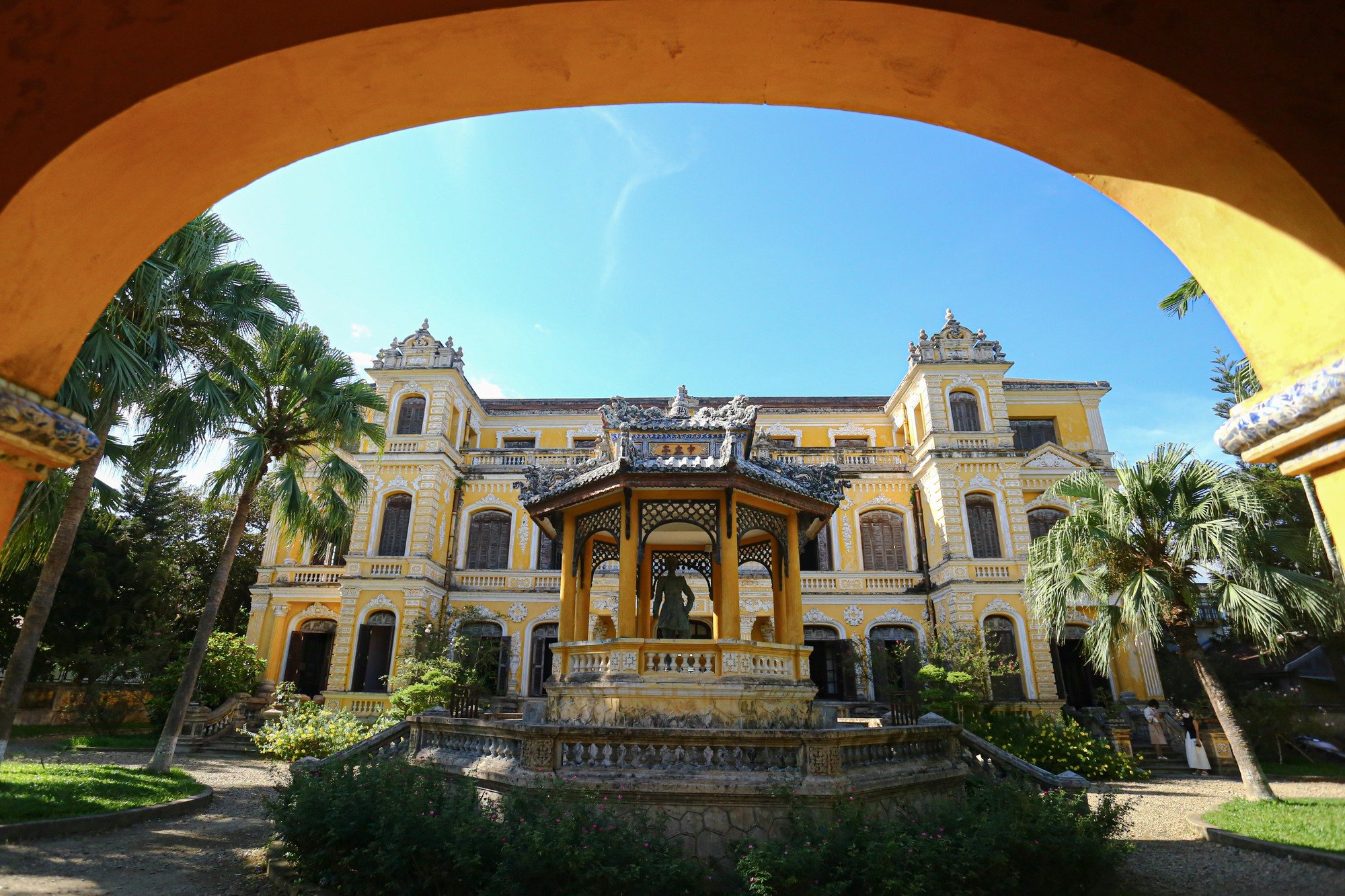
Trung Lap Temple, located inside the gate, has an octagonal structure and a raised platform. Inside the temple is a life-sized bronze statue of King Khai Dinh, cast in 1920.
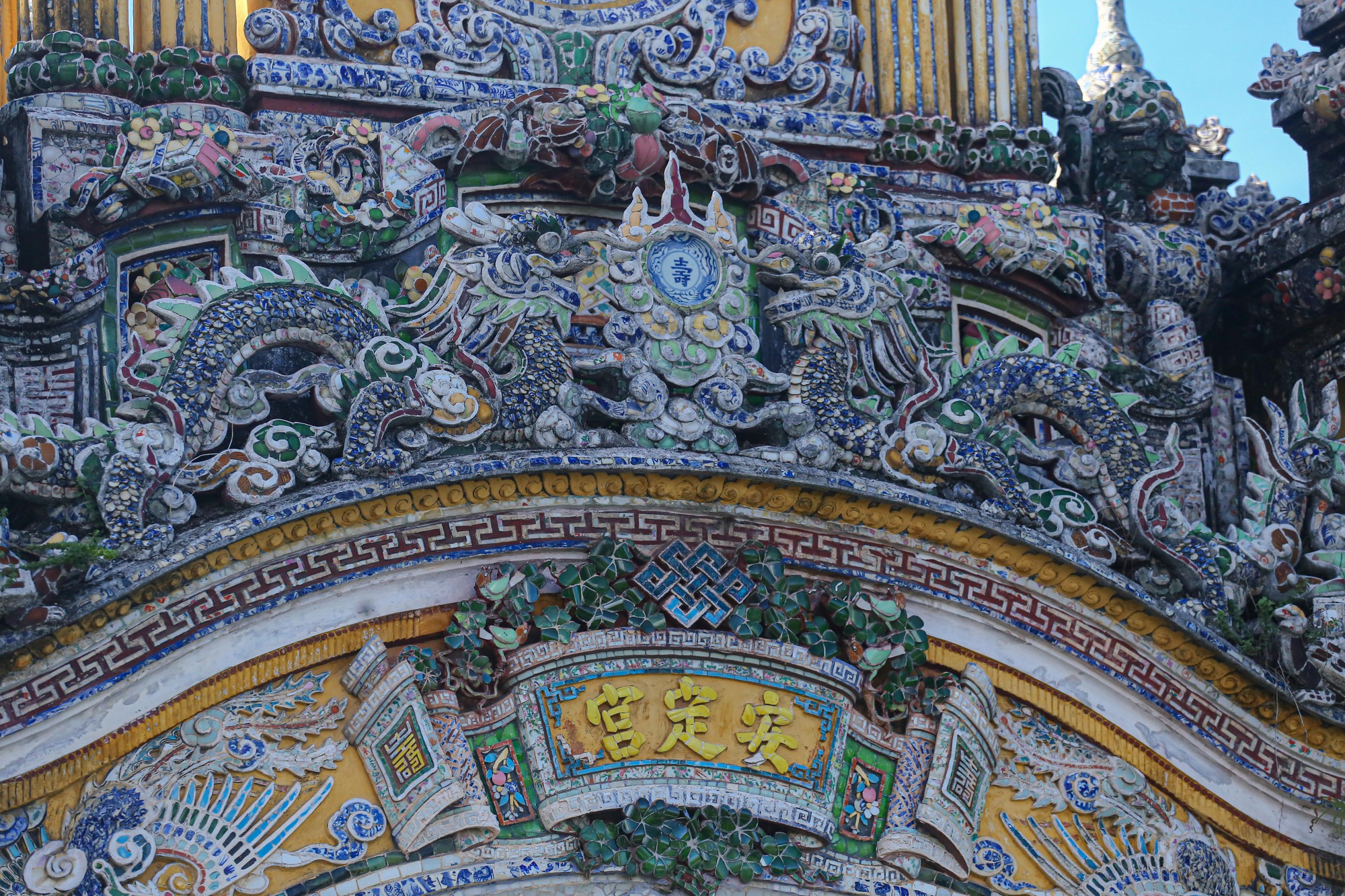
The main gate of An Dinh Palace features elaborate ceramic relief decorations.
According to historical documents, in 1901, Crown Prince Nguyen Phuc Buu Dao (later King Khai Dinh) decided to establish his own residence, naming it An Dinh Palace. In 1917, upon officially ascending the throne, King Khai Dinh ordered his soldiers to renovate the building in a modern architectural style. After two years, the construction was officially completed.
In 1922, according to the king's wishes, An Dinh Palace was granted to Crown Prince Vinh Thuy (later King Bao Dai). After his ascension to the throne, he and his wife and children lived there and experienced many significant events. Following the August Revolution and the decline of the Nguyen dynasty, King Bao Dai and his family moved from the royal palace to An Dinh for a short time before emigrating abroad.
Later, Empress Dowager Từ Cung (the last empress dowager of the Nguyễn dynasty) donated An Định Palace to the revolutionary government. The palace had fallen into disrepair, but was later restored and rebuilt, and it remains standing to this day.
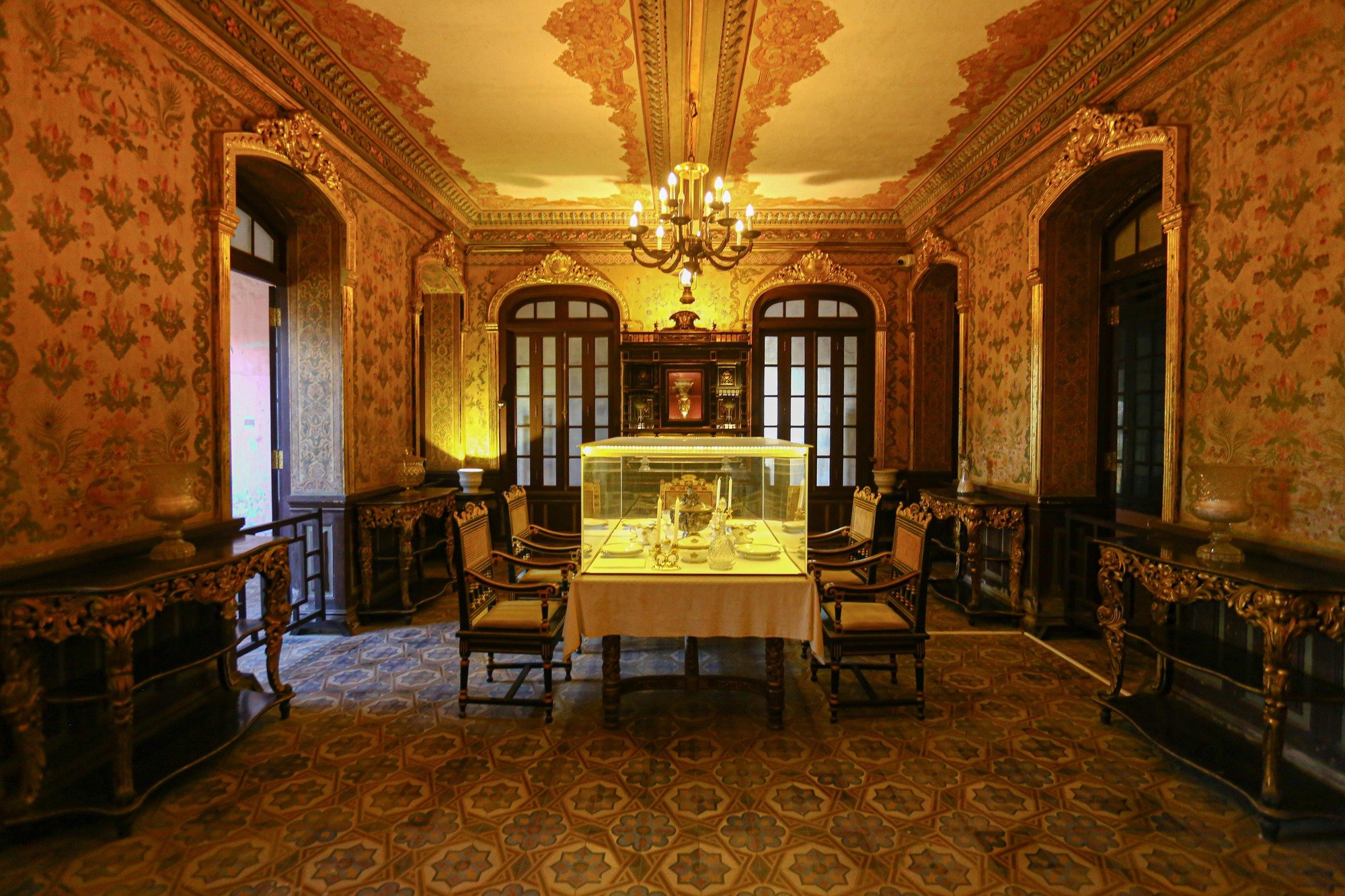
The interior of the Khai Tuong Pavilion features modern Western architecture.
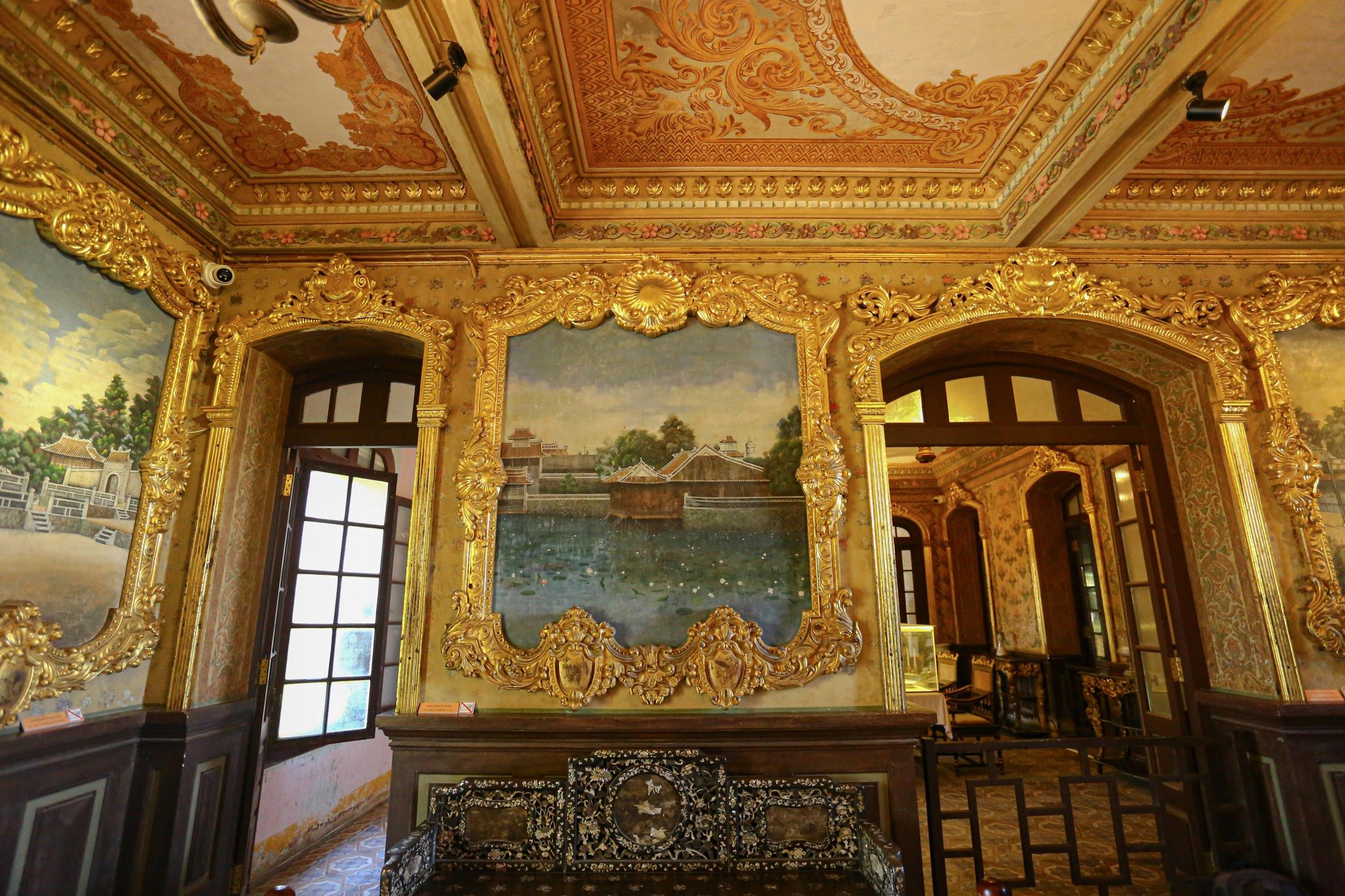
The mansion is elaborately decorated, especially the interior of the first floor with its murals of high artistic value.
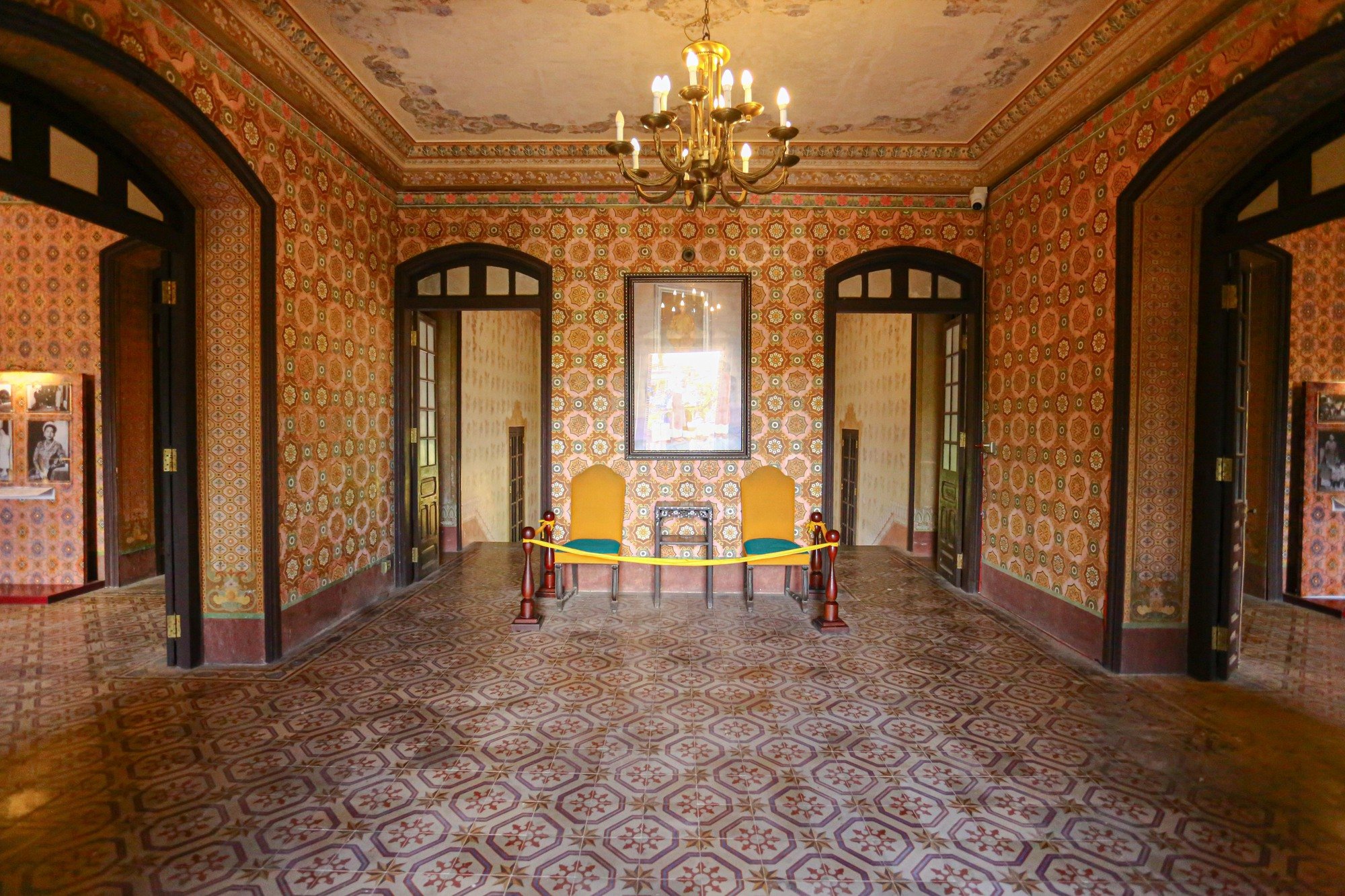
This place still preserves many artifacts of the Nguyen dynasty's royal family.
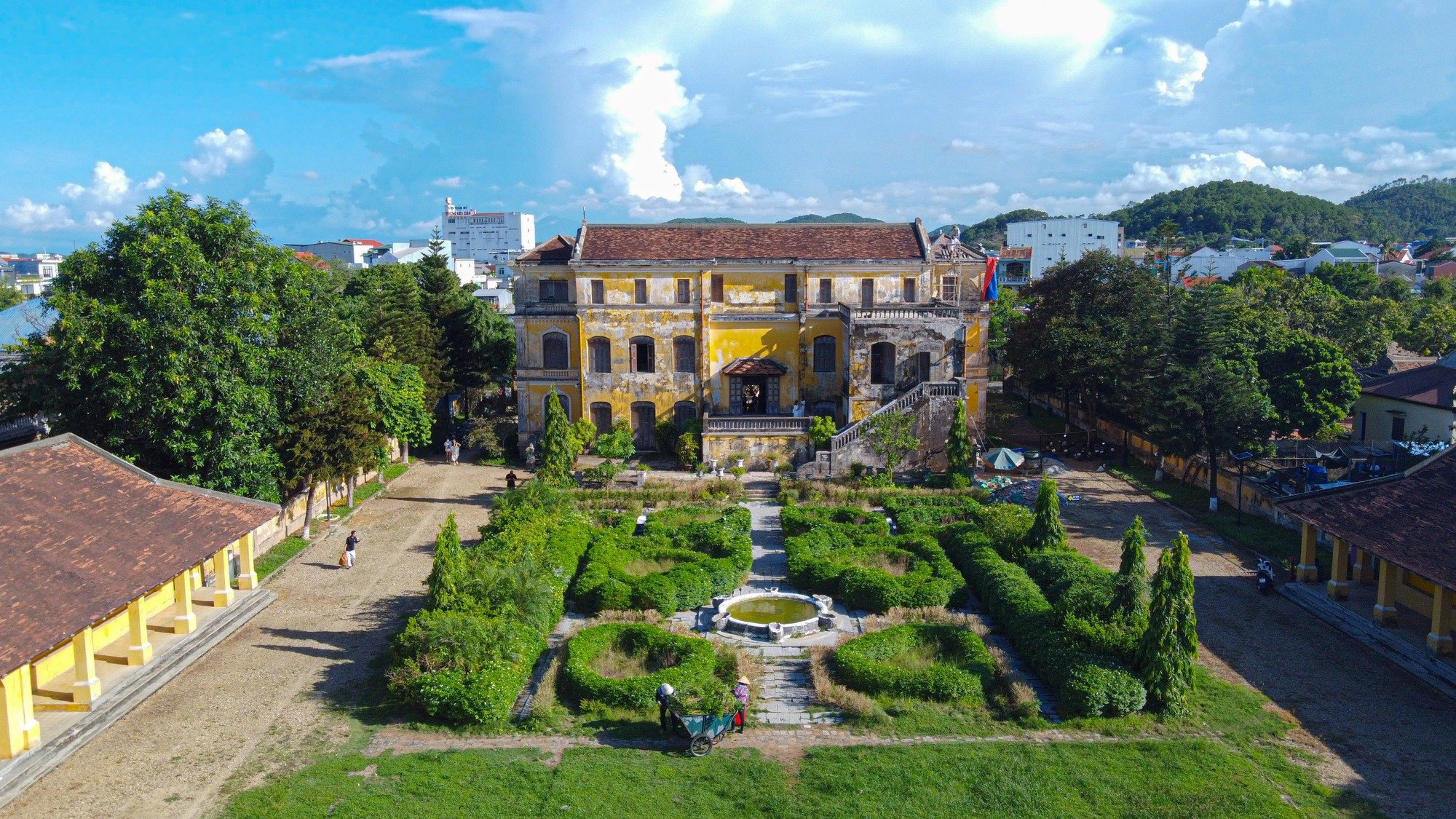
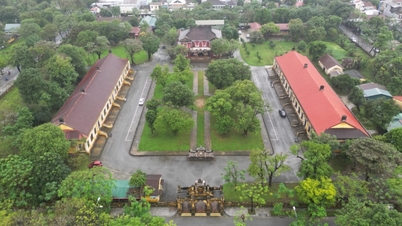
Behind An Dinh Palace is a large courtyard, covered with green grass.
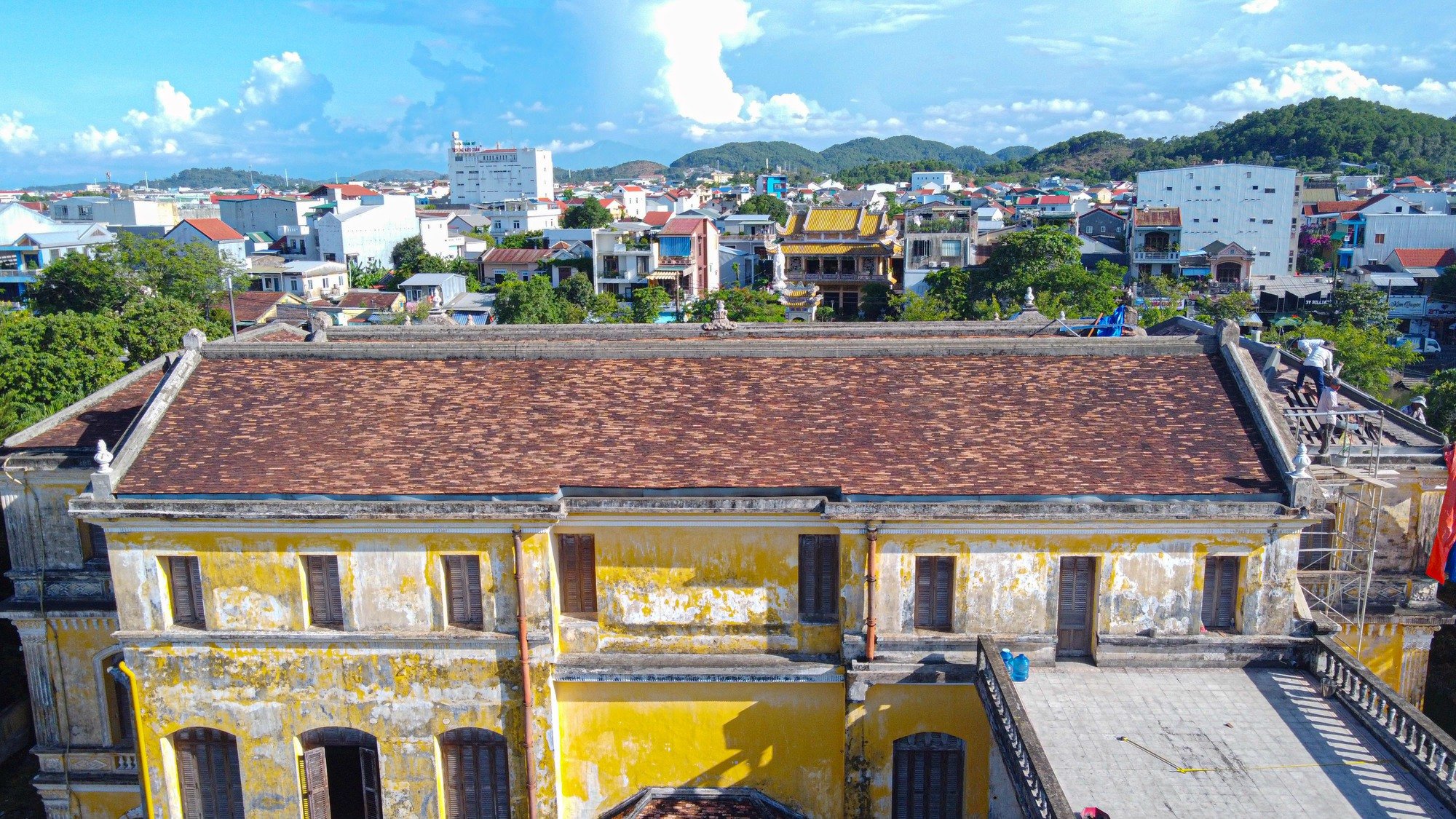
Currently, some sections of the tiled roof of Khai Tuong Pavilion are being restored by the Hue Ancient Citadel Relics Conservation Center.
Source: https://thanhnien.vn/ben-trong-lau-dai-long-lay-noi-hoang-hau-cuoi-cung-trieu-nguyen-tung-o-185230918235026893.htm

![[Image] Central Party Office summarizes work in 2025](/_next/image?url=https%3A%2F%2Fvphoto.vietnam.vn%2Fthumb%2F1200x675%2Fvietnam%2Fresource%2FIMAGE%2F2025%2F12%2F18%2F1766065572073_vptw-hoi-nghi-tong-ket-89-1204-jpg.webp&w=3840&q=75)














































Comment (0)