

Taking a nap can significantly improve mental and physical health, boosting alertness, improving mood, and enhancing memory.
The human body needs 7-8 hours of sleep at night, but many people still need to nap during the day to recharge their bodies and minds.
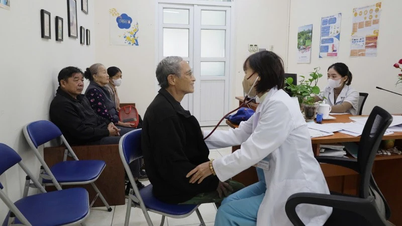
Here, two top US hospitals explain the benefits of napping and the best ways to take it.
According to information from Johns Hopkins Hospital (USA), the wonderful benefits of a nap include:

For naps, timing and duration are very important.
Reduce health problems. Napping can help improve concentration and reduce the risk of health problems, while also helping lower blood pressure and reduce the risk of heart disease.
Control stress and mood. Napping stimulates the release of “happy” hormones like serotonin and dopamine, which help control stress.
Boost brain health. Napping helps the mind become more fresh and creative, while also enhancing the brain's ability to retain and process information. Napping also helps consolidate memory.
The best way to take a nap.
While napping can benefit your mental and physical health, getting the right kind of sleep is essential for optimal health. In particular, the timing and duration of sleep are important, according to Johns Hopkins Medicine.
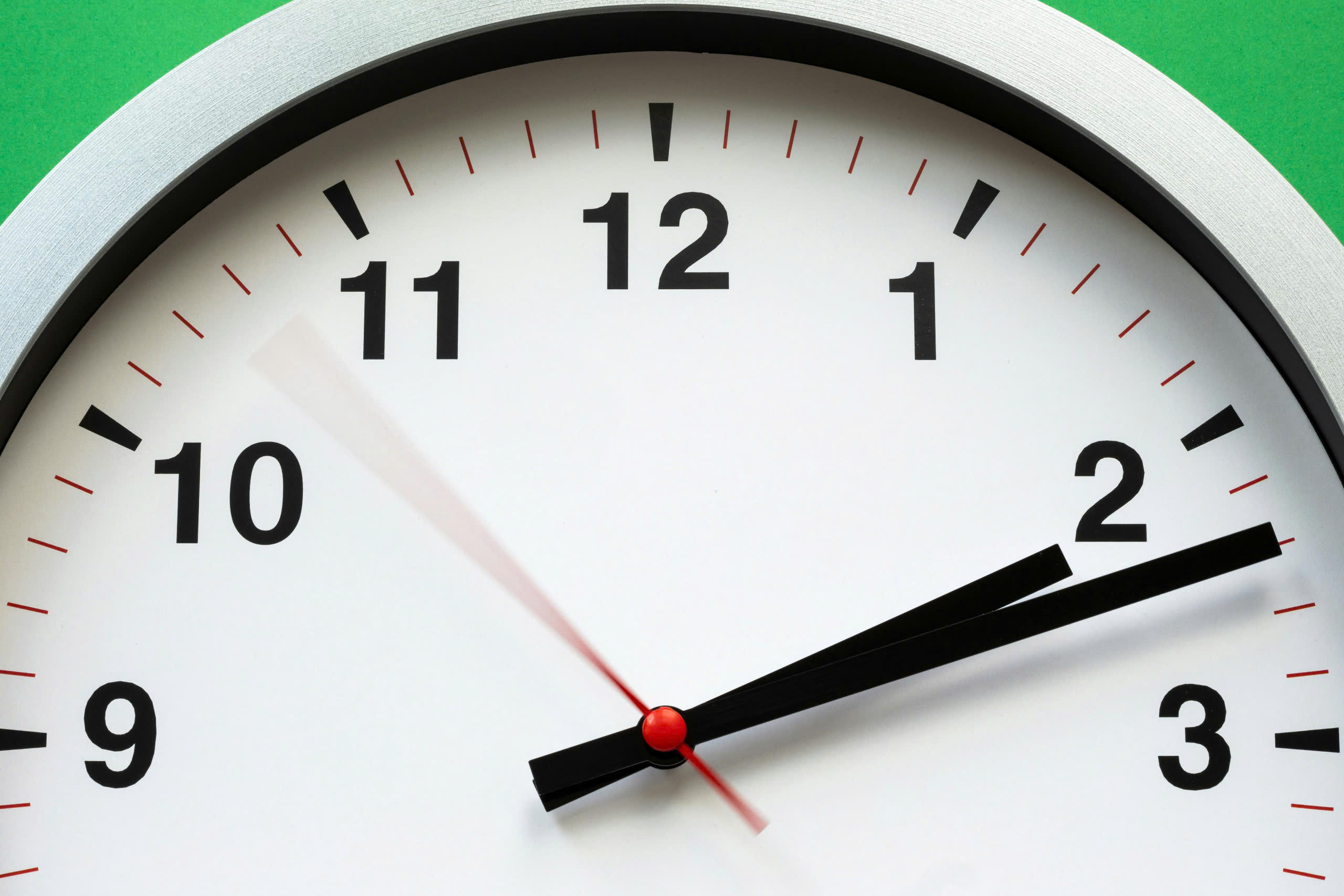
Studies show that the ideal time for a nap is between 1 PM and 3 PM, as it can improve cognitive function.
To maximize the benefits, the Mayo Clinic hospital system (USA) recommends you try the following tips:
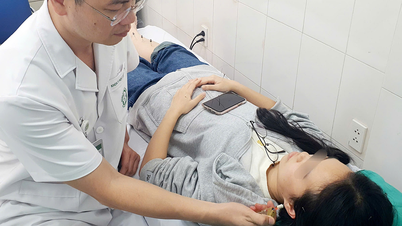
Keep naps short. A nap lasting 20-30 minutes is ideal for the brain in older adults; longer naps may cause cognitive problems. Recent research has shown that naps under 30 minutes are best for preventing cognitive decline. Short naps also help avoid lethargy; ideally, they shouldn't exceed 30 minutes. Longer naps can lead to lethargy afterward, according to the Mayo Clinic.
Take a nap in the early afternoon. Research shows that 1pm to 3pm is the ideal time to nap because it can improve cognitive function. Napping after 3pm can also make it harder to sleep well at night.
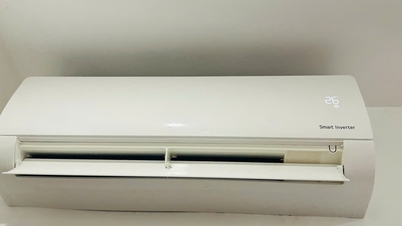
Create a quiet space. Nap in a quiet, dark place at a comfortable room temperature. Limit distractions such as televisions, computers, phones, and other devices.
After your nap, give yourself time to wake up before returning to your activities. This is important if you need to perform a task that requires quick reactions or alertness.
Source: https://thanhnien.vn/benh-vien-noi-tieng-cua-my-chi-cach-ngu-trua-tot-nhat-185241111161526687.htm
![[Photo] Prime Minister Pham Minh Chinh holds a phone call with the CEO of Russia's Rosatom Corporation.](/_next/image?url=https%3A%2F%2Fvphoto.vietnam.vn%2Fthumb%2F1200x675%2Fvietnam%2Fresource%2FIMAGE%2F2025%2F12%2F11%2F1765464552365_dsc-5295-jpg.webp&w=3840&q=75)


![[Photo] Closing Ceremony of the 10th Session of the 15th National Assembly](/_next/image?url=https%3A%2F%2Fvphoto.vietnam.vn%2Fthumb%2F1200x675%2Fvietnam%2Fresource%2FIMAGE%2F2025%2F12%2F11%2F1765448959967_image-1437-jpg.webp&w=3840&q=75)







































![[OFFICIAL] MISA GROUP ANNOUNCES ITS PIONEERING BRAND POSITIONING IN BUILDING AGENTIC AI FOR BUSINESSES, HOUSEHOLDS, AND THE GOVERNMENT](https://vphoto.vietnam.vn/thumb/402x226/vietnam/resource/IMAGE/2025/12/11/1765444754256_agentic-ai_postfb-scaled.png)











































Comment (0)