

Elephant Coffee - a unique and rich flavor found at the foot of Prenn Pass in Da Lat City - will win over even the most discerning diners with every sip.
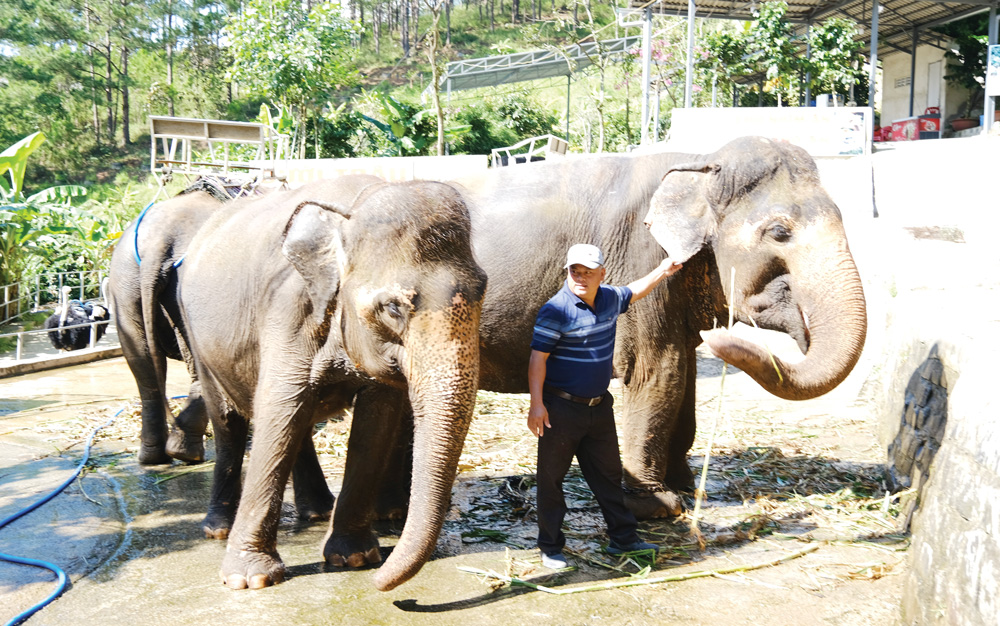 |
| According to Mr. Phan Dac Mau Dai, the process of making elephant coffee requires careful selection right from the coffee bean selection stage. This is because only fresh, high-quality coffee beans are preferred by elephants, resulting in the best product. |
The person who brought this unique beverage to Lam Dong is veterinarian Phan Dac Mau Dai (46 years old, Hiep An commune, Duc Trong district). He owns a herd of 7 elephants, one of the largest domesticated elephant herds in the country. And, the journey of discovering and learning about elephant coffee began from there.
“Since 2010, we have been involved in the elephant coffee business. However, to establish the elephant coffee model and attract a large number of local and international tourists to come and enjoy it, I had to thoroughly research and master the processing methods, techniques, and procedures to create a delicious, authentic elephant coffee in Thailand, the country of origin of this unique coffee,” Mr. Dai said.
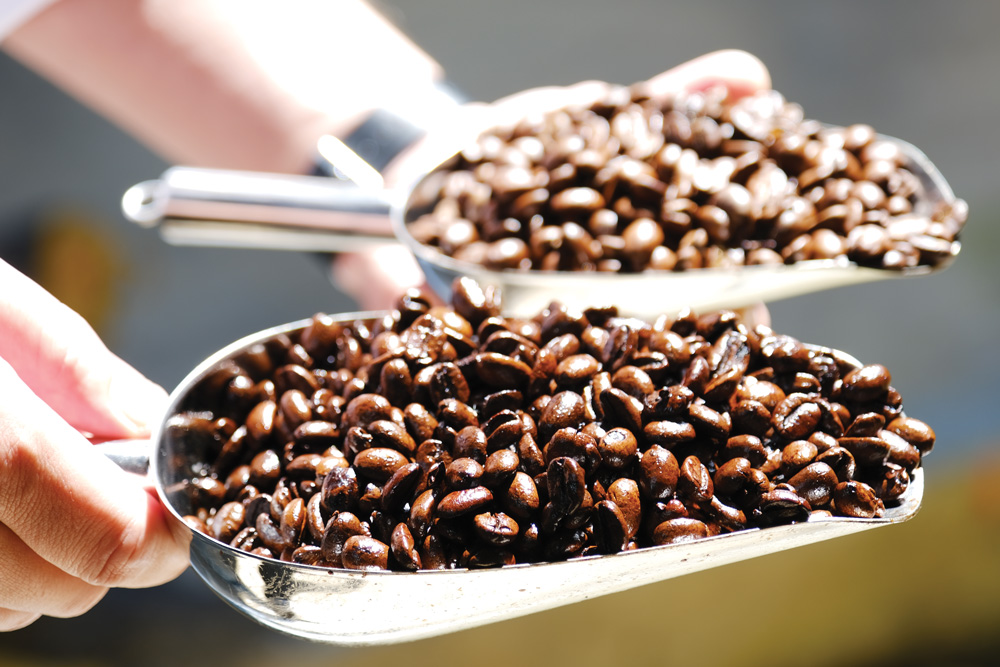 |
| To create the distinctive elephant coffee, the finished coffee beans must go through many meticulous steps. From scrubbing, drying, removing the hard shell, polishing the beans, roasting… to a strict processing procedure with the barista's own formula and secrets. |
According to Mr. Dai, making elephant coffee is not difficult, but it requires many steps and the maker must be knowledgeable about coffee, the characteristics of elephants, and the techniques involved in the production process.
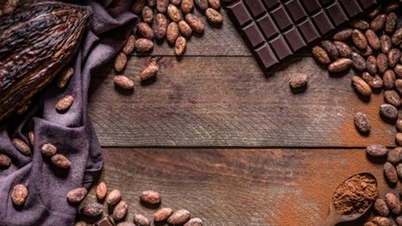
“When elephants eat coffee beans, they only digest the outer shell; the beans themselves remain intact. During the approximately 12 hours the coffee beans sit in the elephant's stomach, the action of enzymes in the digestive tract alters their properties, activating an increase in caffeine content; this creates a unique, rich, and delicious coffee aroma. But first and foremost, right from the selection process, the coffee beans for the elephants must be of truly high quality. The sugar content of the fruit determines the overall quality of the coffee. The coffee cherries must be ripe, properly ripened, sweet, and have thick flesh. We grow and feed the elephants two main types of coffee: Arabica and Robusta,” Mr. Dai explained.
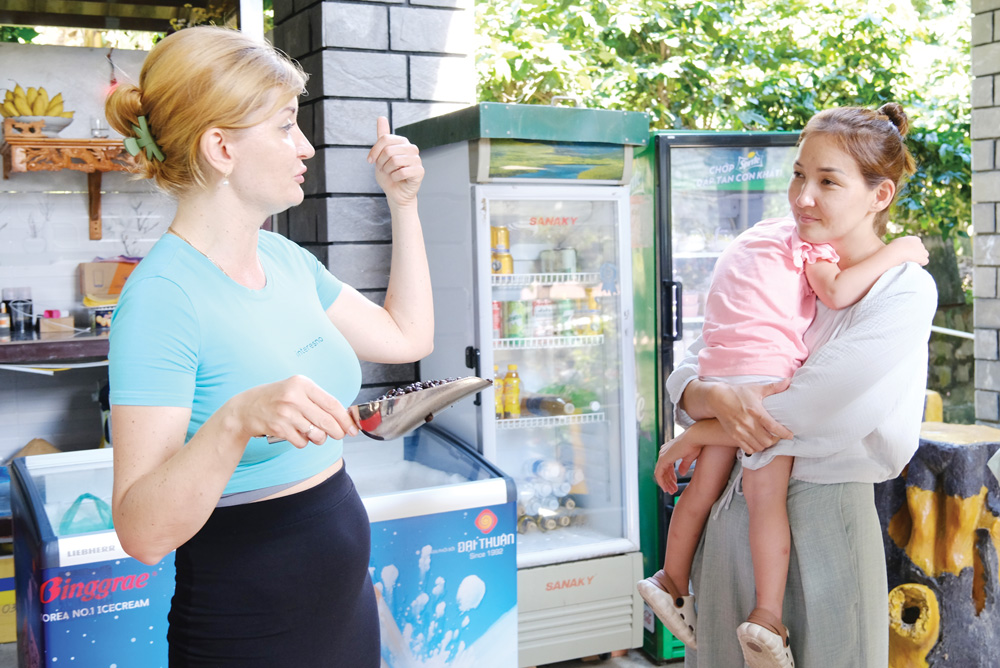 |
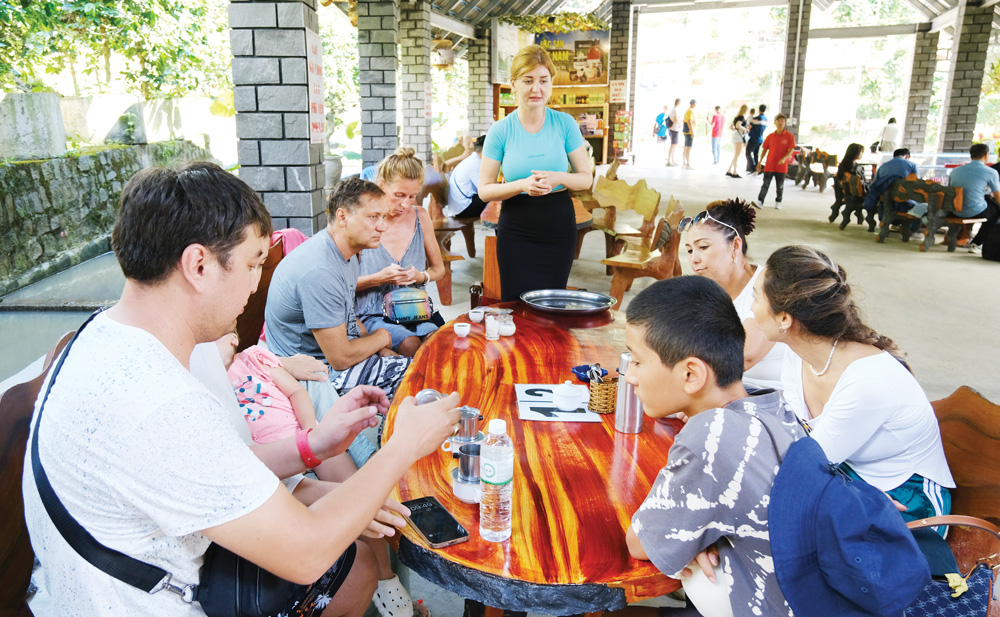
| Foreign tourists are particularly delighted to experience elephant coffee. |
Alina, a tourist from Russia, was thrilled to taste the unique flavor of elephant coffee in Lam Dong for the first time. She said: "I've always loved coffee and enjoyed the wonderful relaxing feeling it provides. The elephant coffee here has a very strong, rich flavor that really excited me. This is the best coffee I've ever tasted. Next time I have the chance to return to Vietnam, I will definitely bring my family and friends to enjoy this unique flavor," Alina said.
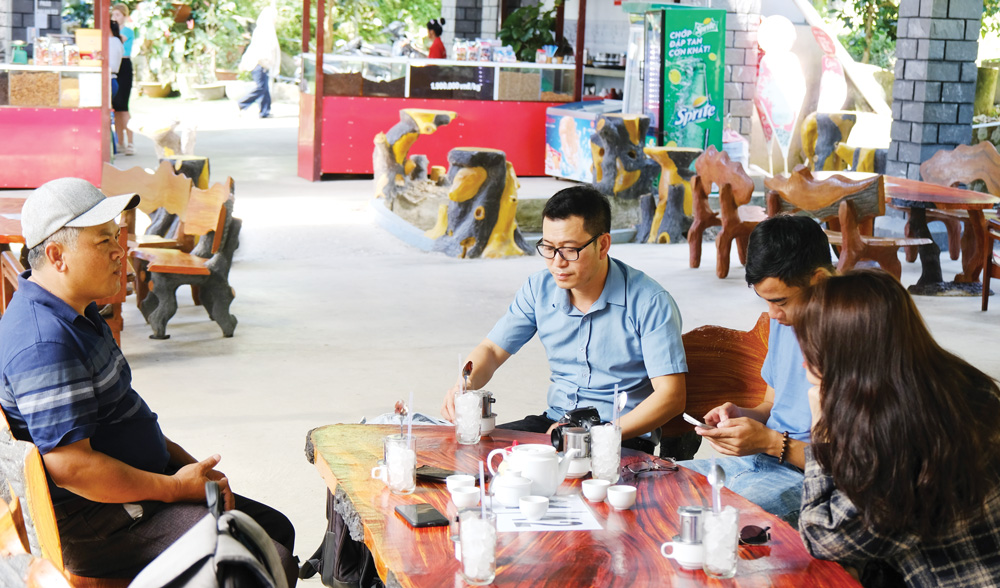 |
| The strong, slightly pungent flavor of elephant coffee attracts local tourists to try it. |
To succeed with the elephant coffee model, Mr. Dai also shared that he had researched and surveyed the Vietnamese people's taste preferences for coffee. Accordingly, Vietnamese people generally prefer two flavors. Firstly, a light, creamy, non-bitter taste with low caffeine content. Secondly, those who are passionate about coffee will prefer cups with higher caffeine content and a more bitter taste. Therefore, in the future, to improve the quality of elephant coffee and meet consumer demand, Mr. Dai plans to continue creating new recipes and expanding the business scale to further develop and make the elephant coffee model more widely known.
 |
| Elephant coffee is considered a unique and expensive coffee, selling for around 1.9 million VND per kilogram. |
Source: http://baolamdong.vn/du-lich/202412/ca-phe-voi-duoi-chan-deo-prenn-8090c65/
![[Photo] Standing Committee member of the Party Central Committee Tran Cam Tu working with the Central Inspection Committee](https://vphoto.vietnam.vn/thumb/1200x675/vietnam/resource/IMAGE/2026/05/28/1779969579668_ndo_br_bnd-2495-jpg.webp)



























































Comment (0)