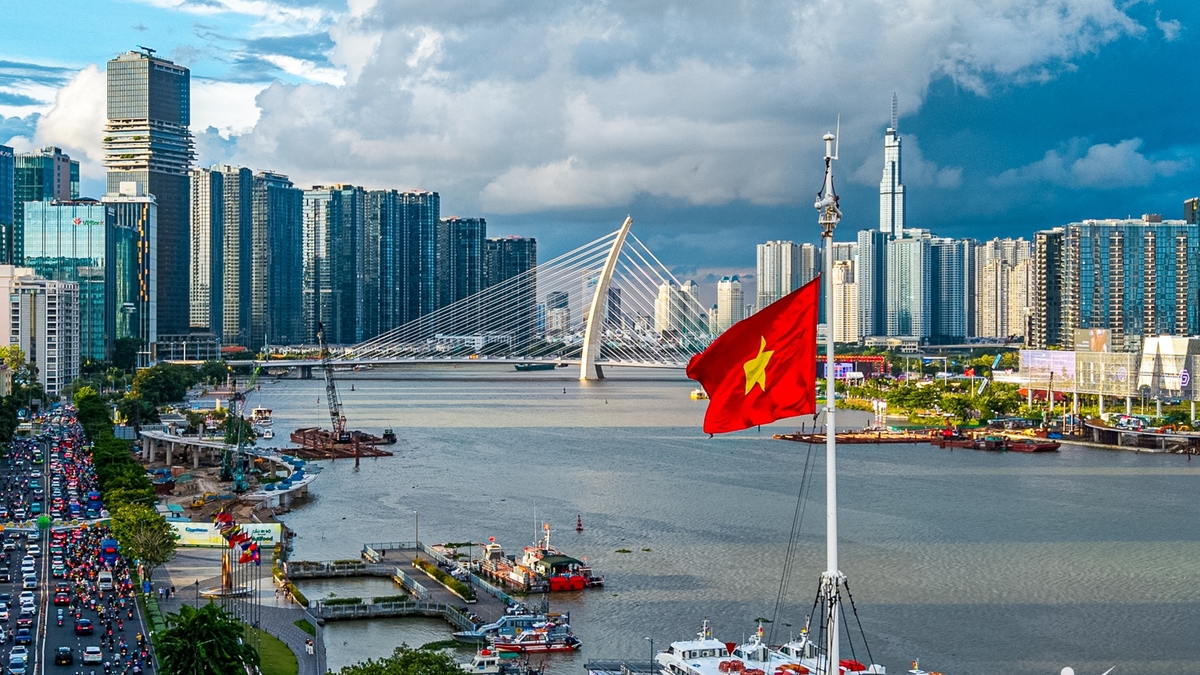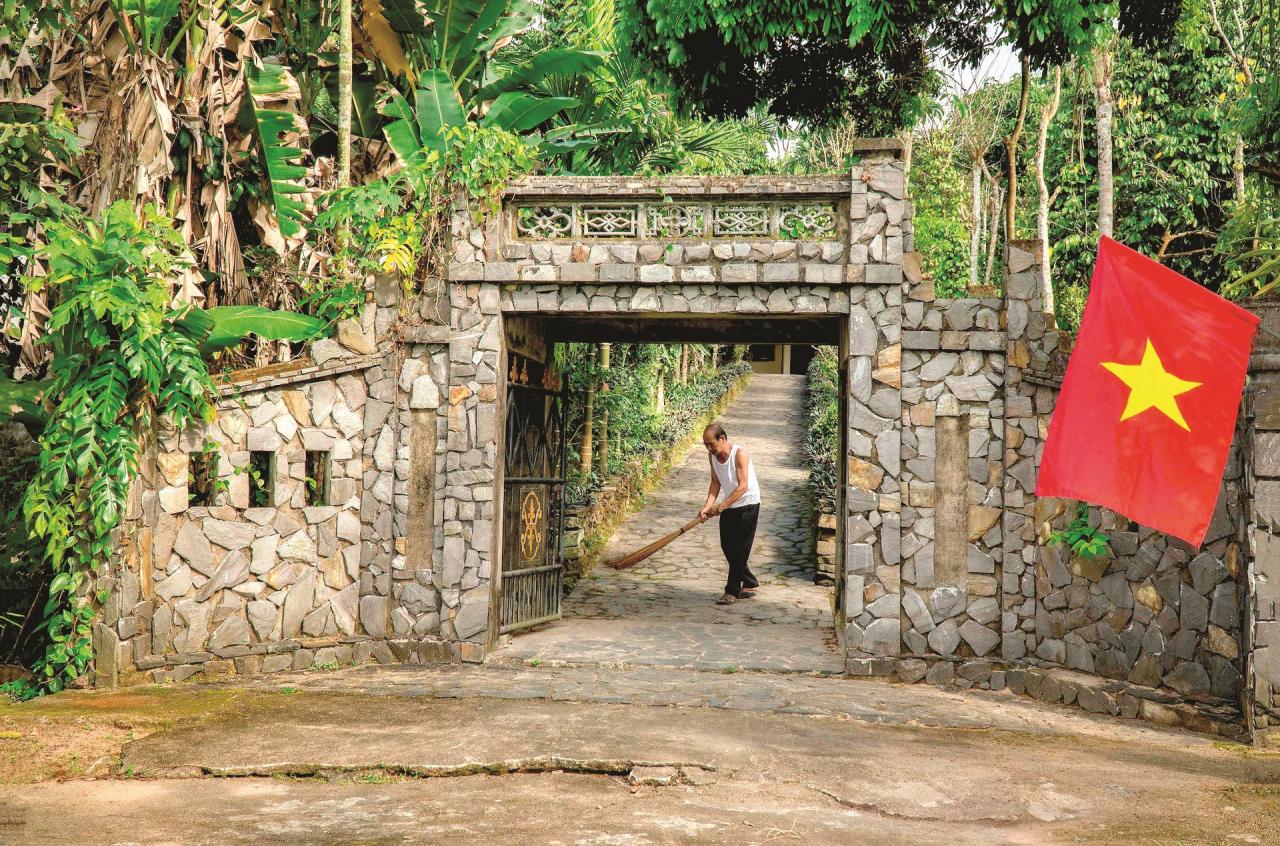
Recently, some localities have implemented Resolution 595/2022 of the National Assembly Standing Committee on the reorganization of district and commune-level administrative units. And some place names have "disappeared" due to the mergers.
"How can we preserve village names when the practice of 'relocating and relocating' village names keeps repeating itself in our country?" - this was also a pressing concern raised in a dialogue between two cultural researchers, Dr. Nguyen Thi Hau (Ho Chi Minh City Historical Science Association) and Dr. Tran Duc Anh Son (Dong A University, Da Nang).
It cannot be done mechanically.
Dr. Tran Duc Anh Son: After a period of calm, the issue of "merging/separating" in our country is now stirring up controversy again. This includes the renaming of merged communes and districts into new administrative place names, in a mechanical way (for example, Quynh Doi commune merged with Quynh Hau commune, resulting in the new name Doi Hau commune). This has caused resentment and reaction from people in the merged localities, as the names of their ancestral lands are suddenly being abolished by a temporary policy (which may be rectified later).
Dr. Nguyen Thi Hau: The reaction from the community and the concerns from cultural history researchers are justified.
"Place names are names of places expressed by specific words." A prominent characteristic of place names is their historical significance and linguistic diversity. Place names belonging to a particular country/region/ethnic community are named according to the language of that nation or ethnic group.
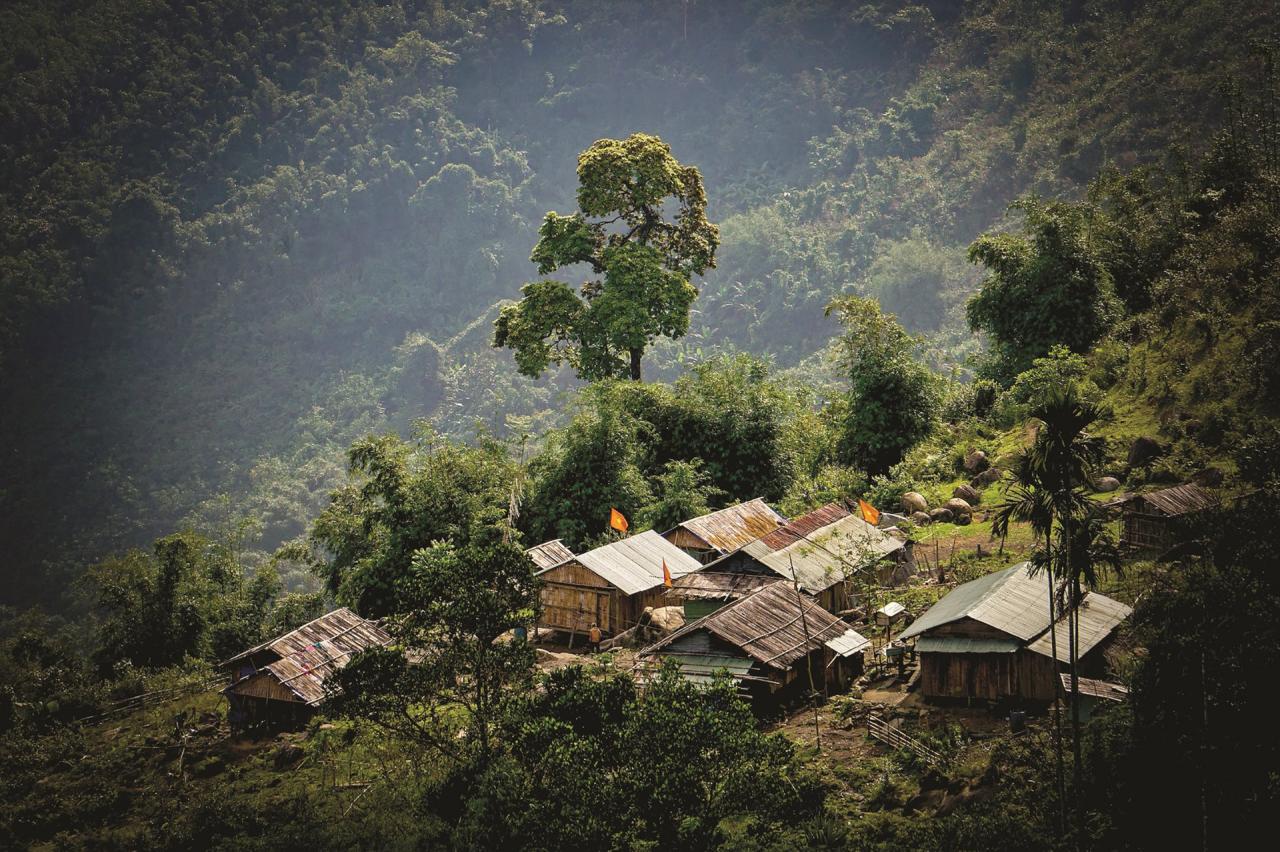
Place names reflect the formation process, characteristics of natural and cultural geographical elements, and the unique economic and social features of each locality. Therefore, the system of folk place names and historical administrative place names of a locality is very important; some place names even become a cultural "sign" or a historical landmark.
Regarding administrative place names, careful consideration is needed when making changes or establishing new ones. Vietnam's history spans many dynasties and social upheavals, resulting in numerous changes to place names, corresponding to changes in the spatial boundaries of villages, communes, districts, and provinces. This creates considerable difficulties for historical and cultural research, especially when clarifying a historical event or figure. It is not uncommon for disputes and disunity to arise in many localities because of this.
Dr. Tran Duc Anh Son: I agree that the names of villages, communes, districts, provinces, or, in official terminology, administrative place names, have historical significance and linguistic diversity.
Furthermore, administrative place names also reflect the process of village establishment, the role of clans (for example, the villages of Cao Xá, Ngô Xá, Phùng Xá… were founded by people of the Cao, Ngô, Phùng clans…), topography (Bãi hamlet, Cồn hamlet, Bàu village…), traditional occupations of that locality (Hiền Lương blacksmith village, Phò Trạch mat weaving village…).



Therefore, changing place names without considering these factors is a losing proposition, disrupting society, destroying the identity and cultural characteristics of the place/locality, and creating difficulties in social administration.
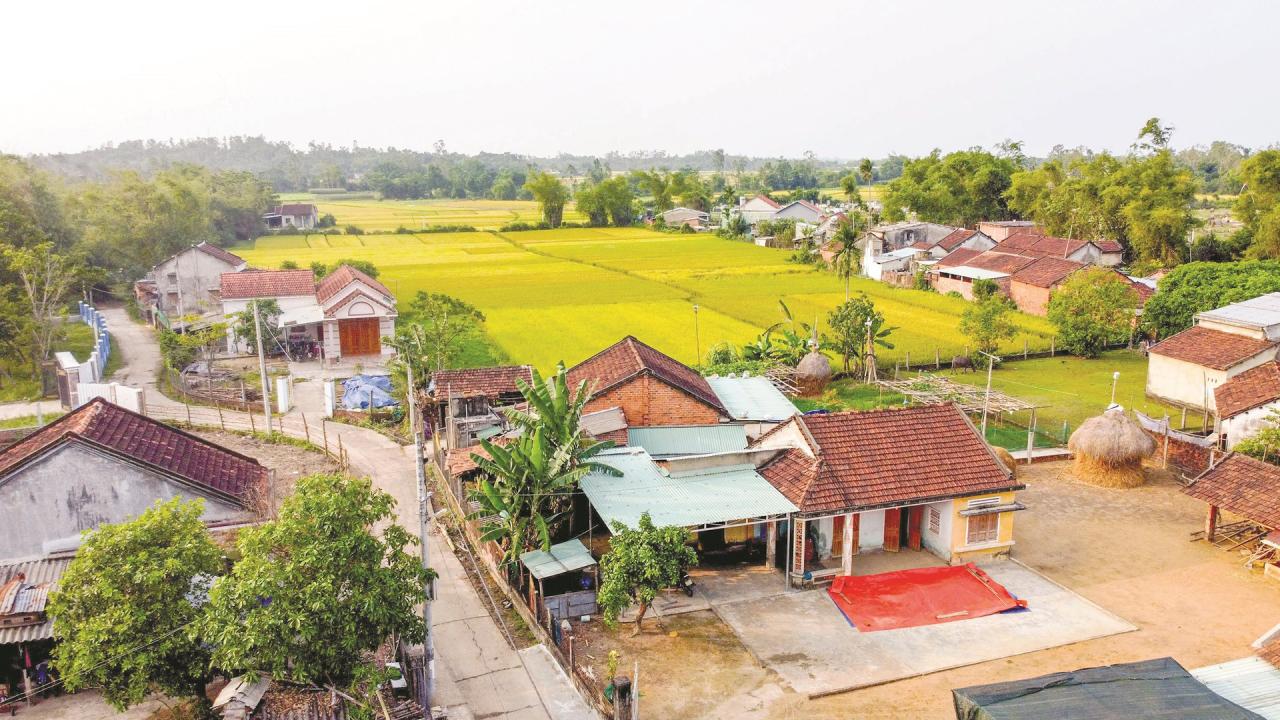
The "social capital" of a place name
Dr. Nguyen Thi Hau: The new regulations on the reorganization of administrative units at the district, commune, and village levels need to be carefully studied. Assigning new place names (as well as street names in urban areas) is a science and cannot be done arbitrarily.
It's easy to see a pattern: whichever language is used in administrative documents, that language will become more prevalent and overshadow local languages.
Therefore, if we truly want to protect cultural diversity – which also means respecting the cultural characteristics of each community and region – then, in addition to standardizing "terminology" in administrative documents for convenient use in state management, we need to maintain local language systems and use familiar place names that are already prevalent in society.
Changing or removing place names not only destroys a "memory heritage" but also deprives the place of a source of "social capital" derived from its cultural value.
Folk place names represent natural elements (names of rivers, mountains, canals, etc.), such as the famous place name Cu Lao Pho in Bien Hoa (Dong Nai), now replaced by Hiep Hoa ward; and Ganh Bridge - an important railway bridge on the Dong Nai River, which, after being struck and destroyed by a barge, suddenly became "Ghenh Bridge"...
For example, in Ho Chi Minh City, place names are often changed to "roundabout" using dialectal terms, and famous intersections like Phu Dong Six-Way Intersection, Ly Thai To Seven-Way Intersection, and Phu Nhuan Four-Way Intersection are replaced with "junctions." This practice not only impoverishes the Vietnamese language but also diminishes the diversity and richness of regional cultures.
Some argue that place names don't disappear as long as people keep mentioning them. This is true, but not entirely sufficient. Because place names are a type of intangible heritage, passed down through language and memory, and "materialized" by the government through written documents.
Therefore, when "physical texts" change place names and disseminate them at such a rapid and widespread pace as they do today, the old place names will soon disappear from the memory and language of the community! This can cause cultural resistance, when a cultural element disappears or is changed without the will and needs of the community - the subject of the culture.
Dr. Tran Duc Anh Son: In our country, many place names have a history of thousands of years, recorded in historical books. During the Nguyen dynasty, the administrative reforms under Emperor Minh Mang (1832-1833) gave rise to many new place names (in Quang Nam province alone, many names of communes and villages in Duy Xuyen, Que Son, Le Duong districts, etc., were formed from the Edict issued by Emperor Minh Mang in the twelfth month of the 16th year of Minh Mang's reign (early 1836)). These place names have existed for nearly two centuries.
After the August 1945 Revolution, many villages and communes underwent mergers and changes in administrative boundaries: a large village was split into two communes, or two or three small villages merged into a new commune. The same was true at the district and provincial levels. People who had become familiar with these place names for nearly eight decades were now being renamed, losing their origins and erasing their traditional "cultural identity," leading to their reaction.



Expert consultation is necessary.
Dr. Tran Duc Anh Son: Localities with districts and communes that are being "reduced" in this round should establish advisory boards, comprising researchers of Sino-Vietnamese studies, experts in textual studies, administrative studies, and local history researchers… to assist the government in reviewing historical sources, geographical records, land registers, administrative documents… from the monarchical period, the French colonial period…
This aims to identify original, long-standing place names that have influenced the local history and culture, in order to propose suitable place names for the government to "rename" the administrative units that need to be reorganized in this phase.
Next, the authorities need to organize communication campaigns about "renaming" the communities in these areas so that they understand and agree, instead of issuing administrative orders on mergers/name changes without consulting experts or the local community.
Dr. Nguyen Thi Hau: That's right! Researching changes to place names is a scientific endeavor that requires the thorough participation of experts in history, culture, language, etc., and the cooperation and consensus of the community. But first and foremost, the grounds for merging localities, whether large or small, must be based on scientific evidence, not just for "convenience in management" or "reducing staff"; avoiding the situation of "separation and merger" in a way that "cuts the foot to fit the shoe," causing many long-term consequences.
Dr. Tran Duc Anh Son: Place names, like personal names, have meanings linked to history, culture, geography, language, anthropology, etc., and are not simply names used for identification in the field of administration and state management. Changing names without skill can lead to a situation where: "Now the villages and communes are in chaos. How do we call them, how do we write them... now?"
Source