

IT 'S ALREADY BEEN APPROVED BY THE MINISTRY, SO WHY DOES THE LOCAL AUTHORITIES STILL NEED TO "APPROVE" IT AGAIN?
The process of selecting textbooks through socialized programs has been carried out in accordance with the regulations in Circulars 01, 25, and 27.
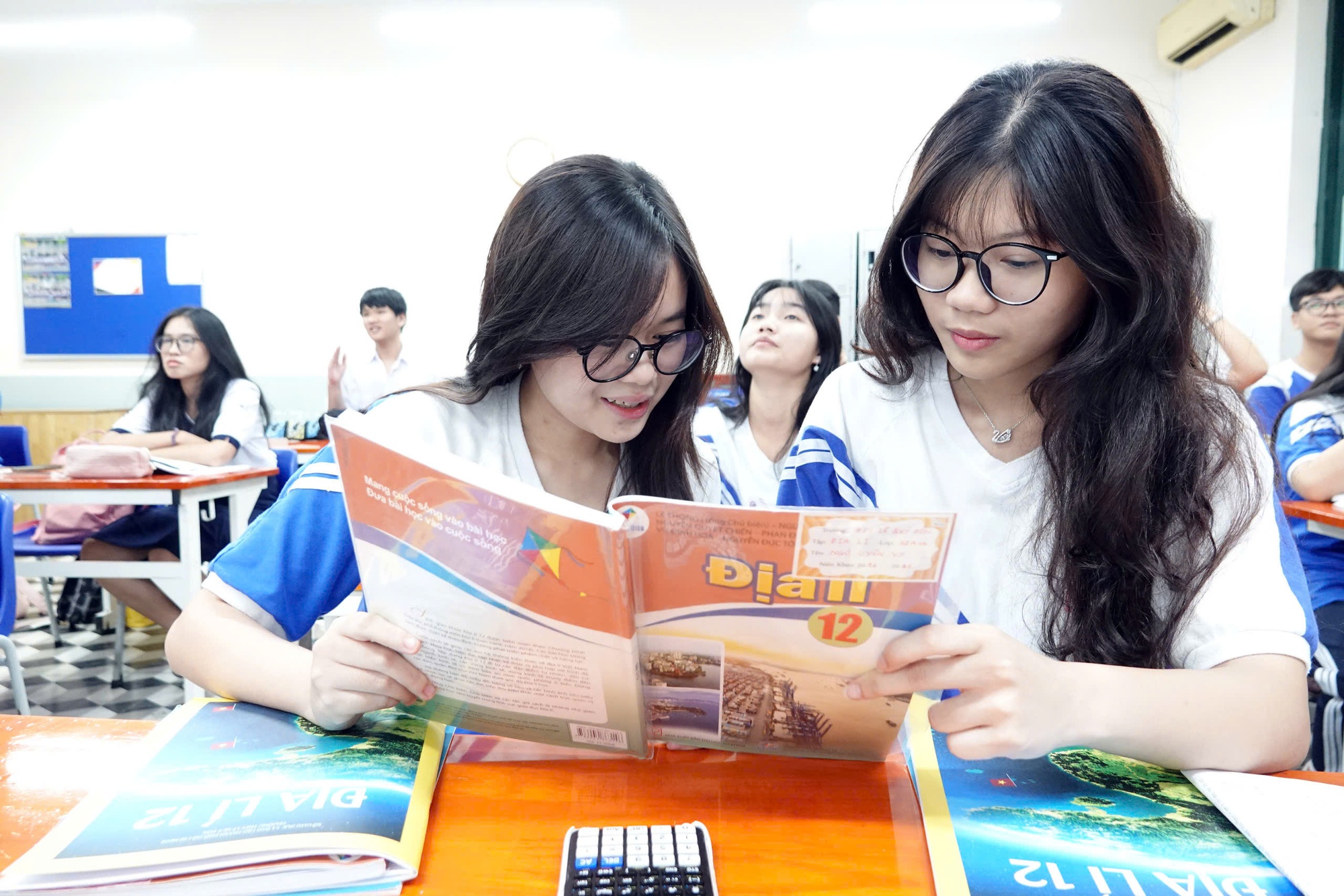
The selection of textbooks for students is now left to educational institutions after three revisions of the regulations.
PHOTO: DAO NGOC THACH
According to Circular No. 01 issued by the Ministry of Education and Training on January 30, 2020, the right to choose textbooks rests with general education institutions. On August 26, 2020, the Ministry of Education and Training issued Circular No. 25, replacing Circular 01 on textbook selection. The textbook selection council is established by the provincial People's Committee to assist the provincial People's Committee in organizing textbook selection, instead of delegating this responsibility to each school as in Circular 01. On December 28, 2023, the Ministry of Education and Training issued Circular No. 27 regulating textbook selection in general education institutions.
Speaking to Thanh Nien newspaper, the principal of a prestigious school in Hanoi expressed his frustration: “The choice of textbooks is naturally the responsibility of the teachers and students (the users of the books). Why do we have to issue one circular after another, going round and round in circles? The Ministry of Education and Training issues a list of textbooks to be used in general schools, and then the provincial People's Committee issues a list of textbooks to be used in local educational institutions. Perhaps only Vietnam does this! Not to mention, the state provides funding to the Ministry of Education and Training to evaluate and approve textbooks. The state then has to provide funding to the provincial People's Committee to select textbooks for local use (Article 9 of Circular 27).”
A leader from the Hanoi Department of Education and Training stated that the Hanoi People's Committee has long decided to select textbooks according to the principle that all textbooks approved by the Ministry of Education and Training are also approved by the People's Committee to best meet the needs and preferences of educational institutions. In principle, textbooks approved by the Minister of Education and Training must certainly meet all requirements for schools to choose from, so the locality cannot restrict this right of schools to make their selections.
At the recent conference summarizing five years of implementing the socialization of textbooks, some opinions from local authorities suggested adjusting the authority to approve the list of selected textbooks to the Director of the Department of Education and Training instead of the current authority given to the Chairman of the Provincial People's Committee. In reality, according to local authorities, the list of selected books is compiled by the Department of Education and Training from the opinions and suggestions of schools and teachers to advise the provincial leadership.
Representatives from the Ministry of Education and Training explained that this regulation is in accordance with the Education Law, but also promised to review and propose amendments to the law to adjust the authority to approve textbook lists and reduce intermediate steps.
THIRD ATTEMPT STILL HAS PROBLEMS
Commenting on the textbook selection process, the leaders of the Nam Dinh Department of Education and Training stated that Circular 27 has incorporated feedback regarding the limitations of previous textbook selection guidelines, creating favorable conditions for schools and teachers to directly choose textbooks. However, the implementation of the circular still has some issues that need clarification.
For example, the voting process for textbook selection in specialized subjects involves only 1-2 teachers per school, but the Ministry has not yet provided specific guidance. The circular also requires "subject-specific teams to develop plans for organizing textbook selection for each subject within the team," but at the primary school level, there are no subject-specific teams for each subject. If divided by grade level, there would only be one team, creating one plan for 12 subjects, or 12 plans for 12 subjects? Similarly, the regulation regarding subject-specific teams voting for a single textbook is unsuitable for primary schools where many educational institutions only have one teacher teaching specialized subjects. Furthermore, for some subjects, only one teacher per subject selects the textbook (e.g., music, art, technology, civics), making the selection process prone to subjectivity.
The Department of Education and Training of Nam Dinh province also noted that the time allocated for introducing textbooks for each subject by publishers during textbook introduction workshops (to support the textbook selection process) was insufficient. They requested that publishers increase the time allocated for introducing their textbooks to support research and selection of textbooks, as well as to train and enhance the capacity of administrators, teachers, and researchers in textbook evaluation.
The Ho Chi Minh City Department of Education and Training believes that the number of hard copies of textbooks sent to schools for teachers to refer to and study is limited, making it difficult for teachers to discuss and research the material.
Meanwhile, textbook publishers argue that the textbook selection process based on Circular 27 makes it difficult to supply books to meet the specific needs of each locality in small quantities (because each school chooses subjects from different textbook sets). Therefore, bookstores need store space that is three times larger than before to display all the textbook sets; sales staff also increase costs because they need employees to select books or guide parents in buying the right books for their children.
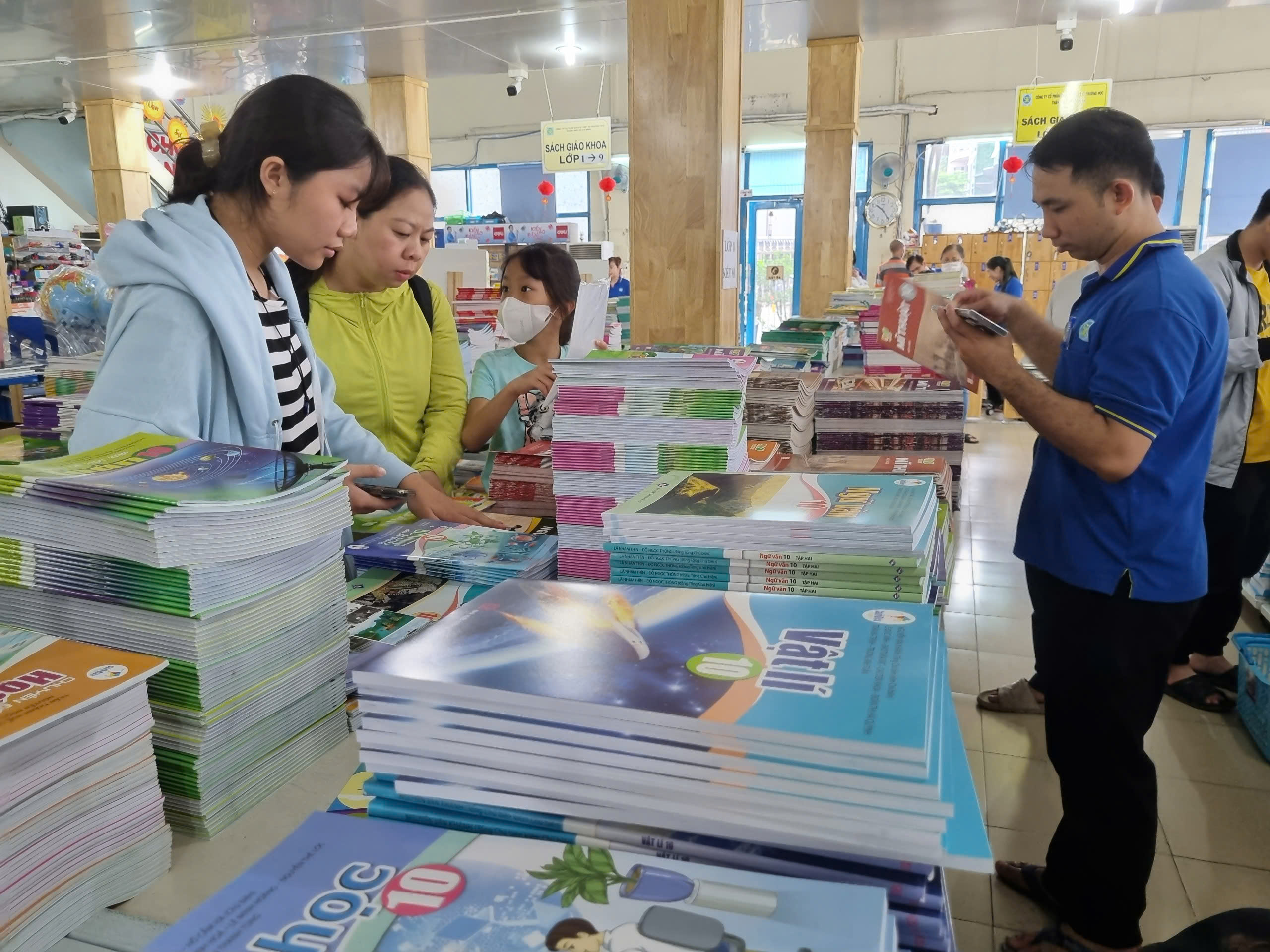
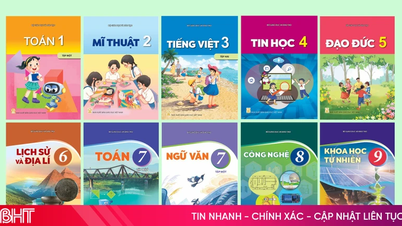
Nearly five years after the implementation of the textbook socialization program, many concerns remain regarding textbook prices, supply, and textbook selection.
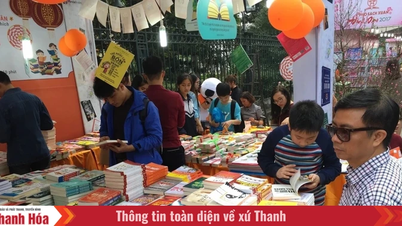
Photo: Jadeite
THERE ARE STILL SHORTCOMINGS IN THE SELECTION OF TEXTBOOKS.
The Ministry of Education and Training stated that it issues annual plans and directs inspections and audits, focusing primarily on textbook selection in localities. During the 2020-2024 period, the Ministry conducted inspections and audits of the implementation results and the deployment of tasks at the beginning of the school year for provincial Departments of Education and Training, including aspects related to the socialization of textbooks. The Ministry of Education and Training conducted 10 planned inspections, 36 planned audits, and 3 unscheduled inspections in 6 provinces and cities regarding the implementation of the 2018 General Education Program and textbook selection in those localities.
The inspection results showed that the Departments of Education and Training had advised the People's Committees of provinces and centrally-administered cities to issue documents within their authority, and localities organized the selection of textbooks according to the regulations of the circular. In addition, there were some shortcomings in the textbook selection process in the localities. The inspection team specifically recommended holding accountable the relevant agencies, units, and individuals involved in advising, directing, and organizing the implementation of the contents related to the socialization of textbooks. The Ministry of Education and Training stated: "Statistics on the results of textbook selection by localities at the subject councils matched the textbooks most frequently chosen by general education institutions."
In the coming period, the Ministry stated that it will strengthen inspection and supervision work and cover all aspects of textbook socialization. It will intensify strict handling of violations in textbook selection and the textbook selection process. It will direct the provincial Departments of Education and Training to plan and increase the duration of regular and unscheduled inspections on textbook selection.
What is the market share of textbooks published through socialized programs?
According to data compiled by the Ministry of Education and Training for the period 2021-2023, there are a total of 13 textbook publishers. The number of textbook titles for grades 1, 2, 3, 4, 6, 7, 8, 10, and 11 is 303. Besides Vietnam Education Publishing House, which publishes all 303 titles (100%), and VEPIC Company with 153 titles (50.1%), the remaining publishers have a small number of titles published (ranging from 0.65% to 8.9%).
The distribution figures for the period 2021-2023 show that the distribution rate (market share) of the Vietnam Education Publishing House has decreased from 100% before the implementation of socialization to 71.8%. According to the Ministry of Education and Training, this indicates that the policy of socializing the compilation and distribution of textbooks has created competition, contributing to the promotion of textbook compilation and distribution activities.

![[Photo] General Secretary and President To Lam presides over a meeting on preparations for the review of one year of operation of the three-tiered government system.](https://vphoto.vietnam.vn/thumb/1200x675/vietnam/resource/IMAGE/2026/06/02/1780391821195_a1-bnd-4595-9717-jpg.webp)




























































Comment (0)