


The goal of double-digit growth has forced state-owned enterprises to change their fundraising methods, with the stock market becoming a strategic pillar.
Expand resources
As Vietnam enters a new phase of development demanding high and sustainable growth, pressure on the state-owned enterprise sector is increasing. The socio -economic development strategy for the period 2026-2030 aims for average double-digit growth. This means that state-owned corporations and enterprises must expand their investments on an unprecedented scale in the fields of energy, infrastructure, technology, logistics, and digital transformation.
However, the biggest challenge lies in funding. If we continue to rely primarily on bank credit and government budget funds, achieving high growth targets will be very difficult. In this context, the stock market is being seen as a strategic channel for mobilizing capital for the economy.
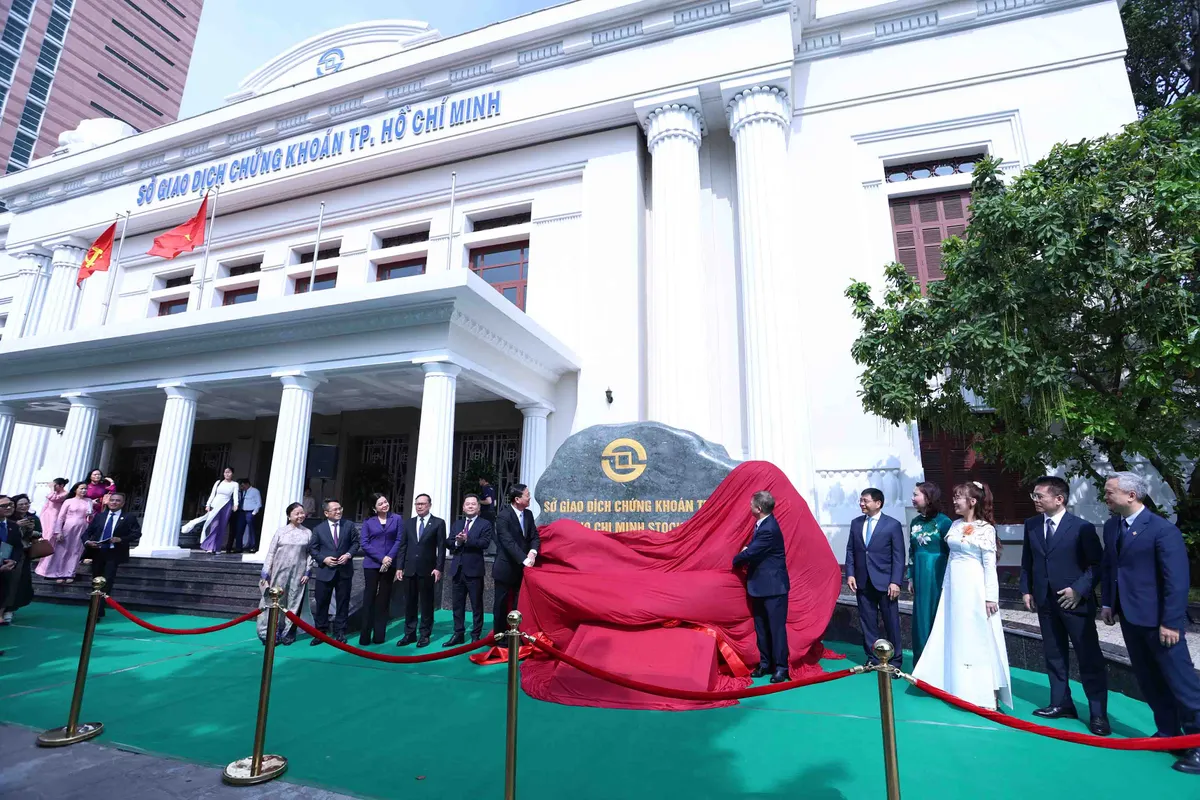
The stock market is increasingly seen as a strategic channel for raising capital for the economy.
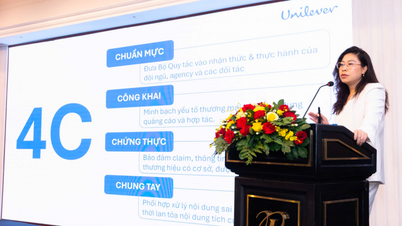
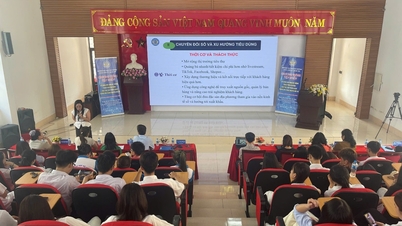
Speaking at a recent conference on listed and registered state-owned enterprises, Ms. Vu Thi Chan Phuong, Chairwoman of the State Securities Commission (SSC), stated that the development of the capital market and securities market has become one of the key tasks that the Party, the National Assembly , and the Government have paid special attention to and directed.
According to Ms. Phuong, Resolution 79-NQ/TW of the Politburo clearly defines the requirement to build state-owned enterprises that operate efficiently under market mechanisms, possess regional and international competitiveness, and implement modern, open, and transparent governance. In this context, promoting equitization and divestment, coupled with listing and trading registration on the stock market, is not only a legal requirement but also a strategic solution to improve governance quality, expand access to social capital, and increase enterprise value.
This message reflects a significant shift in management thinking. Previously, state-owned enterprises primarily developed and grew through credit and budgetary capital; now, market pressures are forcing them to "grow" through management capabilities and the ability to build trust with investors.
Mr. Vu Hong Phuong, Director of the State-Owned Enterprise Development Department, believes that achieving double-digit growth is a significant challenge for state-owned economic groups and corporations. According to Mr. Phuong, achieving this goal cannot rely solely on state capital but requires mobilizing various other resources, with raising capital through the stock market being a particularly important channel for privatized and listed companies.
In reality, many state-owned enterprises currently possess substantial assets, but their ability to raise capital through the market remains limited due to the low percentage of freely tradable shares. According to the Securities Law, at least 10% of voting shares must be held by at least 100 investors who are not major shareholders. However, most privatized state-owned enterprises currently do not meet this condition because the state ownership and the percentage of major shareholders remain too high. This results in low liquidity, limited ability to attract foreign capital, and enterprise values that do not fully reflect their actual potential.
The race for belief
A developed capital market not only needs a large supply of goods but also requires a quality of governance that is compelling enough to attract long-term investment. This is also why transparency is becoming a vital requirement for listed companies.
Ms. Vu Thi Chan Phuong emphasized that strict adherence to regulations on information disclosure, corporate governance, listing, and trading registration will significantly contribute to the upgrading of the Vietnamese stock market. In particular, FTSE Russell's upgrade of the Vietnamese stock market to the secondary emerging market group is seen as a major opportunity to attract large-scale international investment capital, especially from long-term and passive global investment funds.
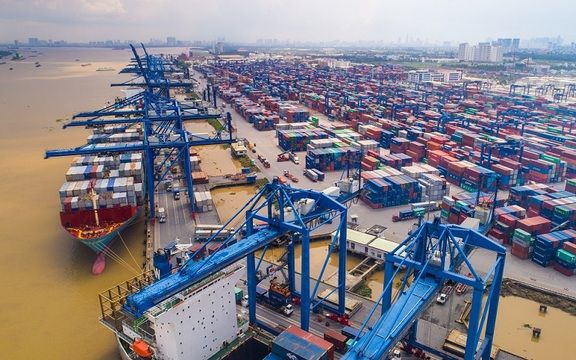
For many years, the state-owned enterprise sector has been seen as holding significant resources, but its market capitalization on the stock exchange has not been commensurate with its potential.
To attract this capital flow, state-owned enterprises must fundamentally change their management mindset. International investors are not only looking at asset size but are more interested in the quality of cash flow, the efficiency of capital utilization, and the level of transparency.
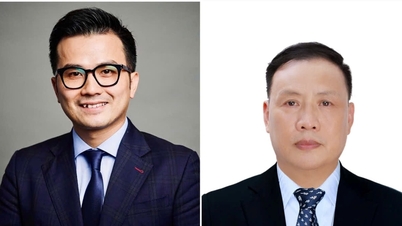
LS. Phan Hoài Nam, General Director of W&A Consulting & Law Firm, believes that accessing capital from foreign investment funds is becoming increasingly common, but it comes with very high requirements for information transparency and corporate governance. Businesses must clearly demonstrate the purpose of capital use, project progress, and financial indicators to effectively utilize foreign capital and avoid legal risks.
Sharing the same view, Lawyer Vu Anh Duong, Vice President of the Vietnam International Arbitration Center (VIAC), believes that to expand access to capital, the State needs to improve the system of corporate credit criteria, increase post-capital mobilization supervision, and build an independent risk assessment center to strengthen investor confidence. From a market perspective, this is a stage where state-owned enterprises can no longer remain outside the competitive pressure regarding transparency and efficient use of capital. For many years, the state-owned enterprise sector has been considered to hold significant resources, but its market capitalization on the stock exchange has not been commensurate.
To achieve double-digit growth, the challenge is not just increasing capital, but also using that capital more efficiently. This requires a more substantive privatization process, reducing excessively concentrated ownership, increasing the amount of freely tradable shares, and creating conditions for strategic investors to participate more deeply in corporate governance. Only then will the stock market truly become a "midwife" channeling capital into the economy, instead of just a place for short-term stock trading.
Source: https://vtv.vn/can-thay-doi-cach-huy-dong-von-de-dat-muc-tieu-tang-truong-100260520104536974.htm
![[Image] Hanoi's urban life under the challenge of a "scorching hot" environment](https://vphoto.vietnam.vn/thumb/1200x675/vietnam/resource/IMAGE/2026/05/25/1779706979265_nang-nong-t5-2026-minh-duy-7-4636-jpg.webp)



![[Image] Close-up view of the interchange connecting the two expressways and Long Thanh Airport.](https://vphoto.vietnam.vn/thumb/1200x675/vietnam/resource/IMAGE/2026/05/25/1779703378210_ndo_br_z7863716673926-224453a31600126cce10622af6290afd-4549-jpg.webp)

























































































Comment (0)