

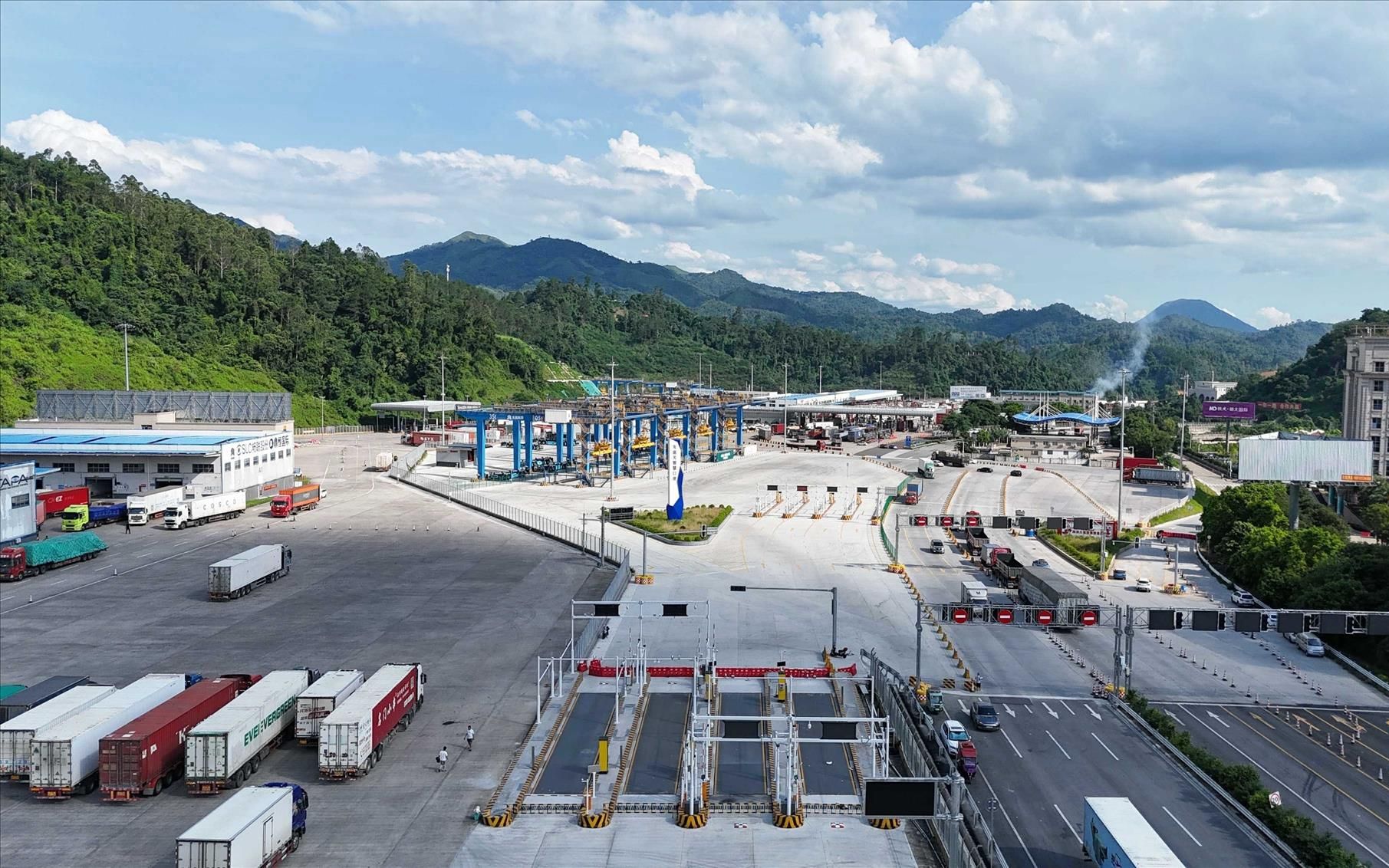
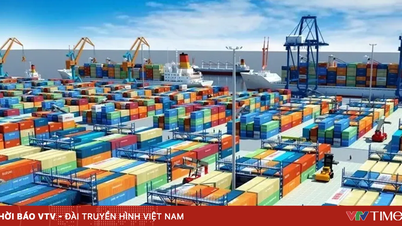
Infrastructure is under pressure from increasing trade demands.
According to the latest statistics from the Ministry of Finance , cross-border trade between Vietnam and China in the first four months of 2026 witnessed remarkable growth, with total import and export turnover reaching over US$93.3 billion. This figure accounts for approximately 27% of the country's total trade turnover, once again affirming China's position as Vietnam's largest trading partner. While this strong surge in goods flow brings significant revenue, it also presents challenging tests for the infrastructure of land border crossings.
Information from the Customs Department (Ministry of Finance) indicates that in key areas such as Lang Son and Quang Ninh, the pressure to regulate traffic and clear goods is always at a critical level. Especially during peak agricultural harvest seasons, thousands of container trucks from across the provinces and cities converge on the border areas, creating major bottlenecks and posing a serious risk of congestion. This situation necessitates an early shift to a fully automated model.
Recognizing this context, Mr. Au Anh Tuan, Deputy Director of the Customs Department, affirmed that drafting a Circular stipulating the procedures, inspection, supervision, and customs control for goods exported and imported through the Vietnam-China smart border gate area is an urgent requirement. This is a fundamental solution to achieve the goal of digital transformation and modernization of the Customs sector in the new phase.

The pilot implementation of the smart border gate model in several border localities in recent times has shown that without a unified regulation on operational procedures, management methods, data sharing, and coordination mechanisms among functional forces, it will be very difficult to achieve overall effectiveness. Therefore, the issuance of the new circular will serve as a standardized framework, providing a foundation for the synchronized operation of the system along the entire border.
Establish a comprehensive digitalization process at the border.
According to the draft currently under review, the new Circular will establish a detailed legal framework specifying the procedures for electronic customs clearance, and the methods for inspecting and monitoring goods and transport vehicles. The core of this document is the creation of a mechanism for automatic, real-time data exchange between the management agencies of the two countries, while clearly defining the responsibilities of businesses operating smart border gate infrastructure and related entities.
The groundbreaking highlight of the smart border gate model is the application of comprehensive digital customs surveillance. This system is based on an integrated high-tech platform including a network of multi-point smart surveillance cameras, electronic positioning seals (smart sealing devices with integrated GPS positioning to prevent unauthorized inspection) attached to each container, digitized shipping data, and a centralized management platform. This combination allows customs authorities to monitor and control the entire flow of goods from the moment they enter the border area until customs clearance is completed without disrupting the flow of goods.

The number of vehicles carrying goods to the Huu Nghi international border gate area has increased sharply.
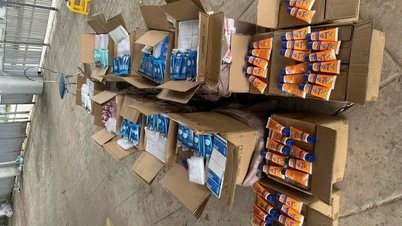
The Customs Department highly appreciates the standardization of management processes on a digital platform, as it will contribute to significantly shortening customs clearance time for each vehicle. Minimizing direct contact between businesses and customs officials will help reduce congestion at border gates during peak seasons, enhance transparency, and prevent harassment. Simultaneously, the intelligent data analysis system will provide strong support for combating smuggling and trade fraud through an automated warning and remote risk control mechanism.
The issuance of this circular is a concrete step in implementing the Government 's policy on promoting national digital transformation, developing smart border gates, and building digital and smart customs in accordance with the Customs Development Strategy to 2030. Once this legal framework is put into practice, it will definitively resolve the fragmented and spontaneous application of technology in border localities today.
A common legal framework is needed.
Based on observations in border localities, the need for a unified guiding circular is more urgent than ever. In Lang Son, a smart border gate model is being piloted in the Huu Nghi - Huu Nghi Quan area, aiming to digitize the process of regulating vehicles, managing goods flows, and automating customs supervision. Meanwhile, Quang Ninh province is also accelerating the development of a digital border gate model in Mong Cai to increase customs clearance capacity and connect cross-border logistics infrastructure.
Mr. Nguyen Van Truong, Deputy Head of the Management Board of the Dong Dang - Lang Son Border Economic Zone, shared with the press that the initial application of digital technology has yielded very clear results. The processing time for each vehicle has been significantly shortened, localized congestion at the border gate entrances has been greatly reduced, and transparency in import and export operations has been enhanced. However, Mr. Truong also frankly pointed out that the implementation process still faces many obstacles due to the lack of unified legal regulations for the smart border gate model.
Many current business processes are still built on traditional management methods, leading to inconsistencies when applied to modern technological devices. A smart border gate model requires a centralized data sharing mechanism, real-time connectivity, and clearly defined responsibilities for coordination between customs, border guards, quarantine, and warehousing businesses. Without clear regulations, the coordination mechanism for inspecting and monitoring goods will easily become overlapping or lead to shirking of responsibility when technical problems occur.
It is evident that the lack of a synchronized legal framework has caused significant difficulties for localities in attracting and implementing digital infrastructure investment. Data connectivity between domestic entities, as well as with neighboring countries, is hampered by the absence of common standards. With unified regulations from the central government, implementation in border provinces would be much smoother, optimizing coordination between state management agencies and the business community.
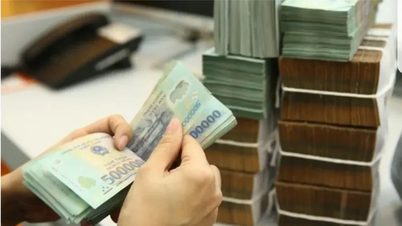
From the perspective of those directly affected, the import-export business community and logistics service providers have expressed great agreement and high expectations for this draft Circular. For businesses, waiting time at border gates is a measure of costs. A one-day delay in customs clearance not only increases warehousing, storage, and vehicle operating costs but also reduces the quality, or even causes damage, to fresh agricultural products, damaging reputation with foreign partners.
Businesses expect that the smart border gate model, under the auspices of a transparent legal framework, will help eliminate hidden costs arising from cumbersome procedures. If declaration data is synchronously connected between the business's system and the management agency's system, regulating traffic flow and monitoring goods will be automated and much faster than submitting paper documents and manual inspection.
According to economic experts, in the context of a strong shift in the structure of import and export goods between the two countries towards product groups with strict time requirements such as electronic components, fast-moving consumer goods, and especially the explosion of cross-border e-commerce, customs clearance speed is a key factor in competitiveness. The requirement is to build a modern management model, fully automating all intermediate stages and connecting data in real time. This is a leverage to promote the development of border trade towards a modern, transparent, and sustainable direction, creating a significant advantage for Vietnamese goods to penetrate international markets.
Source: https://vtv.vn/xay-dung-hanh-lang-phap-ly-cho-cua-khau-thong-minh-100260522220906385.htm




![[Photo] General Secretary and President To Lam presides over the meeting to approve the draft report on the results of the second inspection by the Politburo of the Standing Committee of the Hanoi City Party Committee.](https://vphoto.vietnam.vn/thumb/1200x675/vietnam/resource/IMAGE/2026/05/26/1779789811432_a2-bnd-4430-9620-jpg.webp)













































































Comment (0)