

 |
According to the CEO, in the future, manual labor and repetitive tasks could be entirely taken over by robots. Photo: Weibo . |
At the 2026 National People's Congress and the Chinese People's Political Consultative Conference, Lei Jun, the head of Xiaomi, made a noteworthy statement about the future of the labor market. He argued that with the rapid advancement of technology, people will no longer need to work as intensely as they do today.
Specifically, the billionaire predicts that in the not-too-distant future, each person may only need to work 3 days a week. During those days, the actual working time would only be about 2 hours per day. This prediction is based on the explosion of Artificial Intelligence (AI) and next-generation automation systems.
"In the future, each person will probably only need to work 3 days a week, 2 hours a day," Lei Jun asserted.
This assessment comes ahead of the upcoming AWE 2026 exhibition in Shanghai, where major technology companies like Huawei, Xiaomi, and Haier are preparing to showcase their latest advancements. AI-integrated smart ecosystems are gradually replacing humans in many production and service processes.
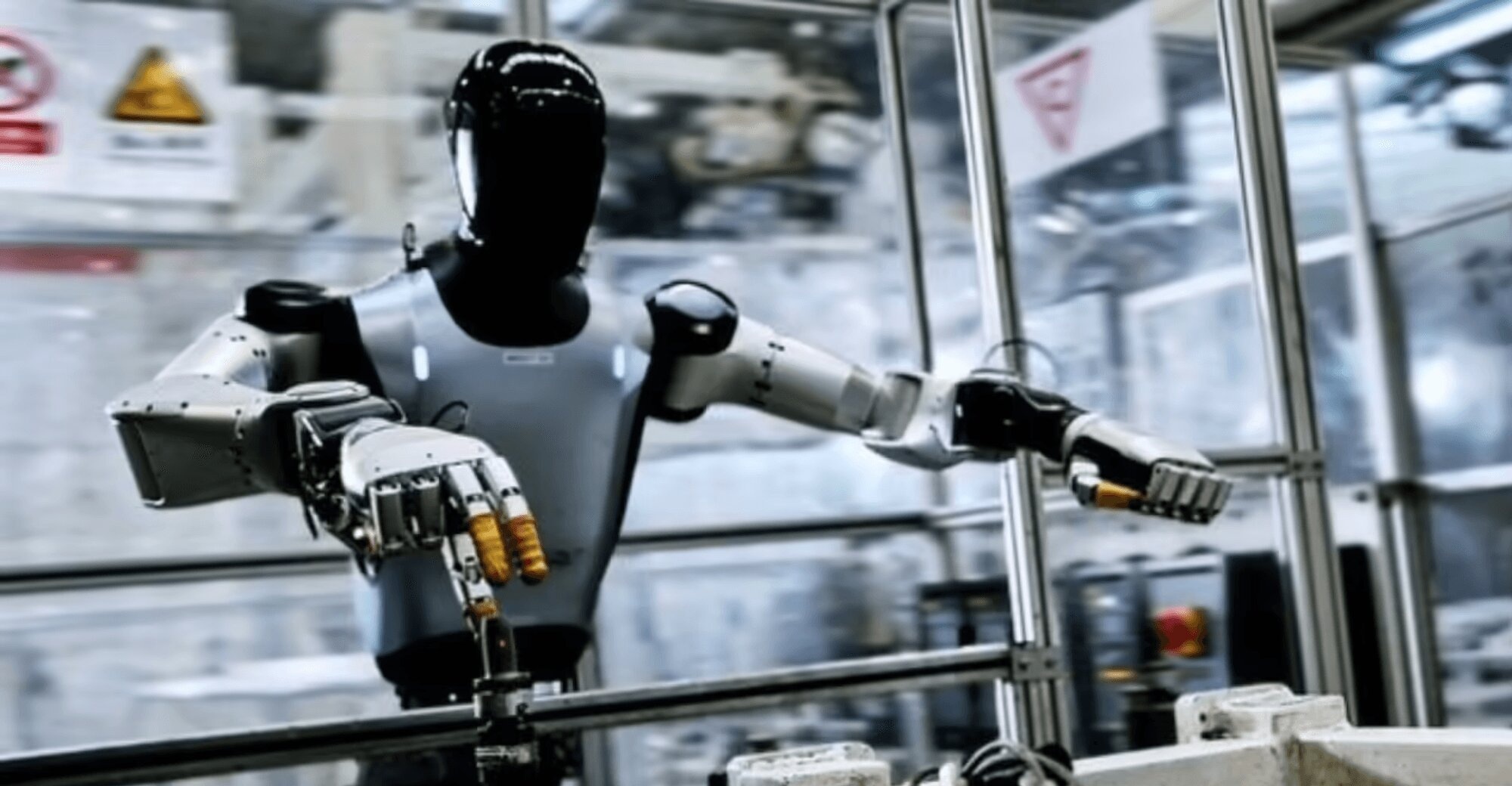 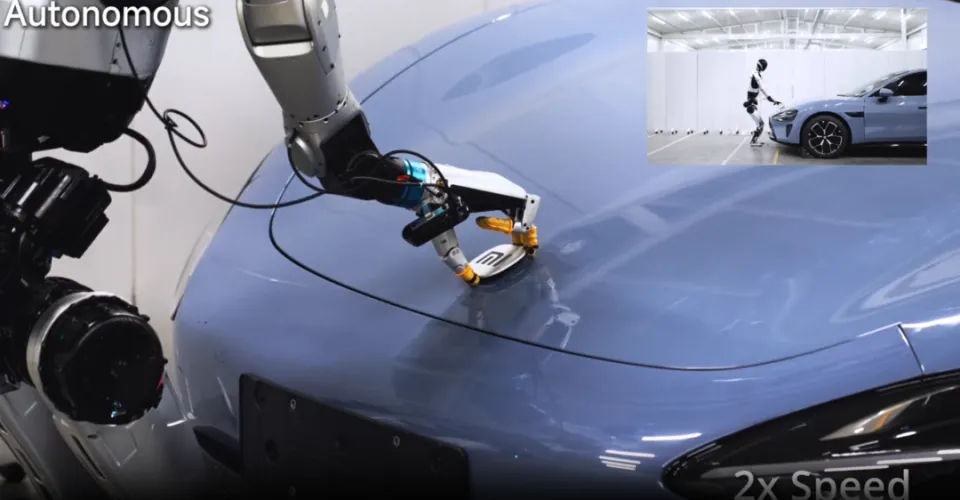 |
Xiaomi recently introduced humanoid robots to work in its automobile manufacturing plant and plans to commercialize them soon. Photo: Xiaomi. |
However, this vision is not only generating excitement. On the contrary, it is creating a wave of concern within the workforce. Many are questioning the practicality of reducing working hours while maintaining income.
The biggest concern right now is the risk of being phased out. As machines can handle complex tasks at a lower cost, the demand for traditional human labor will decrease significantly. This will force workers to face the pressure of retraining their skills immediately.
Next is the income issue. The biggest question workers are asking is whether income will be directly proportional to working hours when AI takes over. In reality, the concept of "reduced working hours" is still accompanied by anxiety about maintaining a stable standard of living.
Furthermore, disparities in access to technology also present a significant challenge. Those unable to adapt to AI risk being left behind in this industrial revolution. The gap between rich and poor is likely to widen further if the benefits of increased productivity are concentrated solely on technology owners.
However, economists argue that this is an inevitable trend of history. In the past, each time an industrial revolution occurred, people's working hours tended to decrease. The difference this time is that the pace of change is happening much more rapidly.
The challenge for governments is to implement appropriate social welfare policies. Redistributing the surplus value from AI will be key to realizing the vision of less work. Without careful preparation, the prediction of a leisurely life could turn into a large-scale job crisis.
Source: https://znews.vn/ceo-xiaomi-tuong-lai-chi-can-lam-3-ngay-mot-tuan-post1633380.html



![[Image] Pleasant weather helps students enter the 10th grade entrance exam with confidence.](https://vphoto.vietnam.vn/thumb/1200x675/vietnam/resource/IMAGE/2026/05/29/1780034401612_ngay-1-thi-lop-10-minh-duy-8-5009-jpg.webp)

![[Photo] Ba Lang An Lighthouse - the "eye of the sea" amidst the "rock museum" of Quang Ngai province.](https://vphoto.vietnam.vn/thumb/1200x675/vietnam/resource/IMAGE/2026/05/29/1780038698840_anh-man-hinh-2026-05-29-luc-14-10-42.png)























































































Comment (0)