

According to the Vietnam Trade Office in Argentina, shipping activities from Asia to South America are experiencing the most significant fluctuations since the COVID-19 pandemic, putting considerable pressure on Vietnamese export businesses.
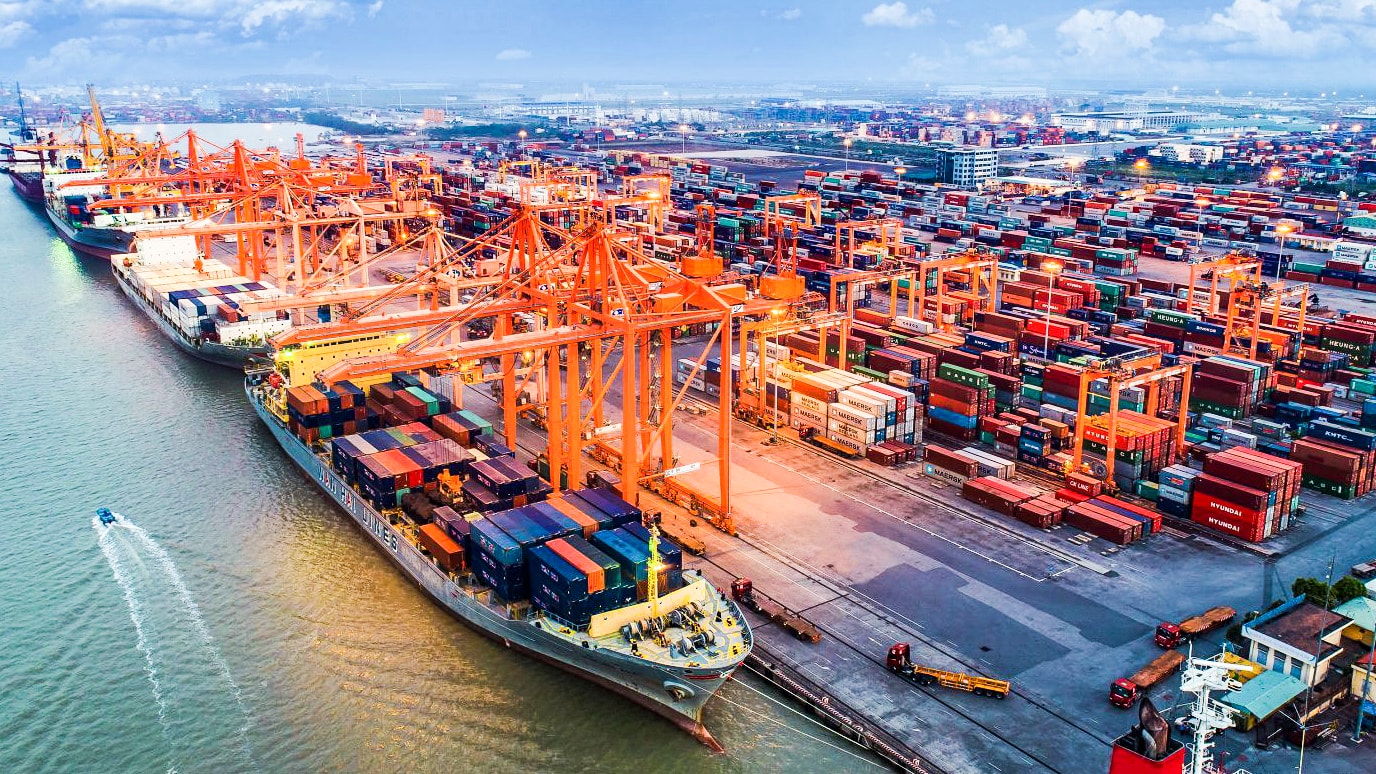
Photo: Ministry of Industry and Trade
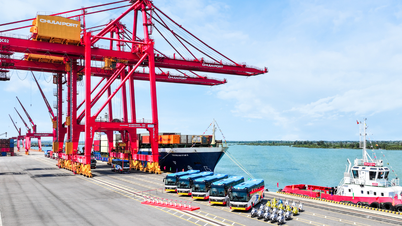
From late 2025 to the present, the security situation in the Red Sea and the Bab el-Mandeb Strait has remained complex, leading many major shipping companies to maintain policies of restricting or suspending operations through the Suez Canal. Instead, major shipping alliances such as Maersk, MSC, CMA CGM, and Hapag-Lloyd have redirected ships around the Cape of Good Hope at the southern tip of Africa, extending shipping routes by thousands of nautical miles.
Changes in shipping routes have increased delivery times from Vietnam to Argentina by 10-18 days, depending on the route and transshipment schedule. Simultaneously, container turnover and fleet turnover have been extended, leading to a shortage of empty containers at many ports in Asia.
According to feedback from logistics companies, at many points in early 2026, booking container space to South America was difficult due to a shortage of slots and extended shipping schedules. Many shipping lines prioritized capacity on routes with higher operational efficiency, while long-haul routes to South America continued to face significant pressure on shipping capacity.
The Vietnam Trade Office in Argentina reports that total logistics costs on many shipping routes from Vietnam to South America have increased by approximately 50-80% compared to the period before the Red Sea crisis. Some 40-foot container routes have seen increases of thousands of USD per container.
This development is directly impacting Vietnam's key export sectors such as textiles, footwear, wood products, consumer electronics, and industrial raw materials – sectors that have low profit margins and are heavily dependent on international shipping costs.
For shipping routes from Asia to South America, the increase in transportation costs is considered significantly higher compared to many other trade routes due to the long distances and extended transit times.
When freight rates rise sharply, the CIF price of Vietnamese goods at Argentine ports is also pushed up significantly, reducing their competitive advantage compared to closer suppliers in Latin America or North America. Given Argentina's challenging economic situation, many importers tend to prioritize sources with stable logistics costs and shorter delivery times to reduce financial pressure and the risk of delayed deliveries.
This is one of the reasons why Vietnam's exports of many product groups to Argentina decreased sharply in the first quarter of 2016.
Source: https://hanoimoi.vn/chi-phi-logistics-gay-suc-ep-len-xuat-khau-sang-nam-my-972129.html
![[Image] Pleasant weather helps students enter the 10th grade entrance exam with confidence.](https://vphoto.vietnam.vn/thumb/1200x675/vietnam/resource/IMAGE/2026/05/29/1780034401612_ngay-1-thi-lop-10-minh-duy-8-5009-jpg.webp)
![[Photo] Ba Lang An Lighthouse - the "eye of the sea" amidst the "rock museum" of Quang Ngai province.](https://vphoto.vietnam.vn/thumb/1200x675/vietnam/resource/IMAGE/2026/05/29/1780038698840_anh-man-hinh-2026-05-29-luc-14-10-42.png)





















































































Comment (0)