


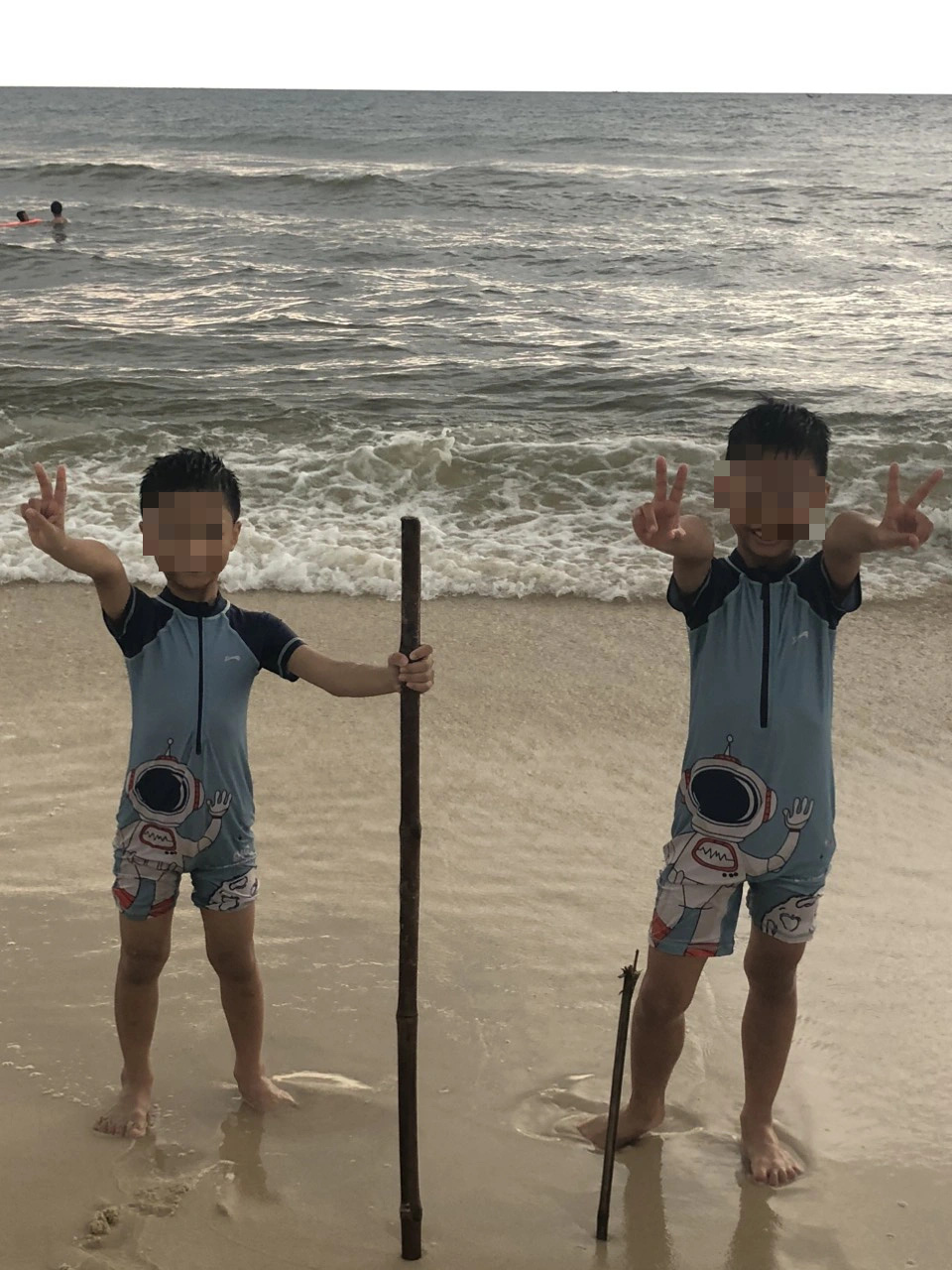
Children traveling to the beach during the summer - Photo: SONG KHUE
Following several tragic drowning incidents that occurred just as children were beginning their summer vacation, many parents are concerned about their children's safety and are hesitant to register them for summer excursions and trips.
Besides drowning, many other dangerous situations can occur if families are not well-prepared and children are not equipped with appropriate life skills to protect themselves when going out or traveling.
Set your own safe limits.
The trend of skill-building and experiential travel is increasingly attracting parents and young children. Many summer experiential travel programs focus on young children, as they have a long summer break while their parents remain busy with work.
Many families expect their children to experience many fun activities and, through the trip, to develop better skills, thinking abilities, and awareness.
However, alongside the diverse experiences offered by nature, people, and culture, there are still potential dangers to children and participants if precautions are not taken and thorough preparation is lacking.
Common risks/dangers that children may encounter during travel include:
First, bad people/strangers: Many children lack social skills or are overly friendly and don't know how to set safe boundaries, making them vulnerable to being lured or attacked by bad people/strangers.
In many cases, children separate from their groups and follow strangers because they are given gifts and promised to be taken to amusement parks. From there, children may be kidnapped, subjected to violence, or abused.
Secondly, natural elements: Ponds, lakes, rivers, streams, mountains, forests, seas, natural disasters, storms, etc., can all be considered factors that easily create danger if children lack observation and response skills, especially if they do not comply with the organizers' regulations.
Thirdly, other factors such as insect bites, dog and cat attacks, fires, boiling water, electric shocks, etc., can also significantly affect children's health and psychology, especially when families and organizations lack preparedness and response skills.
How can I monitor my child from a distance?
Most importantly, parents must give their children the right to choose their trip.
Parents should ask their children about their willingness to participate, analyze and convince them of the usefulness and safety of the trip, allowing them to choose whether or not to go. A relaxed mindset and a healthy body ready for the experience are essential for a fun and safe trip.
Before the trip, make a list with your child of necessary preparations to ensure you don't forget any luggage and equip them with essential knowledge and skills such as packing enough clothes, a flashlight, a hat, an umbrella, a jacket, sunscreen, and mosquito repellent.
Parents must repeatedly remind children of safety rules when getting in and out of vehicles, playing in water, forests, near fires, places with insects, in the sun, in the rain, etc., so that children remember them by heart and can handle dangerous situations promptly if they occur.
How to identify a safe environment, how to call for help, and the importance of following trip rules.
In particular, prepare a mobile phone/smartwatch for your child so you can stay in contact with them and they can call you or their guardian when needed.
While your child is on the trip, remember to call them at regular times. Avoid scaring them; instead, use positive language, remind them to do the right thing, behave well, and follow the trip's rules.
Partly it makes the child feel secure, and partly it allows parents to monitor their child remotely. This is very important, especially when children don't have family members nearby, are unfamiliar with friends or mentors, are shy, and often remain silent and suffer alone when problems arise.
Please contact the instructor/organizer through various messaging methods, requesting photos and locations where your children are currently located or participating in activities, to ensure they are still following the program and are doing alright.
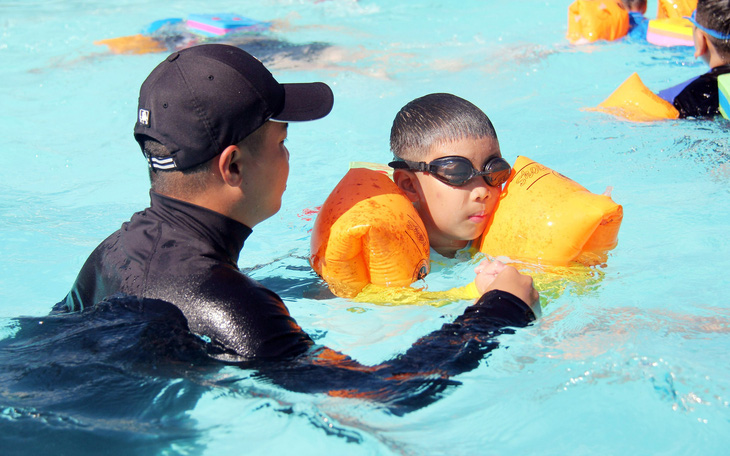 Summer camp is fun, and you'll gain valuable skills.
Source: https://tuoitre.vn/day-con-nhung-gi-khi-du-lich-he-20240610152612188.htm

![[Image] Lunar New Year 2026 is celebrated with great fanfare around the world.](https://vphoto.vietnam.vn/thumb/1200x675/vietnam/resource/IMAGE/2026/02/17/1771339826059_155b0e14cbf624b0045-2993-jpg.webp)














![[Video] Lunar New Year tourism creates momentum for growth](https://vphoto.vietnam.vn/thumb/402x226/vietnam/resource/IMAGE/2026/02/17/1771333531602_dung00-15-32-07still004-png.webp)






































































Comment (0)