

However, growth and welfare prospects will largely depend on national governance capacity within a new global economic order, on how to respond to financial challenges such as tariffs, monetary policy, cryptocurrencies, and especially the rise of artificial intelligence in the context of profound transformation and increasing complexity.
Vietnam enters the spring of the Year of the Horse 2026 with a rather positive outlook. Its GDP and import-export turnover are continuously increasing, placing it among the top 20 countries in the world and maintaining a high trade surplus. Furthermore, the 14th National Congress of the Communist Party of Vietnam has defined the motto "Development for stability, stability to promote development, and continuously improve the people's living standards," aiming to become a developed country with a modern industrial sector by 2030.
However, given the characteristics of a developing country with limited land, a large population, and a strategic location bordering the East Sea, many believe that Vietnam needs to focus on three key areas to accelerate the reform process in the coming period.
Firstly , planning and vision must be linked to resource allocation. Comprehensive socio-economic and environmental planning needs to play a fundamental role, linking and effectively mobilizing resources, ensuring fairness and transparency, especially in the context of streamlined administrative boundaries and decentralized management. Macroeconomic indicators and key growth targets must become guiding principles for action, creating breakthroughs, promoting innovation, and national development. Based on this, national planning should be based on a balanced governance model encompassing five fundamental resources: natural, financial, human, social, and product, aiming for long-term prosperity.
Secondly , sustainable resource management is essential. Effective governance is a prerequisite for ensuring equitable access, responsible management, and long-term benefits, allowing all capital resources to thrive and generate lasting wealth, not just short-term gains. Important tasks, projects, and works, as well as plans and strategies in development planning, must be integrated with a sustainable governance framework to ensure the synchronized utilization of the five national resources.
First and foremost is financial resources. Essentially, financial capital management is about determining the value (price) of resources to analyze the actual national resources in order to generate cash flow, highly liquid capital, and to allocate and disburse funds openly, transparently, and comprehensively to promote economic activity and growth.
In the context of Vietnam, the State Bank of Vietnam needs a sound interest rate policy, and state-owned enterprises must play a leading role in guiding socio-economic development. They need to be more proactive in supporting the entire private sector to reduce production costs, improve the quality and efficiency of essential products and services, thereby contributing to macroeconomic stability. Furthermore, due to the unique characteristic of land being owned by the entire population, a realistic valuation method and appropriate tax policy are needed so that people can access this resource equally and narrow the gap between rich and poor...
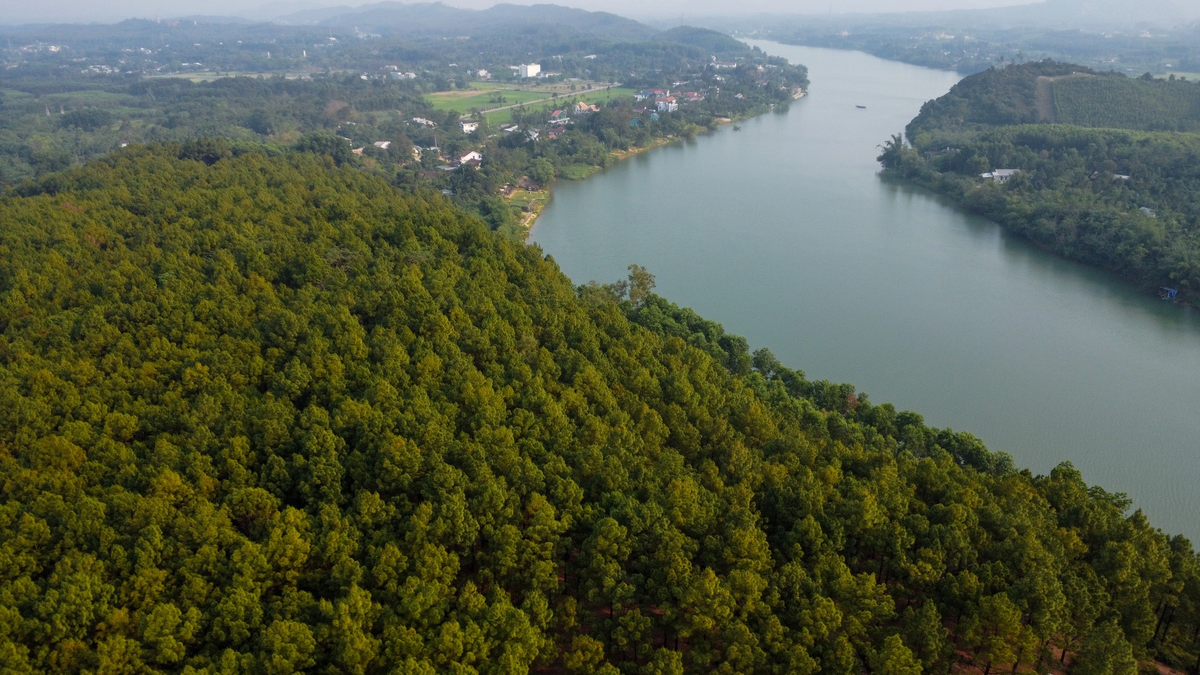
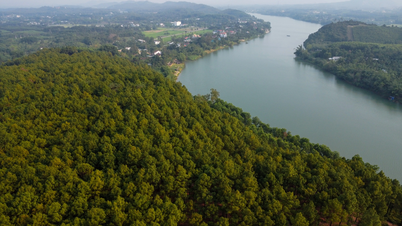
Next is resource management. Basic resources such as land, minerals, trees, forests, rivers, lakes, seas, and space (including underground space) need to be identified and assessed publicly and transparently on a regular basis to ensure they are exploited and used fairly and rationally, accumulated, and not depleted according to the circular economy model.
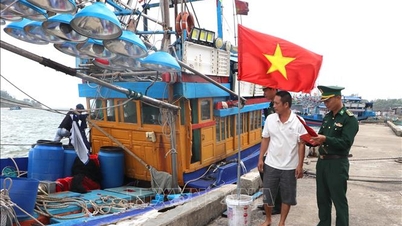
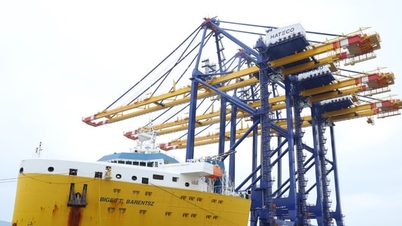
Vietnam, with the advantage of having 21 out of 34 provinces and cities bordering the sea, needs to strongly develop a strategy oriented towards the East Sea to develop the marine economy and protect national security and defense. However, natural disasters in our country, along with complex coastal climate change occurring annually, seriously affect resource resources. Therefore, in addition to "hard" (physical) products, it is necessary to focus on deploying "soft" products for risk management by controlling how people and assets interact with areas vulnerable to natural disasters...
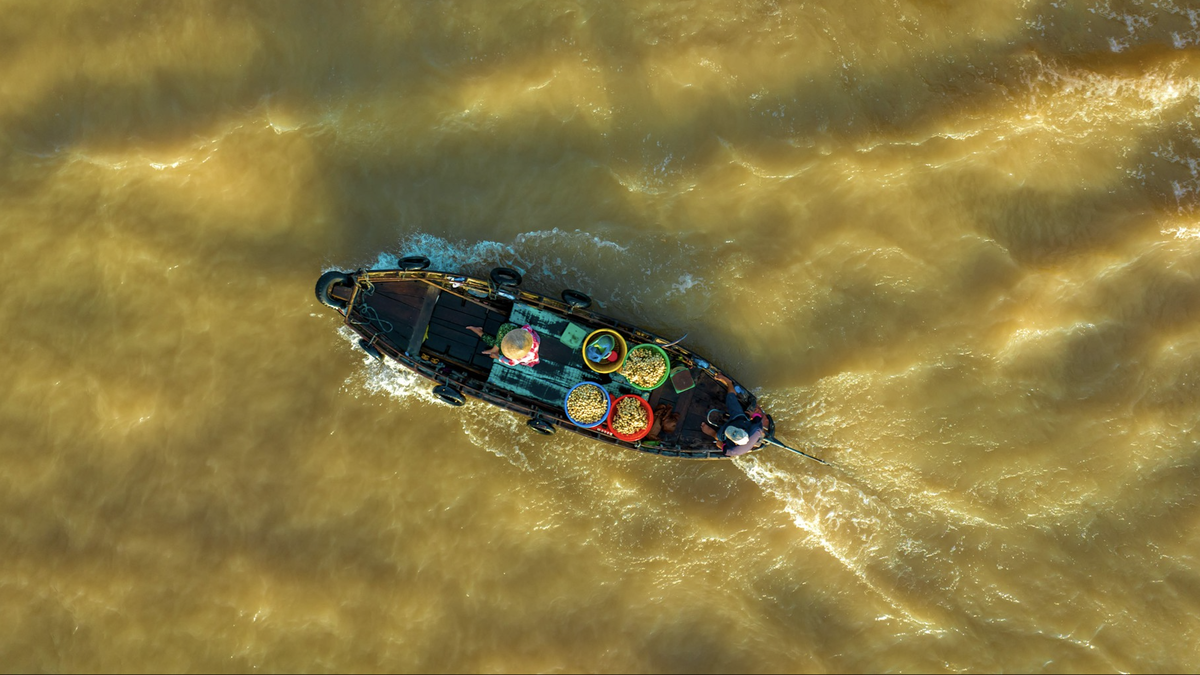
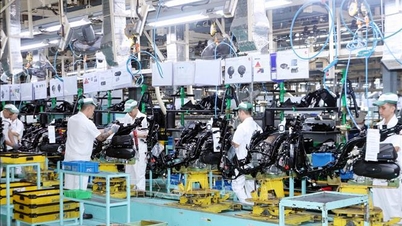
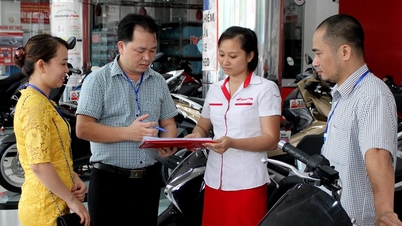
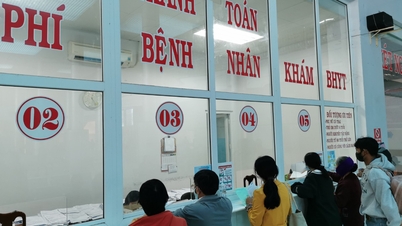
The third resource is human resources. Vietnam, as a densely populated developing country, focuses on the dual goals of GDP growth and employment. Concentrating on growth to create more jobs and ensure good working conditions (wages, environment, housing, transportation, healthcare, social insurance, etc.) and comprehensive policies will benefit the large workforce, promote gender equality, foster social stability, reduce poverty, and promote sustainable development, creating a positive cycle of productivity and happiness. Furthermore, in the digital age, we are also facing a shortage of high-quality human resources. Therefore, proactive policies are needed to train and develop human resources in areas of digital knowledge and technological skills.
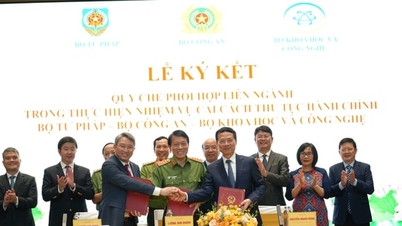
Another resource is social resources. Legislative bodies need to proactively lead by reforming laws and policies that mobilize civil society forces to promote national unity and development, instead of passively reacting to social realities. This includes not only promoting the building of a rule of law state with a two-tiered local government system but also creating a framework for new areas such as e-government, digital technology, and green energy, removing obstacles and vested interests, and ensuring that laws are forward-looking, transparent, and fair to the people and the economy, making institutional strength a core and breakthrough driver for growth.
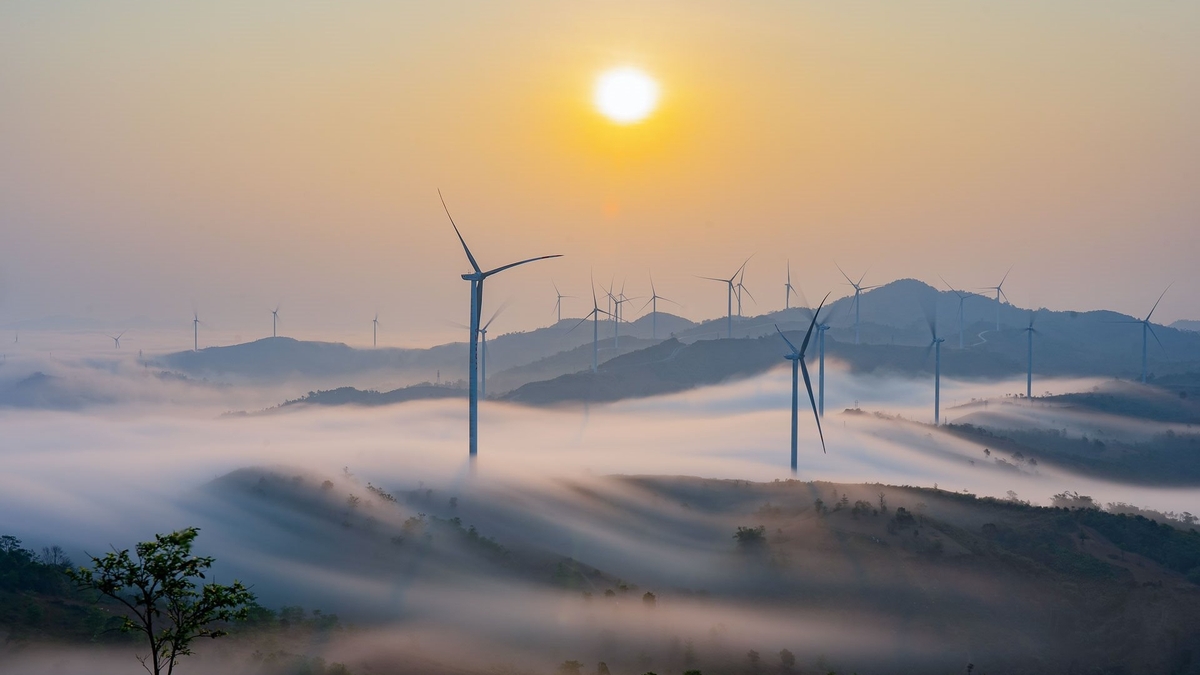
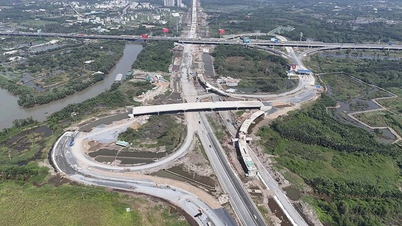
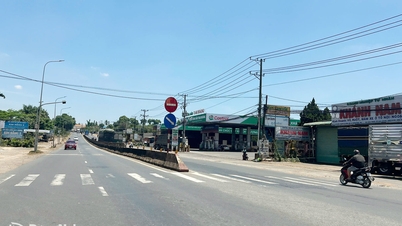
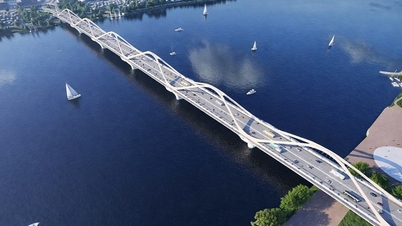
Finally, there is the issue of product resources. At the national level, priority should be given to the agricultural sector to ensure food security by developing technological infrastructure for smart, green, and sustainable agriculture, and digital transformation. Furthermore, alongside traditional energy sources, it is necessary to promote the green energy transition and reduce emissions (renewable energy, nuclear). In addition, attention should be paid to developing transportation and logistics systems including railways, highways, waterways, and air transport to connect local and international transportation.
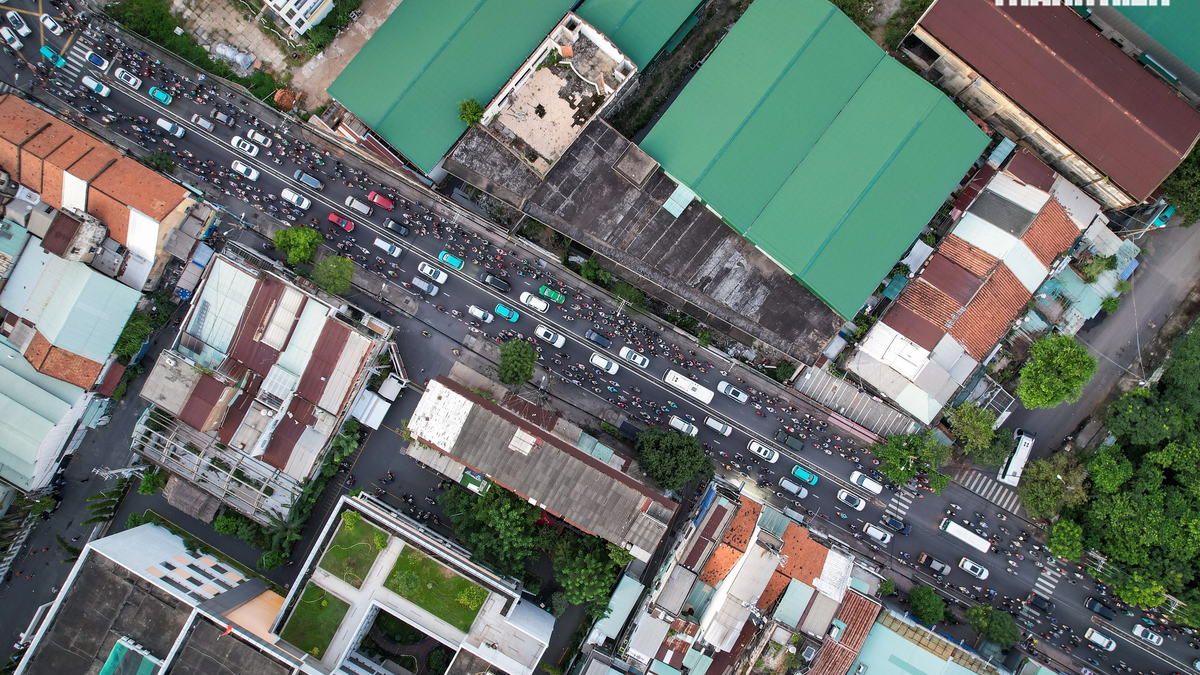
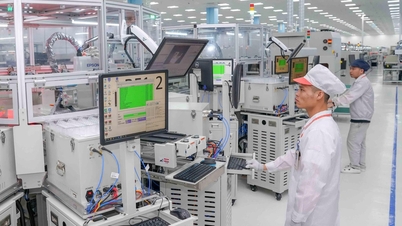
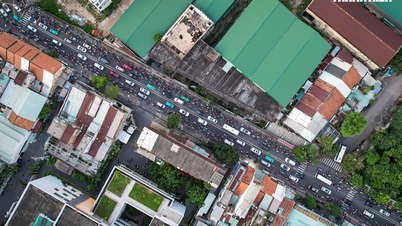
Leading economic hubs like Hanoi and Ho Chi Minh City need to accelerate the development of public transportation infrastructure, water supply and drainage systems, and environmental treatment to improve the quality of urban life. Simultaneously, they need to modernize key industries and invest in infrastructure for the digital industry, such as high-speed internet, IoT, data and cloud platforms, AI, and cybersecurity. This process must be linked to a dual-use industrial development strategy, ensuring national security and defense requirements are met.
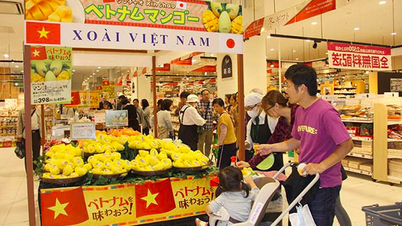
Thirdly , in the context of an open and deeply integrated economy, leadership qualities linked to diplomacy and international relations are becoming increasingly important. Leaders need to implement effective diplomacy, knowing how to leverage both partners and competitors: competitors create pressure to drive innovation and improve efficiency; partners bring resources, markets, technology, and supply chain cooperation to expand growth opportunities. Based on this, it is necessary to build strong relationships with countries, especially ASEAN, Northeast Asia, and comprehensive strategic partners, while actively participating in international organizations to protect economic interests, national security, attract investment, access technology, and promote sustainable trade. Simultaneously, enhancing international negotiation capabilities is an urgent requirement in light of the fluctuations in tariff policies and global supply chains.
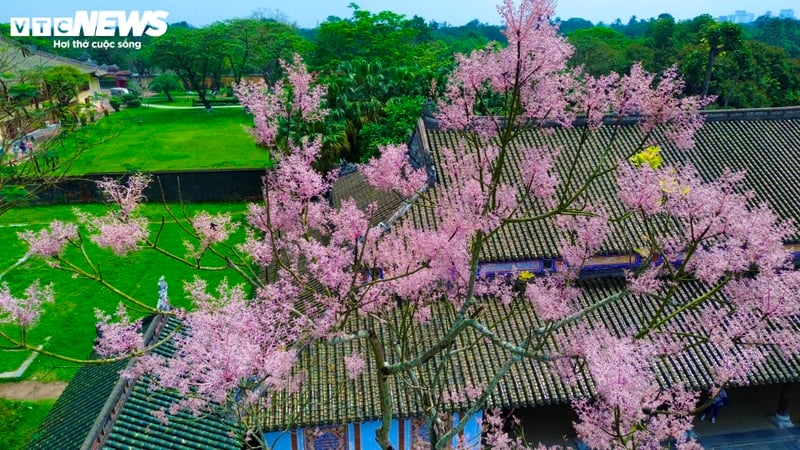
The synchronized and effective implementation of these three key areas right from the Year of the Horse - a symbol of agility and energy - will be a sign of a year of "successful achievements," ushering in a new era with powerful momentum, contributing to the successful implementation of the 2026-2030 five-year plan towards the national vision to 2050, bringing sustainable development and gradually improving the lives of the people.
Source: https://hanoimoi.vn/ma-dao-thanh-cong-734009.html



































































Comment (0)