

1. What are the benefits of walking?
- 1. What are the benefits of walking?
- 1.1 Walking is good for cardiovascular health and metabolism.
- 1.2 Risk of overloading bones and joints
- 2. How many minutes should you walk each day?
- 3. Who should avoid walking too much?
1.1 Walking is good for cardiovascular health and metabolism.
If you walk at a moderate intensity every day, your body will experience positive changes in its circulatory system and metabolism. When the body maintains regular exercise, the heart will contract more efficiently, and blood pressure will be controlled. At the same time, the amount of bad cholesterol in the blood will also decrease. A regular walking habit helps the body create a natural shield, limiting dangerous cardiovascular events, especially for middle-aged and older adults.

Walking is a simple form of exercise, but it offers many health benefits if done regularly every day.
In terms of metabolism, daily walking increases the sensitivity of cells to insulin, thereby helping to control blood sugar levels after meals. Regular daily walking at a moderate intensity also helps to stimulate fat cells to release energy, promoting better weight management.
On the other hand, walking releases endorphins into your brain, which helps reduce stress and promotes deeper, more restful sleep.
1.2 Risk of overloading bones and joints
Although walking offers many health benefits and has significantly less ground reaction than running, the musculoskeletal system, especially the knee joint, still experiences repetitive mechanical stress. Muscles and ligaments are constantly contracting and subjected to mechanical pressure. This causes the small muscle fibers to be overstretched and leads to cracks and tears at the cellular level. During exercise, micro-tears are always present in muscle fibers and connective tissue. If you walk every day without alternating rest days, your body will lack the necessary time to repair these micro-injuries.
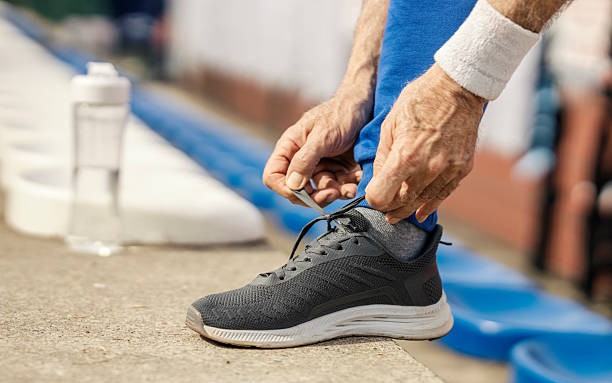
This is a perfectly normal physiological phenomenon to stimulate healthier muscle growth. However, muscles only truly regenerate and thicken in a state of rest. Therefore, walking every day causes your leg muscles to work continuously day after day, leading to the accumulation of micro-damage and chronic inflammation.
Furthermore, daily walking can lead to common overuse injuries such as plantar fasciitis, Achilles tendonitis, or patellofemoral pain syndrome. When the knee cartilage is subjected to continuous compression without sufficient rest to regenerate lubricating fluid, it gradually dries out, increasing friction and accelerating the process of early knee osteoarthritis.
2. How many minutes should you walk each day?
To ensure that exercise is effective and does not negatively impact health, doctors recommend that people adopt a scientifically-designed exercise schedule. Instead of walking every day, the ideal frequency for adults is 5-6 sessions per week.

To achieve optimal health benefits, walking should be appropriate for one's physical condition and at a reasonable intensity.
You should proactively set aside 1-2 days for your body to rest completely or switch to a recovery method involving gentle stretching exercises at home. These rest days are crucial for your body to replenish energy, repair damaged muscle tissue, and regenerate the synovial fluid that lubricates the knee cartilage.
In addition to your workout schedule, you should note that the duration of each session should range from 30-45 minutes. You can apply the principle of varying intensity, for example, alternating sessions of fast, brisk walking (in zone 2 for cardiovascular training) with sessions of slow, relaxing walking. Alternating between fast and slow walking will stimulate muscle groups to work more flexibly, prevent muscle fatigue, and reduce continuous pressure on the same joint.
3. Who should avoid walking too much?
Walking is a suitable form of exercise for many people, however, not everyone should walk. The following groups of people should not walk or should consult a doctor before doing so:
- Those who are experiencing acute joint pain, severe osteoarthritis, or have a leg injury.
- People with unstable cardiovascular conditions or excessively high blood pressure should exercise caution.
- People who have a fever, shortness of breath, dizziness, or have recently undergone surgery should also avoid walking.
- Older adults with chronic illnesses should consult their doctor to determine the appropriate walking time and intensity.

Maintaining a walking habit can help improve cardiovascular health, control weight, and support better mental well-being.
Additionally, if you experience any of the following symptoms after walking, you should stop and consult a doctor.
- Persistent aches and pains. Symptoms include muscle pain in the calves and thighs, dull ache in the knee joint, and no improvement after 24 hours of rest.
- Sleep effects. If you experience difficulty falling asleep, restless sleep, or fatigue upon waking the next morning, you should stop exercising.
- Heart rate increases at rest. If your heart rate upon waking in the morning is 5-10 beats per minute higher than normal, you should stop.
- Instead of feeling refreshed and relaxed, you may experience feelings of lethargy, boredom, and negativity while walking.
These symptoms may appear simultaneously, indicating that the body is experiencing training overload. Continuing to walk every day during this period will directly weaken the immune system and increase the risk of bone structure injuries.
Remember, daily walking only truly benefits your health when it's part of a balanced cycle of exercise and rest. It's crucial to listen to your body and dedicate rest days to recovery in order to sustain this healthy habit.
Source: https://suckhoedoisong.vn/di-bo-moi-ngay-co-tot-cho-suc-khoe-khong-169260527172757076.htm



![[Image] Pleasant weather helps students enter the 10th grade entrance exam with confidence.](https://vphoto.vietnam.vn/thumb/1200x675/vietnam/resource/IMAGE/2026/05/29/1780034401612_ngay-1-thi-lop-10-minh-duy-8-5009-jpg.webp)

![[Photo] Ba Lang An Lighthouse - the "eye of the sea" amidst the "rock museum" of Quang Ngai province.](https://vphoto.vietnam.vn/thumb/1200x675/vietnam/resource/IMAGE/2026/05/29/1780038698840_anh-man-hinh-2026-05-29-luc-14-10-42.png)


































































































Comment (0)