

Among the 50 outstanding events of Ho Chi Minh City recently announced, there is a medical event that coincided with the national commemoration of the Liberation of the South and the reunification of the country. That was on April 30, 1998, when Mai Quoc Bao, Luu Tuyet Tran, and Pham Tuong Lan Thy – the first three babies in Vietnam born through in-vitro fertilization (IVF) – were born at Tu Du Hospital (Ho Chi Minh City), marking a major turning point for the country's medical science and the remarkable development of the Ho Chi Minh City healthcare sector.
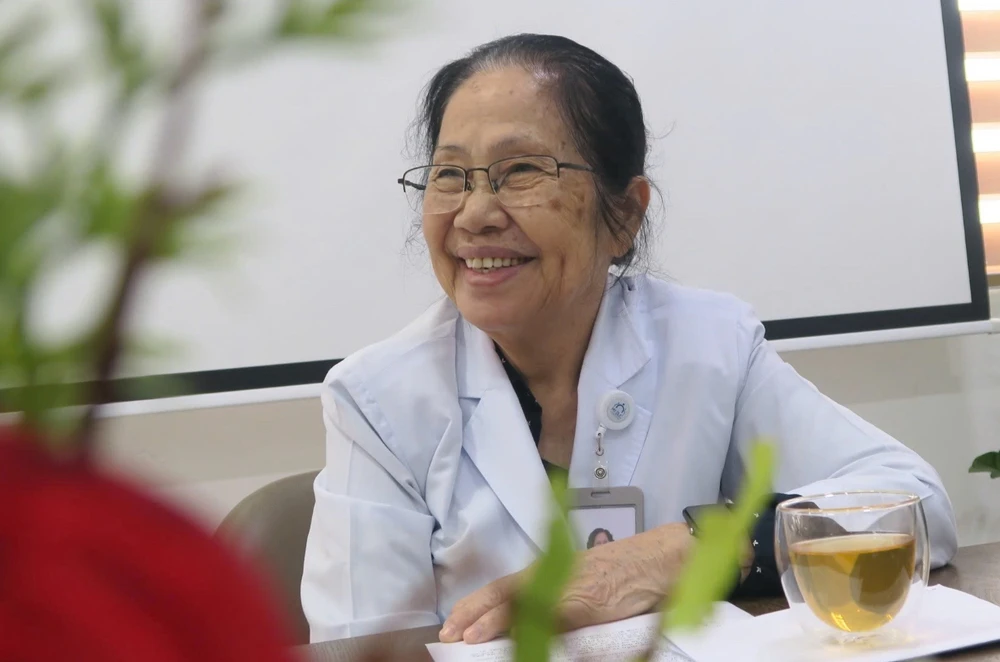
Going against the wind to lay the foundation for IVF in Vietnam is Professor-Doctor Nguyen Thi Ngoc Phuong, who was recently honored as one of the 60 outstanding individuals in the city's 50-year development journey.
Overcoming difficulties and obstacles
Compared to other countries in the region and around the world , Vietnam lagged behind in IVF. While IVF had been successful in some Southeast Asian countries in the 1980s, it remained a strange and unrealistic concept domestically. In 1984, Dr. Nguyen Thi Ngoc Phuong had the opportunity to work in Thailand and conceived the idea of bringing assisted reproductive technology back to Vietnam.
During this period, Vietnam was implementing a family planning policy amidst economic difficulties. Therefore, the idea of IVF was not supported but met with ridicule. Many also believed that children born from IVF would be deformed.
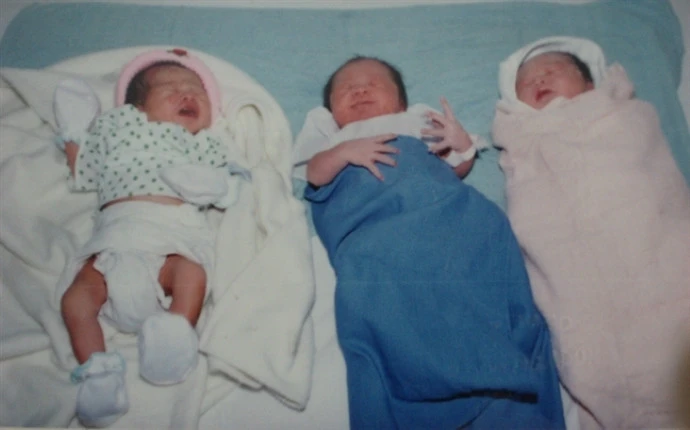
Despite all the criticism and rumors, witnessing the suffering of women struggling with infertility, Dr. Ngoc Phuong and her colleagues were determined to find a solution for these less fortunate individuals.
In 1994, while teaching at the Nice Sophia Antipolis Medical University in France, Dr. Ngoc Phuong gained a thorough understanding of IVF. She realized that, technically, IVF was within the capabilities of Vietnamese doctors.
Saving a large portion of her professor's salary, she ordered some necessary medical equipment and machinery for TTON and sent it to Tu Du Hospital. Subsequently, the hospital sent delegations to familiarize themselves with the new techniques and worked to establish a Reproductive Support Department, an In-Visual Fertilization Unit, and other facilities.
After thorough professional preparation, the Board of Directors of Tu Du Hospital submitted the plan for implementing IVF to the Ho Chi Minh City Department of Health, the Ho Chi Minh City People's Committee, and the Ministry of Health. Dr. Ngoc Phuong's journey against the odds was accompanied and wholeheartedly supported by Hero of Labor - People's Doctor - Dr. Ta Thi Chung (Party Secretary, Deputy Director of Tu Du Hospital).
"Back then, we struggled to overcome many difficulties. When we started working on embryos, but hadn't yet received a license from the Ministry of Health, we met with the Minister of Health to ask for his opinion. The Minister said that this matter required the approval of the Politburo and the Secretariat, because it was about 'producing' human beings," Dr. Ngoc Phuong recalled.
In 1997, Tu Du Hospital invited a team of French experts to assist in the implementation of IVF. Approximately 70 cases registered, but the pregnancy rate was very low.
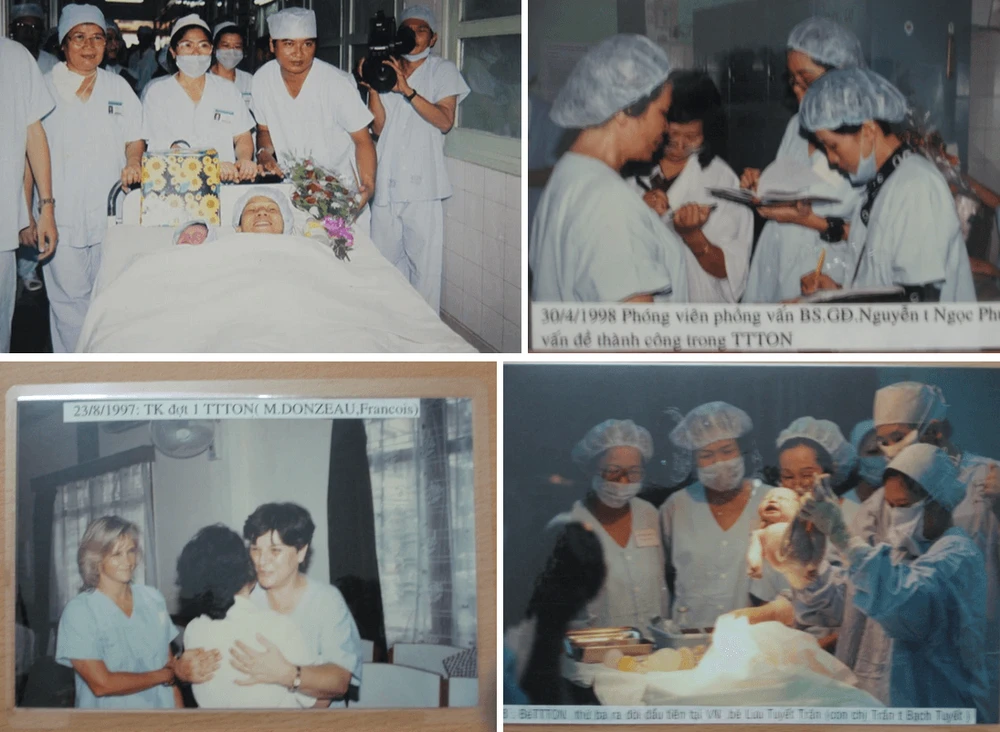
Professor-Doctor Nguyen Thi Ngoc Phuong's daughter, Associate Professor-Doctor-Doctor Vuong Thi Ngoc Lan (currently the Vice Rector of Ho Chi Minh City University of Medicine and Pharmacy), was also part of the first team to perform IVF in Vietnam.
With her excellent foreign language skills, Dr. Ngoc Lan was tasked with exchanging information with the French expert team. She participated in observing and documenting most of the procedures, such as ovarian stimulation, medication administration, and egg retrieval.
Two weeks after the embryo transfer, a series of failure reports poured in, leaving Dr. Ngoc Lan and her colleagues utterly devastated. Hope faded with each phone call from the patient.
"When the team was at a low point, a woman called to say she was pregnant. We hugged each other, overwhelmed with joy!" recalled Dr. Vuong Thi Ngoc Lan.
Light up hope
Ms. Tran Thi Bach Tuyet (from Tien Giang province) was one of the women who participated in IVF in 1997. She had been married to Mr. Luu Tan Truc for eight years, but their family remained childless. The couple sought treatment everywhere, but to no avail.
Although they didn't understand what IVF was, Mrs. Tuyet and her husband decided to seize the rare opportunity when Tu Du Hospital called to register for IVF. And luckily, Mrs. Tuyet became pregnant. Their daughter, Luu Tuyet Tran, was born on April 30, 1998.
Overwhelmed with joy, Mr. Luu Tan Truc stood in the hallway of Tu Du Hospital, trembling as he clasped his hands together and bowed, "Oh my God, I'm almost 50 years old and finally have a child!"
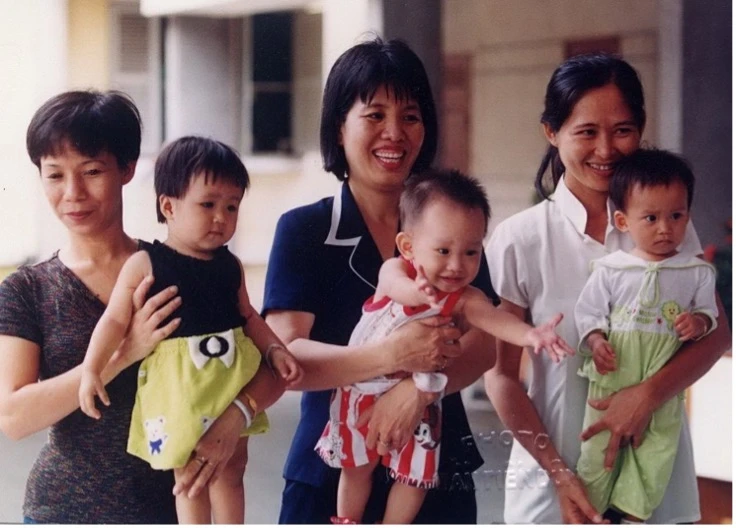
April 30, 1998, ignited hope for millions of infertile couples in Vietnam. And the children of that day have grown into healthy young adults, always respecting and being grateful to the doctors and nurses of that time.
“When I was little, I was a bit shy because everyone asked me about being born through IVF. As I grew older and became more mature, I realized how special and lucky I am. I am proud to be one of the first three babies in Vietnam born through IVF,” said Luu Tuyet Tran.
Since that historical milestone, Vietnam's assisted reproductive technology (ART) industry has made significant strides, even surpassing many countries in the region. In particular, Associate Professor, Doctor Vuong Thi Ngoc Lan and her colleagues have made impressive contributions to the global field of ART.
In late 2023, Associate Professor, Doctor Vuong Thi Ngoc Lan and Master of Science, Doctor Ho Manh Tuong were invited to contribute to the compilation of a chapter in "Textbook of Assisted Reproductive Techniques, Sixth Edition". This is a prestigious book in the field of assisted reproduction worldwide, with a history of over 20 years since its first publication in 1999.
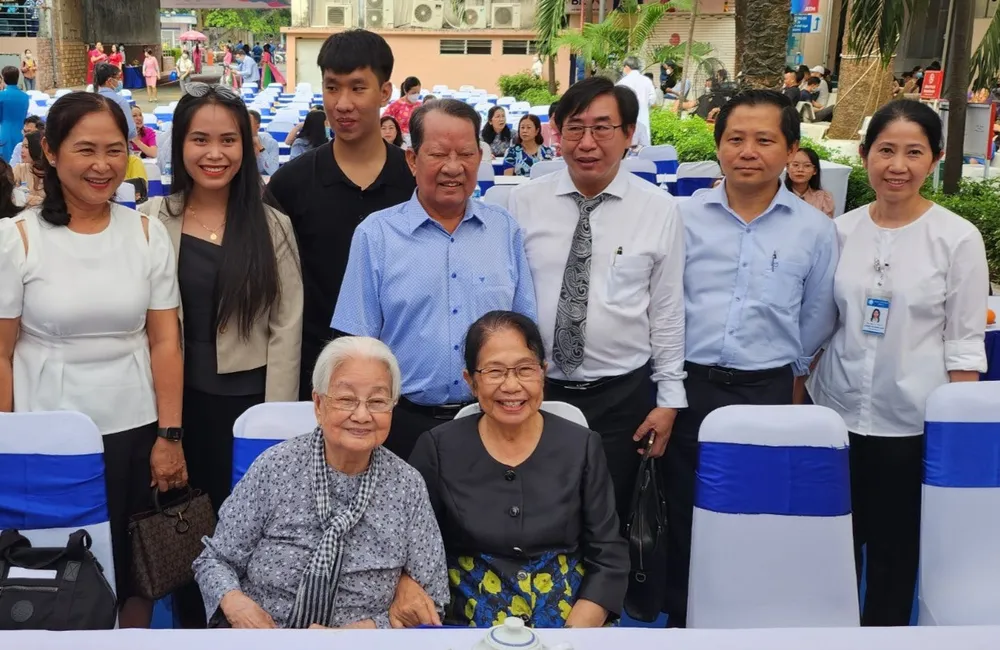
According to the Ministry of Health, to date, Vietnam has had over 150,000 children born through assisted reproductive technologies, giving hundreds of thousands of infertile people the opportunity to become parents. Currently, Vietnam is a trusted destination for foreign patients undergoing IVF treatment with a success rate comparable to the world, and is also a reputable training center for assisted reproductive technology internationally.
"Vietnam lags behind the world in IVF technology, but we have risen to the occasion and achieved successes that have been recognized internationally. I am delighted for the patients and the entire healthcare system of our country," said Professor and Doctor Nguyen Thi Ngoc Phuong.
Source: https://www.sggp.org.vn/di-nguoc-chieu-gio-post793335.html


![[Photo] Prime Minister Pham Minh Chinh receives the Chinese Ambassador to Vietnam](https://vphoto.vietnam.vn/thumb/1200x675/vietnam/resource/IMAGE/2026/04/05/1775397481797_ndo_br_dsc-5512-jpg.webp)






































































Comment (0)