

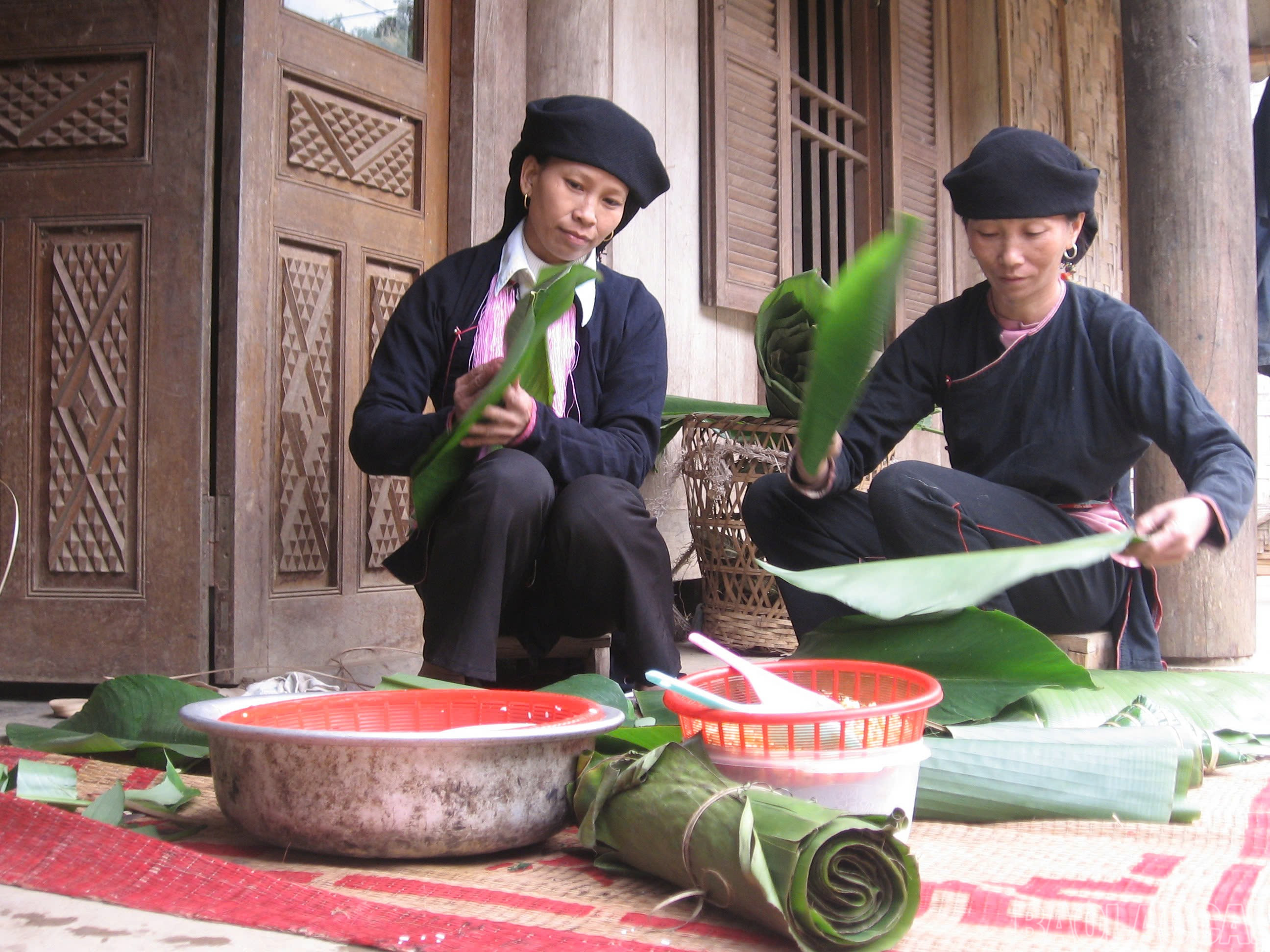
Every year, around the middle of the 12th lunar month, the Dao Tuyen people begin busily preparing for Tet (Lunar New Year), hoping for good fortune in the new year. Young women prepare new dresses and a traditional game to wear to festivals. Every family makes two types of cakes to offer to their ancestors: black sticky rice cakes and honey cakes wrapped in banana leaves.
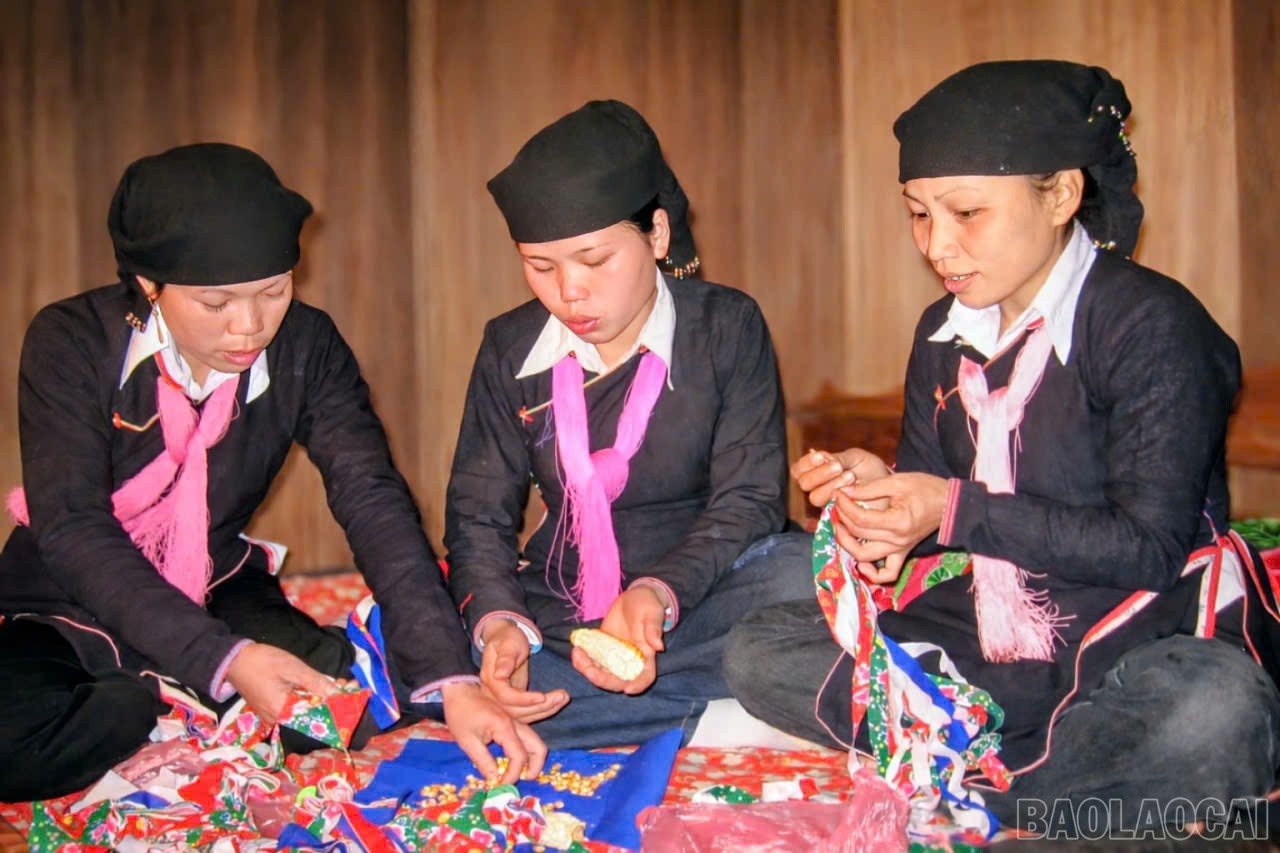
On the 30th day of the Lunar New Year, early in the morning, the homeowner takes six cakes, divides them into two portions of three cakes each, and places them to the left and right of the incense burner on the altar. The homeowner lights three incense sticks to invite ancestors to celebrate the New Year and bless the family. In the afternoon, the homeowner goes into the forest to gather cabbage and fresh ginger to offer as sacrifices to the gods Ban Vuong, Ngoc Vuong, Mu Vuong, and others.
At the stroke of midnight on New Year's Eve, the homeowner places offerings on the altar and invites the gods. The head of the household, usually the man of the family, will call the gods down to celebrate the New Year and bless his family and descendants. When inviting the gods into the house, the homeowner will scatter rice from the door into the house so that the gods know the way in. The homeowner prays to the Jade King, then to the Pantheon, and finally to the Goddess of Mercy, asking for blessings for the health and good fortune of the family members, and for the protection of livestock from disease. After praying to the gods, the homeowner takes a broom and sweeps the house. This act symbolizes bidding farewell to the old year, and the trash in the house is collected and placed in a basket in the corner.
The Dao Tuyen people have a custom of pasting paper on the doors of their houses and on their farming tools such as hoes, shovels, and even on their buffalo, pig, and chicken coops, with the meaning of preventing evil spirits from entering their homes.
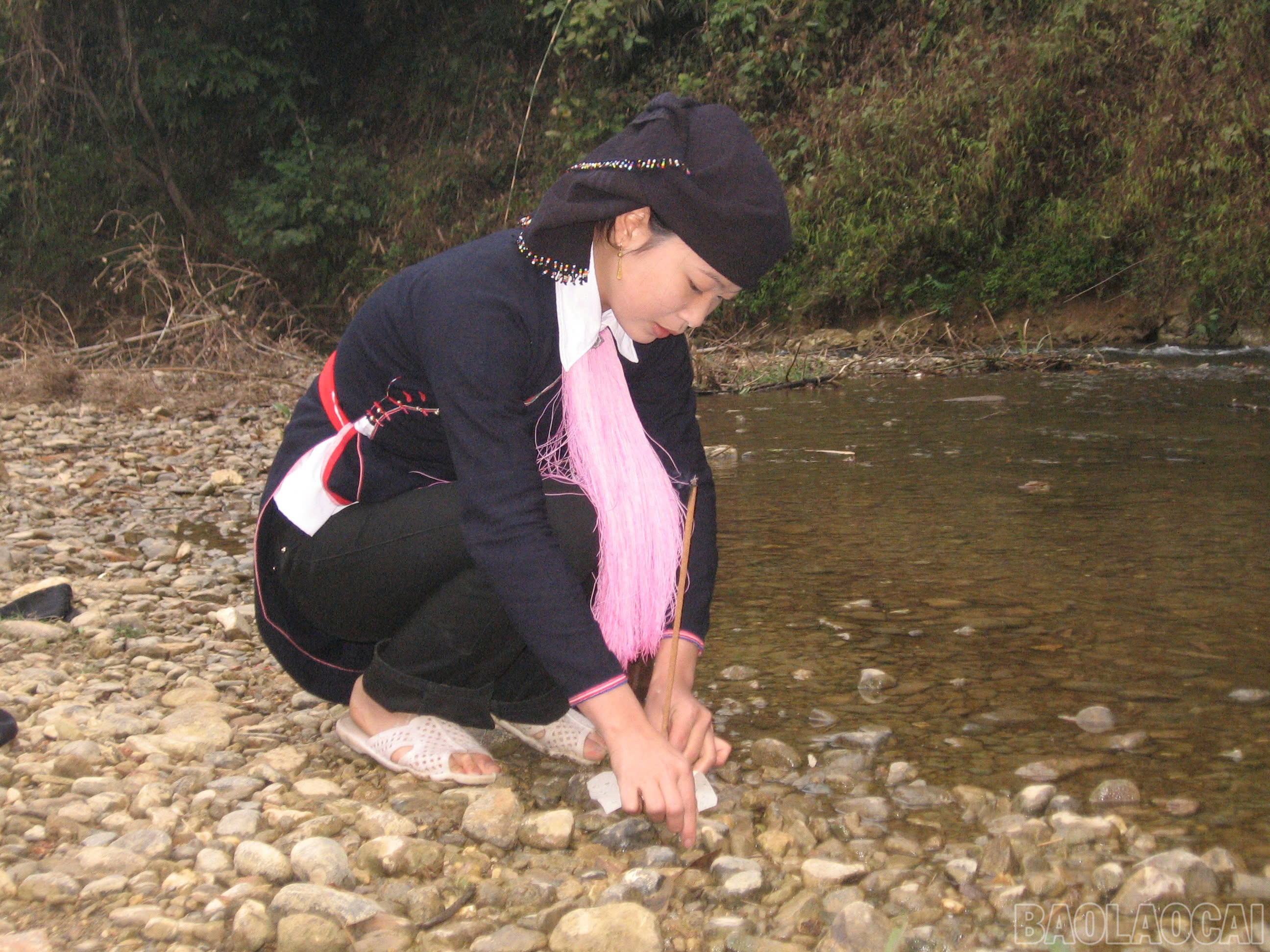
On the morning of the first day of the Lunar New Year, the homeowner wakes up early to "buy" water, believing that whoever takes the first water will have good fortune that year. They bring an incense stick, a piece of paper, a small bowl, and a lighter to light the incense. The homeowner prays to the Jade King, saying, "In the new year, I offer incense and paper money to the gods. Please bless my family so that we may have access to water free from disease, favorable weather, and a bountiful harvest." After praying, the homeowner takes the water in the small bowl and brings it home, signifying that they have "bought" the water from the gods. This water is then used for boiling water for drinking and cooking rice.
On the morning of the second day of the Lunar New Year, the entire village held a village worship ceremony. The village elder took reeds and braided them into a rope, tying a knife and a wooden gun to the middle of the rope. The rope, several meters long, was enough to stretch across the main road leading into the village. The Dao people believe that stretching the rope at the village gate will ward off evil spirits and demons from harming the village. The shaman, the village elder, and the heads of households chased away evil spirits and demons from the village by some wearing masks, others carrying knives, driving the spirits from one end of the village to the other, from top to bottom.
The Dao people have a tradition of wishing their parents, elders, relatives, and teachers a happy New Year. The gifts for parents include a pair of chickens (one rooster, one hen) and a bottle of wine, which are brought to their home. They then visit siblings and neighbors, wishing them good health and good fortune in business. For those who study the Dao script under a teacher, the students prepare a bottle of wine and about 1 kg of meat to offer to their teacher as a New Year's gift.
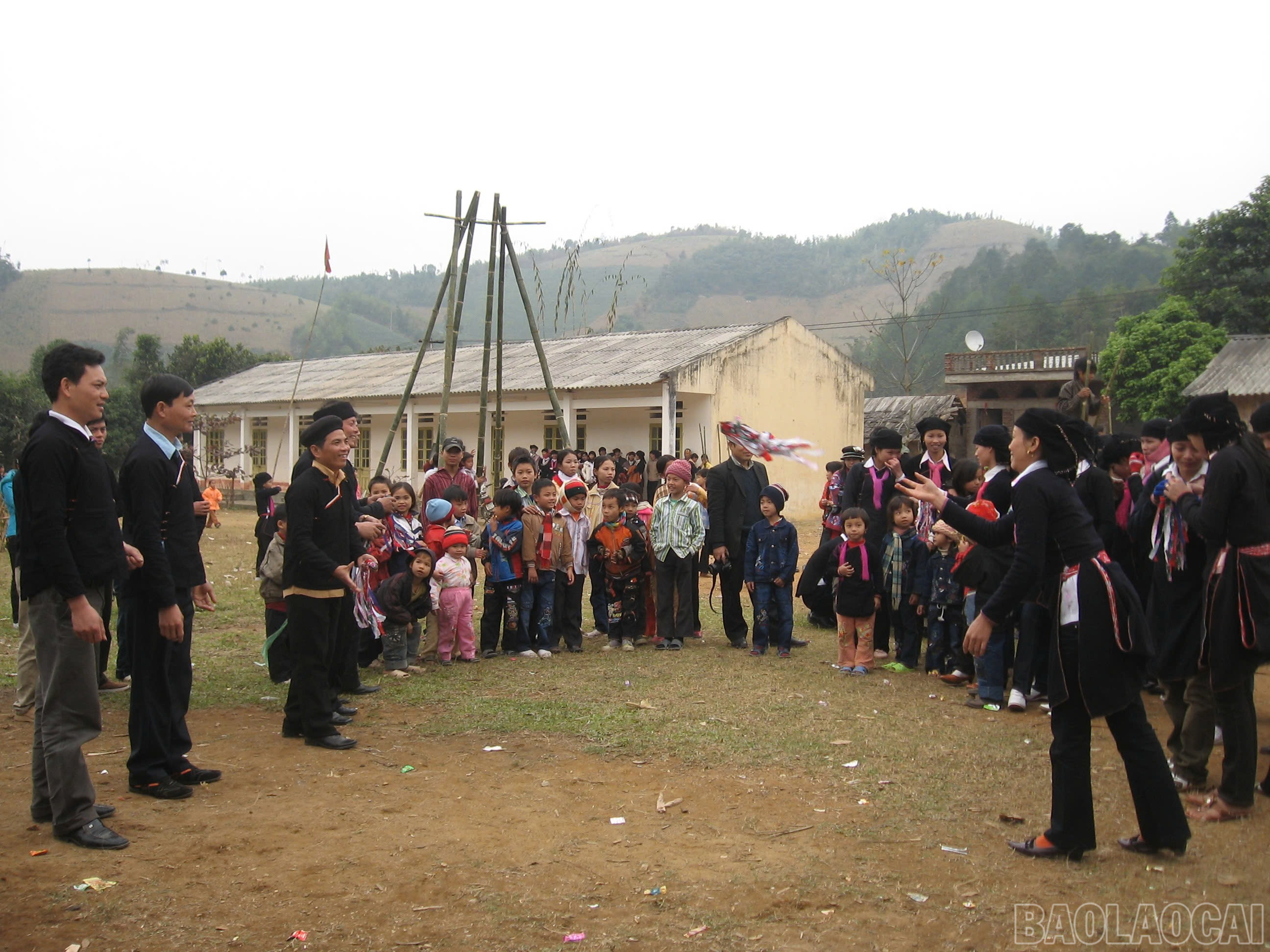
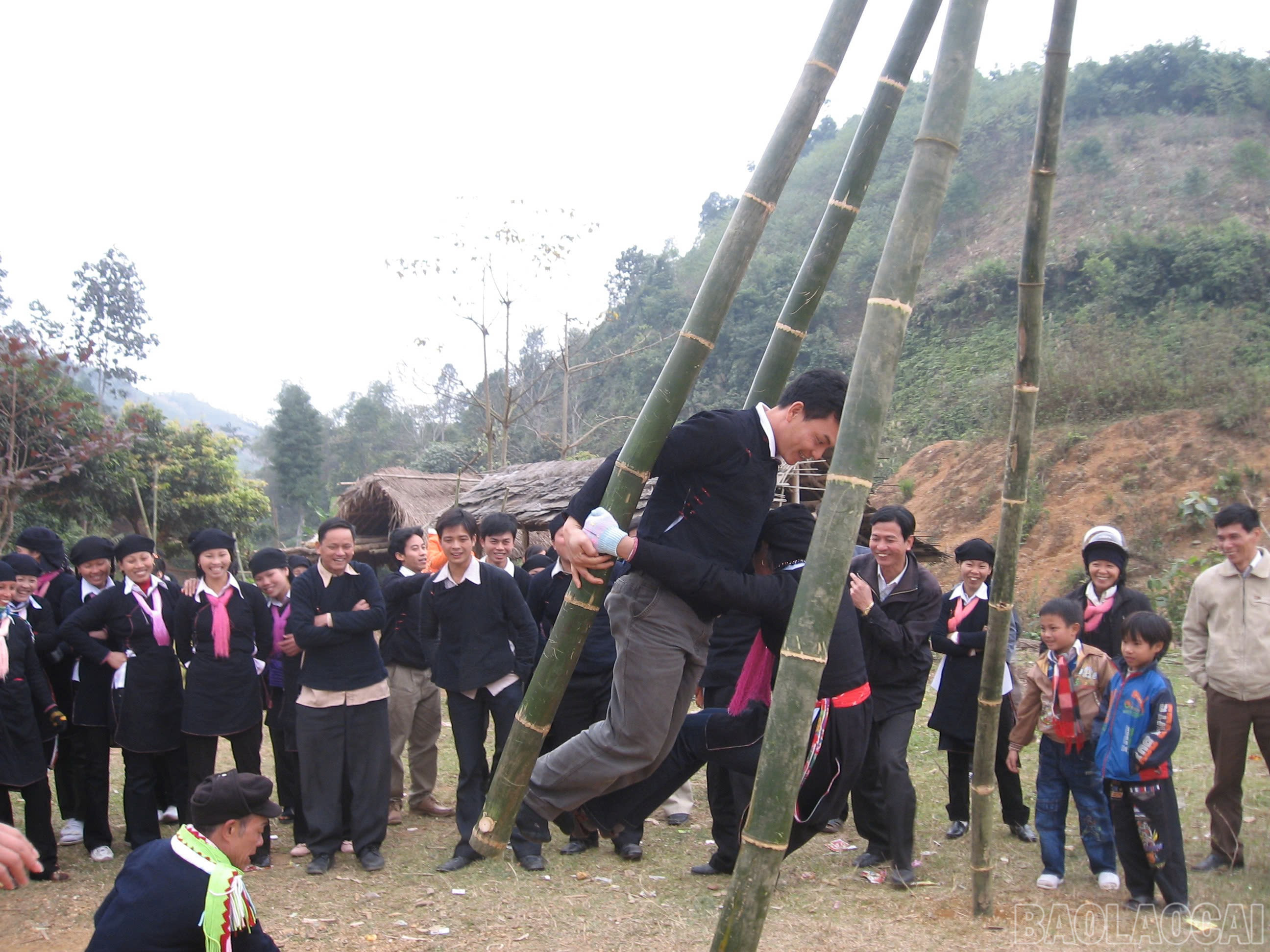
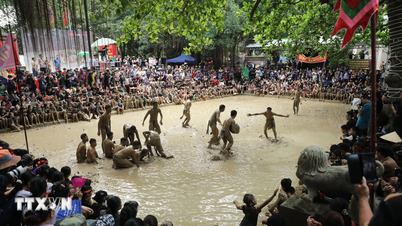
During the traditional Lunar New Year, the Dao Tuyen people often organize attractive folk games such as stilt walking, throwing the ball, spinning tops, and archery competitions, attracting many participants.
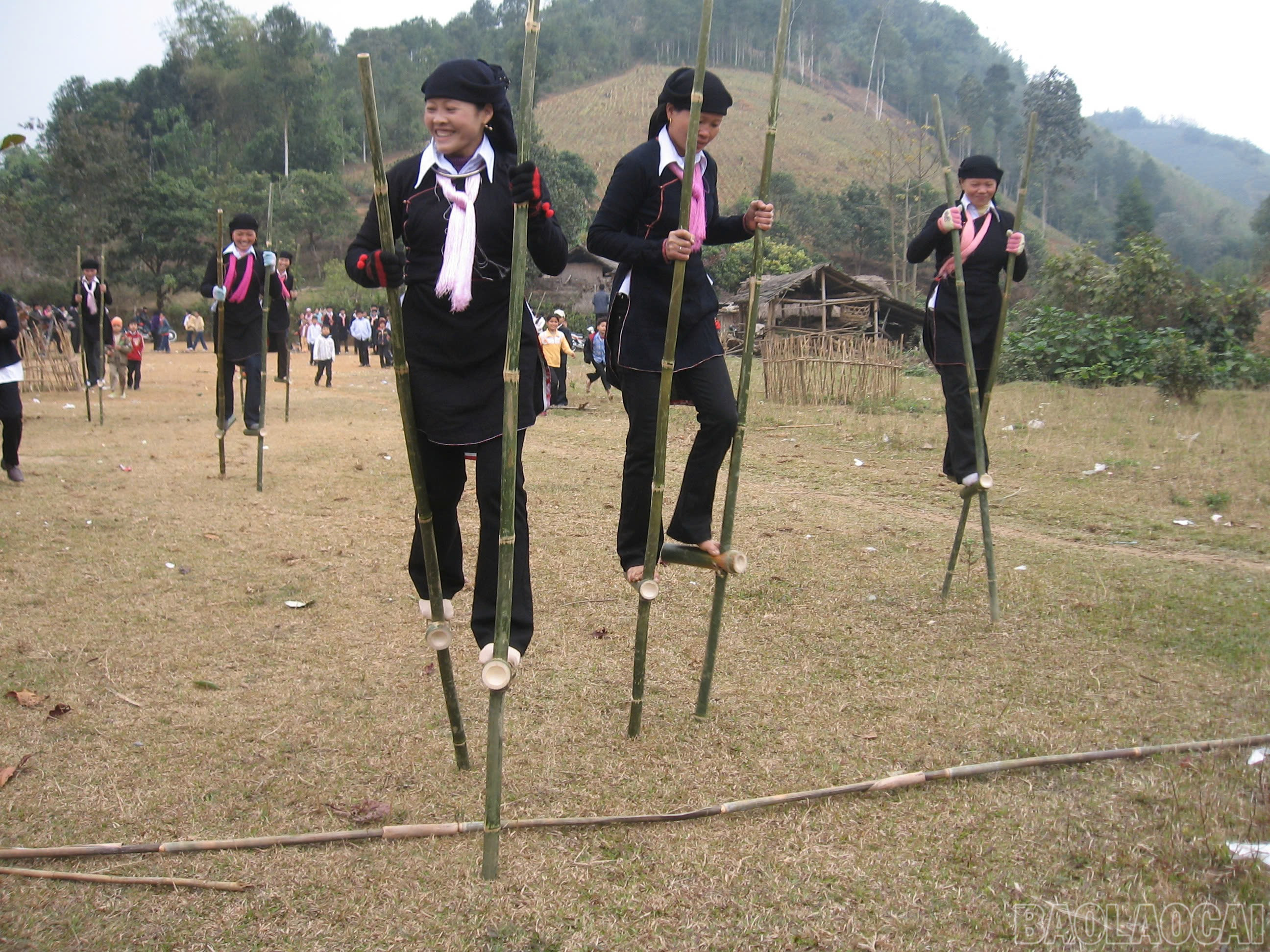
The Dao people love arts and culture. During Tet (Lunar New Year), Dao villages wrap tobacco in pink paper to send to other villages, inviting them to sing love songs; they also organize rituals like dancing in the fields to seek fortune telling... Today, Dao villages in Lao Cai still preserve this unique Tet celebration custom.
Source: https://baolaocai.vn/doc-dao-phong-tuc-tet-cua-nguoi-dao-tuyen-post892688.html






























































Comment (0)